
Selecting the right 70mai dashcam for Philippine roads requires balancing your daily driving habits, parking arrangements, and budget against the demands of a tropical environment. While flagship models equipped with 4K resolution and heat-resistant supercapacitors offer the highest level of reliability and clarity, mid-range and entry-level options provide practical alternatives for daily city driving. By matching the specific features of each product tier to your typical routes, you can ensure your vehicle remains protected under all driving conditions.
To make an informed decision, you must evaluate how different hardware specifications handle the unique environmental and traffic challenges of the Philippines. From intense solar radiation to heavy monsoon downpours and dense motorcycle traffic, each factor dictates the type of camera technology your vehicle requires.
Quick Guide: Selecting the Right 70mai Dashcam for Philippine Roads
Philippine driving conditions present a demanding mix of environmental and operational challenges. The intense tropical heat can cause cabin temperatures to soar when parked, while heavy monsoon rains severely restrict road visibility. Furthermore, chaotic multi-lane traffic in urban centers requires a camera that can capture rapid, unpredictable movements from various angles.
Products mentioned in this guide
![[New Launch]70mai T800E Dash Cam 4K 3-Channel 360° Rotatable Car Camera HDR GPS With Night Vision](https://img.lazcdn.com/g/p/afff0f8e69b03ac80e5e447d08c94b3a.jpg_400x400q80.jpg_.webp)
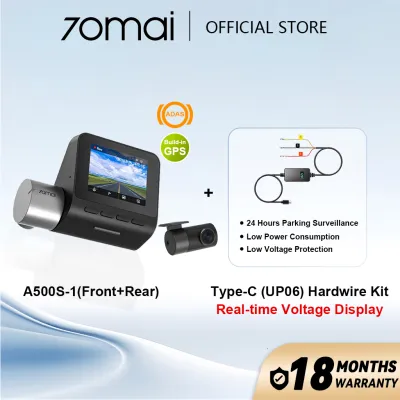
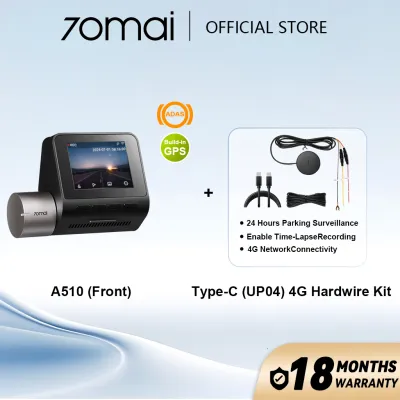
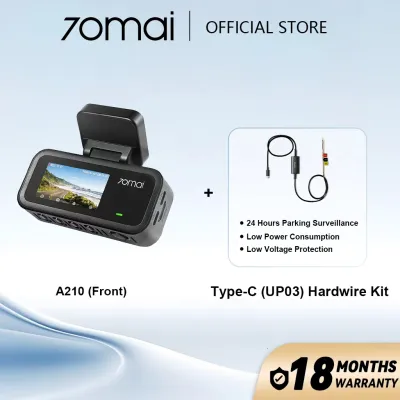
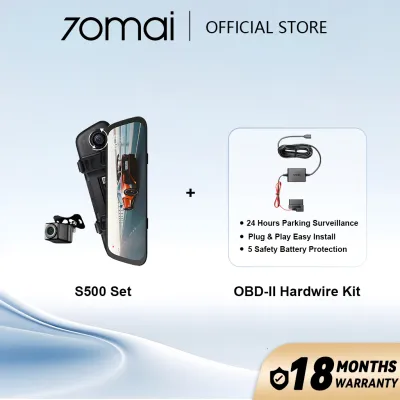
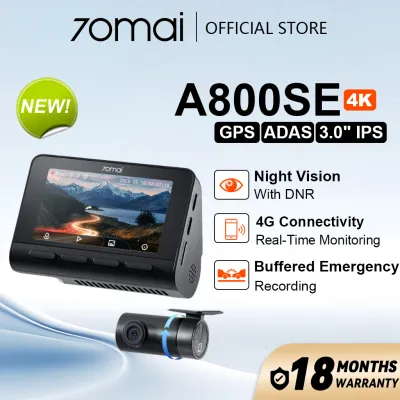
Prices are valid at publication and may change. Please refer to the product page for the latest price.
When evaluating a 70mai dashcam, you should prioritize three non-negotiable hardware criteria. First, verify the high-temperature tolerance of the device, specifically looking for models powered by supercapacitors rather than standard lithium-ion batteries. Second, ensure the camera has robust low-light performance to handle poorly lit provincial roads and nighttime glare. Third, select a model with a wide field of view to capture motorcycles and active transport users filtering through tight traffic lanes.
Before finalizing any purchase, always check the manufacturer’s official operating and storage temperature ranges. This information is typically located on the product packaging or the official store page. Because interior vehicle temperatures in the Philippines can easily exceed the limits of standard consumer electronics, verifying these specifications is essential to prevent premature hardware failure.
Essential Features for Navigating Philippine Traffic and Weather
Heat and Sun Exposure
Vehicles parked outdoors under the Philippine sun act like greenhouses, trapping solar radiation and causing interior temperatures to rise rapidly. Dashcams are mounted directly against the windshield, placing them in the zone of maximum heat concentration. Under these conditions, traditional lithium-ion batteries are highly susceptible to swelling, capacity loss, and thermal failure.

Supercapacitors are the preferred power storage technology for high-heat environments. Unlike batteries, which store energy through chemical reactions, supercapacitors store energy electrostatically. This design allows them to withstand extreme temperature fluctuations without the risk of physical deformation or combustion. When reviewing product specifications, look closely for explicit mentions of supercapacitor power delivery to ensure long-term durability.
Night Vision and Low Light
Night driving in the Philippines often involves navigating poorly lit barangay roads, dealing with sudden downpours that scatter light, and enduring the glare of misaligned aftermarket headlights. To capture legible license plates and critical incident details under these conditions, a dashcam requires advanced optical hardware.
Pay close attention to the image sensor size and aperture specifications. A larger sensor (such as a 1/2.8-inch sensor or larger) collects more light, which directly improves image clarity in dark environments. A wider aperture, denoted by a lower f-number like f/1.8 or f/1.6, allows more light to reach the sensor. Additionally, software features like Wide Dynamic Range (WDR) and High Dynamic Range (HDR) are vital; they balance high-contrast scenes by combining multiple exposures, preventing oncoming headlights from blowing out the image.
Wide Angle and Frame Rate
Urban traffic in major Philippine cities is characterized by high volumes of motorcycles, tricycles, and utility vehicles filtering through narrow spaces. A dashcam with a narrow field of view may fail to record side-impact collisions or lane-merging incidents. A field of view between 130° and 140° offers the ideal balance, capturing adjacent lanes and sidewalks without introducing excessive fisheye distortion that makes distant objects appear smaller than they are.
Frame rate is another critical factor, particularly when traveling on high-speed expressways such as NLEX, SLEX, or TPLEX. A standard frame rate of 30 frames per second (fps) is sufficient for city driving, but higher frame rates like 60fps deliver much smoother video. This increased temporal resolution reduces motion blur, making it significantly easier to freeze-frame and read the license plates of fast-moving vehicles during an incident.
Matching 70mai Product Tiers to Your Daily Driving Needs
To simplify your selection process, 70mai’s product lineup can be organized into three distinct tiers: Flagship, Mid-Range, and Entry-Level. Each tier represents a different balance of resolution, power management, and advanced features. Matching these tiers to your typical driving routes and parking habits will help you find the most cost-effective solution.
Flagship Tier for Extreme Conditions and Long Trips
Flagship models are designed for drivers who frequently travel across provinces, log long hours on the road, or regularly park their vehicles in unshaded outdoor areas. These models typically operate in the highest price band, generally starting above ₱6,000, reflecting their premium hardware and advanced capabilities.
At this level, you can expect native 4K Ultra HD resolution, which provides the pixel density required to read license plates from a distance. These models also feature advanced driver assistance systems (ADAS) that provide lane-departure and forward-collision warnings, as well as integrated GPS modules that log your exact speed and coordinates. This data can serve as crucial evidence during insurance claims or traffic disputes.
Because flagship models process high-resolution video and run advanced software, they generate more internal heat. Consequently, they require superior heat-dissipation designs and robust power systems. Always verify in the user manual or official product documentation that the specific flagship model utilizes a supercapacitor and is rated for high-temperature operations before installing it in a vehicle exposed to daily tropical heat.
Mid-Range Tier for Daily City Commutes
Mid-range models are tailored for daily commuters in Metro Manila, Metro Cebu, or Metro Davao who primarily face stop-and-go traffic and low-speed urban incidents. These models occupy a moderate price band, typically ranging from ₱2,500 to ₱6,000, offering a practical balance of performance and value.
These devices generally record in 2K or 2.7K resolution (1440p or 1944p), which provides a clear, sharp image that easily captures road signs and nearby license plates. They also feature reliable Wi-Fi connectivity, allowing you to quickly download and share footage via the 70mai smartphone app during a roadside dispute. This quick retrieval capability is highly valuable when dealing with local traffic enforcers.
While mid-range models offer excellent day and night video quality, they may involve trade-offs in extreme heat tolerance or advanced parking surveillance features compared to flagship units. Some models in this tier may still utilize lithium-ion batteries or have lower maximum operating temperature thresholds. Carefully review the product specification sheet to ensure the device’s power source and temperature limits align with your parking environment.
Entry-Level Tier for Basic Incident Recording
Entry-level models are best suited for secondary household vehicles, fleet cars, or budget-conscious drivers who require a simple, plug-and-play solution for recording road incidents. These models sit in the most affordable price band, typically under ₱2,500.
These devices focus on core functionality, offering standard 1080p Full HD recording, compact physical designs that mount discreetly behind the rearview mirror, and basic loop recording. They are straightforward to operate and require minimal user intervention once installed, making them an accessible option for basic protection.
However, entry-level models have distinct limitations in low-light clarity and heat endurance. They often feature smaller image sensors that struggle with headlight glare and dark provincial roads, and they frequently rely on standard lithium-ion batteries. If you choose an entry-level model, you must adhere strictly to the temperature warnings in the user manual. It is highly recommended to remove the device from its windshield mount and store it in a shaded glovebox when parking the vehicle in direct sunlight for extended periods.
Installation and Maintenance Tips for Tropical Climates
Mounting Placement
Proper placement of your dashcam is essential for both legal compliance and optimal performance. Mount the camera high on the windshield, ideally behind or adjacent to the rearview mirror. This position ensures the camera does not obstruct your forward view, keeping you compliant with local traffic safety regulations, such as the Anti-Distracted Driving Act.
Additionally, ensure the camera lens is positioned within the sweep path of your windshield wipers. During heavy monsoon rains, water buildup, road grime, and mud can quickly obscure the camera’s view. Placing the lens where the wipers can clear the glass ensures you maintain a clear, unobstructed recording of the road ahead during severe weather.
Power Supply and Hardwiring
Standard dashcam installations use the vehicle’s 12V cigarette lighter socket, which only supplies power when the ignition is switched on. If you require 24-hour parking surveillance, you must install a dedicated hardwire kit that connects the dashcam directly to your vehicle’s fuse box.
Hardwiring modifies your vehicle’s electrical system, which introduces specific safety boundaries. Before proceeding, consult your vehicle’s original manufacturer instructions to ensure hardwiring does not void your warranty or interfere with onboard electronics. If you are unfamiliar with automotive electrical systems, seek qualified professional installation.
Furthermore, stop-and-go city driving can prevent your alternator from fully charging your car battery, leaving it vulnerable to deep discharge. When hardwiring, always use a high-quality wiring kit equipped with an adjustable low-voltage cutoff. This safety feature automatically shuts down the dashcam when the car battery’s voltage drops below a specified threshold (such as 11.8V or 12V), ensuring you always have enough power to start your engine.
MicroSD Card Maintenance
Dashcams subject memory cards to continuous write cycles, a process that generates internal heat and accelerates card degradation. Standard microSD cards are not designed for this level of stress and will fail rapidly when exposed to high-resolution recording in hot climates.
Always select high-endurance microSD cards specifically rated for continuous write operations in dashcams or security systems. Look for cards with Class 10, U3, or V30 speed ratings to handle high-definition video streams. To prevent write errors and ensure reliable operation, establish a routine to format the memory card via the 70mai smartphone app at least once a month.
Heat Management
To extend the lifespan of your dashcam, take active steps to manage cabin heat. When parking outdoors, use a high-quality reflective windshield sunshade to block direct solar radiation from hitting the camera body. Ensure that any ventilation slots on the dashcam remain clear of dust, mounting tape, or adhesive residue.
If your dashcam exhibits signs of thermal stress—such as displaying heat warning messages, rebooting repeatedly, or showing physical signs of battery swelling or casing deformation—immediately stop using the device. Disconnect it from its power source and consult the manufacturer or an authorized service center for inspection.
Frequently Asked Questions (FAQ)
Can I leave my 70mai dashcam in the car overnight in the Philippines?
Yes, leaving your dashcam in the vehicle overnight is generally safe because ambient temperatures drop significantly after sunset. However, the primary risk occurs during the day when the vehicle is parked under direct sunlight, which can cause cabin temperatures to exceed safe operating limits. Always check your specific model’s storage and operating temperature limits. If your model uses a lithium-ion battery or if you must park in unshaded areas for long periods, consider using a reflective windshield sunshade or temporarily removing the camera from its mount to prevent heat-induced damage.
Do 70mai dashcams work well during heavy typhoon rains?
70mai dashcams are equipped with high-quality sensors that perform reliably in various weather conditions, but they can only record what is visible through the windshield. Heavy typhoon rains can create sheets of water and road spray that severely distort the camera’s view. To ensure optimal performance during storms, always mount the camera within the sweep path of your windshield wipers. Additionally, applying a water-repellent glass treatment to the exterior of your windshield can help shed water quickly, allowing the camera to maintain a clear view of the road ahead.
Will a 70mai dashcam drain my car battery in heavy traffic?
If your dashcam is connected to the standard cigarette lighter socket, it will not drain your car battery because the socket only draws power when the engine is running or the ignition is in the accessory position. If you have hardwired the dashcam for parking mode, it will continue to draw power while the vehicle is stationary. To prevent battery drain—especially in older vehicles or those frequently idling in severe city traffic—you must use a hardwire kit equipped with an active low-voltage cutoff. This safety feature automatically disconnects the dashcam when the car battery’s voltage drops below a safe starting threshold.
Community discussion
Share your experience or ask a question. Comments are reviewed before publication.