
Finding the right aftermarket fairings for your Honda CBR 650R in the Philippines requires balancing aesthetic desires with the harsh realities of local riding conditions. Whether you are replacing damaged bodywork after a low-side slide, preparing your motorcycle for track days at Clark International Speedway, or simply looking to customize your bike’s appearance, selecting the correct set of panels is critical. The primary challenge lies in securing a kit that matches the precise engineering of your motorcycle while resisting the intense tropical heat, torrential monsoon rains, and high UV exposure characteristic of the Philippine climate.
When seeking high-quality honda cbr 650r fairings, the absolute best options depend on your primary use case, budget, and willingness to perform custom fitment work. For the vast majority of street riders, injection-molded ABS plastic kits offer the closest approximation to original equipment manufacturer (OEM) standards in terms of durability and ease of installation. Track enthusiasts often lean toward lightweight fiberglass for its ease of repair, while those seeking premium aesthetics and weight reduction opt for genuine carbon fiber. To make an informed purchase, you must evaluate fitment accuracy, material composition, and sourcing channels to ensure your investment stands up to daily use on local roads.
Key Criteria for Choosing CBR 650R Aftermarket Fairings
Before purchasing any aftermarket bodywork, you must establish a clear set of standards to evaluate the product’s quality. Choosing poorly manufactured panels often results in misaligned bolt holes, unsightly gaps, and paint that quickly fades or cracks under the intense Philippine sun. Focusing on three core criteria—fitment accuracy, finish quality, and hardware completeness—will save you significant time and frustration during the installation process.
Products mentioned in this guide
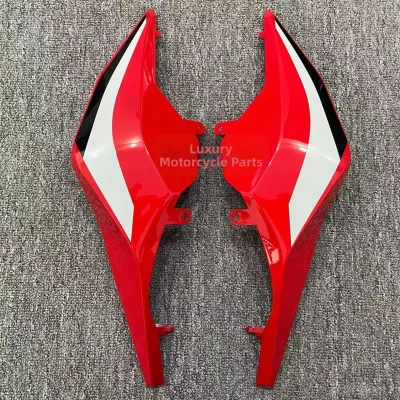
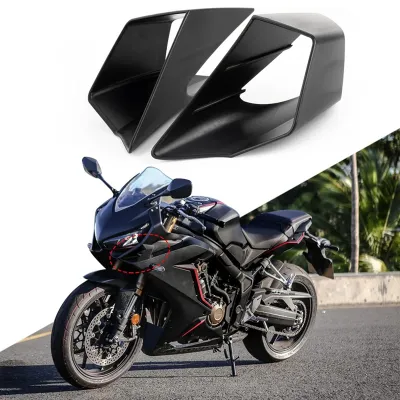
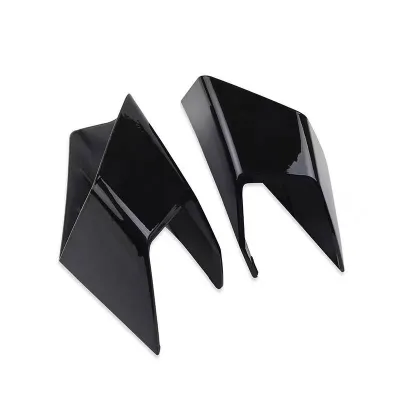
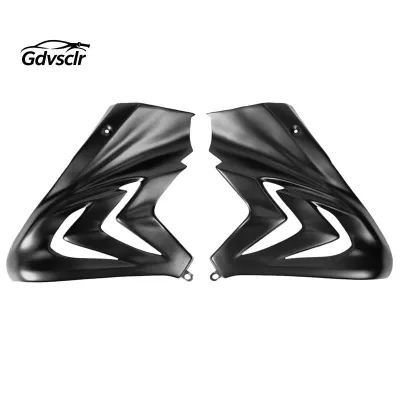
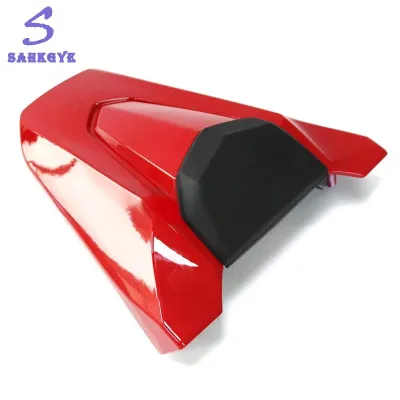
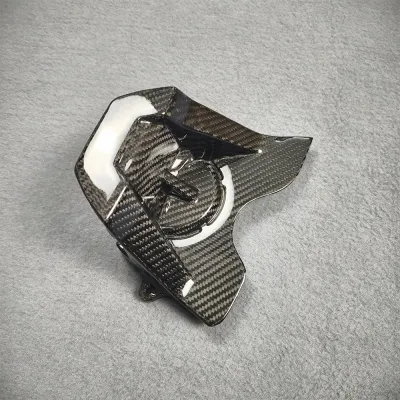
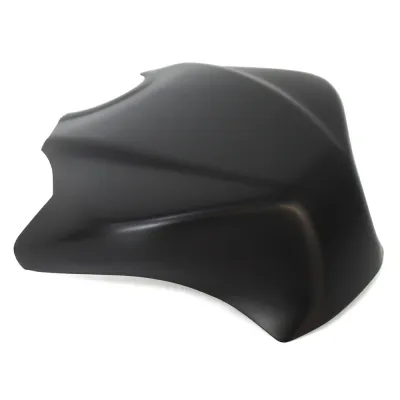
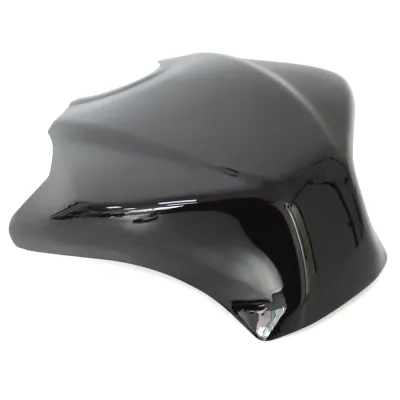
Prices are valid at publication and may change. Please refer to the product page for the latest price.
Fitment Accuracy
The method used to manufacture the fairings directly dictates how easily they will install on your motorcycle. You should prioritize “direct bolt-on” kits, which are almost exclusively produced using high-pressure injection molding. This manufacturing process utilizes precise steel molds that replicate the exact dimensions, mounting tabs, and screw holes of the original Honda bodywork. In contrast, cheaper “universal” or compression-molded kits are made using manual pressure in simpler molds, which frequently leads to warped panels, thick edges, and misaligned tabs. Installing compression-molded fairings often requires tedious modifications, such as drilling new holes, widening existing slots, or using a heat gun to bend the plastic into place, which can permanently weaken the material.
Finish and Paint Quality
The longevity of your bike’s new look depends heavily on the paint and protective coatings applied to the fairings. In the Philippines, where motorcycles are subjected to extreme ultraviolet (UV) radiation and high humidity, a cheap paint job will rapidly oxidize, peel, or yellow. Ensure the manufacturer uses a multi-stage painting process finished with a high-quality, UV-resistant clear coat. If you are purchasing pre-painted fairings to match Honda’s signature colors—such as Grand Prix Red or Matte Gunpowder Black Metallic—verify the color-matching accuracy with the seller, as slight variations in metallic flake or red hues can look highly inconsistent next to an original fuel tank. For unpainted panels, inspect the thickness of the gel coat; a thin or uneven gel coat will leave tiny pinholes that make achieving a smooth, professional paint finish later incredibly difficult.
Hardware and Completeness
A complete fairing swap requires more than just the plastic panels themselves. You must verify whether the aftermarket kit includes all necessary mounting hardware, or if you will need to source these components separately. High-quality kits typically come with OEM-spec rubber well nuts, plastic push clips, shoulder bolts, and rubber grommets. Reusing old, degraded hardware or omitting rubber grommets altogether is a common mistake that leads to severe panel rattling and vibration issues at highway speeds on expressways like NLEX or Star Tollway. Furthermore, the kit must include adhesive-backed thermal insulation sheets (heat shields) to protect the inner surfaces of the lower fairings from the extreme heat generated by the CBR 650R’s inline-four exhaust headers.
Comparing Fairing Material Options for Street and Track Use
Selecting the right material for your aftermarket bodywork is a trade-off between cost, weight, durability, and ease of repair. The three primary materials available in the market serve distinct riding styles, from daily commuting in heavy urban traffic to high-speed track riding.

ABS Plastic: The OEM-Style Standard
Acrylonitrile Butadiene Styrene (ABS) plastic is the industry standard for street-going motorcycles, offering the best balance of flexibility, impact resistance, and cost-effectiveness. High-quality ABS fairings are manufactured using injection molding, resulting in a product that behaves almost identically to your original Honda bodywork.
- Impact Resistance: ABS is highly resilient and capable of flexing slightly under pressure, allowing it to withstand minor road debris, stone chips, and low-speed tip-overs without shattering.
- Tropical Weather Performance: This material handles the rapid temperature transitions of the Philippine climate exceptionally well, resisting warping even when parked under direct sunlight or subjected to sudden monsoon downpours.
- Convenience: Most reputable ABS kits are sold pre-painted in popular factory liveries or custom designs, meaning they are ready to install immediately out of the box with minimal adjustment.
Fiberglass: The Track-Day and Custom Choice
Fiberglass (often referred to as glass-reinforced plastic or GRP) is the preferred choice for racers and track-day enthusiasts who prioritize weight savings and customization over absolute street convenience.
- Weight and Cost: Unpainted fiberglass fairings are generally lighter and significantly less expensive than pre-painted ABS kits, making them an economical choice if you anticipate occasional crashes on the track.
- Repairability: Unlike ABS, which is difficult to repair once cracked, fiberglass is highly repairable. Minor cracks, scratches, or broken mounting tabs can be easily patched, reinforced, and sanded using standard fiberglass resin and matting kits.
- Fitment Inconsistencies: Because fiberglass panels are hand-laid in molds, they are prone to minor dimensional variances. You should expect to do some manual preparation, such as sanding down rough edges, drilling out pre-marked mounting points, and adjusting tabs to achieve a clean fit.
Carbon Fiber: Premium Aesthetics and Weight Reduction
For riders seeking the ultimate upgrade in structural rigidity, weight reduction, and visual appeal, genuine carbon fiber fairings represent the pinnacle of aftermarket bodywork.
- Structural Strength: Carbon fiber offers an unparalleled strength-to-weight ratio, providing maximum rigidity to the motorcycle's front cowl and side fairings while shaving several kilograms off the bike's wet weight.
- Material Verification: You must be cautious when purchasing carbon fiber components. Genuine carbon fiber is constructed using a woven carbon fabric bonded with epoxy resin (either "dry" autoclave-cured or "wet" hand-laid carbon). Avoid cheap imitation panels, which are often basic ABS plastic covered in a hydro-dipped pattern or carbon-look vinyl wrap that lacks any of the structural or weight-saving benefits of the real material.
- High Maintenance: Real carbon fiber requires diligent care in tropical environments. Without a high-grade, UV-blocking clear coat, the epoxy resin can yellow, cloud, or peel over time when exposed to constant sunlight. These components are also highly expensive, typically costing several times more than standard ABS kits, and are expensive to replace if damaged.
Where to Source Reliable Fairings in the Philippines
Navigating the motorcycle parts market in the Philippines requires caution, as counterfeit products and low-quality replicas are common. To protect your investment and ensure you receive panels that actually fit your specific model year, you should explore three primary sourcing channels.
Specialized Local Motorcycle Shops
Purchasing from physical specialty motorcycle shops in major urban hubs—such as the established parts districts in Caloocan, Quezon City, or specialized big-bike shops in Metro Manila and Cebu—offers distinct advantages. Buying locally allows you to physically inspect the thickness of the panels, feel the flexibility of the plastic, and examine the paint finish before handing over any money. Furthermore, many of these physical shops offer professional installation services. Having the shop install the fairings provides immediate accountability; if a panel does not fit or a mounting tab snaps during installation, the shop is responsible for resolving the issue.
Major E-Commerce Platforms
If you choose to purchase through major online marketplaces, you must employ strict filtering strategies to avoid low-quality products. Avoid listings that feature suspiciously low prices (such as complete kits priced far below the average market rate of ₱15,000 to ₱25,000) while falsely claiming “100% OEM fitment.” Carefully read through verified buyer reviews, paying close attention to photos uploaded by customers showing the actual fitment on a Honda CBR 650R. Look for specific feedback regarding bolt-hole alignment, panel gaps, and whether the buyer had to modify the fairings to make them fit. Additionally, communicate directly with the seller before purchasing to confirm that the kit is manufactured using injection molding rather than compression molding.
Direct Importers and Brand Distributors
For premium brands or specific high-end fairing manufacturers, sourcing through authorized local distributors or direct importers is the safest route. This is particularly important because the Honda CBR 650R has undergone several design updates since its debut. The 2019–2020 models have different front cowl shapes and mounting points compared to the 2021–2023 facelifted models, and the 2024+ models introduced further styling changes alongside E-Clutch engine casing variations. An authorized distributor can verify your motorcycle’s exact model year using the chassis number to guarantee compatibility. Sourcing through these official channels also ensures access to single replacement panels, meaning you will not have to buy an entirely new kit if you damage only one side of the bike.
Fitment Verification and Installation Safety Boundaries
Installing aftermarket bodywork is a detailed process that directly impacts the safety and aerodynamics of your motorcycle. Before you begin turning wrenches, you must understand the physical limits of the installation and know when to seek professional help.
Pre-Installation Test Fit
Never rush into final assembly or peel off protective transport films immediately. Begin by conducting a loose test fit of all panels. Mount the main fairing pieces onto the motorcycle using only a few loose bolts, without tightening them down completely. This allows you to check the alignment of the seams, the consistency of the gaps between panels, and the positioning of the mounting tabs. If you are working with unpainted fiberglass or carbon fiber panels, this step is mandatory before sending them to a paint shop, as any necessary sanding, trimming, or hole-widening must be completed while the material is raw.
Clearance and Heat Checks
Once the fairings are loosely positioned, you must carefully verify clearances around critical mechanical and electrical components. Pay close attention to the following areas:
- Exhaust Header Clearance: Ensure there is a minimum gap of 10 to 15 millimeters between the lower underbelly fairings and the hot exhaust headers. If the plastic is positioned too close, the extreme operating temperatures of the engine will melt or warp the fairing, creating a potential fire hazard.
- Thermal Barriers: Always apply high-quality, adhesive-backed aluminum heat shielding to the inner surfaces of the lower fairings that face the engine and exhaust pipes. Ensure the shield is pressed firmly onto clean, degreased plastic to prevent it from peeling off over time.
- Moving Parts Clearance: Turn the handlebars fully from lock to lock to verify that the front upper cowl, windscreen, and mirrors do not contact the fuel tank, control cables, or brake master cylinder.
Safety Boundaries and When to Stop
During installation, you must respect the physical boundaries of your motorcycle’s design. If you find that a mounting hole is misaligned by more than a few millimeters, do not attempt to force the bolt in using power tools, as this puts immense structural stress on the plastic, leading to stress fractures once the bike is subjected to engine vibrations.
Never drill holes into the main frame, modify structural brackets, or alter the routing of safety-critical components like brake lines or throttle cables to make an aftermarket fairing fit. If the steering lock clearance is compromised, or if the panels pinch any part of the main wiring harness, stop the installation immediately. If you encounter persistent fitment issues, or if you feel uncomfortable handling the delicate alignment of the front headlight cowl, take your motorcycle to a qualified professional mechanic who specializes in big-bike bodywork.
Frequently Asked Questions (FAQ)
Will installing aftermarket fairings void my Honda warranty?
Swapping your original bodywork for cosmetic aftermarket fairings typically does not void the overall powertrain or mechanical warranty of your Honda CBR 650R. However, any damage directly caused by the aftermarket panels—such as a melted lower fairing damaging an engine sensor, or poor fitment rubbing through a coolant hose—will not be covered under warranty. Furthermore, if you purchase fairings with integrated LED turn signals or custom lighting and cut into the original wiring harness to install them, you will likely void the warranty on your motorcycle’s electrical system. To preserve your warranty, use plug-and-play wiring adapters instead of splicing factory wires.
How do I maintain the finish of aftermarket painted fairings?
Aftermarket paint and clear coats are often thinner and more sensitive than factory Honda finishes, requiring careful maintenance to prevent premature fading. Wash your motorcycle regularly using only pH-neutral motorcycle soap and a clean microfiber mitt to remove road grime, salt residue, and acidic bird droppings. Avoid using harsh industrial degreasers, kerosene, or abrasive compounds on painted plastic panels. To protect the clear coat from the intense Philippine sun, apply a high-quality automotive wax or a ceramic spray coating every few months, which provides a sacrificial barrier against UV rays and makes future cleaning much easier.
Can I reuse my original Honda windscreen and mirrors with aftermarket fairings?
If you purchase a high-quality, injection-molded ABS fairing kit designed to OEM specifications, the panels will feature identical mounting points that accept your original Honda windscreen, mirrors, and rubber well nuts. However, if you opt for aggressive, track-oriented fiberglass or carbon fiber front cowls, these are often designed with aerodynamics in mind and may omit mirror mounting holes entirely or require a proprietary windscreen shape. Always read the product specifications carefully or consult the seller before purchasing to confirm whether your factory accessories are fully compatible with the new bodywork.
Community discussion
Share your experience or ask a question. Comments are reviewed before publication.