
Keeping your Toyota Wigo running efficiently on Philippine roads requires consistent attention to routine maintenance. Among the most critical yet frequently overlooked components are the engine air filter and the cabin air filter. Acquiring a high-quality toyota wigo air filter combo is one of the most practical steps a car owner can take to protect both the engine’s combustion system and the air quality inside the passenger cabin. Given the dusty urban environments of Metro Manila and the humid, tropical conditions across the provinces, utilizing the right filtration combination ensures your hatchback remains reliable and comfortable.
Why Invest in an Air Filter Combo for Your Toyota Wigo?
The engine air filter and the cabin air filter serve two completely different but equally vital functions in your Toyota Wigo. The engine air filter acts as the primary shield for your vehicle’s engine. It prevents airborne contaminants such as road dust, sand, soot, and organic debris from entering the combustion chamber. In the Philippines, where daily commutes often involve navigating congested highways filled with diesel exhaust or driving through unpaved provincial roads, a clean engine air filter is crucial. Without proper filtration, abrasive particles can enter the engine cylinders, leading to premature wear on pistons, rings, and cylinder walls, which ultimately degrades fuel efficiency and reduces engine lifespan.
Conversely, the cabin air filter is responsible for cleaning the air that enters the vehicle’s interior through the heating, ventilation, and air conditioning (HVAC) system. This filter traps dust, pollen, mold spores, and exhaust fumes before they can circulate inside the cabin. Given the high humidity levels in the Philippines, moisture can easily build up inside the HVAC ducts. If the cabin filter is clogged or dirty, it can become a breeding ground for bacteria and mold, resulting in unpleasant odors and potential respiratory discomfort for the passengers.
Products mentioned in this guide
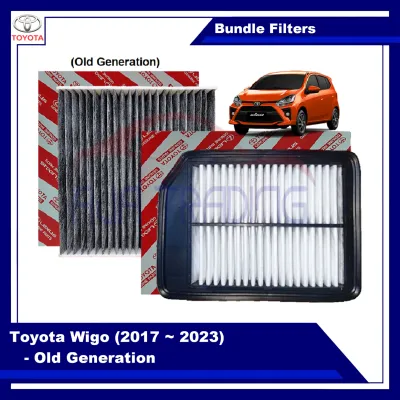
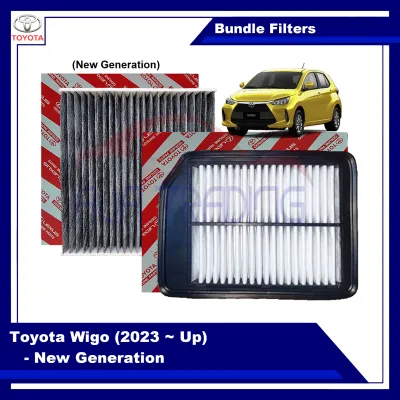
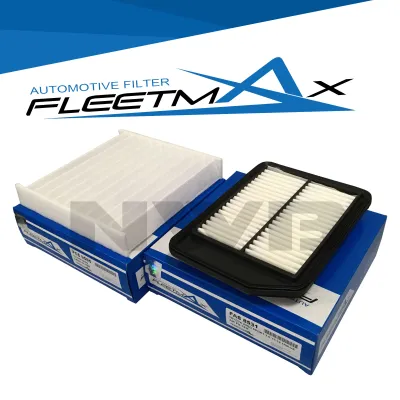
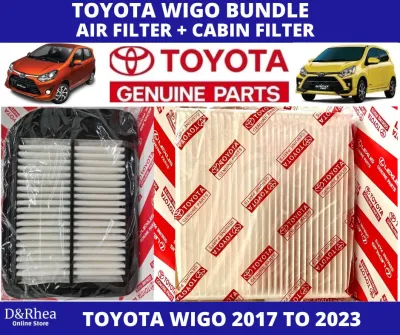
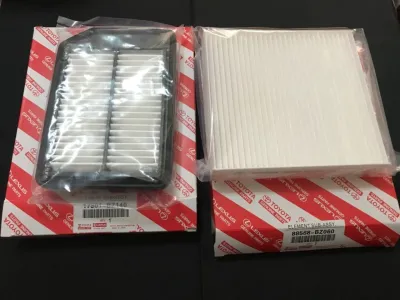
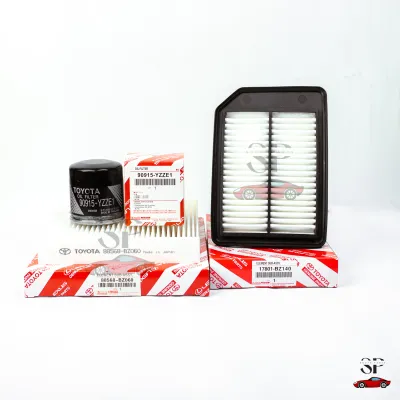

Prices are valid at publication and may change. Please refer to the product page for the latest price.
Opting to purchase these two filters as a bundled combo offers several distinct advantages. First, buying a toyota wigo air filter combo is highly cost-effective. Online auto parts stores and local distributors frequently offer package deals that are cheaper than purchasing each filter individually. Second, ordering a combo saves on shipping fees, as both items are packaged and delivered together. Finally, replacing both filters simultaneously simplifies your vehicle’s maintenance tracking. When you service both filtration systems at the same time, you establish a clear, synchronized schedule that ensures neither the engine nor the passengers are subjected to compromised air quality.
OEM vs. Aftermarket: Choosing the Right Filter Brands
When shopping for a toyota wigo air filter combo, vehicle owners must choose between Genuine Toyota (OEM) parts and reputable aftermarket alternatives. Each option presents specific trade-offs regarding cost, availability, and performance.

Genuine Toyota filters are the original equipment manufacturer parts designed specifically for the Wigo. These filters offer guaranteed compatibility, exact dimensions, and adherence to Toyota’s strict quality standards. For owners of newer Wigo models that are still covered by the manufacturer’s warranty, choosing OEM filters is highly recommended. Using genuine parts eliminates any risk of fitment issues or potential warranty disputes with the dealership. However, OEM filters are typically the most expensive option on the market, and finding them outside of official dealerships can sometimes be challenging in remote areas.
On the other hand, reputable aftermarket brands like Denso, Bosch, and Vic offer excellent alternatives that often match or exceed OEM specifications at a more accessible price point.
- Denso: As a major global supplier of automotive components, Denso filters are highly regarded for their precise fitment and reliable filtration media. In many cases, Denso is the actual manufacturer of the OEM parts, making their aftermarket filters an identical match to the genuine Toyota versions but at a lower cost.
- Bosch: Bosch is known for incorporating advanced filtration technology into their products. Their cabin filters often feature multi-layer designs or electrostatic properties that excel at capturing fine particulate matter (PM2.5), which is highly beneficial for drivers in heavily polluted urban areas.
- Vic: A Japanese brand with a long-standing reputation in the Philippine automotive market, Vic filters are widely praised for their double-filtration technology and structural durability. They are readily available in almost every local auto supply shop, making them a highly convenient choice.
When deciding between these options, consider a simple framework. If your Wigo is brand new and under warranty, prioritize Genuine Toyota filters to maintain a spotless service record. If you own an older, out-of-warranty Wigo and are looking for cost-effective maintenance, established aftermarket brands like Denso, Bosch, or Vic provide outstanding value. However, you must avoid unbranded or suspiciously cheap filters often found on online marketplaces. These low-cost imitations frequently use thin, single-layer paper media that can easily tear, clog rapidly, or allow harmful debris to pass directly into your engine or cabin.
Typical price bands reflect these differences. Genuine OEM filter combos generally range from ₱1,200 to ₱2,500 depending on the model year, while reputable aftermarket combos from Denso or Vic usually cost between ₱400 and ₱1,000.
How to Verify Compatibility Before Buying Online
Before purchasing a toyota wigo air filter combo online, verifying compatibility with your specific vehicle variant is absolutely essential. The Toyota Wigo has undergone several updates and generational shifts since its introduction to the Philippine market, and filter dimensions can vary significantly between models.
The Wigo has three distinct generations in the Philippines:
- First Generation (2014–2019): Typically equipped with the 1.0-liter 1KR-DE or the early 1KR-VE three-cylinder engines. These models use specific airbox dimensions that differ from later facelifts.
- Second Generation / Facelift (2020–2023): While retaining the 1.0-liter engine, minor updates to the engine bay layout and cabin design mean that certain filter dimensions must be verified against the exact manufacturing year.
- Third Generation (2023–present): Built on a completely new platform, the latest Wigo features updated engine components and a redesigned interior, meaning filters designed for older models will not fit.
To ensure a perfect fit, always cross-reference the original equipment (OE) part numbers. You can find these numbers printed on the plastic frame of your current filters or listed in your vehicle’s owner’s manual. If the numbers are illegible, you can use your vehicle’s chassis number (VIN) to confirm the exact part requirements with an authorized parts dealer.
When shopping on e-commerce platforms, evaluate sellers carefully. Look for official brand stores or highly rated automotive specialty shops with positive customer feedback. Avoid listings with generic descriptions that claim to fit “all Wigo models” without specifying the years. Before checking out, send a direct message to the seller containing your Wigo’s exact model year, engine displacement (e.g., 1.0L), and trim level (such as E, G, or CVT). A reputable seller will gladly verify the compatibility of their stock against your vehicle details, saving you the hassle of returning incorrect parts.
Step-by-Step Guide to Replacing Your Wigo’s Air Filters
Replacing both the engine and cabin air filters on a Toyota Wigo is a straightforward, low-risk DIY task that requires no specialized mechanical skills. By performing this maintenance yourself, you can save on labor costs at the service center.
Before beginning, ensure your vehicle is parked on a flat, level surface. Engage the handbrake firmly, turn off the engine, remove the keys from the ignition, and allow the engine bay to cool completely to avoid accidental burns. Always consult your vehicle’s owner’s manual and the replacement filter’s packaging instructions before starting. While these tasks are highly reversible, plastic components can become brittle over time due to engine heat. If any housing cover, clip, or fastener resists removal, stop immediately and consult a qualified professional to prevent cracking the housings.
Replacing the Engine Air Filter
The engine air filter is located inside a black plastic housing in the engine compartment. Follow these steps to replace it:
- Locate the Airbox: Open the hood and secure it with the prop rod. Locate the rectangular black plastic air intake box, usually positioned on the passenger side of the engine bay.
- Release the Clips: Depending on your Wigo's model year, the airbox cover is secured by two or more metal tension clips or plastic tabs. Carefully unclamp these clips by pushing them outward. Do not use excessive force or pry tools that could snap the plastic housing.
- Remove the Old Filter: Gently lift the airbox cover just enough to slide the old engine air filter out of the housing. Take note of the filter's orientation, paying attention to which side the angled corner or flat edge faces.
- Clean the Housing: Inspect the inside of the empty airbox. Use a clean, dry microfiber cloth to wipe away any loose dust, leaves, or insects. Avoid using wet cloths or chemical sprays, as moisture must not enter the engine intake tract.
- Install the New Filter: Insert the new filter into the housing. Ensure the rubber gasket around the edge of the filter sits perfectly flush within the grooves of the airbox. If the filter is not seated correctly, the cover will not close properly, and unfiltered air may bypass the filter.
- Secure the Cover: Lower the airbox cover back into position and re-engage the metal tension clips. Double-check that the cover is tightly sealed and does not wiggle.
Replacing the Cabin Air Filter
The cabin air filter is conveniently located inside the vehicle, tucked behind the glove compartment. Follow these steps to swap it out:
- Access the Glove Box: Open the passenger-side door and open the glove compartment fully. Empty any contents to prevent them from spilling.
- Remove the Glove Box: Locate the plastic stoppers on the left and right outer walls of the glove box. Gently squeeze both sides of the glove box inward to release these stoppers from the dashboard frame. Lower the glove box door completely, or pull it gently off its bottom hinges if designed to detach.
- Open the Filter Cover: Behind the glove box, you will see a horizontal, rectangular plastic cover. Pinch the locking tabs on the sides of this cover and pull it straight off to expose the cabin filter slot.
- Remove the Old Filter: Slide the dirty cabin air filter straight out of the slot. Be careful not to shake it, as accumulated dust and debris could fall into the blower motor fan below.
- Verify Airflow Direction: Inspect the new cabin air filter for an "UP" arrow or an "AIR FLOW" arrow printed on its side. If the filter has an "UP" arrow, install it with the arrow pointing toward the roof of the car. If it has an "AIR FLOW" arrow, install it pointing in the direction of the system's airflow (which is typically downward toward the floor in the Wigo).
- Reassemble: Slide the new filter into the slot, snap the plastic cover back on until you hear a click, and reattach the glove box by aligning the hinges and squeezing the sides to pop the stoppers back into place.
Maintenance Schedule and Warning Signs
Adhering to a regular maintenance schedule is essential for keeping your Toyota Wigo performing at its best. Under standard driving conditions, both the engine and cabin air filters should be replaced every 10,000 to 15,000 kilometers, or once every 12 months, whichever comes first.
However, driving conditions in the Philippines are often far from standard. Frequent stop-and-go traffic in congested cities, exposure to construction dust, coastal salt air, and heavy seasonal rains create a harsh environment for automotive filters. If you primarily drive in highly congested urban areas or frequently travel on unpaved rural roads, it is highly recommended to inspect your filters every 5,000 kilometers and replace them every 7,500 kilometers or every 6 months.
Be vigilant for observable warning signs that indicate your filters need immediate replacement:
- Engine Filter Warning Signs: You may notice a drop in fuel economy, sluggish throttle response during acceleration, a rough or vibrating idle, or a dark, heavily soiled filter element during a visual inspection.
- Cabin Filter Warning Signs: Common indicators include a noticeable reduction in airflow coming from the AC vents, a musty or sour smell when the air conditioning is turned on, or an unusually rapid accumulation of dust on your dashboard and interior surfaces.
To stay ahead of these issues, make it a habit to perform a quick visual inspection of both filters every time you change your engine oil. This proactive step ensures you catch dirty filters before they affect your vehicle’s performance or your health.
Frequently Asked Questions (FAQ)
Can I upgrade to an activated carbon cabin filter for my Wigo?
Yes, upgrading to an activated carbon cabin filter is a highly effective way to improve the air quality inside your Toyota Wigo. Unlike standard paper filters that only trap physical particles, activated carbon filters contain a layer of treated charcoal that chemically absorbs harmful exhaust gases, volatile organic compounds (VOCs), and unpleasant odors from traffic. This upgrade is particularly beneficial for city drivers who frequently deal with heavy diesel smoke. When upgrading, ensure the physical dimensions match your Wigo’s model year perfectly. Keep in mind that activated carbon filters may restrict airflow slightly more than standard filters and typically need to be replaced slightly more frequently to maintain their odor-neutralizing efficiency.
Does a DIY filter replacement void my vehicle’s warranty?
Performing a DIY filter replacement generally does not void your Toyota Wigo’s manufacturer warranty, as filters are classified as consumable maintenance items. However, you must ensure that you use high-quality OEM or equivalent aftermarket parts that meet factory specifications, and that you do not damage the airbox, clips, or surrounding engine and dashboard components during the installation process. To protect yourself against any potential warranty disputes, keep the purchase receipts for the filters and document the replacement date and current mileage in your vehicle’s maintenance logbook. If you are uncomfortable performing the replacement yourself, you can always bring the parts to a qualified professional mechanic.
Community discussion
Share your experience or ask a question. Comments are reviewed before publication.