
Choosing the best air filter for your Nissan Terra is one of the most straightforward yet critical maintenance decisions you can make to protect its turbodiesel engine. For most owners in the Philippines, the choice comes down to balancing the guaranteed fitment of an Original Equipment Manufacturer (OEM) Genuine Nissan filter against the cost savings or specialized filtration media offered by reputable aftermarket brands like Vic, Bosch, or Mahle. Because the Terra relies on a high-airflow turbocharger to feed its 2.5-liter engine, installing a filter that matches the exact physical dimensions and filtration efficiency specified by the manufacturer is vital. Selecting the right option depends on your vehicle’s warranty status, your typical driving environment, and your willingness to perform regular inspections.
Why the Right Engine Air Filter Matters for Your Nissan Terra
An engine air filter acts as the primary line of defense for your Nissan Terra’s powertrain. Its main function is to intercept and trap airborne contaminants—such as silica dust, road debris, soot, and organic matter—before they can enter the combustion chambers. If these particles bypass the filter, they can mix with engine oil to form an abrasive paste, causing rapid wear on cylinder walls, piston rings, and valves.
The Nissan Terra, particularly the widely popular 2.5-liter YD25DDTi inline-four turbodiesel variant, demands a massive and continuous volume of clean air to maintain optimal combustion. Turbocharged engines pull in air at much higher velocities than naturally aspirated engines. This high-suction environment means that even microscopic debris passing through a compromised filter can strike the fast-spinning compressor wheel of the turbocharger, causing micro-abrasions that eventually lead to premature turbo failure and expensive repairs.
Products mentioned in this guide
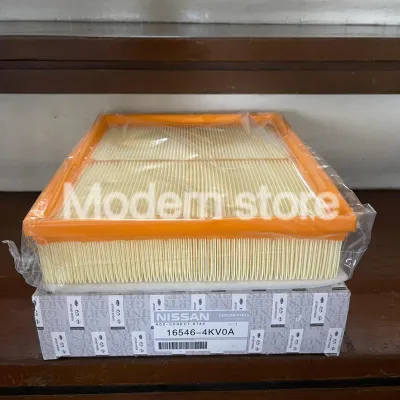
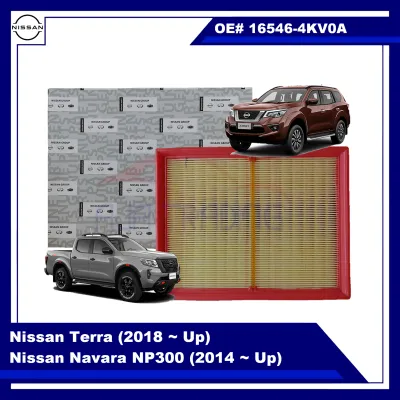
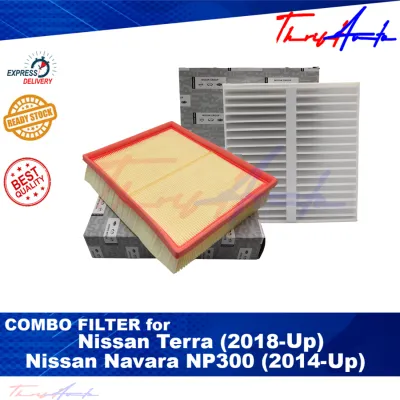
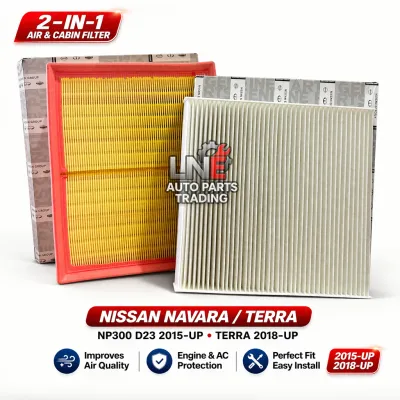
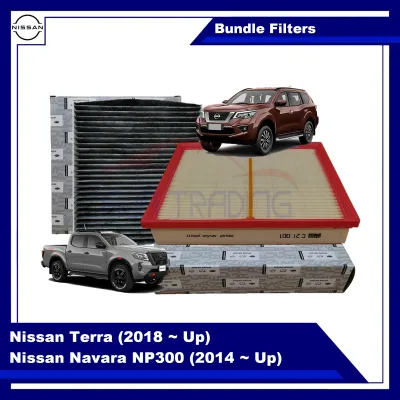
Prices are valid at publication and may change. Please refer to the product page for the latest price.
When an air filter becomes clogged or restricted, the engine must work significantly harder to draw in air. This restriction disrupts the precise air-fuel ratio managed by the vehicle’s Engine Control Unit (ECU). In a modern common-rail direct injection (CRDi) diesel engine, a restricted intake system typically manifests as sluggish throttle response, a noticeable drop in fuel economy, and increased exhaust gas temperatures, which can lead to excessive black smoke emissions during acceleration.
Operating conditions in the Philippines place unique, heavy demands on automotive filtration systems. Drivers frequently navigate highly congested urban corridors like Metro Manila, where vehicles are constantly exposed to concentrated diesel soot and fine particulate matter. Conversely, provincial travel often involves unpaved barangay roads, coastal paths, and active construction zones that kick up thick clouds of abrasive dust. Furthermore, the country’s high relative humidity and heavy monsoon rains can cause lower-quality paper filters to absorb moisture, leading to pleat deformation and severely restricted airflow.
OEM vs. Aftermarket: Choosing the Right Filter for Your Needs
Genuine Nissan (OEM) air filters are engineered to match the exact physical dimensions, structural requirements, and filtration standards established by the vehicle’s factory engineers. Choosing an OEM filter guarantees a perfect, airtight seal within the airbox and ensures the filtration media provides the precise balance of airflow and particle capture required by the YD25DDTi engine. For vehicles still covered under Nissan’s manufacturer warranty, using OEM filters during scheduled periodic maintenance services (PMS) at authorized dealerships provides complete peace of mind and eliminates any potential warranty disputes regarding engine wear.

Reputable aftermarket filters offer a highly viable alternative, often utilizing advanced synthetic or multi-layered media that can match or occasionally exceed OEM dust-holding capacity. Established global brands design their filters to meet strict industry standards, providing a reliable level of protection at a more accessible price point. These options are particularly attractive to owners of out-of-warranty Terras who want to optimize their maintenance budgets without compromising on engine safety.
When deciding between OEM and aftermarket, consider your vehicle’s current lifecycle stage and your operating model. If your Nissan Terra is still within its active warranty period, sticking strictly to Genuine Nissan filters is the most conservative and administrative-friendly path. For fleet operators, high-mileage drivers, or owners of older, out-of-warranty vehicles, high-quality aftermarket filters from trusted brands represent an excellent opportunity to reduce running costs while maintaining robust engine protection.
Avoid ultra-cheap, unbranded aftermarket filters commonly found on online marketplaces. These budget imitations often use thin, inconsistent paper media with large pore sizes that allow fine dust to pass directly into the engine. Additionally, their rubber sealing gaskets are frequently prone to shrinking, warping, or cracking under intense engine bay heat, creating gaps that allow unfiltered “bypass” air to bypass the filter element entirely.
Key Quality Indicators to Check Before Buying
When evaluating an air filter, the quality of the filtration media is the most critical factor. High-quality filters feature a high pleat density, meaning the paper or synthetic material is folded tightly and uniformly. Uniform pleats maximize the total surface area available for capturing dirt, allowing the filter to hold a larger volume of contaminants before restricting airflow. Look for media that is evenly spaced and free of adhesive runs, thin spots, or visible pinholes when held up to a light source.
Another vital component is the sealing gasket, which forms the physical barrier between the filter and the airbox housing. Premium filters utilize high-grade polyurethane or supple, heat-resistant rubber gaskets that remain flexible over time. This flexibility is essential for maintaining a continuous, airtight seal despite constant engine vibrations and extreme temperature fluctuations under the hood. Avoid filters with stiff, plastic-like borders that cannot compress properly, as they will inevitably allow dirty air to bypass the filter.
Because the turbodiesel engine in the Nissan Terra generates strong suction, the air filter must possess sufficient structural support to prevent it from collapsing. Quality filters incorporate design reinforcements such as metal or plastic backing meshes, rigid outer frames, or specialized hot-melt adhesive beads running across the pleats. These reinforcements keep the pleats stable and prevent the media from warping, tearing, or bowing inward under heavy throttle load.
If you are purchasing your replacement filter from a physical auto supply shop, take a moment to remove the filter from its packaging and inspect these physical characteristics yourself. Flex the gasket to check its resilience and examine the pleats for uniform spacing. When shopping online, carefully review high-resolution product images, check customer-uploaded photos in reviews, and read detailed technical specifications rather than relying solely on generic compatibility claims.
Filter Types and Reputable Brands to Evaluate
Standard cellulose (paper) filters are the traditional industry standard and serve as the baseline for most daily-driven vehicles. These filters consist of resin-impregnated wood pulp fibers that provide reliable filtration efficiency under standard road conditions. While highly cost-effective, standard cellulose filters are sensitive to moisture absorption and must be replaced regularly, as they cannot be cleaned or washed.
Synthetic and multi-layer media filters are engineered for more demanding environments, combining synthetic fibers (such as polyester) with traditional cellulose. This multi-layer construction allows for gradient filtration, where larger particles are trapped on the outer layers and finer dust is captured deeper within the media. Synthetic filters offer superior moisture resistance, making them highly suitable for the humid, tropical climate of the Philippines, and typically maintain stable airflow even when heavily loaded with dust.
High-flow and performance filters, often constructed from layers of cotton gauze or specialized dry synthetics, are designed to minimize air restriction and maximize flow. While appealing to enthusiasts seeking minor performance gains, they present clear trade-offs. Oiled cotton gauze filters require periodic cleaning and re-oiling; however, if over-oiled, the excess oil can easily migrate down the intake tract and coat the delicate hot wire of the Mass Air Flow (MAF) sensor. This contamination causes erroneous sensor readings, leading to poor engine performance, hesitation, and check engine lights. For safety and reliability, dry high-flow synthetic filters are generally preferred over oiled variants if you choose to deviate from standard media.
When researching aftermarket brands, focus on globally recognized manufacturers with proven track records in filtration technology:
- Vic: A highly respected Japanese brand widely distributed in the Philippines, known for producing reliable, OEM-equivalent filters that offer excellent value and precise fitment for Japanese SUVs like the Terra.
- Bosch: A global leader in automotive technology, Bosch filters feature high-quality filtration media and robust sealing gaskets designed to meet strict international standards.
- Mahle and Mann-Filter: Renowned European manufacturers that supply OEM filters to many global automotive brands, offering premium construction and exceptional dust-holding capacity.
Always consult the manufacturer’s official application catalog or cross-reference database to verify the exact part number for your Nissan Terra’s specific model year and engine variant before purchasing.
How to Verify Fitment and Avoid Counterfeit Parts
The most reliable way to ensure a replacement filter fits your Nissan Terra is to cross-reference the part number. Locate the OEM part number printed on the plastic frame of your current factory-installed filter, or consult the maintenance section of your vehicle’s owner’s manual. When purchasing an aftermarket filter, verify that the manufacturer’s catalog explicitly lists their part number as a direct replacement for that specific Nissan OEM number.
The popularity of the Nissan Terra in the Philippines has made it a target for counterfeit parts, particularly on online marketplaces. To spot a fake, inspect the packaging closely: look for blurry printing, misspelled words, or low-quality cardboard. Genuine filters typically feature clear, crisp labeling, holographic security stickers, and robust, well-defined rubber gaskets. An unusually low price—such as a “Genuine Nissan” filter sold for a fraction of the dealership price—is a strong indicator of a counterfeit product.
To protect your engine, source your filters only from authorized Nissan dealerships, well-established local physical auto parts stores, or official flagship brand stores on trusted online platforms. Avoid buying from unverified third-party online sellers who offer no return policies, lack customer reviews, or ship products in generic, unmarked packaging.
Inspection and Replacement Guidelines for Terra Owners
Regularly inspecting your air filter allows you to monitor its condition before performance issues arise. To inspect the filter, carefully unclip the airbox cover, lift it slightly, and slide the filter element out. Hold the filter up to a bright light source; if light cannot penetrate the pleats due to heavy dirt build-up, or if you observe physical damage, tears, or oil contamination, the filter must be replaced. While you can gently tap a dry paper filter against a clean surface to dislodge loose leaves or surface dust, never attempt to wash, blow out with high-pressure compressed air, or apply liquids to a standard cellulose filter, as this destroys the microscopic structure of the media.
Under normal driving conditions, follow the replacement interval specified in your Nissan Terra’s owner’s manual (typically every 20,000 to 40,000 kilometers, with inspections every 10,000 kilometers). However, if you frequently operate your vehicle in severe conditions—such as navigating dusty provincial roads, driving off-road, or enduring prolonged idling in heavy urban traffic—you should inspect the filter every 5,000 kilometers and replace it as soon as visual clogging is evident.
Replacing the air filter on a Nissan Terra is a simple DIY task. Ensure the engine is switched off and cool. Locate the airbox on the side of the engine bay, release the retaining clips, gently lift the cover, remove the old filter, clean any loose debris from the bottom of the airbox using a damp cloth (ensuring no debris falls into the clean side of the intake), insert the new filter making sure the gasket seats perfectly in the groove, and re-secure the clips.
If you notice that the airbox housing is cracked, the intake tube is loose or damaged, or if you are unsure whether the filter has seated correctly to form a complete seal, stop immediately. Operating the engine with a compromised intake tract can lead to catastrophic engine damage from unfiltered air ingestion. In such cases, consult a qualified professional mechanic to inspect and repair the intake assembly.
Frequently Asked Questions (FAQ)
Can I use a cabin air filter in place of an engine air filter?
No, cabin air filters and engine air filters serve entirely different purposes and are not interchangeable. A cabin air filter is designed to clean the air entering the vehicle’s passenger cabin through the heating, ventilation, and air conditioning (HVAC) system, capturing pollen, dust, and odors. An engine air filter is specifically engineered to handle the massive volume of high-velocity airflow required by the engine’s combustion process while withstanding high under-hood temperatures and pressures.
Will an aftermarket air filter void my Nissan Terra warranty?
Using a high-quality aftermarket air filter that meets or exceeds OEM specifications does not automatically void your Nissan Terra’s warranty. Under standard consumer protection principles, a manufacturer cannot deny a warranty claim unless they can prove that the aftermarket part directly caused the specific failure in question. To protect yourself, always purchase reputable brands, ensure the filter is catalog-certified for your exact vehicle model, keep all purchase receipts, and consult your authorized Nissan dealer’s warranty documentation for specific local terms.
How often should I check the air filter if I frequently drive off-road?
If you frequently drive your Nissan Terra off-road, on unpaved provincial roads, or through dusty construction zones, you should visually inspect your engine air filter every 5,000 kilometers or immediately after any major off-road trip. Dusty environments can clog filtration media much faster than standard highway driving, and proactive replacement is essential to maintain engine performance and prevent premature wear on your turbocharger.
Community discussion
Share your experience or ask a question. Comments are reviewed before publication.