
Deep interior detailing requires a systematic approach and material-specific automotive cleaning products rather than a single, all-purpose solution. The cabin of a modern vehicle is a complex assembly of diverse surfaces, including delicate leather, textured vinyl, soft-touch plastics, woven fabrics, and heavy-duty carpets. To achieve a true deep clean without causing permanent damage, you must select specialized formulas designed to target specific contaminants while respecting the chemical tolerances of each surface. Using the wrong product can lead to faded plastics, dried-out leather, or stripped protective coatings, turning an intended upgrade into an expensive repair.
A successful detailing project relies on understanding how different chemical formulations interact with these varied materials. By matching the correct pH levels, surfactant types, and protective agents to each component of your car’s cabin, you can safely lift embedded dirt, eliminate stubborn odors, and restore a factory-fresh appearance. This guide breaks down the essential criteria for selecting high-quality interior detailing products, categorizes the must-have formulations for every surface, and outlines a professional step-by-step workflow to ensure safe and efficient application.
How to Choose the Right Interior Cleaning Products
Selecting the right automotive cleaning products requires a careful balance of chemical safety, material compatibility, and budget. The first and most critical factor is material safety. Modern car interiors feature sensitive materials that react poorly to harsh chemicals. For instance, leather requires strictly pH-neutral cleaners to preserve its natural oils and prevent premature drying, cracking, or peeling. Conversely, hard plastics and vinyl surfaces can tolerate mild surfactants but are easily damaged by corrosive solvents, which can strip away the factory-applied matte finishes and leave behind unsightly white stains or sticky residues.
Products mentioned in this guide
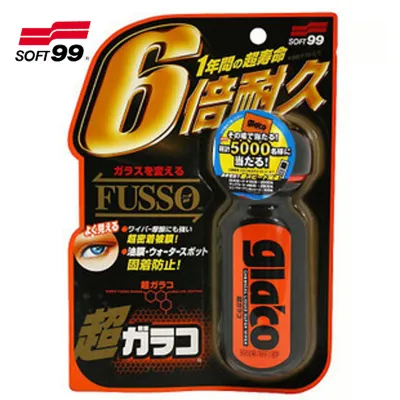
14 Lazada user ratings
Used a bottle before. Very very effective. Specially after using Glaco Z glass compound.
After using it, the glass is exceptionally clear and the visibility is very sharp.
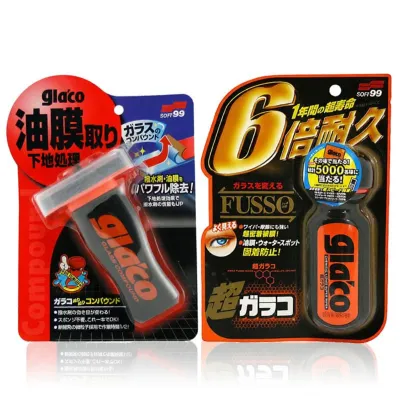
16 Lazada user ratings
This product can be used on various surfaces including glass, making sure that the visibility of your car is effective. It might make your g…Read full reviewShow less
This product can be used on various surfaces including glass, making sure that the visibility of your car is effective. It might make your glass water resistant , making your glass stay clear and free from dirt
The products can be used on various surfaces including glass and makes our glass dirt resistance and clean. It can makes the glass clean and…Read full reviewShow less
The products can be used on various surfaces including glass and makes our glass dirt resistance and clean. It can makes the glass clean and free from water spots
Came in a box. Well packed. Yet to apply on my windshield.
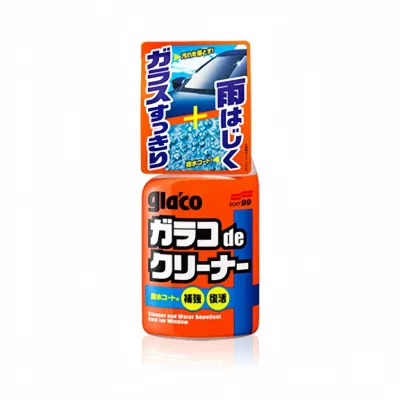
Prices are valid at publication and may change. Please refer to the product page for the latest price.
Another essential consideration is the chemical behavior of the product after application. High-quality detailing products are formulated to leave a residue-free finish. Cheap or improper cleaners often leave behind oily, sticky, or highly reflective films that attract dust and dirt, rapidly undoing your hard work. Furthermore, because car interiors are enclosed spaces with limited airflow, prioritizing low-volatile organic compound (low-VOC) formulas with mild or neutral odor profiles is vital for occupant health. Strong chemical fumes can linger in seat cushions and headliners, causing headaches or respiratory discomfort long after the detailing process is complete.
Before purchasing or applying any new chemical, always verify the manufacturer labels and check your vehicle’s warranty conditions. Many modern vehicles feature specialized factory coatings on touchscreens, instrument clusters, and synthetic leather surfaces that can be permanently ruined by alcohol, ammonia, or strong detergents. Reading the product instructions carefully ensures that you do not accidentally strip these protective layers.
Understanding price tiers can also help you budget effectively for a complete detailing kit. Basic aerosol sprays and entry-level multi-surface cleaners typically cost around ₱300 and are suitable for light maintenance or spot cleaning. However, for a true deep detail, investing in professional-grade extraction chemicals, specialized fabric shampoos, and premium two-step leather restoration kits is often necessary. These advanced formulations, which can exceed ₱2,500 for a complete set, offer superior concentration, safer chemical profiles, and longer-lasting protection, making them a more cost-effective choice in the long run for preserving your vehicle’s resale value.
Essential Product Types for a Complete Interior Detail
To achieve professional-grade results, you must move away from the concept of a single “all-in-one” cleaner and instead build a condition-based shortlist of specialized products. Every material in your car’s cabin has unique physical properties and reacts differently to moisture, agitation, and chemical agents. A product that effectively dissolves grease on a plastic dashboard could easily discolor a delicate fabric headliner or dry out a leather steering wheel.

By separating your detailing arsenal into dedicated product categories, you ensure that each surface receives the exact chemical treatment it needs to release dirt without structural or cosmetic compromise. While multi-purpose cleaners have their place for quick emergency wipe-downs, a deep detail demands a targeted approach. The following sections outline the essential product types required to address every major surface inside your vehicle.
Upholstery and Fabric Cleaners
Cloth seats, seatbelts, and fabric headliners require specialized upholstery cleaners that can penetrate woven fibers to release trapped dirt, sweat, and oils. When selecting a fabric cleaner, you must choose between foaming aerosols and liquid extraction concentrates. Foaming aerosols are ideal for light surface soil and delicate areas like headliners, where excess moisture must be avoided to prevent the adhesive backing from failing. The thick foam sits on the surface, lifting dirt outward without oversaturating the underlying cushion.
For deep-set stains, mud, or heavily soiled seats, liquid cleaners designed for extraction are far more effective. Many of these modern formulas utilize encapsulation technology. This chemical process involves surfactants that surround and suspend dirt particles as they dry, crystallizing them into microscopic polymers that can be easily vacuumed away. This prevents the dirt from settling back into the fabric fibers during the drying phase.
Before applying any fabric cleaner, it is crucial to verify its compatibility with any factory-applied stain-resistant coatings. Harsh, highly alkaline cleaners can strip these protective barriers, leaving your seats highly vulnerable to future spills. Look for fabric-specific formulas that explicitly state they are safe for treated textiles, and always use soft-bristle upholstery brushes to agitate the cleaner gently without fraying the woven threads.
Leather Cleaners and Conditioners
Leather is an organic material that requires specialized care to maintain its strength, flexibility, and luxurious texture. The most critical rule when choosing leather care products is to select pH-balanced formulas. Standard household soaps and harsh degreasers are highly alkaline, which strips the natural moisture and protective topcoats from automotive leather, leading to rapid drying, cracking, and color fading.
When evaluating products, you will encounter both all-in-one clean-and-condition formulas and dedicated two-step systems. All-in-one products are convenient for routine maintenance of lightly soiled leather, but they are generally less effective for deep detailing. A two-step system—consisting of a dedicated, non-stripping leather cleaner followed by a separate, deep-penetrating conditioner—is highly recommended for neglected or heavily soiled leather. The cleaner opens the pores of the leather and lifts embedded body oils and dirt, while the conditioner replenishes essential lipids to keep the material supple.
Additionally, pay close attention to the aesthetic finish of the product. High-quality leather conditioners should deliver a natural matte or satin finish that mimics the look of a brand-new vehicle. Avoid cheap, silicone-heavy products that leave a greasy, high-gloss shine. These glossy coatings not only look unprofessional but also make surfaces like steering wheels and gear shifts dangerously slippery and prone to attracting dust.
Dashboard and Trim Detailers
The dashboard, door panels, and plastic trim pieces are constantly subjected to harsh environmental conditions. In the tropical climate of the Philippines, intense sun exposure and high cabin temperatures can rapidly accelerate the degradation of vinyl and soft-touch plastics, leading to fading, warping, and cracking. Therefore, the most critical feature to look for in a dashboard detailer is robust UV protection. High-quality protectants act as a sunscreen for your interior, blocking harmful ultraviolet rays that break down plastic polymers.
In addition to UV blockers, premium trim detailers should feature anti-static properties. These formulations leave behind a microscopic, non-greasy barrier that repels dust and lint, keeping your dashboard cleaner for longer and making subsequent maintenance wipe-downs much easier. This is particularly beneficial in dusty urban environments or during dry seasons when airborne particles easily enter the cabin.
When selecting a dressing or protectant, opt for formulas that dry completely to a natural, matte finish. Greasy, high-gloss dressings should be avoided at all costs. Not only do they attract dust like a magnet, but they also create a highly reflective surface on top of the dashboard. This reflection can bounce off the inside of the windshield, creating a dangerous glare that severely impairs your forward visibility, especially when driving directly into the sun or under bright streetlights.
Carpet and Floor Mat Shampoos
Car floor mats and carpets bear the brunt of outdoor debris, absorbing mud, wet-season moisture, spilled drinks, and ground-in dirt. Cleaning these areas requires heavy-duty carpet shampoos that can break down tough, oily soils without damaging the synthetic fibers. The choice of shampoo depends largely on your cleaning method: high-foam formulas are designed for manual agitation with stiff-bristle brushes, while low-foam formulas are specifically engineered for mechanical hot-water or cold-water extraction machines to prevent the vacuum motor from clogging with suds.
For organic stains, such as spilled coffee, food drops, or pet accidents, look for carpet shampoos that incorporate enzymatic cleaners. These biological formulas contain active enzymes that target and break down the specific proteins and starches in organic waste, neutralizing odors at their chemical source rather than simply masking them with heavy artificial fragrances.
The most critical phase of carpet cleaning is the extraction and drying protocol. Car carpets are backed by thick foam padding that can trap moisture for days if not properly dried. If you leave the carpet damp, it creates a perfect breeding ground for mold, mildew, and sour odors that are incredibly difficult to eradicate. Always use a wet-dry vacuum to extract as much moisture as possible, and ensure the vehicle is left open in a well-ventilated area until the floor is completely dry to the touch.
Step-by-Step Workflow for Using Interior Detailing Products
To maximize the efficiency of your automotive cleaning products and prevent damage, you must follow a logical, structured workflow. Detailing should always proceed in a top-to-bottom and dry-to-wet sequence. By starting at the top of the cabin—such as the headliner, sun visors, and upper pillar trim—and working your way down to the dashboard, seats, and finally the carpets, you ensure that any dust, debris, or chemical overspray that falls downward is cleaned up in the subsequent steps.
Before applying any chemical to a visible surface, perform a spot-test in an inconspicuous area, such as the underside of a seat or a hidden corner of the door panel. Apply a small amount of the product, agitate gently, and wipe it clean. Check for any signs of color bleeding, surface discoloration, or texture changes. This simple safety check can save you from costly mistakes on rare or sensitive interior materials.
Matching the right agitation tools to your products is equally important. For delicate areas like air vents, infotainment screens, and steering wheel buttons, use soft-bristle detailing brushes to gently dislodge dust without scratching. For leather and vinyl, a medium-soft horsehair brush provides enough agitation to clean textured surfaces safely. Stiff nylon brushes should be reserved strictly for durable carpets and rubber floor mats. When wiping away product residue, always use clean, high-quality microfiber towels, folding them frequently to ensure you are always using a clean face.
Finally, never underestimate the importance of ventilation and drying. When working with chemical cleaners, keep all car doors and windows wide open to ensure a continuous flow of fresh air. This not only protects you from inhaling concentrated chemical vapors but also accelerates the evaporation of moisture from fabrics and carpets. Do not close the vehicle doors or park it in a closed garage until you are absolutely certain that every fabric fiber, leather pore, and carpet pad is completely dry.
Frequently Asked Questions (FAQ)
Can I use household cleaners instead of automotive cleaning products?
No, using household cleaners on your car’s interior is highly discouraged due to the risk of permanent material damage. Many household glass cleaners contain ammonia, which can chemically destroy aftermarket window tint films, turn them purple, and dry out adjacent vinyl dashboards. Similarly, common household multi-surface degreasers are highly alkaline and lack the delicate chemical balance required for automotive cabins; they can strip the essential natural oils from leather, leading to premature cracking, and can dissolve the protective matte coatings on modern plastics. Furthermore, household formulas lack the specialized UV inhibitors and anti-static agents that automotive-specific products provide to protect your cabin from sun damage and dust accumulation.
How often should I deep clean my car interior?
For a standard daily driver, a comprehensive deep interior detail should be performed every four to six months to prevent dirt buildup and protect materials from long-term wear. This deep clean should be supplemented by quick, routine weekly wipe-downs to remove surface dust and immediate spills. However, you should adjust this frequency based on your specific usage patterns. If you frequently transport pets, drive in dusty or off-road conditions, carry young children, or live in a highly humid tropical environment, shortening the interval to every two to three months will help prevent mold growth, stubborn stains, and deep-seated odors from taking hold.
Community discussion
Share your experience or ask a question. Comments are reviewed before publication.