
Quick Answer: Which Big Disc Brand Should You Choose?
Choosing the best big disc brake upgrade for your Honda Click V3 depends heavily on your budget, riding conditions, and willingness to invest in supporting hardware. For daily commuters navigating the congested streets of Metro Manila or the steep, winding roads of Rizal and Benguet, reputable regional brands like Racing Boy (RCB) or TDR offer highly reliable, cost-effective kits that balance durability with straightforward installation. These kits typically include matched brackets and are designed to work seamlessly with local road conditions.
If your riding style involves spirited weekend touring, high-speed highway stretches, or demanding downhill descents where extreme heat dissipation is non-negotiable, premium performance brands such as Brembo or specialized floating rotor manufacturers represent the gold standard. Conversely, budget-focused riders must exercise extreme caution with unbranded or generic imports widely sold on online marketplaces. Without verified metallurgy and precise bracket alignment, these low-cost options pose significant safety risks that can lead to sudden braking failure.
Why Upgrade to a Big Disc on the Honda Click V3?
Upgrading the stock front brake disc on the Honda Click V3—which typically measures 190mm in diameter—to a larger rotor (such as 220mm or 260mm) is one of the most effective ways to enhance stopping power. The primary mechanical benefit lies in the physics of leverage. By increasing the radius of the brake disc, the caliper grips the rotor further from the wheel axle, generating substantially more braking torque with the same amount of hand pressure applied to the brake lever. This added stopping power is particularly valuable for riders who frequently carry heavy pillion passengers, transport delivery loads, or navigate steep downhill descents where stock brakes can feel strained.
Products mentioned in this guide
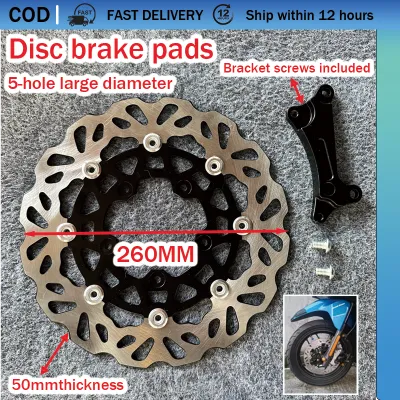
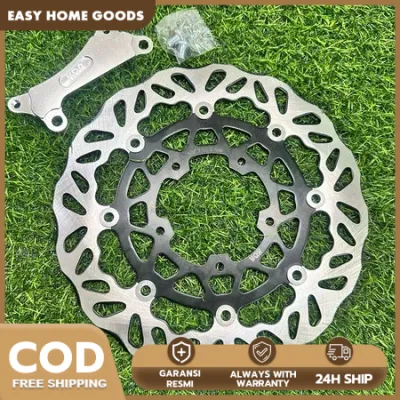
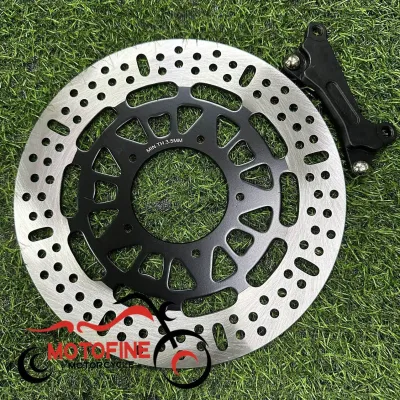
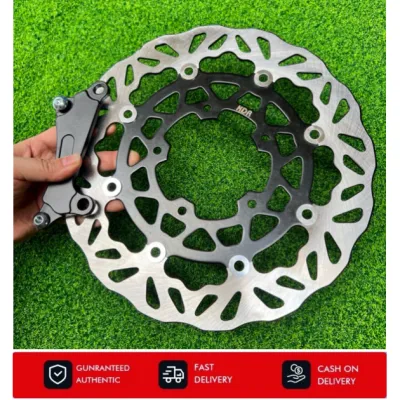
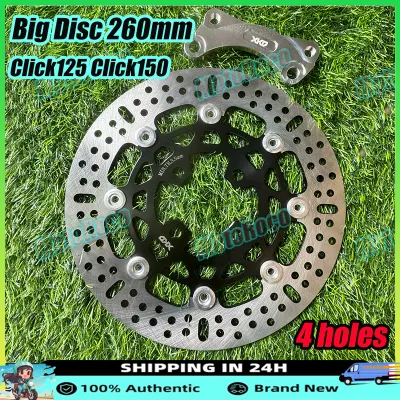
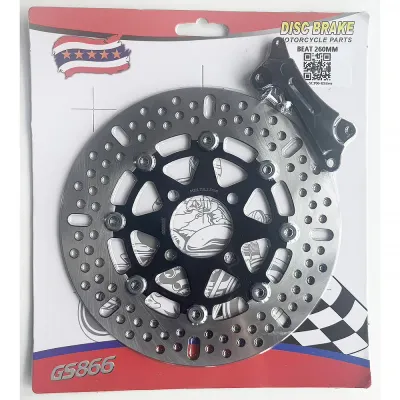
Prices are valid at publication and may change. Please refer to the product page for the latest price.

Another critical advantage of a larger rotor is improved thermal management. During prolonged braking, kinetic energy is converted into intense heat through friction between the brake pads and the rotor. A larger disc provides a greater surface area to dissipate this heat into the surrounding air, significantly reducing the operating temperature of the entire braking system. Keeping temperatures low prevents brake fade—a dangerous condition where the brake fluid heats up to its boiling point, causing the brake lever to feel spongy and drastically reducing stopping efficiency.
However, riders must understand that a big disc upgrade is not a direct, plug-and-play modification. Because the new rotor has a larger diameter, the brake caliper must be relocated further outward to align correctly with the outer edge of the disc. This adjustment requires a precisely engineered caliper relocation bracket, often referred to as an adapter. If this bracket is not machined to exact tolerances, the brake pads will not make full, even contact with the rotor face, resulting in rapid pad wear, severe wheel vibration, and a compromised contact patch that undermines the safety benefits of the upgrade.
Key Comparison Dimensions for Big Disc Brands
When evaluating different big disc brands for the Honda Click V3, you must look beyond aesthetics and focus on specific engineering criteria to ensure safety and longevity.
Material and Build Quality
The metallurgy of the brake disc is the most critical factor determining its resistance to warping and wear. High-quality aftermarket rotors are typically constructed from high-carbon stainless steel, which offers excellent friction characteristics, high tensile strength, and superior resistance to thermal deformation compared to cheaper steel alloys. Additionally, you must choose between fixed and floating rotor designs. Fixed rotors are made from a single piece of metal, making them rigid and cost-effective. Floating rotors, on the other hand, consist of an outer friction ring connected to an inner aluminum hub by metal bobbins. This floating design allows the outer ring to expand and contract independently as it heats up, preventing warping under extreme thermal stress and maintaining consistent pad contact.
Rotor Design and Cooling Efficiency
The physical pattern on the rotor face plays a major role in wet-weather performance and heat dissipation. Slotted and drilled designs are highly effective at channeling away water, brake dust, and outgassed vapors that can build up between the pad and the disc. In a tropical climate like the Philippines, where sudden torrential downpours are common, efficient water dispersion is vital for maintaining immediate wet-weather bite. Wave-shaped outer profiles further assist in shedding debris while reducing unsprung weight, though you must verify that the overall thickness of the disc (typically between 3.0mm and 4.0mm) meets or exceeds the manufacturer’s wear limits.
Fitment and Hardware Integration
A high-quality big disc upgrade should ideally be sold as a complete, vehicle-specific kit. This means the package should include a caliper relocation bracket specifically machined for the Honda Click V3’s fork mountings and the exact rotor diameter you have selected. The mounting hardware is equally critical; look for kits that supply high-tensile steel bolts (Grade 8.8 or higher) and precision spacers. Sourcing these components separately or using generic brackets increases the risk of misalignment, thread stripping, or bolt shear under heavy braking loads.
Price and After-Sales Support
In the Philippine market, big disc kits vary widely in price, ranging from approximately ₱1,200 for basic entry-level setups to over ₱8,000 for premium floating systems. While it is tempting to choose the lowest price, you must consider the long-term availability of replacement parts, specifically brake pads that match the rotor’s friction profile. Reputable brands maintain consistent distribution networks, ensuring you can easily purchase compatible replacement pads and hardware from local motorcycle shops when the time comes for routine maintenance.
Evaluating Brake Disc Options for the Click V3
To make an informed decision, it is helpful to categorize the available options into three distinct tiers based on performance, manufacturing standards, and price.
Premium Aftermarket Performance Brands
Premium brands like Brembo, Moto3, or high-end European and Taiwanese racing manufacturers cater to riders who demand absolute precision and maximum thermal capacity. These brands utilize advanced CNC-machining processes and high-grade materials, such as billet aluminum for the inner carriers of their floating discs and specialized high-carbon steel alloys for the outer rings. The relocation brackets included in these premium kits are typically milled from aircraft-grade 6061-T6 aluminum, ensuring exceptional rigidity and perfect alignment under extreme stress.
While these setups deliver unparalleled braking feel and heat management, their high price point (often exceeding ₱6,000) means they are best suited for performance enthusiasts, track riders, or those who frequently ride in demanding mountainous terrains. For everyday urban commuting, the performance limits of these premium discs may exceed what is practically required, making them an aesthetic luxury rather than a functional necessity for some.
Reputable OEM-Style and Regional Brands
For the vast majority of Honda Click V3 owners in the Philippines, regional aftermarket brands like Racing Boy (RCB), TDR, Mutarru, and JRP offer the most balanced upgrade path. These brands have a massive presence in Southeast Asia and design their products specifically for local road conditions and popular scooter models. RCB and TDR, for instance, produce dedicated 220mm and 260mm big disc kits that bolt directly onto the Click V3’s standard 4-hole hub pattern without modification.
Their relocation brackets are robust, and the rotors are manufactured to strict quality control standards, providing a noticeable increase in stopping power and excellent durability for daily commuting. Priced comfortably between ₱1,800 and ₱3,500, these regional options represent a highly practical investment, offering reliable performance, widespread local availability, and easy access to compatible replacement brake pads.
Budget and Unbranded Options
The lower end of the market is flooded with unbranded, generic, or replica big discs sold at incredibly low prices, often under ₱1,000 on various online marketplaces. While the low cost and flashy anodized colors can be appealing, these products carry severe safety risks that every rider must understand. Unbranded rotors are frequently manufactured from low-grade steel alloys that lack proper heat treatment, making them highly susceptible to warping, cracking, or rapid wear under moderate thermal loads.
Furthermore, the included relocation brackets are often made from cheap cast aluminum, which can bend or snap under the sudden hydraulic forces of emergency braking. If you are considering a lower-cost option, you must physically inspect the components before installation: use a micrometer to verify the rotor thickness is consistent, measure the lateral runout to ensure the disc is perfectly flat, and carefully check that the bracket mounting holes align with your Click V3’s fork legs without requiring forced installation or modification.
Critical Safety and Installation Boundaries
Modifying your motorcycle’s braking system is a high-stakes upgrade that directly impacts your safety, vehicle dynamics, and road legality. Because brakes are a critical safety system, any error during installation or component selection can lead to catastrophic mechanical failure, severe accidents, or injury. Therefore, it is highly recommended to have your big disc kit installed by a qualified, professional motorcycle mechanic who possesses the specialized tools and experience required for hydraulic brake systems.
If you choose to perform the installation yourself, you must consult your Honda Click V3’s original service manual for factory torque specifications and strictly adhere to the torque limits provided by the aftermarket disc manufacturer. Always use a calibrated torque wrench to tighten the rotor mounting bolts and caliper bracket bolts; under-tightening can cause the bolts to back out due to wheel vibration, while over-tightening can strip the threads in the aluminum wheel hub or fork legs. Additionally, apply a medium-strength thread-locking compound (such as blue Loctite) to the rotor bolts to prevent them from loosening over time.
Once the physical components are mounted, several critical verification steps must be completed before taking the motorcycle onto public roads:
- Wheel and Caliper Clearance: Spin the front wheel slowly by hand while the motorcycle is on a center stand. Check for any physical contact or rubbing between the larger rotor, the caliper relocation bracket, the brake caliper, and the inner side of your alloy wheels or front fender. This is especially important if you are using aftermarket wheels, which may have different offsets or spoke designs than the stock Click V3 wheels.
- Hydraulic System Bleeding: If you disconnected the brake line or upgraded the caliper during the installation, you must thoroughly bleed the hydraulic system to purge all air bubbles from the brake lines. Use only the brake fluid type specified on your stock reservoir cap (typically DOT 3 or DOT 4) from a freshly sealed container. A spongy brake lever indicates that air is still trapped in the system, which will drastically reduce your stopping power.
- Brake Pad Bedding-In: New rotors and brake pads must undergo a proper bedding-in (or burnishing) process to perform safely. Avoid hard, sudden stops for the first 50 to 100 kilometers of riding. Instead, make a series of gradual, controlled stops from moderate speeds (around 40 km/h down to 10 km/h) to allow the brake pads to wear evenly and transfer a thin, consistent layer of friction material onto the new rotor face.
- Warranty and Legality: Be aware that modifying your braking system with aftermarket parts can void portions of your Honda manufacturer's warranty. Ensure that all installed components comply with local land transportation regulations regarding vehicle modifications.
If at any point during or after the installation you notice unusual vibrations, scraping noises, uneven pad wear, or a spongy feeling when pulling the front brake lever, immediately stop riding the motorcycle and consult a professional mechanic to diagnose and rectify the issue.
Frequently Asked Questions (FAQ)
Do I need to change the brake caliper when installing a big disc?
While you can often reuse the stock Honda Click V3 single-piston caliper by using the relocation bracket included in most big disc kits, upgrading the caliper is highly recommended to fully realize the benefits of the larger rotor. A stock caliper paired with a larger disc will provide more stopping torque due to leverage, but it cannot increase the actual pad contact area. Upgrading to a high-quality dual-piston or four-piston aftermarket caliper (such as those from RCB or Nissin) increases the clamping surface area and pressure distribution, ensuring even pad wear and delivering a massive improvement in overall braking modulation and power.
Will a bigger brake disc affect my Honda Click V3's acceleration?
Installing a larger brake disc and a corresponding relocation bracket does add a small amount of unsprung and rotational mass to the front wheel assembly. Because this weight is located on a spinning component, it increases rotational inertia, which can theoretically cause a very minor reduction in initial acceleration and a marginal decrease in fuel efficiency. However, for everyday urban riding and commuting on the Click V3, this physical trade-off is virtually imperceptible, and the safety benefits of significantly improved stopping power and reduced brake fade far outweigh any negligible loss in acceleration.
How do I maintain a big disc brake system in wet or humid conditions?
Operating a big disc system in a tropical climate like the Philippines requires consistent maintenance to prevent performance degradation. Regularly clean the rotor face and caliper using a dedicated, label-authorized brake cleaner to remove accumulated road grime, mud, and abrasive brake dust. Inspect the non-contact areas of the rotor for surface rust, which can form quickly due to high humidity or exposure to coastal salt air; light surface rust on the friction swept area will naturally clean off during initial braking, but heavy corrosion on the mounting points should be addressed immediately. Finally, check your brake fluid level and color regularly, replacing it according to Honda’s recommended service intervals to prevent moisture absorption, which lowers the fluid’s boiling point and compromises braking safety.
Community discussion
Share your experience or ask a question. Comments are reviewed before publication.