
Choosing the right brake pads for your Yamaha NMAX V3 is one of the most critical maintenance decisions you will make. When searching for a reliable nmax v3 break pad, the best option depends entirely on your typical route, load requirements, and local riding conditions.
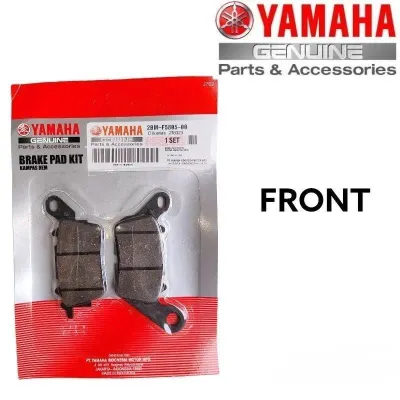
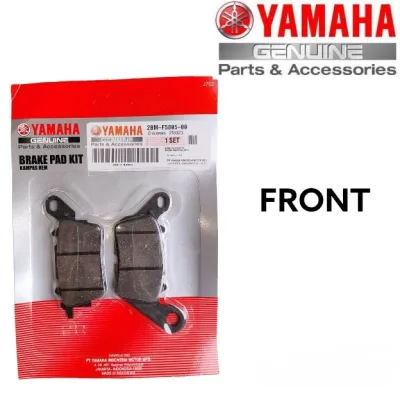
Genuine Yamaha OEM brake pads serve as the ideal default choice for daily city commuting, preserving your factory warranty, and ensuring predictable, quiet braking. These organic or semi-metallic pads are specifically formulated to match the hardness of the stock brake rotors, preventing premature wear while delivering a smooth, progressive bite. They perform exceptionally well in standard stop-and-go conditions where operating temperatures remain relatively low.
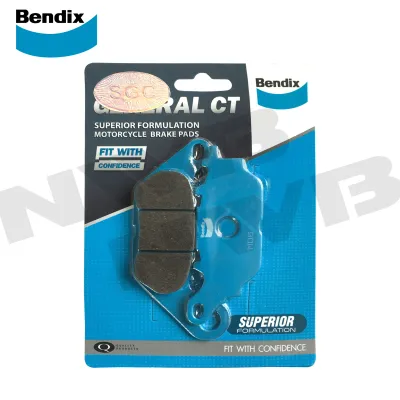
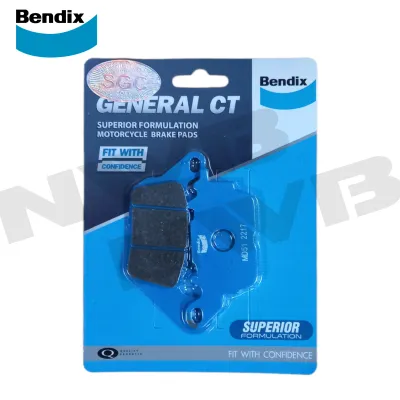
Aftermarket options are highly recommended for riders who demand specific performance characteristics, such as elevated heat resistance for highway touring or heavy cargo transport. However, choosing aftermarket pads requires strict verification of exact caliper compatibility and compound materials. Selecting the wrong compound can lead to accelerated rotor wear, excessive noise, or compromised stopping power in wet tropical weather.
Products mentioned in this guide
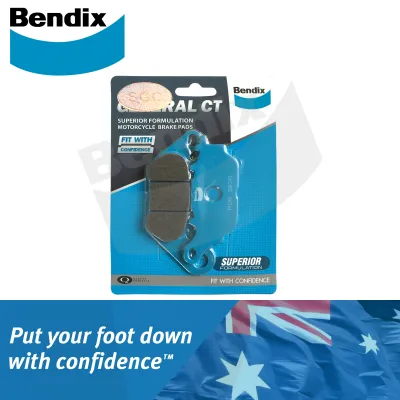
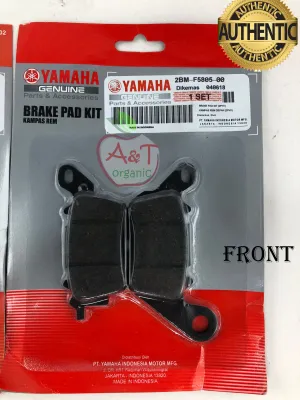
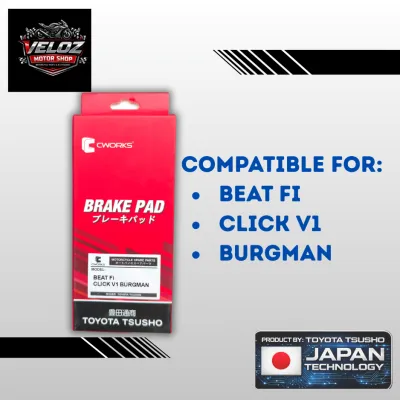
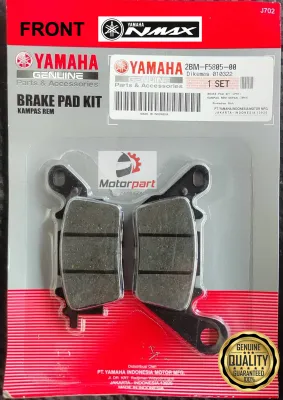
Prices are valid at publication and may change. Please refer to the product page for the latest price.
Assessing Your Riding Style and Braking Needs
Before purchasing new brake pads, you must evaluate your primary riding environment and daily habits in the Philippines. The demands placed on your braking system vary dramatically between navigating congested metropolitan streets and cruising along open provincial highways. Identifying your specific usage pattern ensures you select a friction compound that matches your thermal and mechanical needs.
Daily commuting in dense urban areas like Metro Manila or Cebu involves constant stop-and-go traffic. In these environments, your brakes are applied frequently but at relatively low speeds. This pattern requires a brake pad with a strong initial bite from a cold start, low noise generation, and minimal dust. Because the brakes rarely reach extreme operating temperatures in heavy traffic, high-performance racing pads are highly inefficient and can even feel wooden or unresponsive.
Conversely, long-distance touring or riding through steep mountain passes, such as the Marilaque Highway or the roads leading up to Baguio and Tagaytay, subjects your brakes to sustained high temperatures. Continuous downhill braking causes heat to build up rapidly in the calipers and rotors. Under these conditions, standard pads can suffer from brake fade, a dangerous phenomenon where the friction material loses its grip due to excessive heat. If you frequently ride these routes, prioritizing heat dissipation and fade resistance is essential for your safety.
Commercial use, such as carrying heavy pillion passengers or transporting cargo for delivery services, also alters your braking dynamics. The added weight increases the kinetic energy that your brakes must convert into heat to stop the scooter. For heavy-duty applications, a pad with a higher friction coefficient and robust thermal stability is necessary to maintain safe stopping distances without rapidly wearing down the friction material.
Genuine Yamaha OEM Brake Pads: The Baseline
Genuine Yamaha OEM brake pads represent the engineering baseline for the NMAX V3. Developed specifically for the scooter’s factory braking system, these pads are designed to balance safety, longevity, and comfort for the average rider. They ensure that the vehicle performs exactly as the manufacturer intended under standard operating conditions.

The primary advantage of OEM pads is their guaranteed compatibility. Because they are manufactured to exact factory specifications, they fit perfectly into the NMAX V3 calipers without any modifications or clearance issues. Furthermore, the friction material is carefully matched to the metallurgy of the stock Yamaha steel rotors. This precise pairing ensures minimal rotor wear, quiet operation, and a very predictable, linear braking feel that is highly forgiving for everyday riders.
Using genuine parts also protects your motorcycle’s factory warranty. If your NMAX V3 is still covered by Yamaha’s official warranty program, installing non-standard aftermarket parts on critical safety systems can sometimes complicate or void warranty claims related to the braking assembly or the Anti-lock Braking System (ABS) sensors. For riders who value peace of mind and hassle-free maintenance, the OEM route is the most straightforward path.
However, OEM pads do have performance limitations. Because they are typically constructed from softer organic or light semi-metallic compounds, they are susceptible to thermal fade under extreme, continuous use. If you push your scooter hard on long, winding descents or carry heavy loads in hot tropical weather, you may notice the brake lever feeling spongy and requiring more pressure to achieve the same stopping force. Additionally, organic OEM pads tend to wear down faster when subjected to highly abrasive road grit and heavy monsoon rains.
Exploring Aftermarket Brake Pad Options
When exploring the aftermarket, you will find a vast array of brands and marketing claims. To make an informed decision, you must look past brand names and focus on the specific friction compound types and technical specifications. The material composition of the pad dictates how it handles heat, how much wear it inflicts on your rotors, and how it performs in wet weather.
Always verify that any aftermarket pad you consider is explicitly rated for the Yamaha NMAX V3. The V3 model features specific caliper designs that differ from older V1 and V2 models, meaning older pads will not fit correctly. Look for clear manufacturer part numbers and cross-reference guides on the packaging, and ensure the product specifies whether it is for the front or rear caliper, as these use entirely different shapes.
Organic and Semi-Metallic Compounds
High-quality aftermarket organic and semi-metallic pads are designed as direct replacements for the factory units. Organic pads are made from a mix of fibers, rubbers, and resins, while semi-metallic pads incorporate fine metallic fibers to increase durability and heat tolerance. These options are highly popular among daily commuters looking for a cost-effective alternative to OEM parts.
These standard aftermarket compounds offer a very similar braking feel to genuine Yamaha pads, providing a smooth, quiet, and progressive bite from the moment you set off. They do not require a warm-up period to reach their optimal operating temperature, making them exceptionally safe for short city trips. While they are highly affordable, always ensure you purchase from reputable manufacturers to avoid low-grade imitation pads that can crumble under moderate heat.
Sintered and Ceramic Performance Compounds
For riders seeking a significant upgrade in stopping power, sintered and ceramic compounds offer advanced performance characteristics. Sintered metallic pads are manufactured by fusing metallic particles together under intense heat and pressure. This process creates an incredibly dense and durable pad that excels at high temperatures and offers an aggressive initial bite.
Sintered pads are highly resistant to brake fade, making them the premier choice for spirited riding, steep mountain descents, and heavy cargo loads. They also perform exceptionally well in wet conditions, as the metallic structure easily cuts through water films on the rotor. However, because sintered pads are harder than the stock steel rotors, they will accelerate rotor wear and may produce more brake squeal during low-speed city riding.
Ceramic performance pads utilize ceramic fibers mixed with non-ferrous metals to deliver high thermal stability with minimal noise and dust. They offer a incredibly smooth braking feel and protect your rotors better than sintered pads. The trade-off is that premium ceramic pads are generally more expensive and require a brief warm-up period to achieve their maximum stopping potential, which may not be ideal for short, low-speed urban commutes.
Head-to-Head Comparison: OEM vs Aftermarket
To help you visualize the trade-offs between these options, the table below compares genuine OEM pads against standard aftermarket and high-performance aftermarket compounds across key decision dimensions.
| Performance Dimension | Genuine Yamaha OEM | Aftermarket (Standard Organic/Semi-Met) | Aftermarket (Sintered/Ceramic Performance) |
|---|---|---|---|
| Braking Feel & Bite | Smooth, progressive, predictable | Moderate, soft initial bite | Aggressive, strong initial bite (Sintered) |
| Heat Resistance | Moderate; prone to fade under heavy load | Moderate; standard thermal limits | Excellent; highly resistant to brake fade |
| Rotor Wear Rate | Very low; preserves stock rotors | Low to moderate | High (Sintered) to Moderate (Ceramic) |
| Noise & Brake Dust | Very quiet; minimal dust | Quiet; low to moderate dust | Potential for squealing; moderate dust |
| Wet Weather Performance | Reliable; standard wet grip | Reliable; standard wet grip | Superior; metallic compound cuts water quickly |
| Price Positioning | Mid-range to premium OEM pricing | Budget-friendly | Premium pricing |
It is important to remember that a “performance” pad is not automatically an upgrade for every rider. If your daily route consists entirely of low-speed city traffic, installing an aggressive sintered or ceramic pad can result in a noisy ride and unnecessary wear on your brake rotors without providing any practical benefit. Match the compound to your actual riding conditions rather than choosing the most expensive option.
When shopping in the Philippines, you will find that prices fluctuate based on import costs and dealer networks. Always verify current pricing and stock availability through authorized motorcycle parts dealers or highly rated online marketplace stores. Be cautious of prices that seem unusually low, as counterfeit brake pads are common and pose a severe safety hazard.
Critical Safety, Compatibility, and Installation Rules
Your motorcycle’s braking system is its most critical safety component. Any modifications, maintenance, or parts replacements must be approached with extreme caution and strict adherence to technical guidelines. Never compromise on the quality of components or the precision of the installation process.
First, verify the exact model year and sub-model of your scooter. The Yamaha NMAX V3 has specific caliper mounting points and piston configurations that differ from the V1 and V2 generations. Attempting to force a brake pad designed for an older model into a V3 caliper can result in binding, incomplete pad contact, or catastrophic brake failure. Always check the physical dimensions and backing plate shape against your old pads before installation.
Second, never install new brake pads on a damaged or excessively worn brake rotor. Before fitting new pads, use a micrometer or vernier caliper to check your rotor thickness against the minimum limit stamped on the rotor itself (typically around 3.0mm to 3.5mm for standard scooter rotors). If the rotor is grooved, warped, or worn below the safety threshold, it must be replaced immediately. Installing fresh pads on a compromised rotor will severely reduce your stopping power and ruin the new pads rapidly.
Third, we strongly recommend having your brake pads installed by a qualified motorcycle mechanic. If you choose to perform the replacement yourself, you must consult your original vehicle owner’s manual for correct torque specifications on the caliper mounting bolts and slide pins. Ensure that the caliper pistons are cleaned thoroughly before being pushed back into the housing to prevent dirt from damaging the piston seals. If you encounter any resistance, or if the aftermarket pad does not slide smoothly into the carrier, stop immediately and consult a professional.
Final Decision Framework: Which Should You Choose?
To finalize your purchase decision, use this structured framework to match your specific circumstances to the ideal brake pad type:
- Choose Genuine Yamaha OEM if: Your riding consists primarily of daily city commuting, you prefer a quiet and predictable braking feel, you want to preserve your stock rotors for as long as possible, and you wish to maintain your factory warranty without any compatibility guesswork.
- Choose Aftermarket (Standard Organic/Semi-Metallic) if: You are looking for a highly cost-effective replacement for daily urban riding, you have verified the exact NMAX V3 part number match, and you want dependable performance similar to OEM without paying a premium price.
- Choose Aftermarket (Sintered or Ceramic Performance) if: You frequently travel long distances, ride through steep mountain regions, carry heavy loads or commercial cargo, and fully understand the required bedding-in process and potential for increased rotor wear.
- Verify First if: You are purchasing from online marketplaces. Always buy from official brand stores or authorized distributors, check customer reviews for physical photos of the packaging, and look for anti-counterfeit features such as holographic seals, unique QR codes, and clear batch numbers on the product label.
Frequently Asked Questions (FAQ)
Do I need to replace the front and rear brake pads at the same time?
No, you do not need to replace the front and rear brake pads simultaneously. Front and rear brakes wear at different rates due to weight transfer during braking and individual riding habits. The front brake typically handles up to 70% of the stopping force, causing the front pads to wear down faster than the rear pads under normal conditions. You should inspect both sets regularly, but only replace them when the friction material has worn down to the wear indicator grooves or is less than 2mm thick.
What is the proper bedding-in procedure for new brake pads?
Bedding-in, also known as breaking-in, is the process of mating the new brake pad surface with the rotor and transferring a thin, even layer of friction material onto the disc. To bed in your new pads, find a safe, flat road with minimal traffic. Accelerate to around 40 to 50 km/h, then apply the brakes firmly and smoothly to slow down to about 10 km/h. Repeat this process 10 to 15 times, allowing the brakes to cool slightly between runs. Never bring the scooter to a complete stop with the brakes tightly squeezed during this process, and avoid aggressive emergency braking for the first 100 kilometers of riding.
Community discussion
Share your experience or ask a question. Comments are reviewed before publication.