
Quick Answer: Which Brake Shoe Category Fits Your Riding Style?
Selecting replacement brake shoes for your Yamaha Barako 175 depends on your daily usage and cargo requirements. For standard daily commuting and general transport, Yamaha Genuine Parts (OEM) represent the safest, most reliable baseline. These factory-specified components are engineered specifically for the Barako’s rear drum hub, providing predictable stopping power, linear lever feel, and guaranteed fitment.
If you operate your motorcycle for heavy-duty commercial utility, such as a fully loaded tricycle or cargo hauler on steep provincial roads, premium aftermarket brake shoes from established manufacturers are an excellent alternative. High-quality aftermarket options often utilize advanced organic or semi-metallic friction compounds designed to withstand higher operating temperatures and resist brake fade under heavy loads. However, choosing aftermarket brands requires diligent verification of model compatibility and part numbers to avoid fitment issues.
Conversely, budget-focused, unbranded, or counterfeit brake shoes should be avoided entirely. While their low upfront cost is tempting, they pose severe safety risks, including sudden lining delamination, rapid wear, and severe damage to the inner brake drum. For a safety-critical component like your rear drum brake, true reliability is measured by consistent friction and structural integrity under stress, making the minor savings of unbranded parts a dangerous compromise.
Products mentioned in this guide
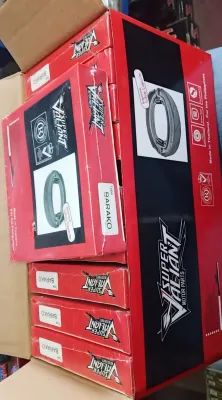
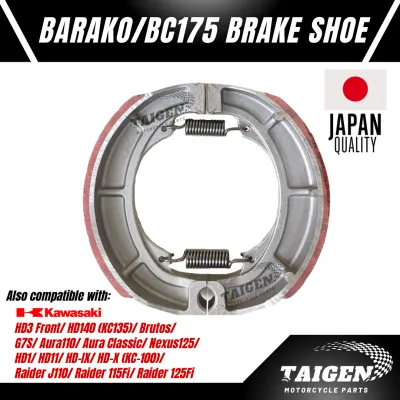
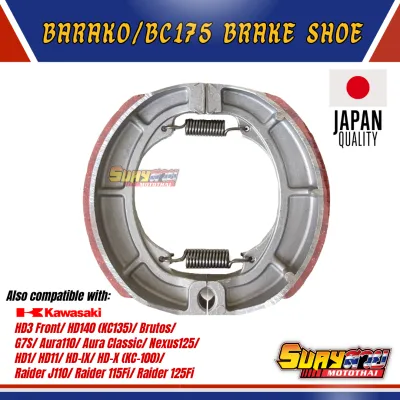
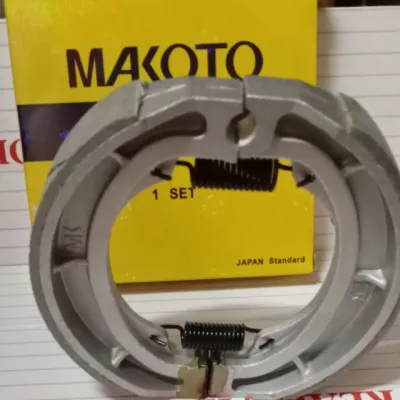
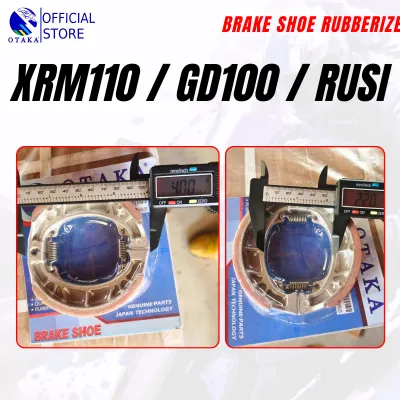
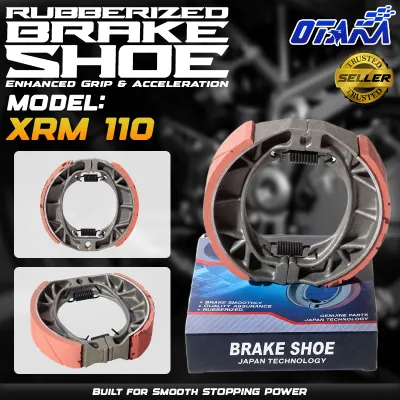
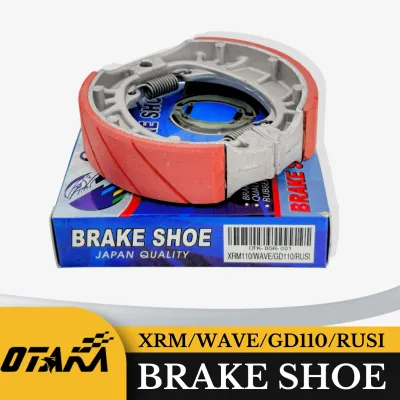
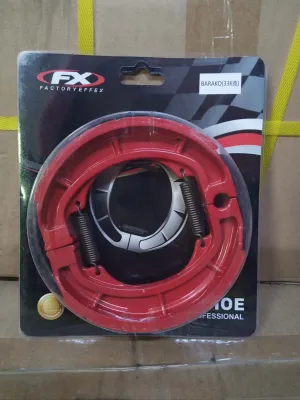
Prices are valid at publication and may change. Please refer to the product page for the latest price.
Understanding the Barako 175 Drum Brake Requirements
The Yamaha Barako 175 utilizes a mechanical leading-trailing drum brake system on its rear wheel, which serves as the primary stopping mechanism for utility and heavy-load applications. When you press the rear brake pedal, a mechanical linkage rotates a brake cam inside the hub, forcing two curved brake shoes outward. This action presses the friction linings of the shoes directly against the smooth, spinning inner surface of the cast-iron brake drum, generating the friction necessary to slow or stop the motorcycle.

Operating a motorcycle in the Philippines introduces unique environmental and mechanical challenges that directly impact this drum brake system. High ambient temperatures, intense tropical humidity, sudden monsoon downpours, and flooded street crossings expose the brake hub to moisture, road grime, and extreme thermal stress. Because drum brakes are enclosed systems, they naturally retain heat longer than open disc brake designs, making them highly susceptible to heat buildup during prolonged braking.
When a drum brake overheats, a phenomenon known as brake fade occurs, where the friction coefficient of the lining material drops significantly, resulting in a spongy pedal feel and a dramatic increase in stopping distance. Furthermore, riding through deep water or heavy rain can introduce moisture inside the drum, causing temporary slipping until the heat generated by braking dries out the components.
To combat these harsh conditions, a reliable brake shoe must possess several key attributes. It must deliver a consistent initial bite even when damp, maintain structural stability under high thermal loads, and resist glazing—a condition where the friction lining hardens into a glassy, non-abrasive surface due to excessive heat. Additionally, the friction compound should produce minimal, non-corrosive dust to prevent buildup inside the drum, which can cause squealing and uneven wear over time.
Comparing Brake Shoe Categories: OEM vs. Aftermarket
Navigating the replacement market for the Yamaha Barako 175 requires a clear understanding of the differences between factory-spec components, reputable third-party upgrades, and low-cost alternatives. Each category offers a distinct balance of price, performance, and compatibility.
Yamaha Genuine Parts (OEM)
Yamaha Genuine Parts are manufactured to meet the strict quality control and engineering standards set by the vehicle manufacturer. These OEM brake shoes are designed specifically for the weight, power output, and chassis dynamics of the Barako 175, ensuring that the friction material is perfectly matched to the hardness of the factory brake drum. This precise engineering minimizes the risk of accelerated drum wear, which can be an expensive issue to resolve since the drum is integrated directly into the rear wheel hub.
The primary advantage of choosing OEM brake shoes is the guarantee of exact physical fitment and predictable performance out of the box. There is no need to measure dimensions or worry about whether the shoe will clear the anchor pins or the brake cam. For daily commuters and solo riders who prioritize a hassle-free maintenance routine and factory-standard safety, OEM parts remain the most logical and dependable choice, widely available through authorized dealers across the country.
Premium Aftermarket Brands
Premium aftermarket brake shoes are produced by established global or regional manufacturers specializing in friction components. These brands often invest in advanced material research, offering friction linings made from high-grade organic, ceramic, or semi-metallic compounds. Some of these premium options are specifically formulated to handle extreme heat, making them highly suitable for Barako 175 units configured as utility tricycles or heavy cargo haulers.
These high-quality alternatives can provide enhanced performance characteristics, such as a stronger initial bite or superior resistance to brake fade during prolonged downhill descents with heavy loads. Many premium aftermarket shoes also feature specialized channels or grooves cut into the friction lining to help sweep away water, dust, and debris, improving wet-weather performance. However, because these brands manufacture parts for a wide range of motorcycles, riders must be careful to verify that the specific part number is fully compatible with their exact Barako model year.
Budget and Unbranded Alternatives
The local market is often flooded with cheap, unbranded, or counterfeit brake shoes sold in generic packaging at fraction of the price of OEM parts. These low-cost alternatives are typically manufactured with minimal quality control, using inferior raw materials for both the backing plate and the friction lining. The aluminum alloy used for the backing plates in budget shoes is often prone to flexing or cracking under heavy pedal pressure, which can lead to a sudden and catastrophic loss of braking force.
One of the most critical failure modes associated with budget brake shoes is the delamination of the friction lining from the metal backing plate. Under the high temperatures generated by heavy braking, low-quality bonding adhesives can fail, causing the lining material to peel off and jam inside the drum. This can cause the rear wheel to lock up instantly, presenting an extreme safety hazard. Additionally, these cheap compounds often contain abrasive particles that rapidly score and wear down the inner drum, ultimately costing the rider far more in hub replacements than the money saved on the initial purchase.
Evaluating Performance, Durability, and Value
Choosing the right brake shoe involves weighing several critical factors, including stopping performance, overall durability, and the long-term value proposition relative to your budget in Philippine Pesos (₱).
Stopping performance is directly tied to the formulation of the friction compound. Organic compounds, which often utilize aramid fibers and natural resins, offer a smooth, progressive braking feel that is highly controllable, making them excellent for navigating slippery or wet roads during the rainy season. Semi-metallic compounds, which incorporate fine metal fibers, provide a firmer pedal feel and superior high-temperature performance, though they can be slightly more abrasive on the brake drum and may require a brief warm-up period to reach their optimal operating temperature.
Durability and wear life are determined by a combination of compound hardness, riding habits, and load weight. To monitor the health of your braking system, it is essential to perform regular visual inspections of the brake shoes. Most high-quality shoes feature a built-in wear indicator groove; once the friction material has worn down to the level of this groove, or if the lining thickness falls below the manufacturer’s recommended limit (typically around 2.0 mm), the shoes must be replaced immediately. During inspection, also check for signs of glazing, cracking, or uneven wear across the contact patch, which could indicate a distorted brake drum or weak return springs.
When analyzing value, it is helpful to consider the relative price positioning in the local market. OEM Yamaha brake shoes generally sit in the mid-to-high price tier, typically ranging from ₱300 to ₱600 depending on the specific dealership and location. Premium aftermarket options occupy a similar or slightly lower price band, usually ranging from ₱200 to ₱500, offering competitive performance and specialized compounds. Budget unbranded options can be found for under ₱100, but their short service life, poor performance, and high risk of damaging the wheel hub make them a poor financial decision. True value lies in selecting a shoe that provides consistent, safe stopping power over a long service interval, minimizing maintenance downtime and protecting your vehicle’s components.
Verifying Fitment and Part Numbers Before Purchase
The Yamaha Barako 175 has undergone several minor updates and generational changes over its production history, including the Barako I, Barako II, and the fuel-injected Barako III (YB175). While the core design of the motorcycle has remained highly consistent, subtle variations in wheel hub dimensions, brake panel designs, and drum diameters can exist across different model years. Therefore, you must never assume compatibility based solely on a generic category term like “motorcycle brake shoes.”
To ensure a perfect fit, always cross-reference the official Yamaha OEM part number before making a purchase. This number can typically be found in your motorcycle’s owner’s manual or by consulting an authorized Yamaha parts dealer with your vehicle’s engine and chassis numbers. When shopping for aftermarket alternatives, reputable manufacturers will provide a compatibility list or a cross-reference chart matching their specific part numbers to the original Yamaha part codes.
If you are unable to find a reliable part number, or if you want to double-check an aftermarket part before installation, you should measure the physical dimensions of your old, removed brake shoe. Use a vernier caliper to measure the outer diameter of the shoe assembly when resting in its closed position, as well as the width of the friction lining. Additionally, inspect the shape of the ends where the shoe contacts the brake cam and the pivot pin, as different designs may feature flat, curved, or grooved contact points. Never attempt to force an ill-fitting brake shoe into the drum or onto the brake panel, as this can cause immediate mechanical failure during a ride.
Installation Safety and the Bedding-In Process
Because the braking system is a critical safety component of your motorcycle, proper installation is paramount to ensure road legality and passenger safety. If you do not possess the appropriate tools, mechanical experience, or a secure workspace, it is highly recommended to have the replacement performed by a qualified professional mechanic. If you choose to undertake the installation yourself, always refer to the official Yamaha Barako 175 service manual and strictly follow all safety precautions.
Before beginning the installation, ensure the motorcycle is securely supported on its center stand on a flat, level surface. Once the rear wheel is removed and the brake panel is disassembled, clean the inside of the brake drum thoroughly using a dedicated aerosol brake cleaner spray to wash away accumulated dust, dirt, and grease. Never use gasoline, kerosene, or diesel fuel to clean brake components, as these petroleum-based solvents leave a slippery residue that will contaminate the new friction material.
Inspect the brake cam, anchor pin, and return springs for signs of wear, corrosion, or fatigue. Stretched or weak return springs must be replaced to ensure the brake shoes retract fully when the pedal is released. Apply a very thin film of high-temperature copper or silicone grease only to the contact points on the brake cam lobes and the pivot pins. Be extremely careful to keep grease and oil completely away from the friction linings of the new shoes and the inner surface of the brake drum; any contamination can permanently ruin the friction material.
After installing the new shoes and reassembling the rear wheel, check the brake pedal free play and adjust it according to the original-vehicle instructions. Before riding, you must perform a proper bedding-in process to allow the new friction material to conform perfectly to the microscopic imperfections of the inner drum surface. For the first 100 to 200 kilometers, avoid sudden, aggressive braking and instead apply the rear brake gently and progressively. This gradual wear-in process prevents localized overheating and glazing, ensuring that your new brake shoes deliver their maximum design stopping power and a long, reliable service life.
Community discussion
Share your experience or ask a question. Comments are reviewed before publication.