
Selecting the ideal placement for a cp holder in car depends on your vehicle’s interior layout, your regional climate, and safety regulations. There is no single mount type that fits every driver perfectly. Instead, the right choice balances visibility, stability, and legal compliance.
For drivers prioritizing a clear windshield and a cool device, air vent mounts are highly effective, though they depend on your car’s vent design. Dashboard mounts offer a highly stable, eye-level viewing position but require a flat, non-textured surface and high-quality heat-resistant adhesives. Windshield mounts provide the greatest adjustability and bring the screen closest to your line of sight, but they carry distinct safety risks and legal restrictions regarding driver visibility.
When using a smartphone for real-time GPS navigation, the primary goal is to keep the screen within your peripheral vision without blocking your view of the road. Evaluating how each mount type performs under real-world driving conditions will help you make an informed decision.
Products mentioned in this guide
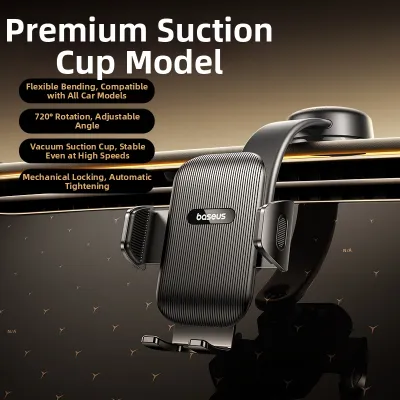
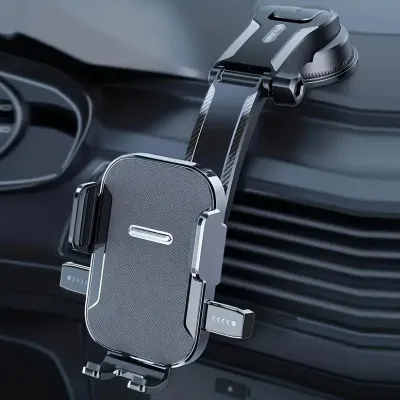
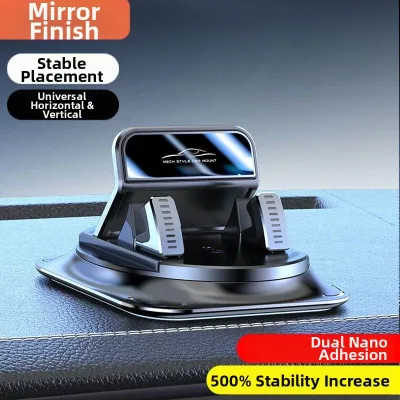
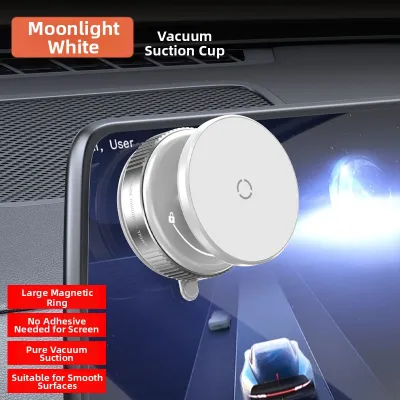
Prices are valid at publication and may change. Please refer to the product page for the latest price.
Core Comparison Factors for Navigation Mounts
To determine which mounting position is best for GPS navigation, you must evaluate how each option handles the physical and environmental demands of daily driving. A mount that looks secure in a stationary car can easily fail when subjected to road vibrations, high cabin temperatures, or sudden stops.
Line of Sight and Eye Travel
For safe navigation, your eyes should travel as little as possible between the road and the GPS screen. The time it takes to look down at a low-mounted phone and refocus on traffic increases your reaction time. Ideally, the navigation screen should sit just below your hood line, allowing you to monitor turn-by-turn directions using your peripheral vision.
Stability and Vibration
Continuous road vibrations can make a GPS map difficult to read, leading to eye strain. A high-quality mount must minimize shaking, especially when driving over uneven road surfaces, speed bumps, or concrete joints. Mounts with long, unsupported arms or weak attachment mechanisms are highly susceptible to high-frequency vibrations.
Vehicle Impact and Climate Factors
Tropical climates present unique challenges for car accessories. High cabin temperatures and intense humidity can quickly degrade adhesives and suction cups. Additionally, placing a phone in direct sunlight while running processor-intensive GPS applications can cause the device to overheat, dim its screen, or shut down entirely to protect the battery.
Legal and Safety Compliance
Before purchasing any mount, you must consider local traffic laws regarding windshield obstructions and distracted driving. In many jurisdictions, including the Philippines, regulations enforced by agencies like the Land Transportation Office (LTO) strictly prohibit placing devices where they block the driver’s direct view of the road. Furthermore, mounts must never be placed within the deployment zone of any airbag.
Air Vent Mounts: Low Profile but Airflow Dependent
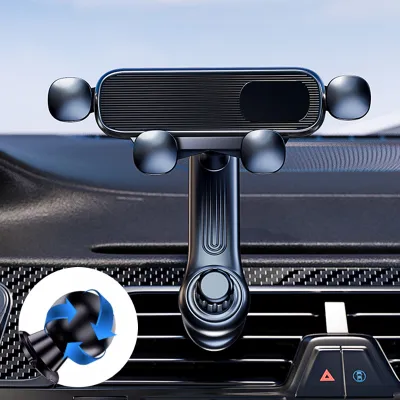
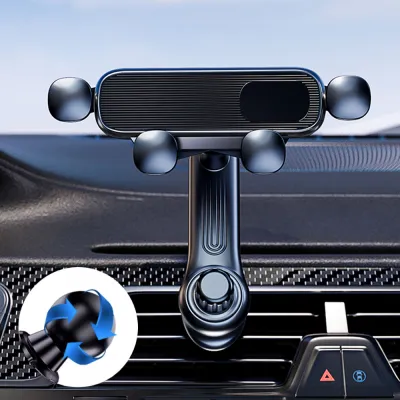
Air vent mounts use spring-loaded clips or padded clamps to attach directly to the slats of your vehicle’s air conditioning vents. This design keeps the dashboard and windshield completely unobstructed, offering a clean and minimalist look.

Visibility and Accessibility
Vent mounts typically position your phone lower on the dashboard compared to windshield or dash-top alternatives. This lower placement keeps your forward field of view entirely clear, which is highly beneficial for night driving or navigating narrow streets. Because the vents are usually located within arm’s reach of the steering wheel, it is easy to interact with the screen during safe, stationary moments.
However, the visibility of a vent mount heavily depends on your vehicle’s dashboard design. If your car’s central vents are positioned low on the center console or angled away from the driver, you will have to look down and away from the road to see your map. This downward eye travel can be dangerous during high-speed highway driving or in dense, unpredictable traffic.
Stability and Climate Impact
In tropical environments, vent mounts offer a major performance advantage: they position your phone directly in front of the air conditioning airflow. Running GPS navigation, cellular data, and maximum screen brightness simultaneously generates substantial internal heat. The cool air from the vent actively prevents your phone from thermal throttling, ensuring the screen remains bright and the battery charges efficiently.
The trade-off is that the mount blocks a portion of the airflow, which can reduce cabin cooling efficiency on hot days. Furthermore, the weight of modern, heavy smartphones can cause thin plastic vent slats to sag or loosen over time. Before choosing this option, you must verify that your vehicle’s vent blades are thick and sturdy enough to support the weight. Standard vent clips are typically designed for straight, horizontal slats and are rarely compatible with circular, rotating, or deeply recessed vents.
Dashboard Mounts: Stable but Heat Exposed
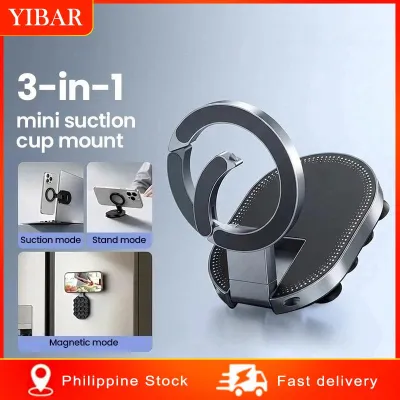
Dashboard mounts attach to the top of the dash using heavy-duty adhesive pads, suction cups with sticky gel bases, or a combination of both. This placement is favored by long-distance drivers and daily commuters who want a permanent, highly stable navigation setup.
Line of Sight and Dashboard Layout
By sitting on top of the dashboard, these mounts elevate your phone closer to your natural line of sight. This positioning allows you to monitor your GPS route with minimal eye movement, keeping the road and surrounding traffic clearly in your peripheral vision. It provides an excellent balance between visibility and safety, as it does not block your view of the road if positioned correctly.
To install a dashboard mount successfully, your vehicle must have a relatively flat, smooth, and non-porous surface. Modern dashboards often feature textured plastics, curved designs, or soft-touch leatherette materials that prevent adhesives and suction cups from forming an airtight seal. Additionally, you must carefully study your vehicle’s owner’s manual to identify airbag deployment zones. Placing a mount on or near an airbag cover can turn your phone into a dangerous projectile if the system deploys.
Adhesion and Heat Resistance
Because they sit directly beneath the windshield, dashboard mounts are exposed to intense solar radiation. When a vehicle is parked under direct sunlight, dashboard temperatures can easily exceed 60°C. This extreme heat can soften standard adhesives, dry out suction gels, and cause the mount to collapse or leave a sticky, difficult-to-clean residue on your dashboard.
To prevent this, look for mounts that utilize high-temperature acrylic foam tapes (such as 3M VHB) or advanced silicone suction bases designed to withstand extreme thermal cycles. It is also important to follow the manufacturer’s installation instructions precisely, which typically require cleaning the surface thoroughly and allowing the adhesive to cure for 24 hours before applying any weight. Keep in mind that prolonged exposure to direct sunlight on the dashboard can also cause your phone’s battery to degrade more rapidly over time.
Windshield Mounts: Highly Adjustable but Legally Restricted
Windshield mounts rely on industrial-strength suction cups to stick directly to the interior glass of your car. They often feature long, adjustable telescopic arms and ball-and-socket joints, making them highly versatile.
Adjustability and Viewing Angles
Windshield mounts are popular because they can be placed almost anywhere on the glass, allowing you to position the phone exactly where you want it. The smooth, non-porous surface of automotive glass provides the most reliable seal possible for a suction cup, resulting in excellent stability when installed correctly. Telescopic arms can bring the screen closer to your face, making small street names on the map much easier to read.
This mounting style is also highly portable. It can be installed or removed in seconds without leaving permanent adhesive residue, making it an excellent choice for drivers who frequently switch between vehicles or use rental cars. Because the glass surface is uniform, you do not have to worry about dashboard textures or vent blade compatibility.
Legal Compliance and Safety Risks
Despite their convenience, windshield mounts carry significant safety and legal considerations. Placing a large smartphone in the middle of your windshield creates a physical blind spot. This obstruction can easily hide pedestrians, motorcycles, or low-profile hazards, particularly when turning at intersections or navigating busy urban areas.
Under regulations like the Anti-Distracted Driving Act in the Philippines, mounting any device within the driver’s direct line of sight is illegal and can result in significant fines. To stay compliant and safe, you must position the mount low on the far left side of the windshield, or high up behind the rearview mirror where it does not block your forward view. Always verify the latest guidelines from local transport authorities before securing a suction mount to your glass.
Side-by-Side Comparison of Car Phone Holders
To help you quickly evaluate these three mounting options, the table below summarizes how they compare across key performance and safety dimensions.
| Mount Type | Line of Sight | Stability | Installation Effort | Best For |
|---|---|---|---|---|
| Air Vent | Moderate to Low | Moderate (depends on vent design) | Very Easy (clip-on) | Drivers wanting a clear dashboard and active phone cooling |
| Dashboard | High | High (with proper surface prep) | Moderate (requires curing time) | Long-term commuters with flat, non-textured dashboards |
| Windshield | Very High | High (on clean glass surfaces) | Easy (suction lever) | Drivers needing maximum adjustability and clear windshield space |
Note: Actual performance, suction strength, and vibration dampening will vary based on your specific vehicle model, the weight of your phone, and the build quality of the mount manufacturer.
Decision Framework: Which CP Holder in Car Fits Your Drive?
To choose the right cp holder in car, match your vehicle’s physical characteristics and your driving habits to the strengths of each mount type.
Choose an Air Vent Mount if:
- Your vehicle features sturdy, traditional horizontal or vertical vent slats.
- You live in a hot climate and want the air conditioning to actively cool your phone during long GPS navigation sessions.
- You prefer a completely clear windshield and dashboard to maximize your forward road visibility.
- You want a lightweight, tool-free installation that can be moved to another vehicle instantly.
Choose a Dashboard Mount if:
- Your car's dashboard has a flat, smooth, non-textured plastic area within easy reach.
- You want a highly stable, permanent mount that keeps the GPS screen close to your natural line of sight.
- You are willing to perform the necessary surface preparation and wait for the adhesive to fully cure before mounting your phone.
- You can position the mount safely away from all passenger and driver airbag deployment zones.
Choose a Windshield Mount if:
- Your dashboard is heavily textured, curved, or covered in soft leatherette that rejects adhesives.
- You need a highly adjustable telescopic arm to bring the navigation screen closer to your eyes.
- You are disciplined about mounting the device in compliant, low-risk areas (such as the bottom-left corner of the glass) to avoid creating dangerous blind spots.
- You regularly switch between different cars and need a mount that can be removed quickly without leaving permanent marks.
Verify Compatibility First
Before making a purchase, always inspect your vehicle’s interior. If your car has circular or rotating turbine-style vents, standard vent mounts will not hold securely. If your dashboard is deeply curved or lacks flat surfaces, adhesive-based mounts are highly likely to fail. Finally, check your local traffic laws to ensure your chosen mounting position is fully compliant with regional safety standards.
Installation Tips for Maximum Stability in Tropical Climates
High heat and humidity can cause even premium mounts to slip, peel, or fall off. Proper installation and periodic maintenance are essential to keep your device secure.
Surface Preparation
Before applying any adhesive pad or suction cup, you must clean the mounting surface thoroughly. Use a microfiber cloth dampened with isopropyl alcohol to remove dust, interior cleaning sprays, oils, and dashboard protectants. Avoid using household glass cleaners or soapy water, as they can leave behind a thin film that prevents proper bonding. Allow the surface to dry completely before proceeding.
Suction Cup Restoration
If a silicone or gel-lined suction cup loses its stickiness over time due to dust accumulation, do not discard it or attempt to apply household glues. Instead, remove the mount, rinse the suction base under warm running water, and gently wash away any debris with your fingers. Let the suction cup air dry completely; do not wipe it with a towel, as this will transfer lint back onto the sticky surface. Once dry, the gel properties will be restored.
Heat Mitigation
When parking your car under direct sunlight for extended periods, the interior temperature can quickly degrade adhesives. If you use a windshield or dashboard suction mount, consider releasing the suction lever or removing the mount entirely and storing it in the glovebox when parked. This simple step protects the adhesive gel from melting and extends the lifespan of the mount. Additionally, never leave your smartphone mounted in direct sunlight inside a parked car, as this can permanently damage the lithium-ion battery.
Routine Checks
Get into the habit of performing a quick physical check of your mount every few weeks. Give the mount a gentle tug to ensure the adhesive or suction seal remains firm. If you notice any lifting, peeling, or excessive wobbling, remove and reinstall the mount before you drive. Taking a few seconds to verify stability prevents your phone from falling while you are in motion, keeping you focused on the road ahead.
Frequently Asked Questions (FAQ)
Is it illegal to mount a phone on the windshield in the Philippines?
Yes, mounting a phone directly in the driver’s line of sight on the windshield is illegal under the Anti-Distracted Driving Act (ADDA) and Land Transportation Office (LTO) regulations. The law prohibits any device or accessory that obstructs the driver’s clear view of the road ahead, traffic lights, or side mirrors. To remain compliant, any windshield-mounted phone must be placed in a designated safe zone, such as the lower left corner of the windshield or high up near the rearview mirror, ensuring it does not block your primary field of view.
Will a vent mount damage my car's air conditioning blades?
It can if the mount is low-quality or overloaded. Heavy modern smartphones, combined with the leverage of a protruding mount arm, put significant mechanical stress on thin plastic vent slats. Over time, this weight can cause the slats to sag, loosen, or snap. To prevent damage, choose a vent mount featuring wide, rubber-padded clips, or one that includes an integrated support kickstand or stabilizer bracket that distributes the weight downward onto the solid frame of the dashboard.
How do I keep a suction cup mount from falling off in hot weather?
Extreme heat causes the air trapped inside the suction cup to expand, which eventually breaks the vacuum seal. To prevent this, always install the suction cup when the windshield glass is cool, such as in the morning or in a shaded area. Press down firmly on the center of the suction cup to expel all air before locking the tension lever. For textured dashboards, always use a smooth, adhesive-backed mounting disk to provide a non-porous surface for the suction cup to grip.
Community discussion
Share your experience or ask a question. Comments are reviewed before publication.