
Quick Answer: Finding the Best Value in Car Care Packages
Selecting the right car wash shampoo within car care packages depends heavily on your vehicle’s paint condition, existing protective layers, and how often you wash it. There is no single brand that fits every scenario, as the chemistry of the shampoo must match the surface it cleans.
For regular maintenance of protected paint, pH-neutral concentrated shampoos offer the best long-term value. These formulas preserve expensive ceramic coatings, sealants, and waxes, saving you from the high costs of reapplying protection prematurely.
For older daily drivers that lack professional coatings, wash-and-wax bundles are highly cost-effective. These packages combine cleaning and temporary gloss enhancement in a single step, reducing the need for separate detailing products.
Products mentioned in this guide
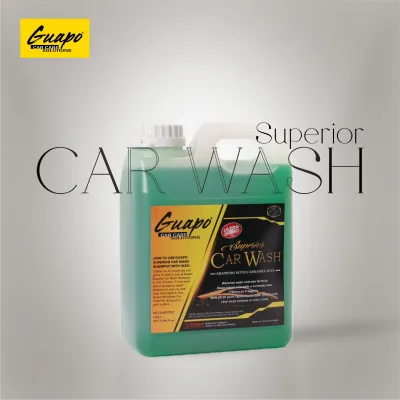
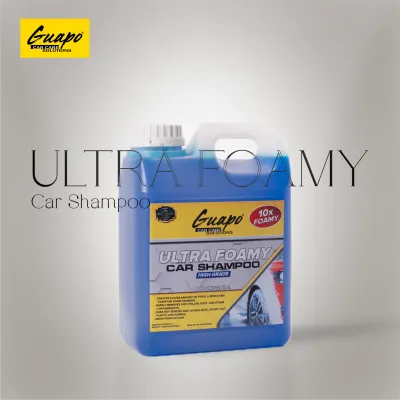
Prices are valid at publication and may change. Please refer to the product page for the latest price.
True value is determined by the dilution ratio and cost-per-wash, not just the upfront price of the care package. A lower-priced kit requiring large amounts of product per wash quickly becomes more expensive than a premium kit with highly concentrated formulas.
Key Criteria for Evaluating Bundled Car Wash Shampoos
Dilution Ratio and Concentration
To evaluate the true value of a car care bundle, look closely at the product labels to determine the water-to-shampoo ratio. Lower-tier shampoos often have low concentration ratios, such as 1:100, which means you must use a large volume of liquid for a single wash bucket. High-quality concentrates feature dilution ratios of 1:250, 1:500, or even higher. A highly concentrated formula yields a much lower cost-per-wash, making it a better long-term investment despite a higher initial kit price. Always calculate the total liters of usable wash solution a bottle can produce before making a purchase.

Lubricity and Paint Safety
In tropical environments like the Philippines, vehicles are constantly exposed to fine road dust, volcanic ash, and heavy monsoonal grime. When you wipe a wash mitt across the paint, these abrasive particles can easily cause micro-scratches and swirl marks. High-lubricity shampoos are critical because they use advanced surfactants to encapsulate dirt, lifting it off the clear coat so it glides away safely. When comparing packages, prioritize formulas that emphasize slickness and paint safety over sheer foam volume.
pH Levels and Coating Compatibility
Shampoos generally fall into three categories: acidic, pH-neutral, and alkaline. pH-neutral formulas (around pH 7) are gentle and will not strip existing waxes, paint sealants, or ceramic coatings, making them the standard for routine maintenance. Alkaline formulas (pH 8 to 10+) are highly effective at breaking down tough organic matter like bug splatter and road grease, but they will degrade wax layers and dry out rubber seals if used repeatedly. Always check the chemical specifications on the product label to ensure compatibility with your vehicle’s current paint protection.
Comparing Cleaning Power Across Shampoo Formulations
pH-Neutral Maintenance Shampoos
These are the workhorses of routine car care packages. Their primary function is to lift light surface dust, road film, and fresh rain spots without degrading the underlying paint protection. Because they lack harsh acids or alkalis, they rely heavily on mechanical action—the physical movement of a high-quality microfiber wash mitt—and superior lubricity to clean safely.
If your vehicle is ceramic-coated, vinyl-wrapped, or regularly waxed, a pH-neutral maintenance shampoo is the safest and most efficient choice. It keeps the protective layer intact, ensuring long-term hydrophobic performance and UV protection under the intense tropical sun.
Wash-and-Wax and High-Foaming Blends
Commonly found in starter car care packages, these formulations contain active cleaning agents alongside suspended carnauba wax or synthetic polymers. As you wash and rinse, a micro-thin layer of these gloss enhancers bonds to the paint, leaving a temporary shine and encouraging water to bead off the surface.
While highly convenient for daily commuters that do not receive regular detailing, they have trade-offs. The wax additives can slightly reduce the pure cleaning efficiency of the surfactants, and they cannot replace a dedicated, hand-applied wax or sealant. They are best viewed as a temporary gloss booster between major detailing sessions.
Heavy-Duty and Alkaline Cleaners
Designed for deep cleaning, these shampoos are formulated to tackle stubborn grime, road tar, bird droppings, and baked-on tree sap. They work by chemically breaking down the organic and inorganic bonds holding the dirt to the paint.
However, this aggressive chemical action comes with risks. Routine use of alkaline cleaners will rapidly strip away wax and sealant protection, leaving your clear coat exposed to harsh weather. They can also dry out rubber window seals and matte plastic trim, leading to premature fading. Use these formulas only for surface preparation before applying new protection, or when dealing with extreme dirt build-up.
How to Calculate the True Cost-Per-Wash in a Kit
When shopping for car care packages, the sticker price can be highly deceptive. To find the true financial value, you must look past the outer packaging and analyze the individual components.
Identifying Filler Products
Many low-cost kits inflate their perceived value by packing the box with cheap accessories. Items like thin microfiber towels that scratch paint, coarse yellow sponges that trap dirt against your clear coat, or flimsy plastic spray bottles are often included to justify a higher price point.
If a kit costs ₱1,500 but contains ₱500 worth of low-quality accessories you will have to discard to protect your paint, the actual value of the chemical products is severely diluted. Focus on kits where the bulk of the cost is allocated to high-grade shampoos and protectants.
Concentrate Size vs. Number of Washes
To compare different packages objectively, calculate the cost-per-wash of the included shampoo. Use this simple formula:
Cost-per-Wash = (Price of the Kit / Total Number of Washes Yielded by the Shampoo)
To find the total number of washes, divide the volume of the shampoo bottle by the amount required per wash bucket (as specified by the manufacturer’s dilution instructions).
| Kit Component | Low-Value Indicator | High-Value Indicator |
|---|---|---|
| Shampoo Volume | Under 250ml with high usage rates | 500ml to 1 Liter highly concentrated |
| Dilution Ratio | 1:50 or requires "3-4 capfuls" per liter | 1:200 to 1:500 (e.g., 30ml per 10L bucket) |
| Wash Accessories | Coarse sponges, rough polyester towels | High-pile microfiber mitts, waffle-weave drying towels |
| Hardware Quality | Thin plastic buckets without dirt traps | Heavy-duty buckets with dedicated grit guards |
Reusability of Hardware
High-quality physical hardware in a kit can easily justify a higher upfront package price. A sturdy, thick-walled wash bucket, a professional-grade microfiber wash mitt, and a robust grit guard are essential for scratch-free washing.
Unlike cheap sponges that wear out after two or three uses, premium hardware can last for years. When evaluating a ₱2,500 kit versus a ₱1,000 kit, factor in the replacement cost of these tools. Investing in durable hardware early saves money and protects your vehicle’s clear coat from expensive paint correction bills.
Decision Framework: Matching the Right Package to Your Vehicle
To choose the right car care package from the many options available in the market, match the kit’s contents directly to your vehicle’s current state and your maintenance habits.
- Choose a Premium pH-Neutral Kit if: Your vehicle has an active ceramic coating, paint protection film (PPF), vinyl wrap, or a fresh layer of premium wax, and you wash it weekly. Your goal is preservation. Look for kits containing pure, additive-free pH-neutral shampoos that offer maximum lubricity. These kits protect your high-end paint investments from physical scratching and chemical degradation.
- Choose a Wash-and-Wax Bundle if: You drive a daily commuter car, wash it every two weeks, and prefer a straightforward, time-saving routine. If your vehicle is parked outdoors under intense UV rays and rain, a wash-and-wax formula provides a convenient way to clean off road grime while leaving a basic sacrificial layer of protection to combat water spots and paint oxidation.
- Choose a Heavy-Duty Starter Kit if: You are restoring an older or neglected vehicle, prepping a car for a new coat of wax or ceramic sealant, or regularly drive through muddy, rural, or coastal roads. These kits contain alkaline or strip shampoos designed to deep-clean the paint surface down to the bare clear coat, ensuring new protectants can bond properly.
Always check the manufacturer’s safety data sheets or product labels before use. Some heavy-duty cleaners contain concentrated chemicals that require personal protective equipment (PPE), such as protective gloves or eyewear, during dilution. Additionally, consider storage conditions; high heat and humidity can degrade certain chemical formulations over time. Store your car care packages in a cool, dry place away from direct sunlight to maintain chemical stability.
Essential Washing Techniques to Maximize Shampoo Performance
Even the highest-quality shampoo in a premium care package will underperform if applied incorrectly. To get the best cleaning results and protect your vehicle’s finish, follow these essential, low-risk washing steps.
The Two-Bucket Method
Never use a single bucket for washing. Fill one bucket with clean water and your diluted car wash shampoo, and fill a second bucket with pure, clean water. Each time you wipe a section of your vehicle, rinse the dirty wash mitt thoroughly in the clean water bucket first to release trapped dirt before dipping it back into the soapy water. This simple technique prevents dirt particles from being reintroduced to your paint, drastically reducing the risk of swirl marks.
Proper Dilution and Water Temperature
Always read the manufacturer’s label on the shampoo bottle to determine the exact dilution ratio. Over-concentrating the mix does not improve cleaning power; instead, it makes the shampoo difficult to rinse off and can leave a sticky residue that attracts dust. Use cool or lukewarm water to mix your solution. Avoid using hot water, as it accelerates chemical evaporation and causes the soap to dry prematurely on the vehicle’s panels.
Environmental Conditions
In tropical climates, washing your car under direct sunlight is a recipe for water spots. High ambient temperatures cause water and shampoo to dry rapidly on hot metal panels, leaving behind mineral deposits that can etch into your clear coat. Always wash your vehicle in a shaded area, or schedule your car wash during the cooler hours of the early morning or late afternoon. Work on one section of the car at a time, rinsing thoroughly as you go to keep the surfaces wet and cool.
Frequently Asked Questions (FAQ)
Can I use a standard car wash shampoo on matte or satin wraps?
No, standard car wash shampoos—especially wash-and-wax formulas—are not suitable for matte or satin wraps. These shampoos contain gloss enhancers, waxes, or silicone agents designed to make paint shine. When applied to a matte finish, they can create uneven, blotchy glossy patches that ruin the flat appearance of the wrap. Before purchasing a care package, verify that the included shampoo is explicitly labeled as matte-safe, pH-neutral, and free of any gloss-boosting additives.
Does higher foam volume guarantee better cleaning results?
No, high foam volume does not automatically mean a shampoo cleans better. Thick, rich suds are visually satisfying and help keep the surface lubricated, but the actual cleaning action is performed by surfactants. Surfactants work at a microscopic level to break the bond between dirt and your vehicle’s paint. Some highly effective, professional-grade shampoos are designed to produce low foam but offer exceptional lubricity and dirt encapsulation. Focus on the lubricity and slickness of the wash solution rather than the height of the foam.
Community discussion
Share your experience or ask a question. Comments are reviewed before publication.