
Click-type signal light protectors are highly effective, non-destructive shields designed to protect your motorcycle’s vulnerable indicators from road debris and harsh weather without requiring permanent modifications. In the Philippines, where daily commutes involve navigating tight traffic, gravel-strewn provincial roads, and sudden torrential downpours, these accessories offer an essential layer of physical defense while preserving your bike’s original warranty and resale value.
Unlike permanent aftermarket modifications that require drilling into the fairings or splicing into the electrical harness, click-type protectors rely on snap-in tabs or precision-molded adhesive borders. This design allows riders to shield their factory lights in minutes, providing an easily replaceable barrier against physical impact and environmental wear.
Why Filipino Riders Need Click-On Signal Light Protectors
Daily riding in the Philippines presents a unique set of environmental and road hazards that can quickly damage unprotected motorcycle components. Congested urban corridors like EDSA or Circumferential Road 5 subject motorcycles to tight lane-filtering scenarios where contact with other vehicles, side mirrors, or commuter bags is common. On provincial highways and bypass roads, loose gravel, small stones, and road debris kicked up by larger vehicles act as high-velocity projectiles that can easily crack or shatter fragile original equipment manufacturer (OEM) plastic lenses.
Products mentioned in this guide
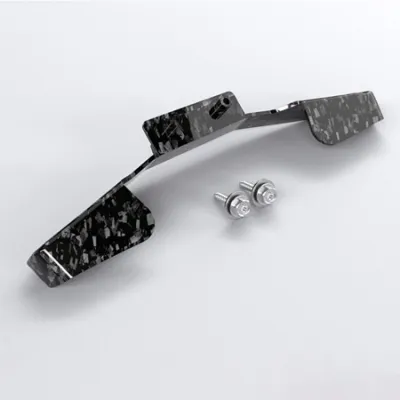
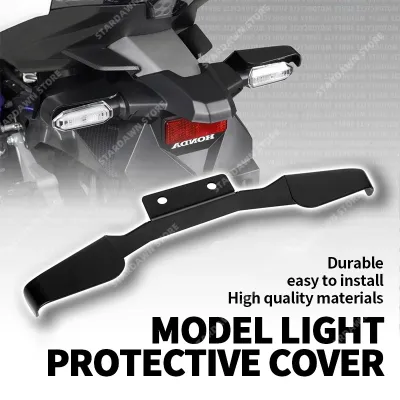
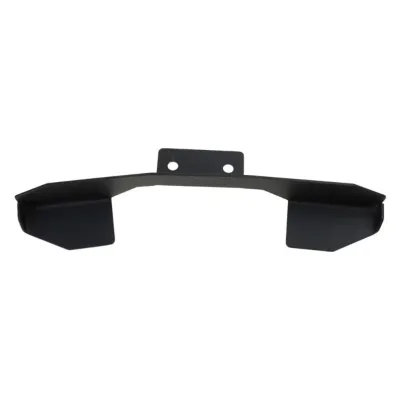
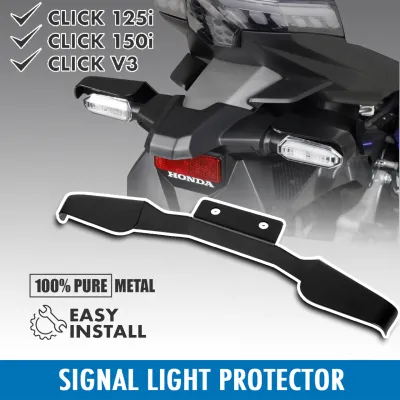
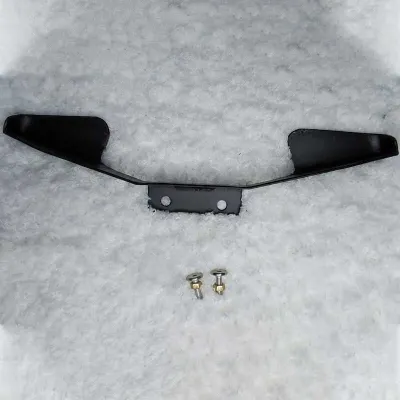
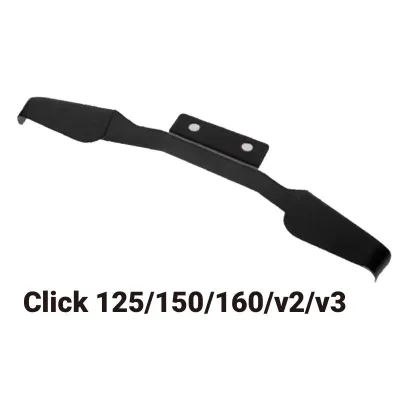
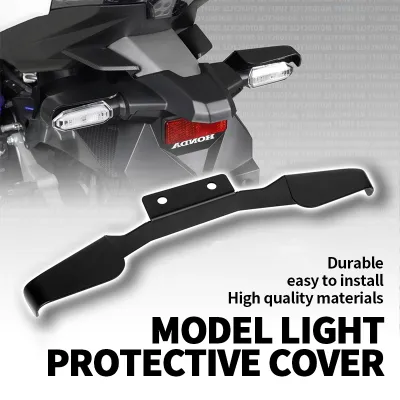
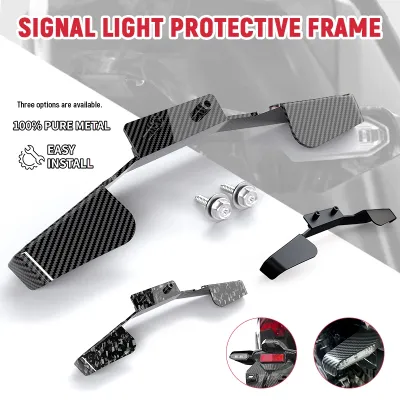
Prices are valid at publication and may change. Please refer to the product page for the latest price.
Furthermore, the country’s intense tropical climate exposes motorcycles to extreme weather shifts, ranging from intense ultraviolet (UV) radiation to severe monsoon rains and typhoons. Unprotected signal light lenses are highly susceptible to UV-induced oxidation, which causes the clear plastic to turn yellow, brittle, and cloudy over time. Once a lens develops even a minor hairline crack from a stone chip, rainwater and high humidity can easily penetrate the housing, leading to electrical shorts, corroded bulb sockets, and premature bulb failure.
Click-type or click-on protectors are specifically engineered to address these challenges by providing a sacrificial outer shield. These accessories are designed to snap directly into the existing panel gaps surrounding the signal light housing or utilize precision-aligned, automotive-grade adhesive tabs to secure themselves in place. Because they require no drilling, self-tapping screws, or permanent alterations to the motorcycle’s fairing, they preserve the structural integrity of your bike.
For riders concerned about long-term value, keeping the OEM lenses in pristine condition is highly beneficial. Cracked, faded, or moisture-damaged signal lights significantly reduce a motorcycle’s resale value and can cause a vehicle to fail the roadworthiness inspections required for annual Land Transportation Office (LTO) registration. Installing a easily removable click-type protector ensures that the expensive factory light assemblies remain as clean and intact as the day the motorcycle rolled out of the showroom.
What to Look for When Choosing a Signal Light Protector
Selecting the right signal light protector requires balancing physical protection, optical performance, and legal compliance. Not all protectors are manufactured to the same standards, and choosing an inferior product can compromise both your safety and your motorcycle’s road legality.

Material Durability and Impact Resistance
The primary defense mechanism of any hard-shell protector lies in its base material. Polycarbonate (PC) is widely considered the gold standard for impact resistance in motorcycle accessories. This thermoplastic polymer is highly flexible, virtually shatterproof, and capable of absorbing and deflecting high-velocity impacts from gravel and road debris without cracking. If your daily commute involves traversing unpaved roads, construction zones, or provincial highways, a polycarbonate protector offers the highest level of physical security.
Acrylic, often referred to as polymethyl methacrylate (PMMA), is another common material used in budget-friendly protectors. Acrylic boasts exceptional optical clarity and is highly resistant to UV rays, meaning it will not yellow as quickly as untreated plastics. However, acrylic is inherently brittle compared to polycarbonate. Under a sharp, direct impact from a large stone, an acrylic protector is much more likely to crack or shatter, though it may still succeed in absorbing the energy before it reaches the OEM lens.
Thermoplastic Polyurethane (TPU) represents a different approach to protection, typically utilized in flexible, film-based protectors rather than rigid shells. TPU is highly elastic, optically clear, and possesses unique self-healing properties, allowing minor surface scratches to disappear when exposed to gentle heat or sunlight. While TPU films provide outstanding defense against scuffs, abrasions, wash scratches, and UV degradation, they lack the structural rigidity required to protect the lens from heavy, blunt-force impacts that could crack the underlying housing.
Light Transmittance and Road Legality
Safety must always remain your top priority when modifying any lighting component on a motorcycle. Any protector you install must maintain high light transmittance, ensuring that your turn signals remain clearly visible to other motorists, pedestrians, and traffic enforcers during both bright daylight and heavy nighttime rain. Heavily tinted, smoked, or aggressively textured covers might offer a customized aesthetic, but they significantly reduce the lumen output of your indicators, creating a severe safety hazard.
In the Philippines, the Land Transportation Office (LTO) strictly regulates vehicle lighting under Republic Act No. 4136 and subsequent administrative orders. According to these regulations, signal lights must emit a clear amber or yellow light to the front and rear (or red to the rear in specific configurations) and must be visible from a designated distance without obstruction. Installing a protector that alters the color of the light beam, distorts the beam pattern, or reduces visibility can result in heavy fines, roadside apprehensions, and registration failure.
To ensure full compliance and maximum safety, look for protectors made from clear, optical-grade materials that feature built-in UV stabilizers. These UV-treated materials prevent the protector itself from yellowing and clouding over time due to sun exposure. Regularly inspect the protector to ensure that dirt, road grime, or water spots have not accumulated on the inner or outer surfaces, as any reduction in light output directly compromises your visibility on the road.
Fitment and the "Click" Installation Mechanism
When shopping for protectors, avoid products marketed as “universal” rigid covers. Modern motorcycles and scooters feature highly complex, aerodynamic, and angular fairing designs. A protector that does not perfectly match the specific contours of your motorcycle’s bodywork will not seat correctly, leading to poor aesthetics, excessive vibration, and a high risk of the protector flying off at high speeds.
Always verify product compatibility by matching the protector to your motorcycle’s exact brand, model, engine displacement, and specific production year. Manufacturers frequently introduce subtle design updates and facelifts during a model’s lifecycle, which can alter the shape, size, or mounting points of the signal light lenses even if the overall model name remains the same. For example, a protector designed for an older iteration of a popular scooter may not fit the latest version due to revised body panels.
Understanding the specific “click” or attachment mechanism is equally important. True click-on designs feature integrated molded plastic tabs that gently slide into the existing gaps between the signal light lens and the surrounding fairing, snapping securely into place without adhesives. Other high-quality options utilize a hybrid approach, using precision-molded edges lined with thin strips of automotive-grade double-sided tape (such as 3M VHB). This tape provides a secure, vibration-dampening hold while remaining completely removable without damaging the underlying plastic or paint.
Top Categories of Click-On Signal Light Protectors to Consider
To help you narrow down your choices, click-on protectors can be grouped into three primary categories based on their design, material composition, and intended riding applications.
Model-Specific Snap-On Acrylic or PC Covers
Model-specific rigid covers are the most popular choice among daily city commuters and scooter riders in the Philippines. These protectors are injection-molded to match the exact, complex curvatures of widely used local models, such as the Honda Click series, Yamaha NMAX, and Suzuki Address. They act as a hard secondary skin over your factory indicators, providing robust protection against side impacts, parking lot scrapes, and flying gravel.
Most high-quality rigid covers are secured using a combination of precision snap-fit edges and pre-applied, weather-resistant adhesive strips. To install them, you simply align the cover with the factory lens and press firmly until the adhesive bonds or the tabs engage. This seamless integration maintains the sleek, sporty lines of modern scooters while offering a highly durable physical shield.
- Pros: Excellent physical impact protection; seamless, factory-like aesthetic integration; highly durable against larger debris.
- Cons: Strictly limited to specific motorcycle models and production years; can trap fine dust, moisture, or road salt between the protector and the OEM lens if the installation surface is not perfectly clean and sealed.
Universal Flexible TPU Film Protectors
For riders who own older motorcycle models, customized builds, or bikes with unique aftermarket signal lights that lack dedicated hard-shell options, flexible TPU film protectors are an excellent alternative. These are essentially high-grade paint protection films (PPF) pre-cut to match common lens shapes or sold in small sheets that can be trimmed to fit. They are applied directly to the lens surface using a wet-application method similar to installing a smartphone screen protector.
Once applied, a high-quality TPU film is virtually invisible, preserving the exact original look of your motorcycle while providing continuous defense against fine scratches, swirl marks from washing, and UV degradation. The elastic nature of TPU allows it to absorb the energy of minor stone impacts, preventing the underlying plastic from chipping or pitting.
- Pros: Highly versatile and adaptable to almost any lens shape; completely waterproof and dustproof once bonded; will not trap moisture or debris; excellent UV and scratch resistance.
- Cons: Provides minimal protection against heavy, blunt-force impacts; requires a careful, patient installation process to avoid trapping air bubbles or dust particles.
Clip-On Grille and Cage Guards
If you frequently ride on unpaved provincial roads, engage in light off-roading, or use your motorcycle for utility and delivery services, clip-on grille or cage guards offer the most rugged protection available. Typically constructed from powder-coated steel wire or high-impact composite plastics, these guards feature a grid or slotted design that physically blocks large stones, tree branches, and other heavy hazards from contacting the signal light lens.
While traditional metal guards often require drilling or bolting into the motorcycle’s frame, modern clip-on variants utilize specialized tension clips or snap-on brackets. These brackets mount securely to existing structural points, such as mirror stems, fairing bolts, or the edges of the headlight housing, allowing for a sturdy installation without permanent modifications to your bike.
- Pros: Unmatched defense against heavy impacts, branches, and drops; gives the motorcycle a rugged, adventure-ready appearance.
- Cons: The physical metal or plastic bars can cast shadows or fragment the light beam if not properly designed, potentially violating LTO visibility standards; adds slight weight and aerodynamic drag; more difficult to clean around the lens area.
How to Properly Install and Maintain Your Protectors
To ensure your click-type signal light protectors perform optimally and do not cause unintended damage to your motorcycle’s original parts, follow these systematic installation and maintenance steps. Before beginning, always consult your motorcycle’s owner’s manual for any specific warnings regarding fairing disassembly or electrical components, and read the instructions provided by the protector manufacturer.
- Preparation: Proper surface preparation is critical for any protector that relies on adhesive tape or a flush fit. Begin by thoroughly washing the OEM signal light lenses and the surrounding fairings with a mild motorcycle shampoo to remove loose dirt and mud. Once dry, use a clean microfiber cloth dampened with isopropyl alcohol or a dedicated automotive plastic cleaner to strip away residual road oil, wax, polish, or detailing sprays. Ensure the cleaning agent is explicitly authorized for use on automotive plastics. The surface must be 100% dry and free of any oily residue before proceeding, as even microscopic oil films will prevent adhesives from bonding securely.
- Installation: Before removing any adhesive backing, perform a "dry fit" by holding the protector against the lens to confirm perfect alignment and identify how the locking tabs or edges engage. Once you are confident in the positioning, peel off the protective film from the adhesive backing (if applicable). Align the protector starting from one edge—typically the top or inner corner—and gently flex the protector if necessary to guide the snap-in tabs into the fairing gaps. Once aligned, press firmly along the entire perimeter of the protector for at least 30 to 60 seconds to activate the pressure-sensitive adhesive. Avoid exposing the motorcycle to water, rain, or high-speed riding for at least 24 hours to allow the adhesive bond to fully cure.
- Maintenance: Over time, fine dust, road salt, and moisture can migrate into the microscopic gaps between a rigid snap-on protector and the OEM lens. If left unaddressed, this trapped debris can act as an abrasive, scratching the factory lens due to engine vibrations, or it can trap humidity, leading to condensation and lens clouding. Every three to six months, or immediately after riding through severe floods or heavy dust storms, carefully remove the protectors to clean both the inner surface of the shield and the outer surface of the OEM lens. Wash them with clean water and a mild soap, dry them completely, and reapply fresh automotive-grade double-sided tape if the original adhesive has degraded.
- Removal: If you need to remove an adhesive-backed protector to replace it or return the motorcycle to its stock configuration, do not attempt to pry it off with flathead screwdrivers or metal tools, as this will scratch the OEM lens and gouge the surrounding fairings. Instead, use a plastic trim removal tool or a piece of strong dental floss or fishing line. Gently slide the floss behind the protector and use a sawing motion to slice through the adhesive foam core. Once the protector is free, use an automotive adhesive remover that is safe for plastics to clean off any remaining residue, then polish the lens with a soft microfiber cloth.
Frequently Asked Questions (FAQ)
Will installing a signal light protector void my motorcycle warranty?
No, installing a high-quality, non-destructive click-on or snap-in signal light protector will generally not void your motorcycle’s manufacturer warranty. Because these accessories do not require you to cut or splice any factory wiring, drill holes into the frame, or alter the stock electrical system, they do not violate standard dealership warranty terms.
However, you must ensure that the protector is installed correctly and does not block airflow or trap excessive heat around high-output LED indicators. If a poorly designed or improperly installed protector traps moisture that leads to water ingress and subsequent electrical corrosion within the factory light housing, the dealership may deny warranty coverage for that specific electrical failure. Always choose precision-molded protectors and perform regular maintenance to keep the area clean and dry.
How do I clean a yellowed or scratched acrylic protector?
If your acrylic protector has developed fine surface scratches or light hazing, you can often restore its clarity using a mild, dedicated plastic polish or headlight restoration compound. Apply a small, dime-sized amount of the polish to a clean microfiber cloth and work it into the scratched area using light, circular pressure. Buff the residue away with a clean section of the cloth.
However, if the protector has turned deeply yellow or cloudy, this is a clear sign of severe UV degradation that has penetrated throughout the polymer structure. In this scenario, polishing the surface will not restore optimal light transmittance, and the plastic itself has likely become brittle and prone to shattering. Because signal light visibility is a critical safety and legal requirement, you should replace a heavily yellowed or deeply cracked protector entirely rather than attempting to salvage it.
Are click-on protectors waterproof during heavy typhoons?
While the materials used to make click-on protectors—such as polycarbonate, acrylic, and TPU—are completely waterproof and impervious to rain, the physical connection between a rigid snap-on cover and your motorcycle’s lens is not hermetically sealed. During heavy tropical downpours, typhoons, or high-pressure washing, water can easily seep into the small gaps between the protector and the factory lens.
This temporary water intrusion does not harm the protector itself, but prolonged moisture entrapment can lead to condensation buildup, which dims your signal lights and can accelerate the oxidation of the OEM lens. To prevent this, avoid directing high-pressure water jets directly at the edges of the protectors when washing your motorcycle. After riding through heavy rain or washing your bike, inspect the indicators; if you notice persistent condensation trapped inside, remove the protectors, dry the surfaces thoroughly, and reinstall them.
Community discussion
Share your experience or ask a question. Comments are reviewed before publication.