
The Honda Click 125i is one of the most popular automatic scooters on Philippine roads, highly regarded for its fuel efficiency, modern styling, and reliable liquid-cooled engine. However, the stop-and-go traffic of metropolitan areas like Manila and Cebu, combined with steep provincial terrains and high tropical humidity, places immense stress on the scooter’s Continuously Variable Transmission (CVT). At the heart of this system lies the clutch lining, which is responsible for transferring rotational energy from the engine to the rear wheel. When this component wears down, your ride can quickly become sluggish, inefficient, and frustrating.
Choosing the best clutch lining replacement for your Honda Click 125i depends heavily on your daily riding conditions, budget, and performance expectations. For the vast majority of daily commuters, Genuine Honda OEM clutch linings offer the most reliable, smooth, and predictable performance. If you frequently carry heavy loads, ride with a passenger, or navigate steep mountain passes, upgraded aftermarket composite linings provide superior heat resistance and stronger initial bite. Meanwhile, budget-conscious riders can find reliable standard-grade aftermarket replacements, provided they carefully verify the manufacturing quality to avoid dangerous counterfeits.
Signs Your Honda Click 125i Needs a New Clutch Lining
Diagnosing a worn clutch lining early can prevent secondary damage to other critical CVT components, such as the clutch bell or the drive belt. One of the most common indicators of a failing clutch lining is RPM flaring without a proportional increase in speed. When you twist the throttle, you might hear the engine revving high, but the scooter hesitates or takes several seconds to gather momentum. This mismatch occurs because the friction material on the clutch shoes has worn too thin to grip the inner surface of the clutch bell effectively under load.
Products mentioned in this guide
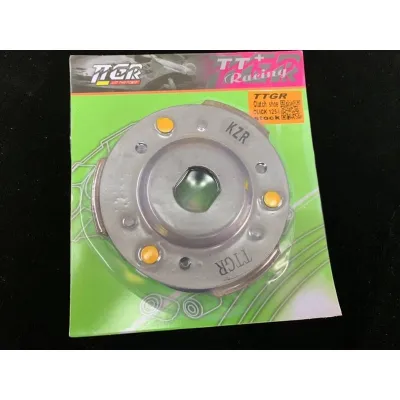
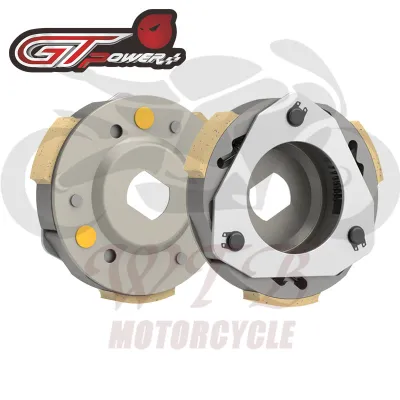
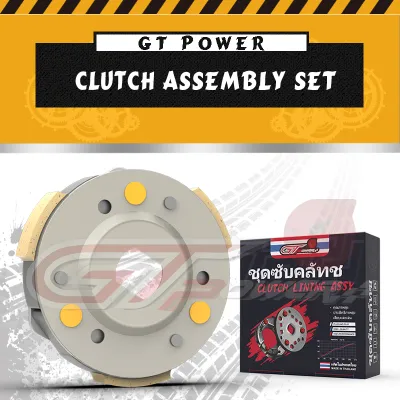
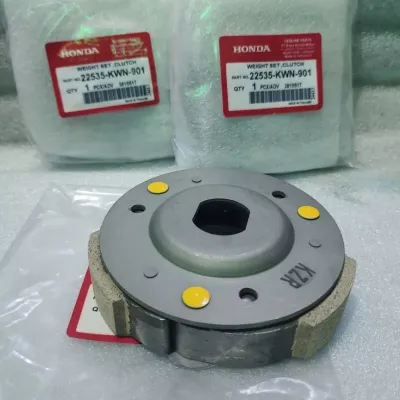
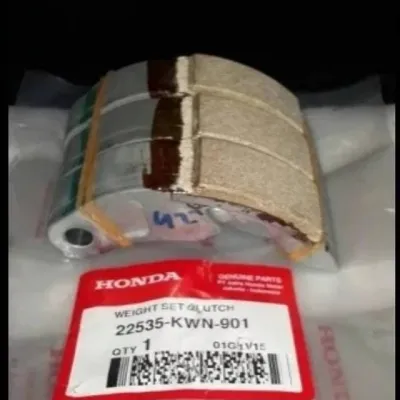
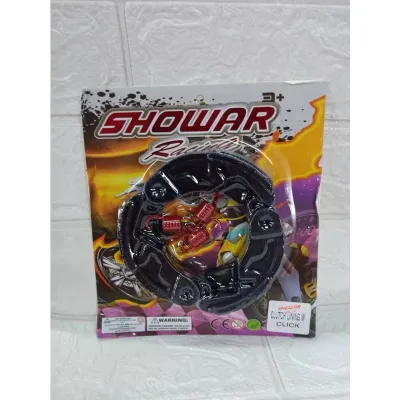
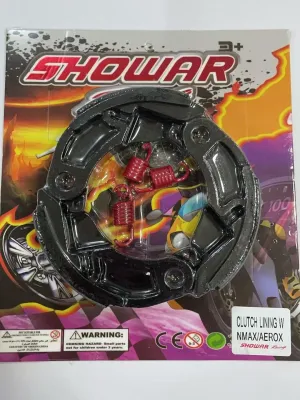
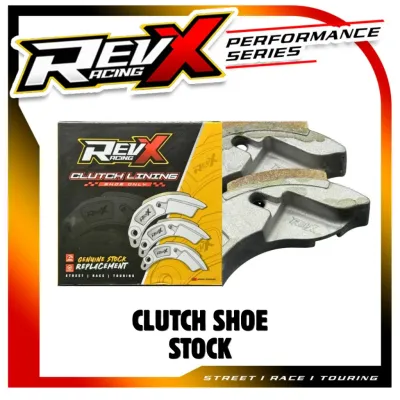
Prices are valid at publication and may change. Please refer to the product page for the latest price.
Another unmistakable symptom is a sluggish or shuddering take-off from a complete stop, often referred to locally as “drag” or “palyado” at low speeds. As the centrifugal clutch attempts to engage, worn or unevenly worn linings slip repeatedly against the bell instead of locking smoothly. This slippage creates a violent vibration that travels through the chassis of the scooter. Additionally, you may hear an unusual squealing or chirping noise coming from the rear section of the CVT casing during acceleration, which points to metal-on-metal contact or extreme friction glaze.
It is vital to distinguish between a slipping clutch caused by worn linings and other common CVT issues. For instance, a glazed clutch bell—where the inner surface becomes polished and mirror-like due to heat—can cause similar slipping symptoms even if the linings have adequate thickness. Similarly, a worn, cracked, or stretched drive belt can slip on the pulleys, mimicking clutch issues. To determine the exact cause, you must safely remove the CVT cover to perform a thorough visual inspection.
During a visual inspection, check the thickness of the friction pads on the three clutch shoes. If the material is worn down to less than 1.5 millimeters, or if it is approaching the metal backing plate, immediate replacement is necessary. You must also look for signs of oil or grease contamination on the linings. A leaking rear transmission oil seal or crankcase seal can spray lubricant onto the clutch assembly, completely neutralizing the friction coefficient and causing severe slippage regardless of how much lining material remains.
OEM vs. Aftermarket: Which Clutch Setup Fits Your Riding Style?
When planning a replacement, you will face a fundamental choice between purchasing Original Equipment Manufacturer (OEM) Honda parts or opting for aftermarket alternatives. Understanding how these options align with your specific riding habits is key to making a cost-effective and satisfying decision.

Genuine Honda OEM clutch linings are engineered specifically for the Click 125i’s stock power output and weight. These linings feature a carefully calibrated friction coefficient designed to deliver a smooth, progressive engagement. When you twist the throttle, the transition from a standstill to motion is linear and predictable, minimizing rider fatigue in heavy stop-and-go traffic. OEM components also offer excellent standard durability under normal operating conditions and are designed to wear in harmony with the stock clutch bell, preventing premature wear on the more expensive metal drum.
In contrast, aftermarket clutch linings are engineered to alter these engagement characteristics. Many aftermarket manufacturers use alternative friction compounds, such as carbon-kevlar, ceramic, or sintered metal, which can withstand much higher operating temperatures before experiencing thermal fade. These materials often provide a more aggressive “bite,” meaning the clutch shoes lock onto the bell at a lower RPM or with greater force. This is highly beneficial for modified scooters with upgraded variators, lighter flyweights, or increased engine displacement, where the stock clutch might slip under the increased torque.
Another critical decision point is whether to replace the entire clutch shoe assembly or attempt to bond new friction pads onto your existing metal shoes. Replacing the complete assembly—which includes the backing plates, pivot pins, damper rubbers, and shoe springs pre-assembled—is the industry-recommended method. It ensures that the weight of each shoe is perfectly balanced, preventing high-speed vibrations that can damage the input shaft bearings. Conversely, bonding or riveting new friction pads onto old shoes is a localized practice that requires specialized industrial adhesives, precise clamping, and accurate grinding. If done incorrectly, the friction pad can delaminate or tear away at high speeds, locking up the transmission and causing a catastrophic rear-wheel lockup.
For the daily commuter navigating the flat, congested streets of Metro Manila, the OEM setup represents the safest and most comfortable choice, preserving factory fuel economy and smooth operation. For delivery riders, couriers, or those living in hilly regions like Rizal or Benguet, the higher heat tolerance of a premium aftermarket lining is often worth the trade-off of a slightly firmer engagement and higher initial cost.
Recommended Clutch Lining Categories for the Click 125i
To help you navigate the vast array of options available in the Philippine motorcycle parts market, we have categorized the most reliable clutch lining choices into three distinct tiers based on performance, durability, and budget.
Genuine Honda OEM Parts for Reliable Daily Commuting
For riders who use their Honda Click 125i primarily for daily commuting to work, running errands, or occasional pillion riding with family, the Genuine Honda OEM clutch shoe assembly remains the gold standard. These parts are manufactured under strict quality control guidelines to ensure perfect compatibility with the Click 125i’s engine casing, shaft splines, and clutch bell dimensions.
The primary advantage of the OEM route is its unmatched refinement. The friction material is formulated to engage quietly and smoothly, reducing the harsh vibrations that can make long commutes uncomfortable. Because the engagement is progressive, it helps maintain the scooter’s excellent factory fuel efficiency by preventing unnecessary engine revving before power is transferred to the wheel. Furthermore, using genuine parts preserves any remaining manufacturer warranties and ensures that replacement intervals remain predictable, typically lasting between 15,000 to 25,000 kilometers depending on your riding style.
However, OEM linings do have limitations. They are designed for standard operating temperatures. If you frequently subject your scooter to extreme continuous loads—such as climbing steep mountain roads with a heavy passenger in the heat of midday—the organic binders in the OEM lining can overheat, leading to temporary clutch fade and slippage until the unit cools down.
Upgraded Aftermarket Linings for Heavy Loads and Performance
If your daily routine involves carrying heavy cargo, operating as a commercial delivery rider, or navigating steep provincial routes, upgrading to a high-performance aftermarket clutch lining is highly beneficial. This category is also essential for riders who have modified their CVT systems with stiffer center springs, lighter pulley rollers, or aftermarket bells.
Reputable aftermarket brands utilize advanced materials like carbon-kevlar composites or sintered copper-ceramic mixtures. These materials are engineered to maintain a stable friction coefficient even at temperatures exceeding 300 degrees Celsius, virtually eliminating clutch fade during prolonged uphill climbs or heavy stop-and-go hauling. The initial bite of these linings is significantly stronger, reducing the duration of clutch slippage during engagement and translating to crisper, more immediate throttle response.
While these performance benefits are appealing, they come with distinct trade-offs. The aggressive friction material can cause a harsher, more abrupt engagement at low speeds, which some riders find jerky in tight traffic. Additionally, because the lining material is harder than the stock organic compound, it will accelerate the wear on your clutch bell. If you choose a high-friction aftermarket lining, you must pair it with a high-quality, hardened aftermarket clutch bell to prevent the drum from wearing thin or warping prematurely.
Standard Economy Linings for Budget-Conscious Replacements
For riders on a tight budget who need to get their scooter back on the road without spending premium prices, standard-grade aftermarket replacements offer a viable middle ground. These components are designed to mimic the dimensions and performance characteristics of the OEM parts but are manufactured by third-party brands at a more accessible price point.
When shopping in this category, you must exercise caution and conduct basic quality checks. Inspect the backing plate of the clutch shoes; it should be made of thick, high-grade cast aluminum or steel without any visible casting flaws, cracks, or sharp, unfinished edges. The friction pads must be securely bonded or riveted to the metal backing plates, with no gaps or adhesive squeeze-out that could interfere with the pivot movement.
You should strictly avoid ultra-cheap, unbranded, or generic clutch linings sold without clear manufacturing origins. These low-end parts often use inferior binding resins that degrade rapidly under moderate heat. This leads to rapid glazing, where the lining surface becomes hard and glassy, or worse, complete delamination where the friction pad detaches entirely from the shoe while riding. Investing a few hundred pesos more in a recognized, mid-tier aftermarket brand is a small price to pay for your safety on the road.
How to Buy Authentic Parts and Avoid Fakes in the Philippines
The popularity of the Honda Click 125i in the Philippines has unfortunately made it a prime target for counterfeit parts manufacturers. Installing a fake clutch lining not only wastes your money due to rapid wear, but it also poses a severe safety hazard if the component fails at high speeds. Sourcing your parts carefully is the most effective line of defense.
To guarantee authenticity, the safest option is to purchase Genuine Honda parts directly from authorized Honda 3S (Sales, Service, and Spare Parts) dealerships or certified Honda parts distributors. These establishments source their inventory directly from Honda Philippines, ensuring that you receive genuine components packaged in original boxes with valid part numbers.
If you prefer to shop on major online marketplaces or e-commerce platforms, you must navigate them with a high degree of scrutiny. Always look for official brand stores or sellers with “Mall,” “Preferred,” or “Authorized Dealer” badges. Do not rely solely on the product title or stock photos. Scroll down to the user review section and examine recent feedback from actual buyers. Look specifically for reviews that include high-resolution photos and videos of the product, paying close attention to comments regarding packaging quality and fitment.
When inspecting a clutch lining physically, there are several red flags that distinguish a counterfeit from a genuine part:
- Packaging Quality: Genuine Honda parts are packaged in high-quality, thick plastic bags or sturdy cardboard boxes with crisp, clear red-and-white printing. Counterfeits often use flimsy, thin plastic packaging with blurry text, off-center logos, or spelling errors.
- Holographic Stickers: Authentic Honda parts packaging features a complex holographic security sticker that shifts colors and reveals hidden patterns when tilted under light. Fake stickers are often simple metallic prints that do not change appearance dynamically.
- Manufacturing Finish: Inspect the aluminum hub and pivot points of the clutch shoes. Genuine parts have a smooth, clean, precision-machined finish. Counterfeits frequently exhibit rough, cast surfaces, uneven paint coatings, visible metal burrs, or loose-fitting pivot dampers.
- Friction Material Texture: The friction pads on authentic linings are dense, uniform, and securely bonded. Fake linings often have crumbly, unevenly cut pads with visible air pockets or loose fibers.
If you are unsure about sourcing parts yourself, visit a reputable local motorcycle repair shop that has a proven track record in your community. Established shops rely on their reputation and typically source their inventory from trusted regional distributors, offering you peace of mind and professional guidance.
Installation Safety and CVT Maintenance Guidelines
Replacing a clutch lining is a critical mechanical procedure that directly impacts the safety and drivability of your motorcycle. Before attempting any disassembly, you must understand the safety boundaries and mechanical risks involved.
Removing and installing the centrifugal clutch assembly requires specialized tools. You will need a dedicated clutch holding tool (often a Y-spanner or a specialized holder) to secure the clutch bell and pulley while loosening the retaining nuts. An impact wrench or a properly calibrated torque wrench is essential to ensure that the nuts are tightened to the exact manufacturer-specified torque values. Attempting to loosen or tighten these high-torque nuts using makeshift tools like hammers, chisels, or screwdrivers can easily bend the transmission input shaft, strip the threads, or crack the aluminum engine casing, resulting in extremely costly repairs.
Furthermore, the clutch shoes are held under high tension by the clutch center spring (compression spring). When disassembling the clutch carrier assembly to replace the shoes, the spring must be compressed safely using a clutch spring compressor tool or a heavy-duty bench vise. If the retaining nut is removed without securing the spring, it can violently shoot outward, causing severe facial or hand injuries and damaging surrounding components. If you do not possess these specialized tools, a clean workspace, or the necessary mechanical experience, you should delegate the installation to a qualified professional motorcycle technician.
While the CVT case is open, it is crucial to perform comprehensive maintenance rather than just swapping the clutch shoes. Use a dedicated brake and parts cleaner, applied strictly according to the manufacturer’s label instructions, to wash away accumulated belt dust, road grime, and debris from the crankcase. Inspect the inner friction surface of the clutch bell (drum) carefully. Look for deep scoring, grooves, or a blueish discoloration, which indicates severe overheating (bluing). A warped, glazed, or damaged clutch bell will rapidly destroy your new clutch linings, causing immediate slippage and vibration. If the bell shows significant wear, it must be replaced or professionally resurfaced.
Always verify your specific vehicle model year, interface, dimensions, mounting position, road legality, and safety impact from the official product and vehicle documentation before proceeding. If the manufacturer instructions conflict, the item is unidentified, or the use is not covered by standard guides, stop immediately and consult the manufacturer or a qualified professional.
Once the new clutch lining is installed and the CVT is reassembled according to the original-vehicle instructions, you must perform a proper bed-in procedure. Avoid aggressive acceleration, heavy loads, or high-speed runs for the first 50 to 100 kilometers of riding. Applying gentle, progressive throttle during this initial period allows the new friction pads to mate evenly with the inner surface of the clutch bell. This step maximizes the contact patch, prevents localized overheating, and ensures the long-term durability and performance of your new clutch setup.
Frequently Asked Questions (FAQ)
Can I replace just the friction pads instead of the entire clutch shoe assembly?
While it is technically possible to purchase and bond replacement friction pads onto your existing clutch shoes, it is highly discouraged for daily riders. This process requires grinding off the old friction material, applying specialized high-temperature adhesives, and curing them under precise pressure and heat. Any minor error in alignment or bonding strength can cause the pad to delaminate at high speeds, leading to sudden transmission lockup and a dangerous loss of control. For safety, reliability, and ease of installation, purchasing the complete pre-assembled clutch shoe assembly is the best approach. It ensures factory-balanced weight distribution and eliminates the risk of adhesive failure.
Does a worn clutch bell affect the performance of new clutch linings?
Yes, a worn, warped, or glazed clutch bell will severely degrade the performance and lifespan of your new clutch linings. If the inner surface of the bell is scored or uneven, the new friction pads will only make contact at high spots, reducing the overall gripping area and causing immediate slippage. If the bell has turned blue from extreme heat, its metal structure has been compromised, making it prone to warping under load. Always inspect the clutch bell during a lining replacement; if it shows signs of damage, replace it alongside the linings to ensure a smooth, durable, and safe power transfer.
Community discussion
Share your experience or ask a question. Comments are reviewed before publication.