
The Honda PCX 160 is one of the most popular premium scooters in the Philippines, prized for its refined eSP+ 4-valve engine and smooth power delivery. However, maintaining this smooth ride requires keeping a close eye on the Continuously Variable Transmission (CVT) system, where the clutch shoes play a vital role. The clutch shoes, often referred to locally as the clutch lining, are responsible for transferring rotational force from the engine’s rear pulley to the clutch bell, which ultimately drives the rear wheel.
In the tropical climate of the Philippines, where riders frequently face intense heat, high humidity, and grueling stop-and-go traffic in urban hubs like Metro Manila, Cebu, or Davao, the CVT system undergoes severe thermal stress. This constant friction and heat eventually wear down the clutch shoes, leading to a loss of acceleration and noticeable ride discomfort.
To restore your scooter’s factory-smooth performance, choosing the right clutch shoe replacement is essential. Genuine Honda OEM parts are widely considered the safest and most reliable choice, offering guaranteed compatibility, precise fitment, and predictable engagement speeds. On the other hand, reputable aftermarket brands provide cost-effective alternatives and specialized friction compounds designed to withstand high heat and heavy daily commuting. When selecting a replacement, you must verify the exact part number for the PCX 160, as components designed for the older PCX 150 are not compatible with the updated eSP+ transmission design.
Products mentioned in this guide
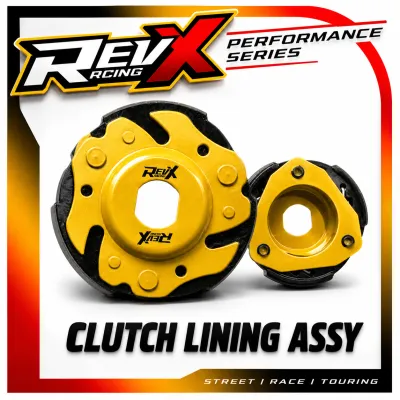
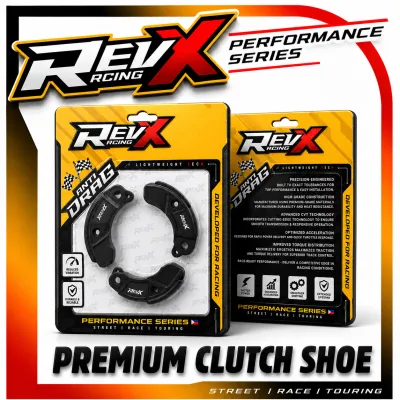
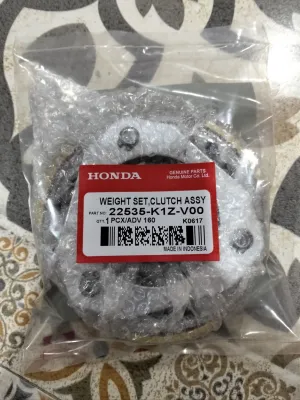
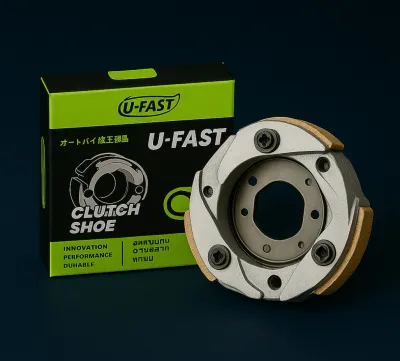
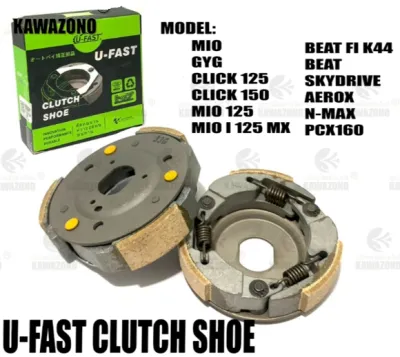
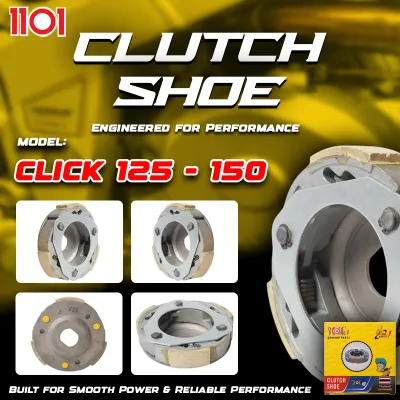
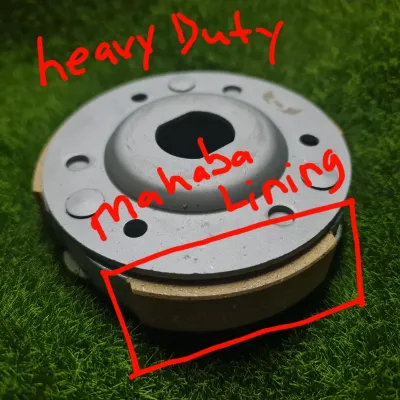
Prices are valid at publication and may change. Please refer to the product page for the latest price.
Signs Your PCX 160 Needs a Clutch Shoe Replacement
Diagnosing a worn clutch assembly before purchasing replacement parts can save you time and money. One of the most common symptoms of degraded clutch shoes is a distinct shuddering or dragging sensation during initial acceleration from a complete stop. This vibration, often described by local riders as “palyado” or “dragging,” occurs when the clutch shoes fail to grip the inner surface of the clutch bell smoothly, causing them to slip and grab repeatedly.
Another clear sign of wear is low-speed slipping. If you notice that your engine’s RPMs increase significantly when you twist the throttle, but the scooter hesitates to move forward or accelerate, the friction material on the shoes has likely worn too thin. This lack of material prevents the centrifugal force from creating enough friction to lock the shoes against the clutch bell, resulting in wasted engine power and decreased fuel efficiency.
Unusual noises originating from the left rear side of the scooter, specifically inside the CVT casing, also indicate potential clutch issues. A high-pitched squeaking, chirping, or metallic scraping sound during takeoff suggests that the friction lining has worn down to the metal backing plate. Operating the scooter in this condition will quickly score and destroy the clutch bell, leading to a much more expensive repair.
Delayed clutch engagement is another performance-related symptom to watch out for. When the clutch shoes or the small clutch springs are worn out, the engagement RPM changes. You might feel a sudden, jerky engagement after a brief delay, rather than the seamless, progressive acceleration characteristic of a healthy PCX 160 CVT system.
While these symptoms point toward clutch wear, they can sometimes overlap with other CVT issues, such as a stretched drive belt, flat spots on the roller weights, or a weakened torque spring. A stretched belt often produces a slipping sensation at higher speeds, while worn roller weights typically cause flat spots in acceleration. To confirm the root cause, a visual inspection of the clutch assembly is necessary.
To perform a proper inspection, the CVT cover must be removed to access the rear pulley assembly. Measure the thickness of the clutch shoe friction lining using a digital caliper or micrometer. Compare your measurements against the wear limit specified in the official Honda PCX 160 service manual, which is typically around 2.0 millimeters. Additionally, inspect the shoes for glazing—a condition where extreme heat turns the friction material into a hard, shiny, glass-like surface that drastically reduces grip. Check also for cracks, uneven wear patterns, or degraded rubber dampers behind the shoes.
OEM vs. Aftermarket Clutch Shoes: Comparing Your Options
When it comes to replacing your PCX 160’s clutch shoes, you generally have two main pathways: purchasing Original Equipment Manufacturer (OEM) parts from Honda or opting for third-party aftermarket alternatives. Each option presents distinct trade-offs regarding cost, longevity, and performance characteristics.

Your decision should depend on your daily riding conditions, budget, and how comfortable you are with verifying part specifications. Commuters who carry heavy loads or navigate steep terrain daily might look for aftermarket compounds with higher thermal resistance, while those seeking a reliable, long-term return to factory standards will find OEM parts to be the most straightforward solution.
Genuine Honda OEM Clutch Shoes
Opting for Genuine Honda OEM clutch shoes guarantees that you are installing components engineered specifically for the PCX 160’s 157cc eSP+ engine. These parts are manufactured to precise tolerances, ensuring a perfect fit inside the factory clutch bell without any modifications. The friction material compound used in OEM shoes is formulated to provide a balanced combination of smooth engagement, minimal noise, and long-lasting durability under standard operating conditions.
Furthermore, OEM clutch shoes are designed to match the exact weight and spring tension calibrated by Honda’s engineers. This preserves the scooter’s original clutch engagement RPM, maintaining the predictable, linear throttle response you experienced when the vehicle was brand new. Sourcing these parts also minimizes the risk of compatibility issues that can sometimes plague third-party components.
However, genuine OEM parts generally carry a higher upfront cost compared to standard aftermarket alternatives. In the Philippines, you must also exercise caution when purchasing OEM parts online, as counterfeit components packaged in convincing replica Honda boxes are common. To ensure authenticity, always purchase genuine parts directly from authorized Honda 3S dealerships or certified parts distributors.
- Ideal User: Riders who prioritize reliability, hassle-free installation, and factory-standard performance. If you use your PCX 160 primarily for daily commuting and want to ensure maximum component lifespan without altering the scooter's riding dynamics, sticking with genuine Honda replacements is the most logical choice.
Trusted Aftermarket Alternatives
Reputable aftermarket clutch shoes offer an appealing alternative for riders looking to customize their transmission’s performance or save on replacement costs. Many established aftermarket manufacturers specialize in scooter transmissions, offering clutch shoes with advanced friction materials, such as carbon-composite or copper-fiber linings. These specialized compounds are designed to handle higher operating temperatures, making them highly resistant to glazing during prolonged stop-and-go riding in heavy traffic.
Some aftermarket clutch assemblies also feature slightly different weights or are paired with stiffer clutch springs. This raises the engagement RPM, allowing the engine to rev higher before the clutch grips the bell. For some riders, this results in a more responsive and energetic takeoff, which can be advantageous when navigating steep hills or carrying heavy pillion passengers.
Despite these potential benefits, the aftermarket landscape requires careful navigation. The local market contains numerous unbranded, suspiciously cheap clutch shoes that pose significant safety risks. These low-quality parts often use inferior adhesives to bond the friction material to the metal shoe. Under the high centrifugal forces and extreme heat generated within the CVT, the lining can detach completely, locking up the transmission and causing severe engine damage or a dangerous loss of control.
- Selection Criteria: To safely choose aftermarket options, stick to recognized motorcycle transmission brands with a proven track record in the local riding community. Look for products that come in secure, branded packaging with clear part number cross-references for the PCX 160. Reading reviews and seeking recommendations from established Honda PCX owners' clubs in the Philippines can help you identify brands that deliver reliable durability and performance.
What to Verify Before Purchasing Replacement Parts
Before finalizing your purchase of new clutch shoes, running through a strict verification checklist is crucial to avoid compatibility errors and safety hazards.
- Part Number Matching: Locate the correct OEM part number in your Honda PCX 160 owner's manual or official parts catalog. When browsing listings on local e-commerce platforms or physical shop shelves, cross-reference this number precisely. Even a single character difference in the suffix can indicate a part designed for a different model or market variant.
- Model Year Distinctions: It is critical to understand the model year distinctions between different generations of the Honda PCX. The PCX 160 features a completely redesigned eSP+ engine and an updated CVT transmission compared to the older PCX 150 models. The clutch bell diameter, the weight of the clutch shoes, and the dimensions of the rear pulley assembly have changed. Do not assume that clutch shoes labeled generally for "Honda PCX" will fit your 160cc model; always verify that the product is explicitly rated for the PCX 160 (K1Z engine series).
- Seller Verification: Seller verification is another vital line of defense against counterfeit or low-quality components. When shopping online, prioritize official brand flagship stores or highly rated specialty motorcycle parts shops with physical locations in the Philippines. Avoid listings that rely solely on generic stock photos, have poorly translated descriptions, or lack clear return and warranty policies. If purchasing from a local physical shop, inspect the packaging for holographic security labels, clear print quality, and official distributor markings.
- Kit vs. Individual Shoes: You must also decide whether to purchase individual clutch shoes or a complete assembly kit. Clutch shoes are sometimes sold as bare metal weights with friction linings attached, requiring you to reuse your old backing plate, damper rubbers, and springs. Alternatively, you can purchase a complete clutch weight set that includes new springs and dampers, or a full assembly that comes pre-assembled. If your mechanic notes that your existing clutch damper rubbers are hardened or your clutch springs have lost their tension, purchasing a complete kit is highly recommended to ensure all interacting components wear evenly.
Installation Safety and Professional Service Guidelines
Replacing the clutch shoes on a Honda PCX 160 is a safety-critical procedure that involves working inside the high-tension environment of the CVT system. Before beginning any disassembly or maintenance work, always read the replacement product’s label and your scooter manufacturer’s official service manual. If the instructions conflict, if the replacement part is unidentified, or if the specific procedure is not covered, stop immediately and consult an authorized Honda service center or a qualified professional motorcycle technician.
Servicing the clutch assembly requires specialized tools that the average rider may not have in their home garage. To safely remove the rear pulley and disassemble the clutch, you need a universal clutch holding tool (often called a Y-tool) to secure the clutch outer, a clutch spring compressor tool to safely manage the high tension of the center torque spring, and a calibrated torque wrench. Attempting to loosen or tighten the large clutch shaft nut using improper tools, such as a hammer and chisel or an uncalibrated impact wrench, can easily strip the threads, bend the input shaft, or cause the clutch spring to fly out violently, posing a severe risk of personal injury.
Incorrect torque application during reassembly is a leading cause of catastrophic transmission failure. If the clutch nut is under-torqued, it can back off while riding, causing the clutch assembly to wobble, destroy the CVT casing, and lock up the rear wheel at high speeds. Conversely, over-torquing can strip the delicate threads on the drive shaft, requiring an expensive engine teardown to replace. For these reasons, having the installation performed by a trained technician at an authorized service center is the safest and most reliable approach.
While the CVT case is open for the clutch replacement, a thorough inspection of the surrounding components should always be performed. Use a dedicated brake and clutch parts cleaner to remove accumulated belt dust and debris from the CVT housing. Before applying any cleaner, check the product’s label instructions to ensure it is safe for rubber seals, as harsh solvents can degrade the delicate O-rings inside the rear pulley assembly. Inspect the clutch bell (drum) carefully; look for deep scoring, grooves, or a blueish discoloration on the metal surface, which indicates severe overheating. A damaged or out-of-round clutch bell will rapidly destroy your new clutch shoes, so it must be replaced if any of these wear signs are present.
Frequently Asked Questions (FAQ)
How long do PCX 160 clutch shoes typically last?
The lifespan of PCX 160 clutch shoes varies significantly depending on your riding habits, passenger load, and the environment. In the Philippines, frequent stop-and-go city riding and carrying heavy loads accelerate wear due to constant clutch engagement and heat buildup. Rather than relying on a fixed mileage figure, you should follow the maintenance schedule in your Honda PCX 160 owner’s manual, which recommends inspecting the CVT system and clutch shoes every 12,000 kilometers or sooner if you experience shuddering or slipping.
Can I use PCX 150 clutch shoes on a PCX 160?
No, you should not use PCX 150 clutch shoes on a PCX 160. The PCX 160 features an updated eSP+ engine and a redesigned CVT transmission with different component dimensions, weights, and spring rates compared to the older PCX 150. Installing parts designed for the 150cc model can lead to improper fitment, incorrect clutch engagement RPMs, accelerated wear, and potential damage to your transmission. Always verify the exact part number to ensure compatibility with the PCX 160.
Is it safe to clean and reuse glazed clutch shoes?
Cleaning and reusing glazed clutch shoes is only a temporary, short-term fix and is not recommended for long-term safety or performance. Glazing occurs when extreme heat alters the chemical structure of the friction material, turning it into a hard, slippery surface. While lightly sanding the glazed layer with fine-grit sandpaper and cleaning it with authorized brake cleaner can temporarily restore some grip, the heat damage often penetrates deep into the compound. The glazing will quickly return, and the compromised material may crack or detach. Replacing the worn or glazed shoes is the only reliable solution.
Community discussion
Share your experience or ask a question. Comments are reviewed before publication.