
Quick Answer: The Best Coolant Choices for Your Honda Click
For the vast majority of Honda Click owners in the Philippines, the safest and most reliable choice is Honda Genuine Coolant. This original equipment manufacturer (OEM) fluid is specifically formulated to match the metallurgy of Honda’s small-displacement aluminum engines. It comes pre-mixed at a 50/50 ratio, meaning you do not need to add water, and it is entirely silicate-free to protect your water pump seals from premature wear.
If Honda Genuine Coolant is unavailable at your local dealer, the correct alternative is a high-quality, ethylene glycol-based, silicate-free (or organic acid technology, OAT) aftermarket coolant designed specifically for motorcycles or scooters. Never pour generic automotive coolant into your Honda Click, as these products often contain abrasive silicates or borates that can degrade motorcycle cooling systems.
Before purchasing any third-party fluid, always consult your specific Honda Click owner’s manual (whether you ride the Click 125i, 150i, or 160) to verify compatibility and check for any updated manufacturer specifications. Keeping your cooling system filled with the correct fluid is the single best way to prevent severe engine damage in our demanding climate.
Products mentioned in this guide
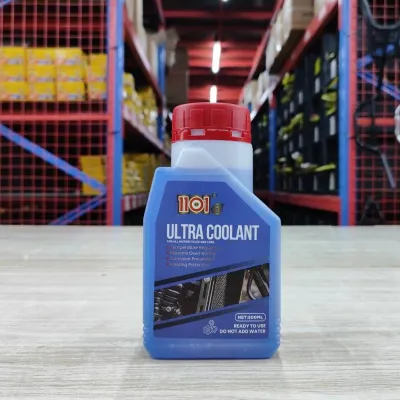
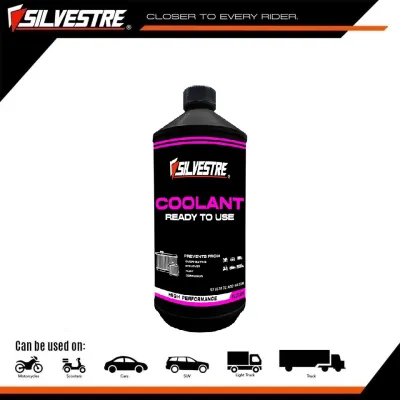
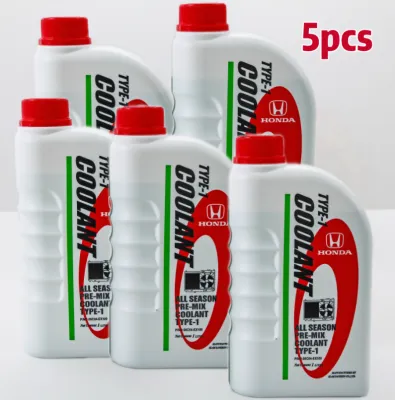
Prices are valid at publication and may change. Please refer to the product page for the latest price.
Why Tropical Heat Demands the Right Coolant Formulation
Riding a Honda Click in the Philippines presents a unique set of operating challenges. The combination of high ambient temperatures—often exceeding 35°C during the dry season—and intense traffic congestion in metropolitan areas like Metro Manila, Cebu, and Davao puts immense thermal stress on scooter engines. Unlike larger motorcycles that benefit from direct, high-speed airflow across a front-mounted radiator, the Honda Click utilizes a compact, side-mounted radiator cooled by a fan attached to the engine flywheel. This design is highly efficient for urban commuting, but it relies heavily on the chemical efficiency of the coolant to transfer heat away from the cylinder head.

Because the Honda Click’s cooling system is compact, it has a relatively small total coolant capacity (often less than one liter, including the reserve tank). This small volume leaves zero margin for cooling system degradation. When a scooter is idling in bumper-to-bumper traffic on asphalt that radiates additional heat, the engine temperature rises rapidly. If your cooling system is filled with degraded fluid or plain water, the liquid can quickly reach its boiling point, leading to localized boiling, steam pockets, and catastrophic engine overheating.
Using a dedicated coolant formulation instead of plain water is non-negotiable for several reasons:
- Boiling Point Elevation: High-quality ethylene glycol coolants raise the boiling point of the liquid well above 100°C when pressurized, preventing boil-over during extreme idling.
- Freezing and Corrosion Protection: While freezing is not a concern in the Philippines, corrosion protection is critical. Coolants contain specialized chemical inhibitors that prevent rust, scale, and cavitation inside the water pump, radiator tubes, and engine water jackets.
- Water Pump Lubrication: The coolant formulation lubricates the mechanical seals of the water pump. Without these lubricants, the seals dry out, crack, and cause coolant to leak into the engine oil or out of the pump’s weep hole.
4 Essential Specifications to Check Before Buying
When shopping at local auto supply shops or online motorcycle accessory stores, you will find a bewildering array of coolant options. To protect your Honda Click, use this four-point checklist to evaluate any aftermarket fluid before it enters your radiator.
1. Base Chemistry: Ethylene Glycol and Silicate-Free
The coolant must be ethylene glycol-based. Avoid propylene glycol formulations unless they are explicitly recommended by a certified technician for your specific model year. More importantly, the label must state that the product is silicate-free or uses Organic Acid Technology (OAT). Many standard automotive coolants contain silicates, which are microscopic glass-like particles used to inhibit corrosion in heavy-duty iron engines. In a scooter’s high-RPM water pump, these silicates act as an abrasive, rapidly destroying the delicate ceramic and rubber mechanical seals.
2. Pre-Mixed (50/50) vs. Concentrate
Always prefer 50/50 pre-mixed coolants. These products are blended at the factory using high-purity demineralized water, ensuring the perfect chemical balance. If you purchase a concentrated coolant, you must mix it yourself. You must never use tap water or mineral water from the store for this mixture. Tap water contains calcium, magnesium, and chlorine, which react with the hot aluminum inside your engine to form hard scale deposits. Over time, this scale coats the inside of the radiator tubes, acting as an insulator that blocks heat transfer and eventually clogs the system. If you use concentrate, mix it only with certified distilled or demineralized water.
3. Additive Package and Material Compatibility
Look for coolants that explicitly state they are safe for aluminum engines and formulated for motorcycles or scooters. Modern scooter engines are made primarily of aluminum alloys, which are highly susceptible to galvanic corrosion if the wrong chemical additives are introduced. Motorcycle-specific formulas are engineered to protect these soft metals without using aggressive phosphates, borates, or silicates that are common in older car coolants.
4. Color is Not a Standard
One of the most common mistakes riders make is buying a coolant simply because the color matches the fluid already in their reservoir. Coolant color (pink, blue, green, yellow, or orange) is merely a dye added by the manufacturer and is not a reliable indicator of chemical compatibility. For example, two different brands of blue coolant can have completely incompatible chemical bases, while a green coolant and a pink coolant might both be OAT-based and compatible. Always read the technical specifications on the back of the bottle rather than relying on visual color matching.
OEM vs. Aftermarket Coolants: Making the Right Choice
Deciding between Honda Genuine Coolant and an aftermarket alternative generally comes down to availability, convenience, and your willingness to read technical labels.
Honda Genuine Coolant (OEM)
Honda Genuine Coolant (often sold as Honda Type 2 Coolant in a distinctive blue color) is the gold standard for the Honda Click. Because it is engineered by the same company that designed your scooter, it guarantees absolute compatibility with the specific rubber gaskets, hoses, hoses clamps, and aluminum alloys used in your engine.
- Pros: Zero guesswork; pre-mixed with high-purity water; long-life formulation that resists chemical breakdown over thousands of kilometers; will not void your manufacturer warranty.
- Cons: Can be slightly more expensive per liter than generic fluids; sometimes out of stock at smaller provincial dealerships.
This is the highly recommended choice for riders who want peace of mind and do not want to spend time analyzing chemical labels.
High-Quality Aftermarket Alternatives
If you live in an area where the nearest Honda flagship dealer is far away, or if you prefer to use premium specialty lubricants, several reputable aftermarket brands offer excellent motorcycle-specific coolants. Brands such as Motul (with their Motocool line), Repsol, and other major lubricant manufacturers produce high-performance coolants that meet or exceed Honda’s requirements.
When choosing an aftermarket product, look for these specific standards on the label:
- JASO M325 or ASTM D3306: These standards indicate that the coolant has passed rigorous testing for corrosion protection and material compatibility in aluminum engines.
- No Amine, Borate, or Nitrite: Ensure the label explicitly states the formula is free of these aggressive chemical compounds.
- Check the Date: Always inspect the bottle for a manufacturing or expiration date. Coolant has a shelf life, and using old, settled fluid can introduce degraded additives into your system.
Avoid cheap, unbranded, or “universal” coolants found in generic hardware stores. These products are often poorly formulated and can cause rapid corrosion or gelling when mixed with residual OEM fluid.
How to Safely Check and Top Up Your Coolant
Maintaining your cooling system does not require advanced mechanical skills, but it does require strict adherence to safety protocols. Incorrect handling can result in severe physical injury or engine damage.
Critical Safety Warning
Never, under any circumstances, open the radiator cap when the engine is hot or warm. The cooling system operates under high pressure. If you open the cap while the system is hot, pressurized, boiling coolant and steam will spray out instantly, causing severe, third-degree burns to your hands, arms, and face. Always let the scooter sit turned off for at least one to two hours, and feel the radiator hose to ensure it is completely cold to the touch before attempting to open the radiator cap.
Checking the Reserve Tank
You do not need to open the radiator cap just to check your coolant level. The Honda Click is equipped with a translucent coolant reserve tank (reservoir).
- Locate the Tank: On most Honda Click models, the reserve tank is located behind a plastic maintenance panel near the floorboard or under the seat area. Consult your owner's manual to find the exact location and access panel for your model year.
- Position the Scooter: Place your Honda Click on its center stand on flat, level ground. Checking the level while the scooter is on its side stand or parked on an incline will give an inaccurate reading.
- Read the Levels: Look at the side of the translucent tank. You will see two molded lines labeled UPPER (or MAX) and LOWER (or MIN). The coolant level should ideally sit right at or slightly below the UPPER line when the engine is cold. If the fluid is at or below the LOWER line, it must be topped up immediately.
Topping Up Rules
When topping up the reserve tank, follow these steps to prevent contamination:
- Use the Same Fluid: Only top up with the exact same brand and formulation of coolant currently in your system. If you do not know what fluid is inside, it is safer to perform a complete system flush rather than risk mixing incompatible chemicals, which can cause the fluid to gel and clog the radiator.
- Keep it Clean: Clean the area around the reserve tank cap before opening it to prevent dirt, dust, or road grime from falling into the tank.
- Do Not Overfill: Use a clean, small funnel to pour the pre-mixed coolant into the reserve tank until it reaches the UPPER mark. Do not fill it to the very top of the neck; the system needs empty space in the reservoir to accommodate fluid expansion as the engine heats up.
When to Seek Professional Help
While topping up is a simple DIY task, certain symptoms indicate a deeper mechanical issue that requires a qualified mechanic:
- Frequent Low Levels: If you find yourself topping up the reserve tank every week and there are no visible puddles under the scooter, you may have an internal leak (such as a blown head gasket) or a slow leak in the radiator core.
- Discolored Fluid: If the coolant in the reservoir looks brown, rusty, milky, or has oil droplets floating in it, your cooling system is contaminated. A milky appearance suggests engine oil is mixing with the coolant. Take your scooter to a professional for a cooling system pressure test, a thorough flush, and potential gasket replacements.
Frequently Asked Questions (FAQ)
Can I use regular tap water in an emergency?
In a dire emergency—such as being stranded on a remote provincial road with an overheating engine—you can use clean water to fill the system enough to reach safety. However, distilled water is vastly superior to tap water. If you must use tap water, treat it strictly as a temporary band-aid. Tap water contains minerals that will quickly form scale inside your compact radiator. As soon as you reach a proper repair shop or your home, the entire cooling system must be completely flushed with distilled water and refilled with the correct pre-mixed motorcycle coolant.
Does the color of the coolant matter when topping up?
No, the color of the coolant does not guarantee compatibility. Manufacturers use different colored dyes (such as pink, blue, green, or yellow) for branding and leak detection purposes. Never mix two coolants simply because they are both green or both blue. Instead, verify that both products share the same chemical specification—specifically that they are ethylene glycol-based and silicate-free. Mixing incompatible chemical formulations can cause a chemical reaction that forms a thick sludge, blocking coolant flow and causing engine failure.
How often should I change the coolant in my Honda Click?
The replacement interval depends heavily on whether you are using Honda Genuine Coolant or an aftermarket alternative, as well as your daily riding conditions. Generally, Honda recommends replacing the coolant every two years or every 20,000 to 24,000 kilometers, whichever comes first. However, if you ride daily in heavy traffic under the intense heat of the Philippines, the fluid will degrade faster. Regularly inspect the color and clarity of the fluid in your reserve tank, and consult the maintenance schedule in your specific Honda Click owner’s manual to ensure you stay on track.
Community discussion
Share your experience or ask a question. Comments are reviewed before publication.