
Choosing the correct coolant for your Yamaha NMAX V2 in the Philippines is one of the most critical maintenance decisions you can make to preserve your engine’s health. The optimal choice is a silicate-free, phosphate-free Organic Acid Technology (OAT) or Hybrid Organic Acid Technology (HOAT) formulation that is explicitly rated for aluminum motorcycle engines. While the manufacturer-recommended Yamaha Genuine Coolant (Yamalube) serves as the safest baseline for warranty compliance and everyday reliability, premium aftermarket alternatives designed for high-temperature motorcycle applications also offer excellent thermal protection.
Selecting the right fluid requires understanding how tropical climates affect small-displacement engines. Operating a liquid-cooled scooter in high ambient temperatures, heavy urban traffic, and high humidity puts unique thermal stress on the cooling system. Using the wrong fluid can lead to water pump seal failure, radiator clogging, and severe engine overheating. By matching the chemical specifications of your coolant to the aluminum metallurgy of your NMAX V2, you ensure efficient heat transfer and long-term durability.
Why the Right Coolant Matters for Your NMAX V2
The Yamaha NMAX V2 is powered by a sophisticated 155cc liquid-cooled Blue Core engine. Unlike air-cooled scooters, which rely solely on the movement of air over cooling fins, the NMAX V2 utilizes a closed-loop liquid system to manage combustion heat. The coolant circulates through the engine block jacket, absorbing intense heat from the cylinder, and transfers it to the radiator where it is dissipated. This process is essential for maintaining the tight tolerances of high-compression engines and preventing thermal expansion issues.
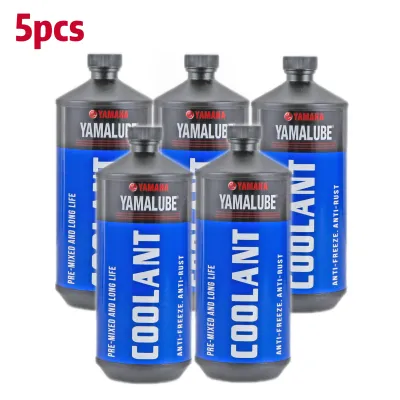
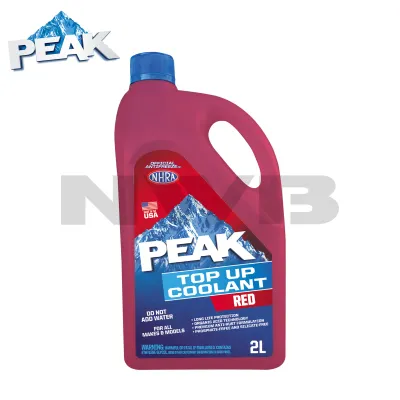
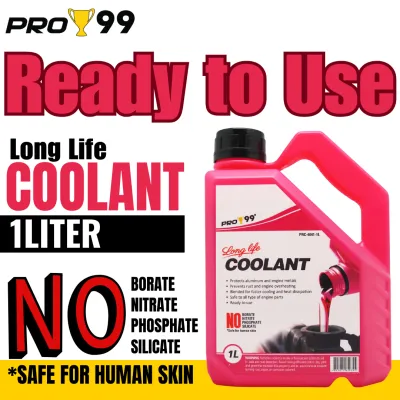
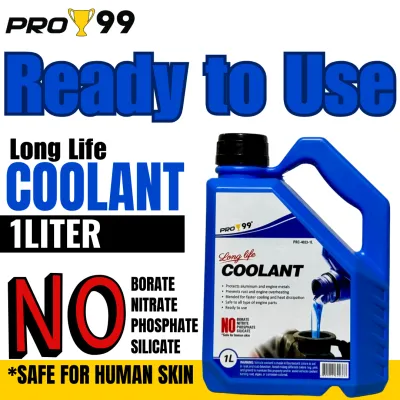
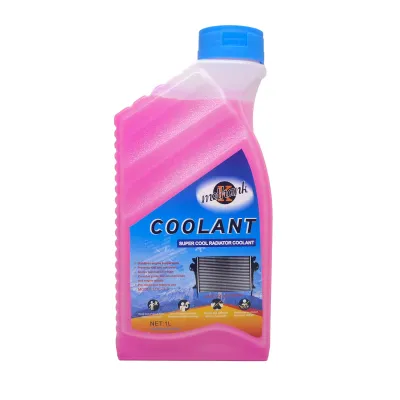
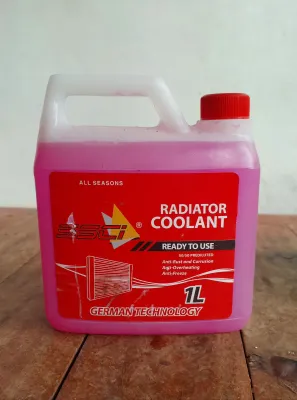
Products mentioned in this guide
![[YAMAS] MOTORCYCLE UNIVERSAL COOLANT 5 LITER](https://img.lazcdn.com/g/p/6fa5487d5bba388eb45fd41566e823d5.jpg_400x400q80.jpg_.webp)
Prices are valid at publication and may change. Please refer to the product page for the latest price.
Beyond simple heat dissipation, the coolant plays an indispensable role in lubricating the mechanical water pump seal. The water pump is driven by the engine’s camshaft or an electrical system, and its internal seals require constant lubrication from the circulating fluid to prevent friction wear. If the coolant lacks the proper lubricating properties, these seals will dry out, crack, and fail. This failure allows coolant to weep out of the system or, worse, leak directly into the engine crankcase, contaminating the engine oil and causing severe mechanical damage.
Riding in the Philippines presents extreme environmental challenges that accelerate thermal stress. High ambient tropical temperatures, which frequently exceed 35°C, combined with the dense, stop-and-go traffic of major metropolitan areas like Metro Manila or Cebu, severely limit natural airflow through the radiator. Because the radiator relies on a small cooling fan and the physical movement of the scooter to shed heat, low-speed filtering and prolonged idling force the cooling system to work at its absolute limit. Under these conditions, a sub-par coolant will degrade rapidly or boil over.
Using incorrect fluids, such as plain tap water or cheap, generic automotive coolants, carries severe consequences. Tap water contains dissolved minerals like calcium and magnesium that precipitate under high engine temperatures, forming a hard scale inside the radiator tubes and engine jackets. This scale acts as an insulator, trapping heat inside the engine and restricting coolant flow. Furthermore, standard automotive coolants designed for older cast-iron engines often contain heavy silicates and phosphates. These compounds are highly abrasive to the delicate ceramic and rubber water pump seals used in modern scooters, leading to premature leaks and catastrophic cooling system failure.
Key Specifications for Tropical Climate Coolants
When shopping for a coolant for your NMAX V2, you must look past the brand name and carefully examine the chemical specifications on the product label. The most critical requirement is aluminum compatibility. The engine block, cylinder head, and radiator of the NMAX V2 are constructed from aluminum alloys to keep the scooter lightweight and improve thermal conductivity. Aluminum is highly susceptible to chemical corrosion if exposed to improper pH levels or incompatible inhibitors. The coolant must be explicitly labeled as silicate-free and phosphate-free to prevent corrosion and scale formation on these aluminum surfaces.

Organic Acid Technology (OAT) and Hybrid Organic Acid Technology (HOAT) are the industry standards for modern aluminum engines. These formulations use organic acids rather than harsh inorganic salts to create a microscopic protective layer over the metal surfaces. This protective layer prevents galvanic corrosion, which occurs when different metals within the cooling system interact chemically. OAT coolants also offer a significantly longer service life than traditional green inorganic coolants, maintaining their protective properties for years without breaking down under high thermal loads.
Boiling point performance is another critical factor for tropical riding. The boiling point of a coolant is determined by its chemical base—usually ethylene glycol or propylene glycol—and the pressure maintained by the radiator cap. A high-quality coolant should have a boiling point well above 100°C at atmospheric pressure, and even higher when pressurized within the system. This thermal margin prevents the coolant from turning into steam pockets around the cylinder head. Steam cannot transfer heat effectively, leading to localized hot spots that can warp the cylinder head or blow the head gasket.
Engine owners must also choose between pre-mixed and concentrated coolants. Pre-mixed coolants, typically sold in a 50/50 ratio (50% coolant concentrate and 50% water), are highly recommended for the NMAX V2. These products are blended at the factory using deionized or distilled water, ensuring the perfect chemical balance and eliminating the risk of mineral contamination. If you purchase a concentrated coolant, you must mix it yourself using only high-purity distilled or deionized water. Never use tap water, purified drinking water, or mineral water, as these still contain dissolved solids that will damage your cooling system over time.
Recommended Coolant Options for the Yamaha NMAX V2
Selecting a coolant for your NMAX V2 involves balancing manufacturer recommendations with your specific riding habits and budget. High-quality coolants in the Philippines generally range from ₱250 to ₱600 per liter. When choosing aftermarket options, always verify that the product is explicitly formulated for motorcycles or small aluminum engines and meets the silicate-free requirement.
Yamaha Genuine Coolant (The OEM Standard)
Yamaha Genuine Coolant, often referred to as Yamalube Coolant, is the factory-fill fluid and remains the benchmark for the NMAX V2. This pre-mixed green formulation is engineered specifically to match the metallurgy, rubber hoses, and water pump seal materials chosen by Yamaha’s engineers. By using the OEM standard, you eliminate any compatibility risks and ensure that your cooling system operates exactly as intended by the manufacturer.
Using Yamaha Genuine Coolant is highly recommended for newer scooters still covered by the manufacturer’s warranty. Utilizing non-approved aftermarket fluids can sometimes complicate warranty claims if a cooling system failure occurs. The OEM coolant provides excellent anti-foaming properties, which prevents air bubbles from forming around the water pump impeller, ensuring consistent fluid flow even at high engine revolutions.
To ensure you are purchasing authentic Yamaha Genuine Coolant, always source the product from authorized Yamaha 3S dealerships, reputable motorcycle parts distributors, or official brand stores on major ecommerce platforms. Counterfeit engine fluids are a persistent issue in the local market. Authentic bottles feature crisp label printing, secure tamper-evident caps, and often include specific holographic security stickers. Avoid buying unusually cheap fluids from unverified online sellers, as counterfeit coolants are often nothing more than dyed water, which will quickly ruin your engine.
Aftermarket Aluminum-Safe Coolants (OAT/HOAT Formulations)
For riders who demand enhanced thermal performance or prefer premium aftermarket brands, several high-quality motorcycle-specific coolants are available in the Philippines. Brands such as Motul (with their Motocool line), Repsol (Moto Coolant), and Liqui Moly offer specialized formulations designed to withstand the extreme heat of high-performance motorcycle engines. These products are typically pre-mixed and ready to pour directly into your system.
When evaluating aftermarket options, check the product label for explicit compatibility statements. Look for phrases such as “safe for aluminum radiators,” “silicate-free,” “phosphate-free,” and “OAT formulation.” These premium fluids often feature advanced organic inhibitors that provide superior heat transfer efficiency compared to standard fluids, which can help lower operating temperatures slightly during heavy traffic conditions.
Avoid generic automotive coolants commonly sold at gas stations or general auto supply shops unless they explicitly state they are silicate-free and safe for aluminum motorcycle engines. Many passenger car coolants contain silicates designed to protect cast-iron components, which will rapidly degrade the ceramic water pump seals of your NMAX V2. Always prioritize motorcycle-specific products, as they are formulated to handle the higher revs and compact radiator designs of two-wheeled vehicles.
How to Check and Maintain Your NMAX V2 Coolant
Regular maintenance of your NMAX V2’s cooling system is simple, reversible, and vital for preventing unexpected breakdowns. Before performing any inspection or maintenance, you must observe strict safety protocols. Never attempt to open the radiator cap or the coolant reservoir cap while the engine is hot or warm. The cooling system operates under high pressure, and opening it when hot can cause boiling fluid and steam to spray out violently, resulting in severe burns. Always allow the engine to cool completely for at least one to two hours before servicing.
To check the coolant level, place your NMAX V2 on its center stand on flat, level ground. Locate the transparent coolant reservoir tank, which is positioned behind the right-side body panel near the floorboard area. Clean the exterior of the plastic tank window so you can clearly see the fluid level inside. The tank features two molded lines: “LF” (Low) and “FULL” (Full). The coolant level should ideally rest right at or slightly below the “FULL” line when the engine is cold. If the fluid is at or below the “LOW” line, it requires immediate attention.
When topping up a low reservoir, always use the exact same brand, color, and chemical formulation of coolant currently in your system. Mixing different types of coolant can lead to chemical reactions that neutralize the corrosion inhibitors or cause the fluid to gel. If you do not know what coolant is currently inside the system, it is safer to perform a complete flush rather than risk mixing incompatible fluids. In an absolute road emergency where the level is dangerously low and no coolant is available, you may top up with pure distilled water to reach a safe destination, but you must have the system completely flushed and refilled with the correct coolant mixture immediately afterward.
Consult your Yamaha NMAX V2 owner’s manual for the factory-recommended maintenance intervals. Generally, the manual advises inspecting the coolant level every 1,000 to 2,000 kilometers and performing a complete coolant flush and replacement every 12,000 to 20,000 kilometers, or every two years, whichever comes first. Over time, even the best organic inhibitors degrade, leaving your aluminum engine vulnerable to corrosion.
While checking and topping up the reservoir is a straightforward task that any rider can perform, draining, flushing, and bleeding the cooling system requires a higher level of technical skill. The NMAX V2 cooling system must be completely free of trapped air (airlocks) after a refill. Trapped air bubbles in the cylinder head jacket will block coolant flow, leading to rapid engine overheating and severe damage. Always refer to the original vehicle manufacturer instructions before attempting a flush. If you do not have the proper tools or experience to bleed the system safely, highly recommend seeking the services of a qualified mechanic at an authorized Yamaha service center to perform the flush and replacement.
Frequently Asked Questions (FAQ)
Can I mix different coolant colors in my NMAX V2?
No, you should never mix different coolant colors in your NMAX V2. Coolant color is simply a dye added by manufacturers and does not represent a standardized chemical formulation. For example, one brand’s green coolant might be a traditional inorganic formulation, while another brand’s green coolant could be a modern organic acid technology (OAT) fluid. Mixing different chemical types can trigger a reaction that causes the additives to precipitate out of the solution, forming a thick sludge or gel. This sludge will clog the narrow passages of your radiator and water jacket, leading to localized overheating and water pump failure. If you decide to switch brands or colors, always perform a complete system flush with distilled water first.
Is it safe to use tap water if I run out of coolant?
It is not safe to use tap water as a long-term replacement for coolant. Tap water contains dissolved minerals such as calcium, magnesium, and iron. When subjected to the high operating temperatures of your NMAX V2 engine, these minerals precipitate and form hard scale deposits inside the cooling passages and radiator tubes. This scale acts as an insulator, severely reducing the heat transfer efficiency of the system and leading to chronic overheating. Additionally, tap water lacks the essential corrosion inhibitors and water pump lubricants found in proper coolant, which will lead to rapid rust, galvanic corrosion of aluminum parts, and premature water pump seal failure. Distilled water should only be used in an absolute emergency to safely ride to a repair shop, where the system must be drained, flushed, and refilled with proper motorcycle coolant immediately.
Community discussion
Share your experience or ask a question. Comments are reviewed before publication.