
Choosing the right coolant for Yamaha Sniper 155 is essential for maintaining the performance and longevity of its high-performance engine. Operating a liquid-cooled underbone motorcycle in the tropical climate of the Philippines presents unique thermal challenges. High ambient temperatures, paired with dense stop-and-go traffic in urban areas like Metro Manila or Cebu, put immense stress on the cooling system. To prevent overheating and internal engine damage, you must use a high-quality, ethylene glycol-based, silicate-free coolant specifically formulated for aluminum motorcycle engines. While the factory-recommended Yamalube Coolant remains the baseline standard, several premium aftermarket options from reputable brands like Motul and Repsol offer excellent thermal protection. This guide will help you understand the specific requirements of your motorcycle, compare available coolant technologies, and safely execute routine maintenance.
Understanding the Sniper 155 Cooling System Requirements
The Yamaha Sniper 155 is powered by a high-compression, 155cc, liquid-cooled, 4-valve engine equipped with Variable Valve Actuation (VVA). This advanced engine design generates significant heat, especially when operating at high revolutions per minute (RPM). Unlike air-cooled motorcycles that rely solely on wind flow to dissipate heat, the Sniper 155 utilizes a dedicated liquid cooling circuit. This circuit circulates fluid through the engine block and cylinder head to absorb thermal energy, then pumps it to the front-mounted radiator where the heat is radiated into the atmosphere. In a tropical country like the Philippines, where daily temperatures frequently exceed 35°C, the margin for thermal error is incredibly slim.
To maintain efficient heat transfer, the chemical composition of the coolant must match the metallurgy of the engine. The engine block, cylinder head, and radiator of the Sniper 155 are constructed from lightweight aluminum alloys. Aluminum is highly efficient at transferring heat but is susceptible to localized pitting, galvanic corrosion, and oxidation when exposed to incompatible fluids. This makes aluminum-compatible corrosion inhibitors a mandatory requirement for any coolant used in this motorcycle. These inhibitors form a microscopic protective barrier over the metal surfaces, preventing the chemical reactions that lead to metal degradation.
Products mentioned in this guide
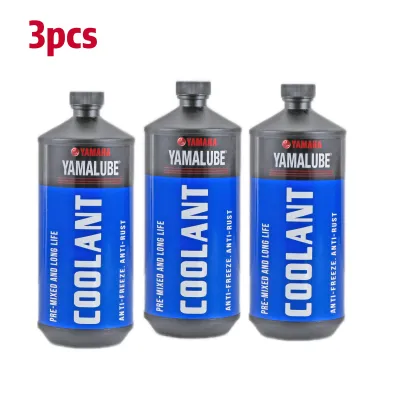
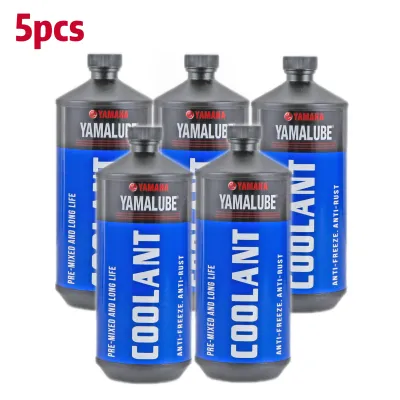
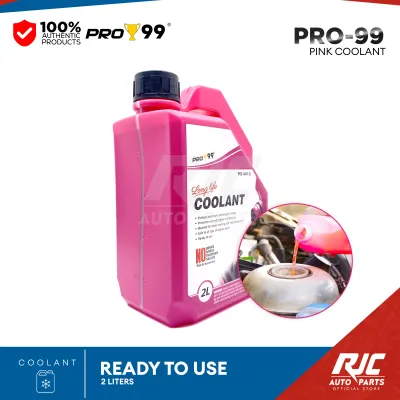
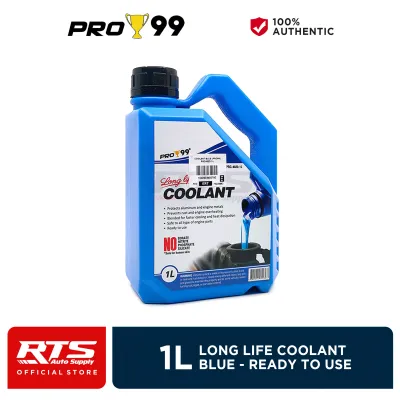
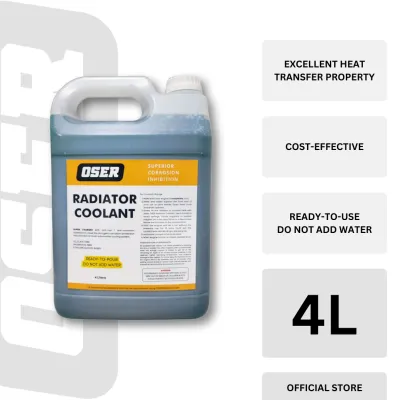
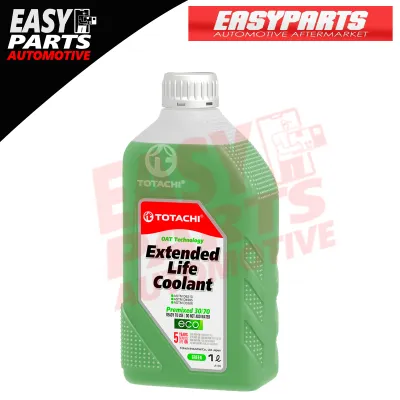
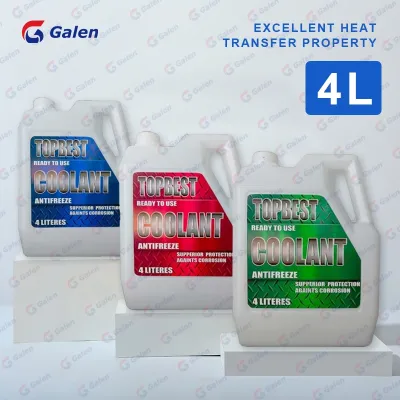
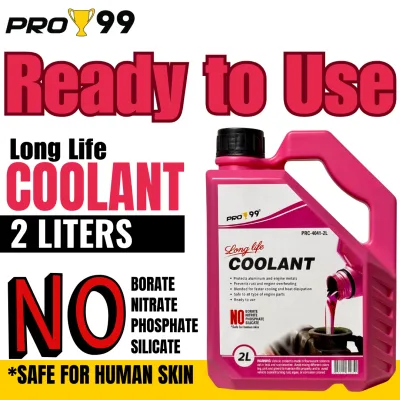
Prices are valid at publication and may change. Please refer to the product page for the latest price.
Using improper fluids in your cooling system can lead to catastrophic engine failure. A common mistake is filling the radiator or reservoir tank with plain tap water. Tap water contains dissolved minerals such as calcium and magnesium. When subjected to the intense heat of the engine, these minerals precipitate out of the water, forming hard scale deposits inside the radiator’s narrow cooling passages and the engine’s water jackets. This scale acts as an insulator, severely reducing heat transfer efficiency and eventually clogging the system. Furthermore, plain water has a lower boiling point and lacks corrosion inhibitors, which leads to rapid rust formation and water pump impeller erosion.
Incorrect coolant chemistries can also cause physical damage to the cooling system components. The water pump of the Sniper 155 relies on a mechanical seal to prevent coolant from entering the crankcase and mixing with the engine oil. If you use a coolant with abrasive additives or incompatible chemical bases, the seal can degrade rapidly. Once the seal fails, coolant will contaminate the engine oil, destroying its lubricating properties and leading to severe mechanical wear on the crankshaft, piston, and valvetrain.
Essential Specifications to Check Before Buying
Before purchasing any coolant for Yamaha Sniper 155, you must understand how to read product labels and verify that the fluid meets the manufacturer’s requirements. Your primary source of truth is the Yamaha Sniper 155 owner’s manual, which specifies the use of a high-quality, ethylene glycol-based coolant formulated specifically for aluminum engines. Yamaha recommends its proprietary Yamalube Premixed Coolant, which is engineered to match the exact thermal and chemical needs of their engines. However, if you choose an aftermarket alternative, you must ensure it matches or exceeds these OEM specifications.

One of the most important decisions is choosing between pre-mixed (ready-to-use) and concentrated coolants. Pre-mixed coolants are highly recommended for most riders because they are blended at the factory in the ideal 50:50 ratio of coolant concentrate to demineralized water. This eliminates the risk of mixing errors and ensures that the fluid has the exact boiling point and freeze protection specified by the manufacturer. Concentrated coolants, on the other hand, must be diluted with water before being added to the system. If you choose a concentrate, you must mix it with distilled or deionized water—never tap, mineral, or purified drinking water, as these still contain minerals that cause scaling.
You must also select a formulation designed specifically for motorcycles rather than standard passenger cars. Automotive coolants often contain high concentrations of silicates and phosphates. These inorganic inhibitors are effective in large, slow-revving automotive engines with cast iron blocks or heavy aluminum components. However, motorcycle engines operate at much higher RPMs and have smaller, more delicate cooling passages. In these high-stress environments, high-silicate automotive coolants can experience “silicate drop-out,” where the silicates precipitate out of the liquid and form an abrasive paste. This paste quickly destroys the water pump’s mechanical seals and erodes the plastic or aluminum impeller blades.
When examining coolant labels, look for explicit statements indicating that the product is “silicate-free,” “phosphate-free,” and “safe for aluminum radiators.” These designations guarantee that the chemical inhibitors used in the fluid will protect your Sniper 155’s cooling system without causing abrasive wear or chemical degradation.
Comparing Coolant Technologies for Motorcycles
To make an informed decision, it is helpful to understand the different chemical technologies used in modern motorcycle coolants. The three primary types are Inorganic Additive Technology (IAT), Organic Acid Technology (OAT), and Hybrid Organic Acid Technology (HOAT). Each technology uses a different approach to corrosion protection, resulting in varying service lives and compatibility profiles.
Inorganic Additive Technology (IAT) is the traditional coolant formulation. It relies on fast-acting inorganic inhibitors, such as silicates and phosphates, to coat the metal surfaces of the cooling system. While IAT coolants provide excellent immediate protection against corrosion, these inhibitors deplete rapidly. Consequently, IAT coolants have a relatively short service life, typically requiring replacement every one to two years or every 10,000 kilometers. Given the sensitive water pump seals of the Sniper 155, standard high-silicate IAT coolants are generally not recommended.
Organic Acid Technology (OAT) represents a significant advancement in coolant chemistry. Instead of silicates, OAT coolants use organic acids to provide long-term corrosion protection. These organic inhibitors do not deplete as quickly as inorganic compounds, allowing OAT coolants to offer a much longer service life—often up to five years or 50,000 kilometers. OAT formulations are completely silicate-free and phosphate-free, making them highly compatible with the aluminum alloys and mechanical seals used in the Sniper 155 engine. Many premium aftermarket motorcycle coolants utilize OAT chemistry to provide reliable, long-lasting thermal protection under extreme operating conditions.
Hybrid Organic Acid Technology (HOAT) combines the benefits of both IAT and OAT chemistries. HOAT coolants use organic acids as their primary corrosion inhibitors but include a very small, carefully controlled amount of silicates or phosphates to provide rapid initial surface protection. This hybrid approach offers excellent protection for aluminum engines while maintaining a long service life, typically around three to five years. If you select a HOAT coolant, ensure it is specifically labeled as low-silicate and designed for motorcycle applications.
Regardless of which technology you choose, you must adhere to a strict maintenance rule: never mix different coolant technologies or colors. Coolants are dyed different colors (such as green, blue, pink, or yellow) to help identify leaks and distinguish between formulations, but color is not a reliable indicator of chemical compatibility. Mixing an OAT coolant with an IAT or HOAT coolant can trigger a chemical reaction that causes the corrosion inhibitors to precipitate out of the solution. This forms a thick, gel-like sludge that settles in the radiator core and engine water jackets, blocking coolant flow and causing severe overheating. If you decide to switch from one coolant technology to another, you must perform a complete system flush to remove all traces of the old fluid.
Where to Buy Coolant for Yamaha Sniper 155 in the Philippines
Finding genuine coolant for Yamaha Sniper 155 in the Philippines requires careful selection of your purchasing channels. The local motorcycle market has seen an influx of counterfeit maintenance products, including oils, spark plugs, and coolants. Using a counterfeit coolant can have devastating consequences for your engine, as these fake products are often nothing more than colored water mixed with cheap industrial chemicals that offer zero corrosion protection and can actively corrode your engine’s internal components.
To guarantee authenticity, always prioritize purchasing your coolant from authorized sources. For OEM Yamalube products, your safest option is an authorized Yamaha 3S (Sales, Service, and Spare Parts) dealership or a certified Yamaha RevZone. These outlets receive their inventory directly from Yamaha Motor Philippines, ensuring that you receive genuine, factory-specification fluids. For premium aftermarket brands like Motul, Repsol, or Liqui Moly, look for authorized distributors, reputable local automotive and motorcycle supply physical stores, or official flagship brand storefronts on major e-commerce platforms. Avoid purchasing from unverified third-party online sellers offering prices that seem too good to be true.
When you receive your coolant, perform a thorough physical inspection to verify its authenticity before pouring it into your motorcycle.
- Check the bottle seal: Genuine coolants feature high-quality plastic caps with intact tamper-evident break-away rings. Many premium brands also include a secondary foil seal under the cap. If the cap is loose, the ring is broken, or the foil seal is missing or punctured, do not use the product.
- Examine the label quality: Counterfeiters often use low-grade printing equipment. Inspect the labels for blurry text, pixelated graphics, misaligned elements, or spelling errors. Genuine labels are sharp, clear, and durable.
- Verify batch numbers and dates: Legitimate manufacturers print batch codes and production or expiration dates directly on the bottle, often using laser-etching or ink-jet printing. Check that these details are present and look professional. Some brands also include QR codes or holographic security stickers that you can scan to verify authenticity.
- Inspect the fluid physical properties: If the bottle is translucent or if you pour a small amount into a clean container, the fluid should be completely clear and uniform in color. There should be no suspended particles, sediment at the bottom of the bottle, or separation of liquids.
Investing in genuine coolant is a minor expense compared to the cost of replacing a damaged water pump, radiator, or cylinder head. Expect to pay broad price bands of approximately ₱250 to ₱600 per liter for high-quality, genuine motorcycle coolants in the Philippine market.
Safe Inspection and Replacement Guidelines
Maintaining your Sniper 155’s cooling system involves regular visual inspections and periodic fluid replacement. Working with a liquid cooling system requires strict adherence to safety protocols to prevent personal injury and mechanical damage. Before performing any maintenance on the cooling system, you must consult your motorcycle’s owner’s manual and the specific coolant product’s label for safety warnings and instructions.
The most critical safety rule when dealing with a motorcycle cooling system is to never open the radiator cap or reservoir tank while the engine is hot. When the engine operates, the cooling system becomes highly pressurized, raising the boiling point of the fluid. Opening the cap on a hot system releases this pressure instantly, causing the superheated coolant to flash boil and spray out violently. This can cause severe, third-degree burns to your hands, face, and body. Always allow the motorcycle to sit idle with the engine turned off for at least one to two hours, and verify that the radiator and engine block are cool to the touch before proceeding.
To perform a routine inspection, locate the translucent coolant reservoir tank, which is typically visible through a cutout in the fairings. With the motorcycle parked on a level surface on its center stand, check that the fluid level rests between the “Full” (Upper) and “Low” (Lower) marks. If the level is near or below the low mark, top it up with the same pre-mixed coolant currently in the system. Additionally, inspect the color and clarity of the fluid. It should look bright and clean. If the fluid appears muddy, dark brown, or contains floating debris, the system requires immediate attention.
If you are performing a DIY coolant replacement, follow these general steps:
- Place a clean drain pan beneath the water pump housing on the right side of the engine.
- Locate and remove the coolant drain bolt. Refer to your service manual to identify the exact bolt, as removing the wrong bolt can drain engine oil or damage the crankcase threads.
- Slowly remove the radiator cap to allow the coolant to flow out freely.
- Remove the coolant reservoir tank, empty any remaining fluid, rinse it thoroughly with clean water, and reinstall it.
- Replace the drain bolt copper crush washer with a new one to ensure a proper seal, then reinstall and tighten the drain bolt to the manufacturer's specified torque.
- Slowly pour fresh, pre-mixed coolant into the radiator neck until it reaches the base of the filler neck.
- Bleeding air pockets is a critical step that must not be skipped. With the radiator cap still off, start the engine and let it idle for two to three minutes. Gently squeeze the rubber radiator hoses to help dislodge any air bubbles trapped in the engine water jackets. You will see air bubbles rise and escape through the open radiator neck, and the coolant level will drop. Top up the radiator as needed, then securely install the radiator cap. Finally, fill the reservoir tank to the "Full" mark.
Knowing when to seek professional help is vital for your motorcycle’s health. If you notice that the old coolant has a milky, light-brown appearance, this indicates that engine oil has mixed with the coolant, a classic symptom of a failed cylinder head gasket or a damaged water pump oil seal. If you observe this contamination, or if your engine continues to run hot after a successful coolant change, do not ride the motorcycle. Take it to a qualified mechanic or an authorized Yamaha service center for a comprehensive diagnostic pressure test, thermostat evaluation, and professional system flush.
Frequently Asked Questions (FAQ)
Can I use standard car coolant in my Yamaha Sniper 155?
You should avoid using standard automotive coolants in your Yamaha Sniper 155 unless the product is explicitly certified as silicate-free and safe for motorcycle water pumps. Many car coolants contain high levels of silicates and phosphates designed to protect larger cast-iron and aluminum car engines. In a high-RPM motorcycle engine like the Sniper 155, these inorganic additives can drop out of suspension and form abrasive crystals. These crystals act like sandpaper, quickly wearing down the delicate mechanical seals of the motorcycle’s water pump, leading to coolant leaks and potential engine damage.
How often should the coolant be replaced?
For the exact maintenance schedule, you should always consult the official Yamaha Sniper 155 owner’s manual. Generally, Yamaha recommends replacing the engine coolant every 10,000 to 20,000 kilometers, or every two years, whichever comes first. However, if you frequently ride in heavy stop-and-go traffic under high ambient temperatures in the Philippines, the coolant is subjected to continuous thermal stress. In these demanding conditions, it is wise to perform visual inspections of the fluid level and clarity every 3,000 kilometers and consider replacing the fluid earlier if it shows signs of thermal degradation.
What should I do if the coolant color turns brown or rusty?
If your coolant has turned brown, cloudy, or rusty, it is a clear indication of internal contamination, severe corrosion, or a mechanical failure within the cooling system. This change in color means the protective corrosion inhibitors have completely depleted, allowing the aluminum components to oxidize or rust to form from any steel parts. You should not simply top up the fluid. Instead, perform a complete cooling system flush with distilled water to remove all rust particles and contaminants, inspect the water pump and radiator for damage, and refill the system with fresh, high-quality coolant. If the discoloration persists or looks milky, consult a professional mechanic immediately to check for a blown head gasket.
Community discussion
Share your experience or ask a question. Comments are reviewed before publication.