
Keeping your Honda Click 125i running smoothly in the tropical climate of the Philippines requires a well-maintained cooling system. The constant stop-and-go traffic in highly congested urban areas, combined with high ambient humidity and temperatures, places immense stress on liquid-cooled scooter engines. To prevent overheating and safeguard your engine from corrosion, choosing the correct coolant for honda click 125i is a critical maintenance step. The ideal fluid must not only regulate engine temperatures but also protect the internal aluminum components and delicate water pump seals from premature wear.
Selecting the right coolant involves understanding the chemical requirements of your engine and recognizing which products offer the best protection. While the manufacturer’s original fluid is always a safe baseline, several reputable aftermarket alternatives can provide excellent heat dissipation and corrosion protection. This guide explores the top coolant recommendations for your scooter, explains how to evaluate different formulations, and outlines the proper steps for safe inspection and replacement.
Quick Picks: Top Coolant Recommendations
For riders seeking an immediate solution, high-quality coolants for the Honda Click 125i generally fall into two categories: official manufacturer fluids and premium aftermarket alternatives. Each of these options is pre-mixed and formulated specifically to meet the demands of modern aluminum motorcycle engines.
Products mentioned in this guide
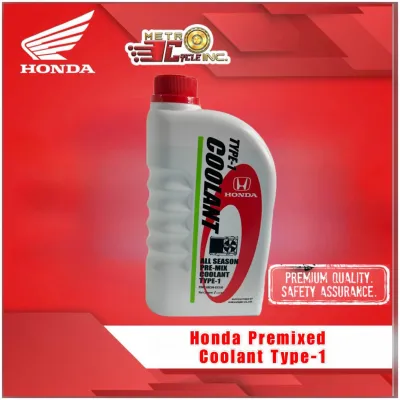
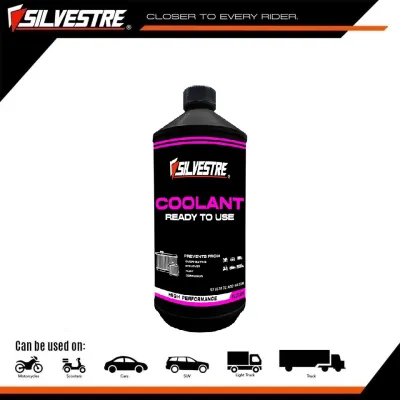
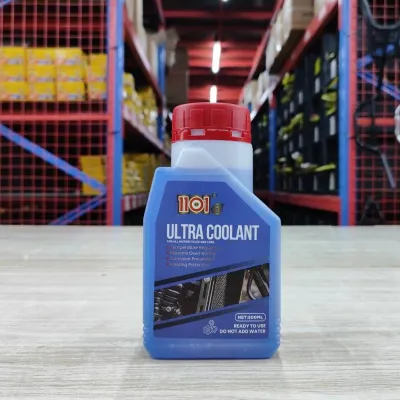
Prices are valid at publication and may change. Please refer to the product page for the latest price.
- Honda Genuine Long Life Coolant (OEM): This is the baseline recommendation for most riders. It is a pre-mixed, silicate-free formula engineered specifically for Honda's internal cooling system tolerances and water pump seals. It offers guaranteed compatibility and is available at authorized Honda dealerships and official online brand stores.
- Motul Motocool Expert: A highly regarded aftermarket option, this is a pre-mixed 50/50 hybrid organic acid technology (HOAT) coolant. It is designed to offer excellent thermal transfer and corrosion protection in high-performance motorcycle engines, making it ideal for hot tropical riding conditions.
- Liqui Moly Motorbike Coolant (Ready-to-Use): A premium, silicate-free organic acid technology (OAT) coolant that provides outstanding protection against cavitation and scale buildup. It is highly suited for riders who want extended service intervals and maximum heat dissipation.
- Prestone Asian Vehicles Coolant (Pre-mixed): A highly accessible and budget-friendly option designed specifically for Asian vehicle engines, featuring a phosphate-based organic acid technology (P-OAT) formula that matches the chemical requirements of Honda engines.
These recommendations represent a mix of premium and budget-friendly pricing tiers. While prices vary across authorized physical dealerships and online marketplaces, choosing any of these pre-mixed options ensures you avoid the risks associated with manual dilution or incompatible chemical formulations.
How to Choose the Best Coolant for Honda Click 125i
Selecting the wrong fluid can lead to severe engine damage, clogged radiator passages, or water pump failure. To ensure your scooter’s cooling system functions optimally, you must evaluate several critical criteria before purchasing any coolant for honda click 125i.

First, the coolant must be compatible with aluminum engines. Modern scooters like the Honda Click 125i feature lightweight aluminum engine blocks and radiators. Standard automotive coolants containing aggressive silicates or borates can wear down the soft aluminum surfaces and degrade the water pump’s mechanical seals over time. Always look for silicate-free, borate-free formulas to prevent abrasive wear inside the cooling loop.
Second, prioritize pre-mixed 50/50 formulas over concentrated coolants. Pre-mixed coolants are diluted with demineralized or distilled water in a precise 50/50 ratio at the factory. This ensures optimal heat transfer and prevents the introduction of harmful minerals. If you purchase a concentrate, you must dilute it yourself using only distilled water. Using tap water or incorrect mixing ratios introduces calcium and magnesium, which quickly form scale deposits inside the radiator’s narrow tubes, leading to localized hot spots and eventual engine overheating.
Third, pay close attention to coolant chemistry. Most Asian vehicle manufacturers, including Honda, design their cooling systems to run on Phosphated Organic Acid Technology (P-OAT). This formulation uses phosphates and organic acids to provide rapid corrosion protection to aluminum parts while remaining completely free of silicates. Using a European-style silicate-based coolant in a system designed for P-OAT can result in chemical incompatibility, leading to seal degradation or precipitate formation.
Finally, understand the golden rule of cooling system maintenance: never mix different coolant types, brands, or colors. Even if two fluids look similar, their chemical inhibitors may conflict. Mixing them can trigger a chemical reaction that turns the liquid into a thick, gelatinous sludge. This sludge will clog the radiator core, block coolant flow, and cause rapid engine overheating. If you plan to switch from one brand or formulation to another, a complete system flush is mandatory. Always refer to your Honda Click 125i owner’s manual as the ultimate authority for fluid specifications and capacity.
Best Coolant Options for Honda Click 125i
To help you navigate the options available in the Philippine market, we have categorized the top choices into manufacturer-approved OEM fluids and high-quality aftermarket alternatives. These options are selected based on their chemical compatibility with Honda’s engineering standards.
Genuine Honda OEM Coolant
For the vast majority of riders, Honda Genuine Long Life Coolant is the safest and most reliable choice. This pre-mixed 50/50 ethylene glycol-based fluid is engineered specifically to match the internal metallurgy, water pump seal materials, and operating temperatures of Honda motorcycles.
Because it is developed by the vehicle manufacturer, using this OEM coolant eliminates any risk of chemical incompatibility or warranty voiding. It is formulated without silicates, ensuring that the mechanical face seals of the water pump do not suffer from abrasive wear. This makes it highly durable and capable of maintaining stable operating temperatures even during long commutes under the hot Philippine sun.
While OEM Honda coolant is typically dyed blue or green, you should always verify the technical specifications on the label rather than relying on color alone, as dye colors can vary by region and batch. This product is widely available at authorized Honda motorcycle dealerships, service centers, and official brand stores on major e-commerce platforms. It sits in a moderate, mid-range price tier, offering excellent peace of mind for daily commuters who want to follow the manufacturer’s guidelines precisely.
Reliable Aftermarket Alternatives
If you prefer aftermarket brands due to local availability, performance preferences, or pricing, several reputable manufacturers offer compatible formulations.
Motul Motocool Expert is a premium pre-mixed coolant designed specifically for motorcycle applications. It utilizes a hybrid organic acid technology (HOAT) that excels in high-temperature environments. It provides exceptional anti-corrosion properties and helps lower operating temperatures during heavy stop-and-go traffic in urban areas. It is widely distributed across motorcycle accessory shops in the Philippines.
Liqui Moly Motorbike Coolant is another top-tier, ready-to-use formulation. It is a silicate-free OAT coolant that offers outstanding protection against frost, corrosion, and overheating. Its advanced additive package is designed to prevent cavitation (the formation of vapor bubbles that can erode metal surfaces) inside the water pump, extending the lifespan of the cooling system components.
Prestone Asian Vehicles (Pre-mixed) is a highly practical and cost-effective alternative. This P-OAT formula is specifically engineered to meet the requirements of Japanese and Asian manufacturers, making it chemically compatible with the Honda Click 125i. It is widely available in automotive supply stores and major shopping malls across the country.
When choosing any aftermarket alternative, always verify that the product label explicitly states it is silicate-free and safe for aluminum motorcycle engines. Ensure you purchase a pre-mixed 50/50 formula to avoid the hassle and risks of manual dilution.
Step-by-Step Guide to Checking and Replacing Coolant
Maintaining your scooter’s cooling system involves regular inspection and periodic replacement. Performing these tasks correctly ensures your engine remains protected under heavy loads.
Safety Warning: Never attempt to open the radiator cap or loosen any cooling system components while the engine is hot or warm. The cooling system operates under high pressure, and opening it can cause boiling liquid and steam to spray out violently, resulting in severe burns. Always allow the engine to cool completely—ideally for several hours—before beginning any work.
To check the coolant level, place your Honda Click 125i on its center stand on a level surface. Locate the coolant reserve tank. Depending on your scooter’s specific model year, the reservoir tank is typically accessed under the floorboard mat or via a small access panel inside the under-seat utility box (U-box). The fluid level should rest between the “Upper” (Full) and “Lower” (Low/Min) markings when the engine is cold. If the fluid is near or below the lower line, top it up with a compatible pre-mixed coolant.
To drain and replace the coolant, follow these general steps:
- Prepare the vehicle: Ensure the engine is completely cold. Place a suitable catch pan directly beneath the water pump drain bolt, which is located on the lower right side of the engine near the radiator assembly.
- Drain the system: Carefully remove the radiator cap to relieve system pressure, then unscrew the drain bolt to allow the old coolant to drain completely into the pan. Dispose of the used fluid responsibly at a local recycling or service center.
- Flush the system (if necessary): If the old coolant appears contaminated, rusty, or muddy, flush the system by pouring distilled water through the radiator filler neck until the water draining from the bottom runs completely clear. Never use tap water for flushing.
- Reinstall the drain bolt: Reinstall the drain bolt, ensuring the sealing washer is in good condition (replace it if worn), and torque it to the manufacturer's specification.
- Refill with fresh coolant: Slowly pour the fresh pre-mixed coolant into the radiator filler neck until it reaches the base of the filler neck. Fill the reserve tank to the "Upper" line as well.
- Bleed air from the system: To bleed air pockets from the system, start the engine with the radiator cap off and let it idle for a few minutes. You will notice air bubbles rising to the surface. Gently snap the throttle a few times to help dislodge trapped air. Once the bubbles stop and the coolant level stabilizes, top up the radiator if necessary, and securely reinstall the radiator cap.
If you lack the proper tools, clean workspace, or mechanical confidence to perform these steps safely, always take your scooter to a qualified motorcycle mechanic at an authorized service center.
Frequently Asked Questions (FAQ)
Can I use tap water instead of coolant in my Honda Click 125i?
No, you should never use tap water as a permanent replacement for coolant. Tap water contains dissolved minerals like calcium and magnesium. When subjected to the high operating temperatures of your engine, these minerals precipitate out and form hard scale deposits inside the radiator’s microscopic passages. This restricts coolant flow and leads to severe overheating. Additionally, water lacks corrosion inhibitors, leaving your aluminum engine and water pump vulnerable to rust and cavitation. In an absolute road emergency, you may use distilled or demineralized water temporarily, but you must flush the system and refill it with proper pre-mixed coolant as soon as possible.
How often should I change the coolant on a Honda Click 125i?
You should consult your Honda Click 125i owner’s manual for the exact replacement interval specified for your model year. Generally, manufacturers recommend inspecting the coolant level and condition at every regular service interval. A complete coolant replacement is typically recommended every two years or at specific mileage milestones (such as every 12,000 to 24,000 kilometers), whichever comes first. However, if you notice that the coolant in the reserve tank looks cloudy, dark, or contains floating debris, you should perform a complete flush and replacement immediately, regardless of the time or mileage elapsed.
Is it safe to mix different coolant brands or colors?
No, mixing different coolant brands, formulations, or colors is highly discouraged. Coolants rely on specific chemical additive packages (such as OAT, P-OAT, or HOAT) to protect your engine. When different formulations are mixed, these chemical inhibitors can react negatively, neutralizing their anti-corrosive properties or forming a thick, gel-like sludge. This sludge can block the radiator core and destroy the water pump’s mechanical seals. If you are changing to a different brand or type of coolant, always perform a complete system flush with distilled water before refilling.
Community discussion
Share your experience or ask a question. Comments are reviewed before publication.