
Navigating daily commutes through busy city streets or embarking on weekend rides along provincial highways highlights the outstanding versatility of the Yamaha NMAX V2. However, the scooter’s low-slung chassis design naturally exposes critical engine components to various road hazards. The crankcase, positioned underneath the frame, remains highly vulnerable to debris kicked up by the front tire or direct impacts from high obstacles.
Installing a dedicated crankcase cover or engine skid plate is one of the most practical upgrades you can make to safeguard your motorcycle. This protective accessory acts as a physical barrier, shielding the vulnerable aluminum engine casing from costly structural damage. Choosing the right cover requires understanding how different materials, designs, and mounting styles perform under demanding riding conditions.
Why the NMAX V2 Needs Dedicated Engine Protection
The Yamaha NMAX V2 is engineered with a low ground clearance to optimize stability and seat height for urban riders. While this design works exceptionally well on smooth asphalt, it presents distinct challenges when navigating typical road conditions in the Philippines. High, non-standardized speed bumps, deeply recessed potholes, and sudden asphalt transitions can easily cause the lower chassis to bottom out, especially when carrying a pillion rider or heavy luggage.
Products mentioned in this guide
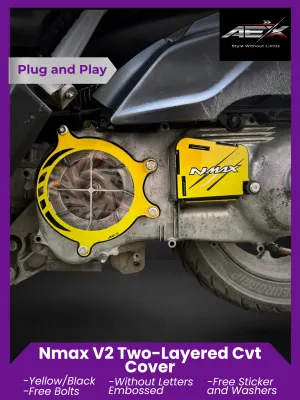
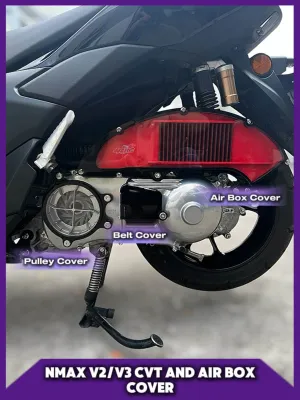
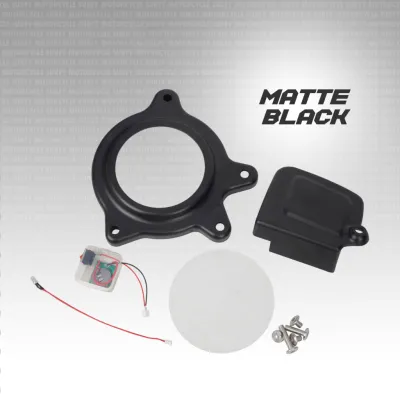
Prices are valid at publication and may change. Please refer to the product page for the latest price.
Tropical weather conditions further escalate the risk of engine damage. During the rainy season, sudden downpours and typhoons wash loose gravel, large stones, and hard debris directly onto flooded or poorly lit streets. A front tire rolling over a loose rock can easily fling it backward with projectile-like force, striking the exposed lower engine casing with enough impact to cause hairline cracks or punctures.
It is important to distinguish between purely cosmetic underbelly pans and structural crankcase protection. Many aftermarket options are made from thin, brittle plastics designed solely to enhance the scooter’s sporty aesthetic or keep mud off the engine block. While these accessories help with cleanliness, they lack the structural integrity required to absorb, deflect, and distribute physical impact forces during a severe strike.
A cracked engine casing poses severe financial and mechanical risks. A puncture leads to immediate, rapid oil loss, which can starve the engine of vital lubrication within seconds and cause the motor to seize at high speeds. Repairing a cracked crankcase is an expensive, labor-intensive process that often requires replacing the entire engine block assembly, resulting in prolonged downtime and complex administrative updates for vehicle registration.
Key Factors When Choosing an NMAX V2 Crankcase Cover
Material Strength vs. Weight
The choice of material directly dictates both the level of protection and the riding dynamics of your scooter. Heavy-duty metals like aluminum alloy provide outstanding puncture resistance but add unsprung weight to the lower chassis, which can subtly alter how the rear suspension responds to bumps. Conversely, high-grade polymers like ABS are incredibly lightweight, preserving the scooter’s agile handling and fuel economy, though they offer lower absolute impact resistance. Balancing your typical riding routes against these material properties is essential for making the right choice.

Heat Dissipation and Airflow
The Yamaha NMAX V2 utilizes a liquid-cooled, four-stroke Blue Core engine that relies on efficient thermal management. While the radiator handles primary cooling, the engine block still requires ambient airflow to dissipate residual heat. In dense, stop-and-go urban traffic under high ambient temperatures, a fully enclosed crankcase cover can trap hot air around the engine casing. This trapped heat can elevate oil temperatures and reduce lubricant efficiency over time, making ventilation channels or strategic cutouts a critical design feature.
Maintenance Clearance
Regular maintenance is vital for keeping your scooter running smoothly. Routine oil changes require quick, unhindered access to both the oil drain bolt and the oil filter cartridge. If an aftermarket crankcase cover does not feature precise, pre-aligned cutouts for these components, the entire guard must be uninstalled during every service interval. This repetitive removal increases maintenance labor and significantly raises the risk of stripping the threads on the chassis mounting points over time.
Mounting Mechanism
A secure mounting system is critical for ensuring the protective guard remains in place during impacts. Well-engineered covers utilize existing factory bolt holes on the NMAX V2 chassis, allowing for a secure, bolt-on installation without modifying the scooter’s structure. You should avoid any aftermarket accessories that require drilling new holes into the frame or swingarm. Modifying the frame can severely compromise its structural integrity, introduce weak points prone to cracking under stress, and create entry points for rust.
Vibration Isolation
Single-cylinder scooter engines naturally produce high-frequency vibrations during operation. When a rigid metal or hard plastic cover is bolted directly to the chassis without any damping material, these vibrations can cause loud, distracting rattling noises. Over time, metal-on-metal friction can wear down the protective paint on both the frame and the cover, leading to premature rust. High-quality crankcase covers include rubber grommets, dampers, or specialized spacers to isolate vibrations and protect the contact points.
Recommended Crankcase Cover Types for the NMAX V2
Selecting the right cover depends on your daily riding environment, typical road conditions, and protection priorities. Whether you are a daily city commuter navigating paved roads or an adventure rider exploring rough provincial routes, different materials cater to specific needs. Before purchasing, always verify the manufacturer’s documentation to ensure the cover’s material thickness and fitment are designed specifically for the V2 generation, as mounting points differ from the older V1 model.
Aluminum Alloy Skid Plates (Best for Heavy-Duty Protection)
Aluminum alloy skid plates represent the ultimate defense for riders facing harsh road conditions. Typically constructed from high-grade, thick-gauge aluminum, these plates offer exceptional rigidity and puncture resistance, making them ideal for provincial rides, unpaved gravel paths, and areas undergoing constant road construction.
- High Impact Resistance: Capable of deflecting large stones and absorbing heavy bottoming-out forces without deforming.
- Corrosion Resistance: Requires a high-quality powder-coated or anodized finish to prevent oxidation in highly humid and rainy tropical climates.
- Force Transfer Trade-off: Because metal is highly rigid, a severe impact can transfer kinetic energy directly to the mounting brackets, making proper rubber dampening spacers essential.
ABS Plastic Underbelly Pans (Best for City Commuting)
For the majority of urban commuters, high-impact ABS plastic covers offer an ideal balance of protection, weight, and practicality. These covers are designed to shield the lower engine from daily road grime, minor scrapes, and small pebbles kicked up by the front tire.
- Shock Absorption: ABS plastic possesses a degree of flexibility, allowing it to flex and absorb minor impacts without cracking or transferring force to the frame.
- Lightweight Design: Preserves the scooter's original suspension dynamics, handling agility, and fuel efficiency.
- Physical Limits: While excellent for daily city riding, ABS plastic can crack or shatter under high-velocity rock strikes or severe bottoming out on concrete humps.
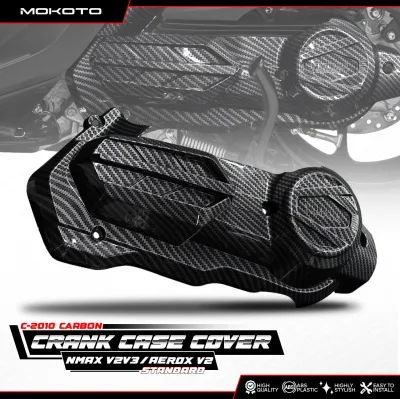
Carbon Fiber-Style Composite Guards (Best for Aesthetics and Light Duty)
These covers are designed primarily for riders who prioritize a premium, sporty appearance alongside light-duty surface protection. They provide a sleek visual upgrade that complements the modern styling of the NMAX V2.
- Premium Finish: Offers a high-end look, though riders must distinguish between genuine carbon fiber composites and more common ABS plastic covers finished with a carbon-style hydro-dipped pattern.
- Minimal Weight: Adds virtually zero weight to the motorcycle, ensuring no change in performance or handling.
- Light-Duty Protection: Best suited for preventing minor surface scratches, paint chipping, and sandblasting from road grit rather than resisting heavy structural impacts.
Installation, Warranty, and Maintenance Considerations
Before installing any aftermarket accessory, it is crucial to understand how it interacts with your vehicle’s warranty. Under standard dealer policies, bolt-on accessories that utilize existing mounting points and do not alter the electrical system or frame generally do not void the overall vehicle warranty. However, if an accessory requires drilling into the frame, or if a poorly ventilated cover causes engine overheating that leads to component failure, the manufacturer may deny related warranty claims. Always consult your authorized dealer to clarify warranty boundaries before making structural modifications.
Engine vibrations can gradually loosen mounting bolts over time, which can lead to lost hardware or rattling components. During installation, apply a medium-strength threadlocker to the threads of the mounting bolts to prevent them from backing out due to vibration while still allowing removal with standard hand tools. After installing a new cover, perform a safety check after the first 500 kilometers of riding to verify that all bolts remain securely torqued to the manufacturer’s specifications.
The tropical climate of the Philippines brings heavy downpours that wash mud, sand, leaves, and road grime into the crevices of a crankcase cover. If left uncleaned, this accumulated debris can trap moisture against the engine casing, leading to galvanic corrosion or blocking the cooling fins of the engine block. During your regular wash routine, use a low-pressure water hose to thoroughly flush out any trapped debris from the drainage holes of the cover, ensuring the area remains clean and dry.
While many crankcase covers are marketed as simple do-it-yourself upgrades, achieving a perfect fit can sometimes be challenging due to minor manufacturing tolerances. If you find that the mounting holes of the cover do not align perfectly with the chassis points, do not attempt to force, bend, or cross-thread the bolts. Forcing a misaligned cover can put constant structural stress on the engine casing or frame. If the fitment is not seamless, stop the installation and seek assistance from a qualified motorcycle mechanic who can ensure a safe, aligned fit.
Frequently Asked Questions (FAQ)
Will installing an aftermarket crankcase cover void my Yamaha warranty?
Bolt-on accessories utilizing existing mounting points typically do not void the entire vehicle warranty. However, any modification that requires drilling into the frame, altering structural components, or using a poorly designed cover that blocks vital airflow and causes engine damage can void specific warranty claims. Always verify warranty conditions with your local authorized Yamaha dealer before installation.
Do I need to remove the crankcase cover every time I change the oil?
If you choose a well-designed cover, you do not need to remove it for routine maintenance. High-quality options feature precisely aligned, pre-cut access holes that expose the oil drain bolt and the oil filter cartridge. You should avoid solid covers that lack these access points, as removing the cover during every oil change increases maintenance time and raises the risk of stripping the chassis mounting threads over time.
Can a metal skid plate transfer impact damage to the NMAX V2 frame?
Yes, because metal skid plates are highly rigid, a severe bottoming-out impact can transfer kinetic energy directly through the mounting bolts to the chassis brackets. To mitigate this risk, ensure your metal skid plate utilizes high-quality rubber dampers, isolators, or spacers that help absorb shock and prevent direct metal-on-metal impact transfer.
Community discussion
Share your experience or ask a question. Comments are reviewed before publication.