
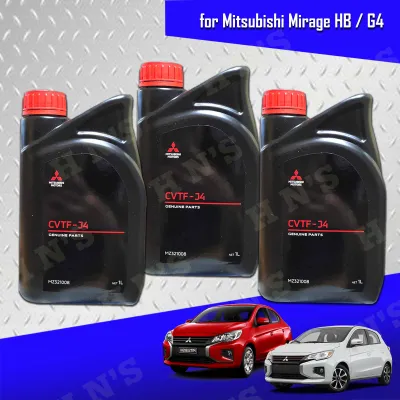
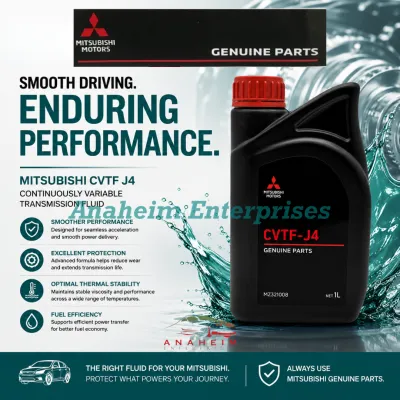
Selecting the correct cvt fluid for mirage g4 is one of the most critical maintenance decisions you can make to protect your vehicle’s transmission. For almost all model years of the Mitsubishi Mirage G4 in the Philippines, the manufacturer specifies Mitsubishi DiaQueen CVTF-J4 (or CVTF-J1 for certain early model runs). To ensure total compatibility and preserve your vehicle’s warranty, always check your owner’s manual or the under-hood specification placard before purchasing any fluid.
Using the original equipment manufacturer (OEM) Mitsubishi CVTF-J4 fluid remains the safest and most reliable route. However, high-quality aftermarket alternatives from reputable brands like Aisin, Motul, and Valvoline are viable options, provided they explicitly state compliance with the Mitsubishi CVTF-J4 standard on their labels. These fluids are widely available through authorized auto supply stores and major online marketplaces. Because the Mirage G4 relies on a sensitive Jatco-derived transmission, using unapproved fluids can lead to severe mechanical damage.
Understanding Your CVT Fluid for Mirage G4 Requirements
To understand why choosing the right cvt fluid for mirage g4 is so critical, it helps to understand how the vehicle’s transmission operates. Unlike a conventional automatic transmission that uses planetary gears and wet clutch packs, the Mirage G4 utilizes a Jatco CVT7 (specifically the JF015E model) transmission. This system relies on a high-strength steel belt looped over two variable-diameter pulleys. As the pulleys expand and contract, they continuously adjust the gear ratio to optimize engine efficiency and fuel economy.
Products mentioned in this guide
![[1 LITER] Mitsubishi Mirage CVT J4 (Continously Variable Transmission Fluid CVTF) - Mitsubishi Genuine Lubricants - [G4 / Hatchback]](https://img.lazcdn.com/g/p/0a953af30feec10807b559371384bae3.jpg_400x400q80.jpg_.webp)
Prices are valid at publication and may change. Please refer to the product page for the latest price.
Because this system relies entirely on steel-on-steel contact, the transmission fluid must perform a delicate balancing act. It must provide enough lubrication to prevent the metal parts from wearing down, yet maintain a high enough coefficient of friction to prevent the steel belt from slipping against the smooth surfaces of the pulleys. If the belt slips even slightly, it can score the pulleys, generate intense heat, and ultimately cause a catastrophic transmission failure.
This is where the distinction between specifications like CVTF-J1 and CVTF-J4 becomes vital. CVTF-J4 is a newer, lower-viscosity formulation designed to reduce parasitic drag inside the transmission, thereby improving fuel efficiency. It also features enhanced shear stability and advanced anti-wear additives compared to the older CVTF-J1. While CVTF-J4 is generally backward-compatible and can replace CVTF-J1, they are not universally interchangeable in every driving scenario without explicit manufacturer validation. Always consult your owner’s manual to confirm which standard your specific model year demands.
Using a generic “universal” Automatic Transmission Fluid (ATF) or an uncertified CVT fluid is a recipe for transmission failure. Standard ATFs are formulated for completely different friction characteristics and lack the shear strength required to survive the immense clamping forces inside a CVT. If an unapproved fluid is introduced, the belt will slip, the transmission will overheat, and the internal hydraulic control valves will quickly become clogged with metallic debris.
Top CVT Fluid Categories to Consider
When shopping for a cvt fluid for mirage g4, the options generally fall into two categories: OEM genuine fluids and reputable aftermarket alternatives. Understanding the trade-offs of each will help you make an informed decision based on your budget and maintenance preferences.

OEM Mitsubishi Genuine CVTF
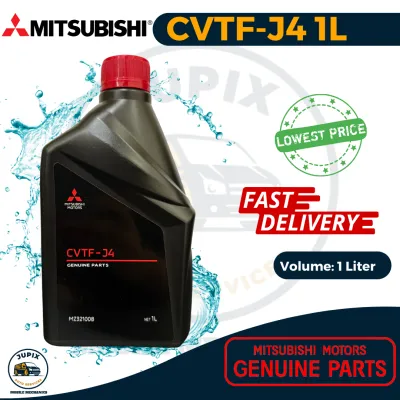
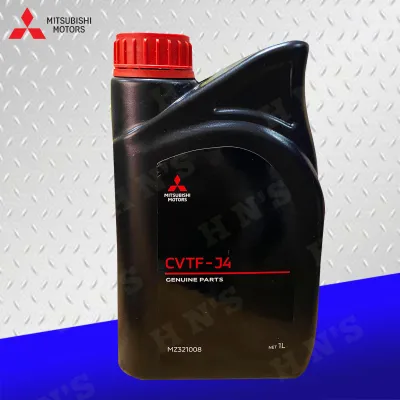
The OEM factory-fill option, Mitsubishi DiaQueen CVTF-J4, is widely considered the gold standard for the Mirage G4. Because it is the exact fluid used to fill the transmission at the factory, it guarantees absolute compatibility with the internal seals, friction materials, and hydraulic calibration of the Jatco CVT7. Using OEM fluid ensures that the transmission shifts smoothly, maintains its designed fuel efficiency, and remains fully compliant with any active manufacturer warranties.
However, because OEM fluid is highly sought after, it is a frequent target for counterfeiters, especially on online marketplaces. When purchasing OEM Mitsubishi fluid outside of an authorized dealership, you must exercise extreme caution. Genuine bottles typically feature clean, crisp label printing, a securely sealed tamper-evident cap, and a distinct batch code embossed or printed on the lower portion of the plastic. Be skeptical of deals that seem too good to be true, as cheap counterfeit fluids can destroy your transmission within a few thousand kilometers.
Reputable Aftermarket Alternatives
If you prefer not to buy OEM fluid, several reputable aftermarket manufacturers offer high-quality alternatives that are formulated specifically for Asian CVT systems. Brands such as Aisin, Motul, and Valvoline produce fluids designed to meet or exceed the rigorous demands of the Mitsubishi CVTF-J4 standard. Aisin, in particular, is a highly trusted name because they are a major global transmission manufacturer, and their CVT fluid is engineered with deep technical expertise.
The golden rule when selecting an aftermarket fluid is to read the back label with meticulous care. The fluid must explicitly state that it is approved for, or compatible with, “Mitsubishi CVTF-J4” or “CVTF-J1.” Do not rely on generic marketing phrases like “suitable for most Asian vehicles” or “multi-vehicle formula” unless the specific Mitsubishi J-standard is listed in the technical specifications on the bottle.
Furthermore, avoid using ultra-cheap, unbranded, or highly generic transmission fluids. While they may claim to be “universal,” a single fluid cannot possibly satisfy the vastly different friction and viscosity requirements of every CVT design on the market. Investing in a premium, certified aftermarket fluid is a small price to pay compared to the cost of replacing an entire CVT assembly.
How to Verify Compatibility and Avoid Counterfeits Online
Purchasing automotive fluids online in the Philippines offers unmatched convenience, but it also exposes you to the risk of buying counterfeit or incorrect products. To protect your vehicle, follow this step-by-step verification checklist before making a purchase.
- Step 1: Consult Your Owner's Manual and Under-Hood Placard. Before you open any e-commerce app, locate your Mirage G4's owner's manual and find the specifications section for the transmission. Alternatively, pop the hood and look for a printed placard or sticker on the underside of the hood or near the radiator support. Note down the exact fluid code required (such as CVTF-J4) so you have an indisputable reference point.
- Step 2: Scrutinize the Product Listing and Labels. When browsing online, do not rely solely on the product title. Scroll down to the technical specifications and zoom in on the photos of the back label. Verify that the bottle explicitly lists "Mitsubishi CVTF-J4" or "DiaQueen J4." If the seller's photos are blurry, generic, or do not show the back label, ask the seller to send clear photos of the physical stock before placing your order.
- Step 3: Vet the Online Seller Thoroughly. Only buy from official brand flagship stores, authorized online distributors, or highly rated specialty automotive shops with a long history of positive feedback. Read the customer reviews carefully, paying close attention to 1-star and 2-star ratings. Look for physical photos uploaded by buyers to check if the packaging matches genuine retail bottles. Avoid sellers with generic names, extremely low prices, or a high volume of complaints regarding leaked packaging or suspicious-looking bottles.
- Step 4: Conduct a Rigorous Physical Inspection Upon Delivery. Once the package arrives, inspect the bottle thoroughly before opening it. Check that the tamper-evident plastic ring on the cap is completely intact and has not been glued back together. Inspect the print quality of the labels; blurry text, crooked labels, or spelling mistakes are dead giveaways of a counterfeit. If you open the bottle, note the fluid's appearance and smell. Fresh CVT fluid is typically a clean, light green or amber color with a sharp, distinct chemical aroma. If the fluid is dark, cloudy, or smells burnt, do not put it in your transmission.
CVT Fluid Change Intervals and Maintenance Best Practices
One of the most common misconceptions among car owners is that CVT fluid is a “lifetime” fluid that never needs to be changed. While some manufacturer service schedules suggest this under ideal driving conditions, the reality of operating a vehicle in the Philippines is vastly different.
The severe driving conditions in the Philippines—characterized by intense tropical heat, high humidity, frequent exposure to flooded roads during the monsoon season, and hours of stop-and-go traffic in major cities like Manila, Cebu, and Davao—put immense thermal stress on your transmission. Under these harsh conditions, CVT fluid degrades, oxidizes, and loses its critical friction properties much faster than normal.
To maximize the lifespan of your Mirage G4’s transmission, automotive experts generally recommend changing the CVT fluid every 40,000 to 60,000 kilometers under severe driving conditions. However, you must always defer to your vehicle’s owner’s manual for the final, authoritative maintenance schedule. Regular fluid changes are a preventive measure; waiting until you experience transmission issues is often too late.
When servicing your CVT, a standard drain-and-fill is highly recommended over a high-pressure machine flush. A drain-and-fill involves simply removing the drain plug, letting the old fluid drain out naturally, and refilling it with fresh fluid. High-pressure flushes can dislodge tiny metallic particles and debris from the bottom of the transmission pan and force them into the delicate solenoids and valve body of the Jatco CVT7, potentially causing major operational faults. If you are not experienced with transmission maintenance, always seek qualified professional service at a trusted shop.
For a truly comprehensive service, ensure your mechanic drops the transmission pan to clean the internal magnets and replaces the CVT fluid cartridge filter. Over time, the magnets in the pan collect fine metal wear particles. Cleaning these magnets and replacing the paper cartridge filter prevents debris from recirculating through the system, ensuring your fresh cvt fluid for mirage g4 can do its job effectively.
Frequently Asked Questions (FAQ)
Can I use Nissan NS-3 or Honda HCF-2 fluid in my Mirage G4?
No. While the Mirage G4’s Jatco CVT7 transmission shares some design elements with transmissions used by other manufacturers like Nissan, you should never use Nissan NS-3 or Honda HCF-2 fluid unless the product label explicitly states certified compliance with the Mitsubishi CVTF-J4 standard. Each manufacturer calibrates its transmission control units to work with specific fluid viscosities and friction profiles. Using the wrong fluid can cause incorrect line pressures, belt slippage, and permanent mechanical damage.
How many liters of CVT fluid does a Mirage G4 drain and fill require?
A standard drain-and-fill procedure for a Mitsubishi Mirage G4 typically requires between 3.0 to 3.5 liters of fluid. However, it is highly recommended to purchase a 4-liter bottle or four 1-liter bottles. Having an extra liter ensures you have enough fluid to perform the precise leveling procedure—which often involves checking the dipstick or overflow plug while the transmission is at operating temperature—and leaves a small amount for future top-ups.
Is it safe to change the CVT fluid if my Mirage G4 has over 100,000 km?
Yes, but you must proceed with caution. If your Mirage G4 has exceeded 100,000 kilometers and the CVT fluid has never been changed, a gentle drain-and-fill is the safest method. Avoid high-pressure machine flushes, as they can dislodge built-up deposits and cause transmission failure. If your transmission is already experiencing severe slipping, shuddering, or loud whining noises, changing the fluid may not fix the issue and could sometimes make it worse. In this scenario, have a qualified transmission specialist inspect the vehicle before performing any service.
Community discussion
Share your experience or ask a question. Comments are reviewed before publication.