
The automatic transmission is one of the most complex mechanical systems in a modern vehicle, relying on hydraulic pressure, precise friction coefficients, and continuous lubrication to function. To maintain these properties, vehicle manufacturers specify exact fluid standards that must be met during routine maintenance. Among these, the Dexron VI specification is one of the most widely required standards for modern automatic transmissions, particularly those designed by General Motors and various global partners. If you are searching for a high-quality ‘dextron 6 atf’ in the Philippines, understanding the technical nuances of this standard and how different brands perform under local driving conditions is essential for protecting your vehicle’s drivetrain.
Selecting the right transmission fluid is a critical preventive maintenance task that directly influences gear shift quality, thermal management, and component longevity. The Philippine automotive market features a diverse array of passenger cars, sports utility vehicles, and light commercial vehicles, many of which require fluids meeting the rigorous Dexron VI specification. This comprehensive guide details the engineering standards behind Dexron VI, outlines key selection criteria tailored to the tropical Philippine climate, evaluates prominent brands available locally, and provides actionable steps to verify product authenticity and compatibility.
Understanding Dextron 6 ATF and Your Vehicle's Requirements
The Dexron VI automatic transmission fluid (ATF) standard was introduced by General Motors in 2005 to meet the demanding performance requirements of their modern six-speed and subsequent multi-speed automatic transmissions. Compared to the older Dexron III specification, Dexron VI features a significantly lower initial viscosity and vastly improved shear stability. This lower viscosity reduces fluid drag within the transmission, which directly improves fuel efficiency and ensures faster, more responsive hydraulic performance during gear changes.
Products mentioned in this guide
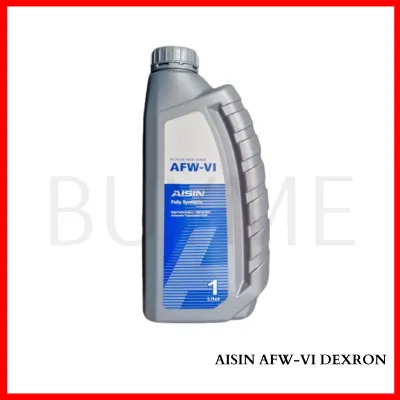
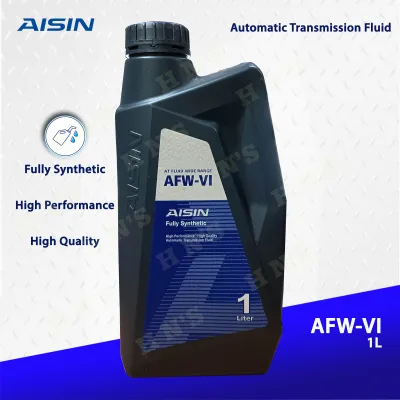
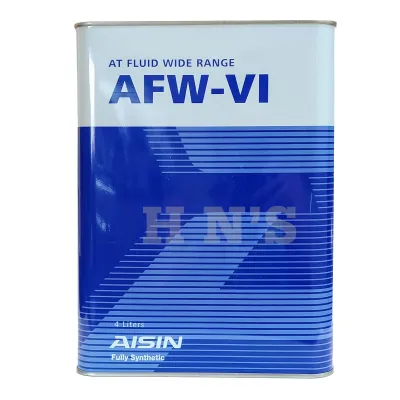
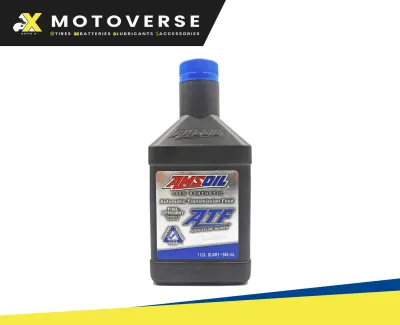
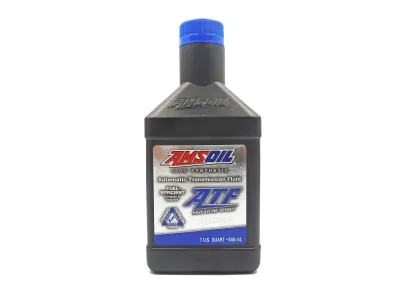
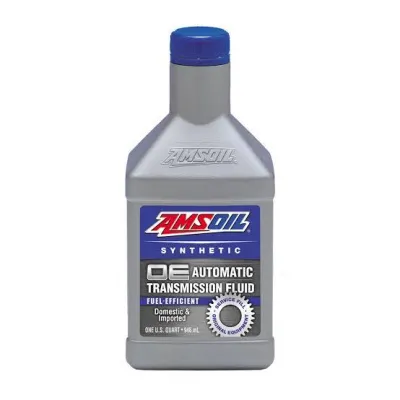
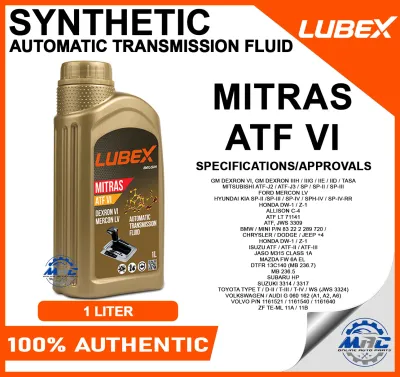
Prices are valid at publication and may change. Please refer to the product page for the latest price.
Shear stability is another critical engineering advancement of the Dexron VI standard. Over thousands of kilometers of operation, the high mechanical pressures and friction within a transmission’s planetary gear sets can physically tear apart the polymer chains in lower-quality fluids, causing them to thin out prematurely. Dexron VI is formulated to resist this mechanical shearing, maintaining its specified thickness and protective film strength throughout its entire service life. This ensures consistent hydraulic pressure and prevents metal-on-metal wear within the transmission’s delicate internal components.
In terms of compatibility, Dexron VI is designed to be backward compatible with older General Motors automatic transmissions that originally specified Dexron III. This means you can safely use Dexron VI to service or top off an older GM vehicle requiring Dexron III, and you will typically benefit from improved shifting performance and better oxidation resistance. However, this backward compatibility is strictly vertical within the GM family of specifications; it does not imply horizontal compatibility with specifications from other automotive manufacturers.
Many non-GM vehicle manufacturers utilize highly proprietary transmission designs that require entirely different fluid formulations. For instance, many Japanese and European vehicles require fluids with distinct frictional properties, such as Toyota Type T-IV or WS, Honda ATF-Z1 or DW-1, or ZF Lifeguard fluids. Using a Dexron VI fluid in a transmission designed for a completely different specification can lead to poor shift quality, clutch slippage, accelerated wear, and eventual transmission failure. Always consult your vehicle’s owner’s manual, the transmission dipstick, or the fill cap to confirm the exact specification required before purchasing any fluid.
While vehicle owners and online shoppers in the Philippines frequently search for ‘dextron 6 atf’ using a common colloquial spelling with an extra ‘t,’ the official, licensed trademark developed by General Motors is spelled ‘Dexron VI.’ Legitimate, certified products will always display the correct spelling ‘Dexron’ on their packaging, along with an official GM license number. Understanding this spelling distinction is a simple yet effective first step in identifying authentic, high-quality fluids in the local marketplace.
Before purchasing any transmission fluid or performing maintenance, it is vital to establish a strict safety boundary. Always check the applied product’s label and the treated vehicle’s manufacturer instructions to confirm compatibility. If the instructions conflict, the transmission model cannot be clearly identified, or the intended application is not explicitly covered by the fluid manufacturer, stop immediately and consult the vehicle manufacturer or a qualified automotive professional.
Key Selection Criteria for Philippine Driving Conditions
Operating a vehicle in the Philippines presents unique challenges for automatic transmissions, primarily due to the combination of high ambient temperatures and severe traffic congestion. In major urban centers like Metro Manila, Metro Cebu, and Davao, vehicles frequently spend hours in stop-and-go traffic, which prevents natural airflow through the transmission cooler. Under these severe operating conditions, transmission fluid temperatures can skyrocket, making thermal stability and oxidation resistance the most critical criteria when selecting a fluid.

High operating temperatures accelerate the rate of fluid oxidation, a chemical reaction where the fluid combines with oxygen to form sludge, varnish, and acidic byproducts. This degraded fluid can clog small hydraulic passages, stick control valves, and cause the transmission to shift harshly or slip. When evaluating a ‘dextron 6 atf,’ prioritize formulations that feature advanced thermal stability, as they are specifically engineered to resist chemical breakdown under extreme heat, ensuring the fluid remains clean and functional for a longer period.
Viscosity retention, or shear stability, is equally critical for maintaining smooth shifting performance in tropical climates. As the transmission fluid heats up, it naturally thins out; if the fluid also suffers from mechanical shear degradation, it can become too thin to maintain adequate hydraulic pressure. This loss of pressure can cause delayed gear engagement, slipping clutches, and increased wear on bearings and gear teeth. Choosing a fluid with high shear stability ensures that it maintains its optimal viscosity even when subjected to the combined stresses of high heat and heavy mechanical loads.
The formulation type—whether full synthetic, synthetic blend, or conventional—plays a decisive role in how well the fluid performs over time. Full synthetic Dexron VI fluids utilize highly refined base oils combined with advanced additive packages, offering the highest level of thermal protection, oxidation resistance, and low-temperature fluidity. Synthetic blends offer a middle ground, combining some of the performance benefits of synthetics with the cost savings of conventional oils. While conventional fluids may be cheaper initially, they degrade much faster under the demanding driving conditions of the Philippines, requiring more frequent replacement and offering less overall protection.
When purchasing transmission fluid, careful label verification is essential to ensure you are getting a product that actually meets the required standards. Legitimate Dexron VI fluids will feature the official GM licensing logo or a clear statement of conformity, along with the manufacturer’s specific part number and a detailed list of compatible applications. Avoid products with vague or overly broad claims that promise compatibility with every transmission type on the market without listing specific, verifiable standards.
Finally, consider the value and packaging options available to match your specific maintenance plan. Transmission fluid is typically sold in 1-liter bottles or larger 4-liter (1-gallon) containers. If you are performing a simple drain-and-fill, which typically replaces only the fluid in the transmission pan (about 3 to 5 liters), purchasing individual 1-liter bottles may be more convenient. However, if you are performing a complete transmission flush using a professional machine, which replaces the fluid in the torque converter and cooler lines as well (typically 8 to 12 liters), purchasing larger 4-liter containers is often more cost-effective.
In the Philippine market, high-quality Dexron VI fluids generally fall into distinct price categories. Budget-friendly or local synthetic blends typically range from ₱400 to ₱600 per liter, while premium full synthetics from globally recognized brands generally range from ₱700 to over ₱1,200 per liter. While premium fluids represent a higher upfront cost, their superior protection and extended service intervals often make them the more economical choice in the long run, especially when compared to the high cost of rebuilding or replacing a damaged automatic transmission.
Notable Dexron VI ATF Brands to Evaluate
Navigating the local market for transmission fluids requires familiarity with the brands that offer reliable, compliant formulations. The following non-exhaustive list highlights prominent brands available in the Philippines that formulate Dexron VI-compliant fluids. This list serves as a starting point for your research; the optimal choice for your vehicle will depend on your specific manufacturer requirements, budget, and local availability. Always verify the exact product label and cross-reference it with your vehicle’s documentation before making a purchase.
ACDelco Dexron VI
ACDelco is the original equipment manufacturer (OEM) brand for General Motors, making its Dexron VI fluid the factory-fill standard for Chevrolet, Buick, GMC, and other GM vehicles. Because ACDelco worked directly with GM engineers during the development of the Dexron VI standard, their fluid is formulated to meet the precise technical specifications and performance tolerances required by these transmissions. This direct alignment ensures optimal shifting performance, consistent hydraulic pressure, and maximum component protection.
For owners of GM-designed vehicles in the Philippines, ACDelco Dexron VI represents the gold standard for compatibility and peace of mind. It is engineered with premium base oils and a highly specific additive package that prevents foaming, resists oxidation, and maintains stable viscosity under high operating temperatures. Using the OEM-specified fluid is often the safest choice, particularly for vehicles that are still under manufacturer warranty, as it guarantees compliance with factory standards.
To ensure you are purchasing genuine ACDelco fluid, it is highly recommended to buy from authorized local distributors or established automotive parts suppliers. Because of its OEM status, ACDelco is a trusted name, but this also makes it a target for counterfeiters. Always inspect the packaging for official GM licensing marks and secure seals before use.
Valvoline MaxLife Multi-Vehicle ATF
Valvoline MaxLife Multi-Vehicle ATF is a highly popular full-synthetic fluid designed to meet the needs of a wide range of automatic transmissions, including those requiring the Dexron VI specification. Unlike dedicated OEM fluids, MaxLife is formulated as a multi-vehicle solution, making it a versatile option for households with different vehicle brands. It is particularly well-known for its focus on high-mileage vehicles, typically those with over 120,000 kilometers on the odometer.
The key feature of Valvoline MaxLife is its specialized additive package, which includes advanced seal conditioners to help restore elasticity to aging rubber seals and prevent fluid leaks. It also contains friction modifiers to help eliminate shudder and restore smooth shifting performance in older, worn transmissions. Its full-synthetic formulation provides excellent thermal stability and oxidation resistance, which is highly beneficial for maintaining fluid integrity in hot tropical climates.
While Valvoline MaxLife is widely compatible and highly regarded, drivers must exercise caution and carefully cross-reference the product’s technical data sheet with their vehicle’s manual. Because multi-vehicle fluids are designed to cover a broad spectrum of specifications, they may not be the ideal choice for every single transmission type, particularly highly sensitive modern multi-speed gearboxes that demand a dedicated, single-specification fluid.
Mobil 1 Synthetic ATF
Mobil 1 is a globally recognized leader in synthetic lubricant technology, and their Synthetic ATF is engineered to provide premium protection for high-performance and severe-duty vehicles. Formulated with advanced synthetic base stocks and a balanced additive system, this fluid is designed to offer exceptional thermal stability, outstanding shear stability, and superior resistance to chemical breakdown under extreme operating conditions.
For drivers in the Philippines who subject their vehicles to demanding conditions—such as towing heavy loads, driving in mountainous terrain, or navigating extreme urban congestion—Mobil 1 Synthetic ATF offers a high level of protection. Its advanced formulation ensures excellent low-temperature fluidity for smooth cold starts, while maintaining a robust protective film at high operating temperatures to prevent wear on gears, bearings, and clutches.
As a premium synthetic product, Mobil 1 typically commands a higher price point in the local market compared to conventional or synthetic blend options. Vehicle owners must weigh this higher initial cost against their specific maintenance schedule and driving habits. For those seeking maximum protection and extended fluid life under severe driving conditions, the premium performance of Mobil 1 can provide significant long-term value by reducing wear and preventing costly transmission repairs.
Castrol Transmax Dexron VI
Castrol Transmax Dexron VI is a dedicated formulation specifically engineered to meet the strict requirements of the GM Dexron VI specification. Rather than relying on a broad multi-vehicle claim, this product is tailored precisely to the friction, viscosity, and thermal performance standards defined by General Motors, ensuring optimal compatibility and performance in transmissions designed for this standard.
A key feature of Castrol Transmax is its formulation with Smooth Drive Technology, which features active control molecules that automatically adjust their friction levels under varying pressures and temperatures. This technology helps to ensure consistent, smooth gear changes, reduce friction-induced wear, and extend the overall lifespan of the transmission. It also offers excellent shear stability, preventing the fluid from thinning out under heavy mechanical loads.
When purchasing Castrol Transmax, it is critical to verify the exact variant on the bottle. Castrol produces a wide range of Transmax formulations, including fluids designed for older Dexron specifications, CVTs, dual-clutch transmissions, and manual gearboxes. Using the wrong Transmax variant can lead to severe transmission malfunction, so always read the label carefully to ensure it explicitly states ‘Dexron VI’ compatibility.
How to Verify Authenticity and Confirm Compatibility
The high demand for premium automotive lubricants in the Philippines has unfortunately made the market a target for counterfeit and substandard products. Using counterfeit transmission fluid is one of the quickest ways to ruin an automatic transmission, as these fake fluids often lack the necessary thermal stability, shear resistance, and friction modifiers required for modern gearboxes. To protect your vehicle, you must take active steps to verify the authenticity of any fluid you purchase.
The most effective way to avoid counterfeit products is to purchase your transmission fluid exclusively through secure, authorized channels. This includes official brand dealerships, established and reputable automotive supply shops, or official flagship stores on major online marketplaces. Be highly suspicious of online listings offering premium brands at prices that are significantly lower than the standard market rate. If a deal seems too good to be true, it is highly likely that the product is counterfeit or expired.
When you receive the product, perform a thorough physical inspection of the container before opening it. Legitimate manufacturers use high-quality packaging with crisp, clear label printing, accurate colors, and secure, tamper-evident safety seals. Check the spelling on the bottle carefully; as noted earlier, legitimate products will use the correct trademark spelling ‘Dexron’ rather than common misspellings like ‘Dextron.’ Additionally, look for the official GM licensing mark and the unique license number on the back label, which indicates the fluid has been officially tested and certified.
Beyond verifying the authenticity of the fluid, you must also confirm its compatibility with your specific vehicle. Never assume that a fluid is safe to use simply because it is labeled as a ‘high-quality ATF’ or because it mentions Dexron VI on the front of the bottle. Always cross-reference the fluid’s technical specifications with the requirements listed in your vehicle’s owner’s manual. If your vehicle is still under warranty, using a fluid that is not officially licensed or approved by the vehicle manufacturer can void your coverage.
Finally, if you experience any ambiguity regarding the correct fluid specification, or if your vehicle has a modified, rebuilt, or swapped transmission, do not guess. Consult a qualified automatic transmission specialist or an authorized dealership service center. Changing transmission fluid can be a precise and messy process, and having the service performed by a trained professional ensures that the system is properly drained, refilled to the correct level, and checked for leaks using professional diagnostic equipment.
Frequently Asked Questions (FAQ)
Can I mix Dexron VI with older Dexron III fluids?
While Dexron VI is engineered to be backward compatible with older GM automatic transmissions that originally required Dexron III, mixing the two fluids in the same transmission is generally not recommended. If you top off a system containing Dexron III with Dexron VI, the mixture will function safely, but you will dilute the superior thermal stability, shear resistance, and wear protection properties of the newer Dexron VI fluid. For older vehicles, performing a complete drain-and-fill or a full transmission flush with Dexron VI is highly preferable to mixing. Conversely, you must never put Dexron III into a modern transmission designed specifically for Dexron VI, as the older fluid lacks the required low viscosity and shear stability, which can lead to severe slipping, overheating, and internal transmission damage.
How often should I change my Dexron VI transmission fluid?
There is no single, universal mileage or time interval for changing Dexron VI transmission fluid, as service intervals vary significantly depending on the vehicle manufacturer, vehicle age, and driving conditions. Under normal driving conditions, some manufacturers suggest intervals as long as 100,000 to 150,000 kilometers, while others consider the fluid to be ‘filled for life.’ However, the high ambient temperatures, humidity, and severe stop-and-go traffic common in the Philippines fall under what manufacturers define as ‘severe driving conditions.’ Under these demanding local conditions, most automotive professionals recommend replacing your Dexron VI fluid every 40,000 to 60,000 kilometers, or every two to three years, to prevent thermal degradation and ensure optimal transmission longevity. Always consult your vehicle’s owner’s manual for the specific ‘severe service’ maintenance schedule.
Is Dexron VI suitable for CVT transmissions?
No, Dexron VI is designed specifically for traditional stepped automatic transmissions that utilize planetary gear sets and hydraulic torque converters, and it is completely unsuitable for Continuously Variable Transmissions (CVTs). CVTs operate on an entirely different mechanical principle, utilizing a steel belt or chain running between adjustable pulleys to vary gear ratios continuously. Because of this design, CVTs require highly specialized fluids with unique friction coefficients that prevent the metal belt or chain from slipping against the smooth metal pulleys. Using Dexron VI in a CVT will cause immediate belt slippage, severe mechanical wear, extreme heat generation, and rapid, catastrophic transmission failure. Always use a dedicated CVT fluid that explicitly matches the specification required by your vehicle manufacturer, such as Toyota CVTF FE or Nissan NS-3.
Community discussion
Share your experience or ask a question. Comments are reviewed before publication.