
Operating a motorcycle in the Philippines demands reliable safety gear that can withstand both chaotic city traffic and challenging tropical weather. A half-face helmet, also known as an open-face helmet, is a popular choice among local riders because it offers excellent ventilation, a wide field of vision, and convenient wearability during hot and humid daily commutes. However, finding the right balance between your personal budget and certified safety standards is critical to ensuring your head remains protected in the event of an accident.
To make an informed decision, riders must understand what differentiates a cheap, substandard helmet from a high-quality, certified model. Safety should never be compromised for price, but the market offers excellent options across various price tiers that meet both local and international safety regulations. By analyzing safety certifications, shell materials, fitment, and comfort features, you can select a half-face helmet that fits your budget while providing dependable protection on the road.
How to Choose a Safe Half-Face Helmet
Selecting a half-face helmet requires a systematic approach that prioritizes structural integrity and proper fit over aesthetic appeal. The primary purpose of any helmet is to absorb and dissipate impact energy, protecting your brain from traumatic injury. To achieve this, a helmet must meet strict manufacturing standards and fit your head shape perfectly.
Products mentioned in this guide
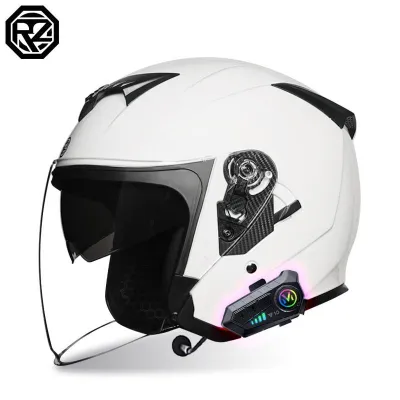
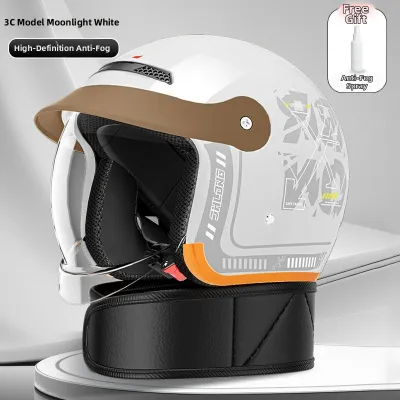
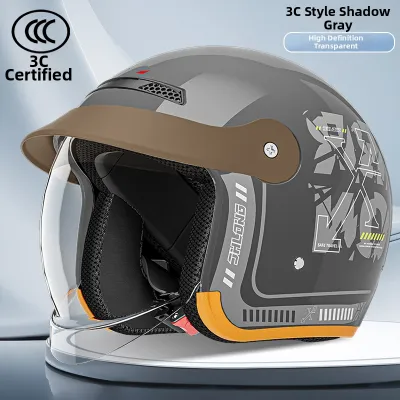
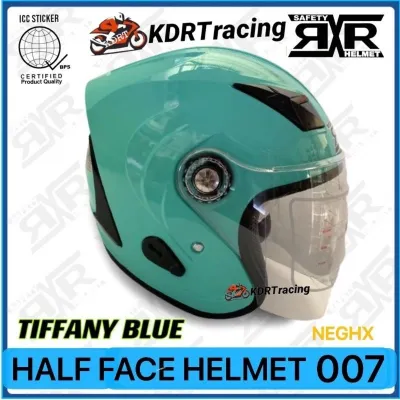
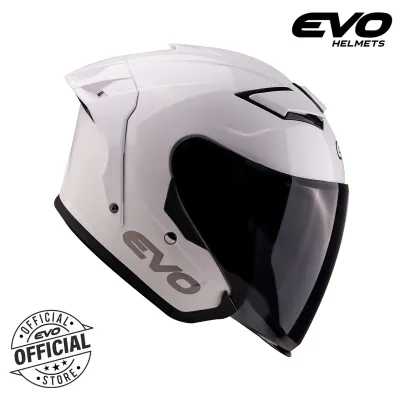
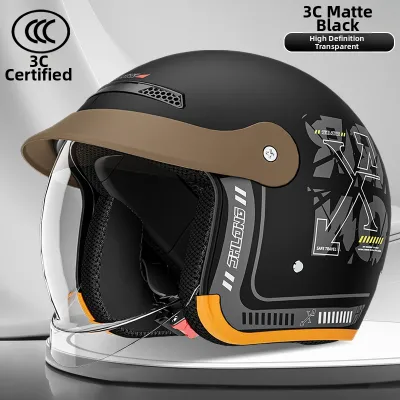
Prices are valid at publication and may change. Please refer to the product page for the latest price.
Understanding Safety Certifications In the Philippines, the Land Transportation Office (LTO) strictly enforces Republic Act No. 10054, also known as the Motorcycle Helmet Act of 2009. Under this law, all motorcycle riders must wear standard protective helmets that bear the Import Commodity Clearance (ICC) sticker or the Philippine Standard (PS) mark. These certifications, issued by the Bureau of Philippine Standards (BPS) under the Department of Trade and Industry (DTI), prove that the helmet has undergone rigorous impact, penetration, and retention system testing.
Beyond local stickers, look for international safety standards printed or stitched onto the helmet. The Department of Transportation (DOT) FMVSS 218 standard is the United States federal safety standard, which ensures basic impact attenuation and penetration resistance. The Economic Commission for Europe (ECE) standard, particularly the newer ECE 22.06 certification, is highly respected globally. ECE 22.06 testing is incredibly stringent, measuring impact resistance at multiple points, testing at various speeds, and evaluating rotational forces, which are critical in real-world motorcycle accidents.
Measuring Head Circumference and Determining Head Shape A helmet can only protect you effectively if it fits securely without moving or shifting during an impact. To find your correct size, wrap a flexible measuring tape horizontally around your head, approximately 2.5 centimeters (one inch) above your eyebrows and ears. This measurement represents your head circumference, which you can match against the manufacturer’s specific sizing chart.
Equally important is identifying your head shape, as helmet interiors are molded to accommodate different profiles. There are three primary head shapes recognized by helmet manufacturers:
- Intermediate Oval: The most common shape, where the front-to-back measurement is slightly longer than the side-to-side measurement.
- Round Oval: The front-to-back and side-to-side measurements are nearly equal, requiring a wider interior shape.
- Long Oval: The front-to-back measurement is significantly longer than the side-to-side measurement.
An incorrect fit can lead to severe discomfort, such as painful pressure points on your forehead, or cause the helmet to rotate easily, compromising your safety during a slide or crash.
Evaluating Shell Materials and the EPS Liner The outer shell of a helmet is the first line of defense, designed to prevent penetration and spread the force of an impact over a larger surface area. Common shell materials include Acrylonitrile Butadiene Styrene (ABS) plastic, polycarbonate, fiberglass composites, and carbon fiber. While ABS is affordable and tough, carbon fiber and fiberglass offer superior strength-to-weight ratios, absorbing energy more efficiently while remaining lightweight.
Beneath the outer shell lies the Expanded Polystyrene (EPS) liner. The EPS liner is the most critical safety component of the helmet; it is designed to collapse slowly under impact, absorbing the kinetic energy that would otherwise be transferred directly to your skull and brain. High-quality helmets often feature multi-density EPS liners, which use different foam densities to handle both high-speed and low-speed impacts effectively.
Retention Systems and Visor Quality The retention system keeps the helmet securely anchored to your head during an accident. The double D-ring system is widely considered the safest and most reliable retention method, as it has no mechanical parts that can fail and must be adjusted every time you put the helmet on. Alternatively, the micrometric quick-release buckle offers daily convenience, allowing you to secure and release the strap easily with gloved hands, provided the mechanism is constructed from durable metal or reinforced composite.
Lastly, a high-quality visor is essential for protecting your eyes from wind, dust, insects, and heavy tropical rain. Look for optical class 1 visors that prevent visual distortion, and ensure they are made of shatter-resistant polycarbonate. Visors with anti-scratch and UV-protection coatings are highly recommended to withstand the intense Philippine sun and prevent premature wear.
Entry-Level Half-Face Helmets: Budget-Friendly & Compliant
For casual riders, short-distance commuters, and those looking for an affordable secondary helmet for passengers, the entry-level tier offers practical solutions without requiring a massive financial investment. In the Philippines, this budget-friendly segment typically ranges from ₱1,000 to ₱2,500. At this price point, the primary focus is securing a helmet that meets basic legal safety standards while keeping costs low.

Standard Features of Entry-Level Helmets Helmets in this budget tier are almost exclusively constructed with injection-molded ABS or basic thermoplastic shells. While these materials are highly durable and capable of passing standard impact tests, they require a thicker shell to achieve the necessary strength, which makes the helmet heavier than mid-range or premium options.
The features in this category are straightforward and functional. You can expect a single, clear polycarbonate visor, a basic micrometric quick-release buckle, and minimal ventilation channels. The ventilation usually consists of one or two small top intake vents with simple slide closures, which may offer limited airflow during slow-moving traffic in high-humidity areas.
Verifying Safety in the Budget Segment Because the entry-level market is flooded with unbranded and counterfeit products, riders must exercise extreme caution. Never purchase a helmet simply because it is cheap; a substandard helmet can easily shatter upon impact, offering virtually no protection. Always verify that the helmet features a genuine, tamper-resistant ICC sticker with a holographic pattern and a verifiable serial number. Legitimate entry-level helmets from established brands are fully certified by the Bureau of Philippine Standards, ensuring they have passed the mandatory drop, penetration, and retention tests.
Understanding the Trade-Offs While entry-level helmets provide essential safety compliance, they come with noticeable trade-offs in comfort and daily usability. The interior padding is often made of basic synthetic fabric that is non-removable or only partially removable. Over time, sweat, scalp oils, and dirt from riding in hot Philippine weather will accumulate, making the liner difficult to clean and prone to developing unpleasant odors.
Additionally, budget helmets typically suffer from higher levels of wind noise and buffeting at speeds above 60 km/h. This is due to simpler aerodynamic designs and basic rubber seals around the visor, which allow wind to whistle through the gaps. If your daily ride involves short, low-speed commutes through city streets, these trade-offs are manageable, but they may become tiring on longer journeys.
Mid-Range Half-Face Helmets: The Sweet Spot for Daily Riders
For daily motorcycle commuters who spend hours navigating heavy traffic in major metropolitan areas like Metro Manila, Cebu, or Davao, the mid-range tier represents the ultimate sweet spot. Typically priced between ₱2,500 and ₱6,000, mid-range half-face helmets offer a significant step up in material quality, daily comfort, and advanced features, making them highly practical for the demanding tropical climate.
Material Upgrades and Advanced Ventilation In this price bracket, manufacturers utilize advanced polycarbonate resins or lightweight thermoplastic blends. These materials allow for thinner, stronger outer shells, resulting in a lighter helmet that reduces neck fatigue during long commutes.
One of the most critical upgrades in the mid-range tier is the implementation of multi-channel ventilation systems. These systems feature deep channels molded directly into the EPS liner, connecting front intake vents to rear exhaust vents. By utilizing the venturi effect, the system actively pulls cool air into the helmet while drawing hot, humid air out of the back. This continuous airflow is a massive advantage in the Philippines, where high humidity and intense heat can quickly cause a rider to overheat.
Hygiene and Comfort Improvements Riding daily in a tropical environment inevitably leads to sweating. Mid-range helmets address this issue by featuring fully removable, washable, and hypoallergenic inner liners. These liners are often constructed from moisture-wicking fabrics, such as Coolmax or similar technical textiles, which dry quickly and prevent the growth of odor-causing bacteria. Being able to easily snap out the cheek pads and comfort liner for a quick wash ensures your gear remains fresh and hygienic week after week.
Practical Commuting Features The mid-range tier is packed with features designed to make daily riding more convenient and enjoyable:
- Dual-Visor System: A built-in, drop-down internal sun visor can be deployed with a simple external lever. This allows you to instantly block out blinding sunlight during midday rides and retract it when entering tunnels or riding at night, eliminating the need to swap visors or wear sunglasses.
- Bluetooth Communication Readiness: Many mid-range helmets feature dedicated speaker pockets and wire routing channels molded into the EPS liner, allowing you to easily install an aftermarket intercom or communication system without causing uncomfortable pressure points on your ears.
- Quick-Release Visor Mechanisms: Tool-less visor systems allow you to remove and clean your main visor in seconds, which is incredibly useful for washing away road grime, bugs, and dried rainwater.
Premium Half-Face Helmets: Advanced Safety and Touring Comfort
Riders who engage in long-distance touring, operate high-displacement motorcycles, or simply demand the absolute best in safety and refinement will find their needs met in the premium half-face helmet tier. Priced above ₱6,000—and often exceeding ₱15,000 for top-tier international brands—these helmets represent the pinnacle of engineering, material science, and aerodynamic design.
Advanced Shell Technologies The defining characteristic of a premium helmet is its outer shell construction. Instead of standard plastics, premium manufacturers utilize multi-composite fiberglass, Kevlar, or pure carbon fiber. These advanced materials are layered in complex matrices to create a shell that is incredibly rigid and resilient against impacts, yet exceptionally lightweight. A lighter helmet drastically reduces the physical strain on your neck muscles, which is vital for maintaining focus and comfort during multi-hour touring trips along scenic provincial highways.
Superior Safety and Aerodynamics Premium helmets feature highly sophisticated safety systems, including multi-density EPS liners that are carefully engineered to absorb varying levels of impact force. Some premium open-face helmets also incorporate advanced rotational impact protection technologies, which help reduce the risk of brain shear during oblique impacts.
Aerodynamics play a massive role in premium helmet design. Developed and tested in advanced wind tunnels, these helmets feature integrated spoilers, clean body lines, and specialized visor shapes that minimize wind drag, lift, and buffeting. Even at highway speeds, a premium half-face helmet remains incredibly stable, preventing the wind from pulling the helmet upward or pushing your head side-to-side.
Luxury Interiors and Noise Reduction The interior of a premium helmet is a masterclass in comfort. Manufacturers use high-end, plush fabrics that are incredibly soft against the skin, highly breathable, and treated with advanced antimicrobial properties. The cheek pads are often 3D-molded to provide a precise, contoured fit that wraps securely around your jawline without feeling overly tight.
While half-face helmets are naturally louder than full-face models due to their open design, premium manufacturers utilize advanced sealing technologies and specialized neck rolls to block out as much ambient road and wind noise as possible. This creates a much quieter riding experience, reducing mental fatigue and allowing you to hear your integrated Bluetooth communication system or surrounding traffic more clearly.
Quick Comparison: Half-Face Helmets by Budget Tier
To help you easily visualize the differences between these price brackets and determine which tier best aligns with your riding habits, refer to the comparison table below.
| Budget Tier | Typical Shell Materials | Key Safety Certifications | Average Weight Profile | Ventilation Quality | Best Use Case |
|---|---|---|---|---|---|
| Entry-Level (₱1,000 – ₱2,500) | ABS Plastic, Basic Thermoplastic | ICC, PS, Basic DOT | Heavier (1,400g – 1,600g) | Basic (1-2 top vents, minimal exhaust) | Casual riding, short city commutes, passenger use |
| Mid-Range (₱2,500 – ₱6,000) | Advanced Polycarbonate, Thermoplastic | ICC, PS, DOT, ECE 22.05 / 22.06 | Moderate (1,250g – 1,450g) | Good (Multi-channel EPS, active exhaust) | Daily commuting, urban riding, delivery riders |
| Premium (Over ₱6,000) | Carbon Fiber, Fiberglass Composites | ICC, PS, DOT, ECE 22.06, JIS | Very Light (Under 1,250g) | Excellent (Wind-tunnel optimized, high airflow) | Long-distance touring, highway riding, premium comfort |
When deciding which tier to invest in, consider your weekly mileage and the speeds at which you typically travel. If you only ride short distances at low speeds to run local errands, an entry-level helmet provides reliable, certified safety. However, if you commute daily through heavy traffic or enjoy weekend touring, upgrading to a mid-range or premium helmet will significantly improve your comfort, hygiene, and overall riding experience.
Where to Buy and How to Verify Authenticity
With the rise of online shopping, the market has seen an influx of counterfeit and substandard helmets that mimic the appearance of popular brands. Because your helmet is the most critical piece of safety gear you own, knowing where to buy and how to verify authenticity is a matter of life and death.
Recommended Purchasing Channels To guarantee you are purchasing a genuine, certified product, always buy from authorized physical dealerships, official brand concept stores, or reputable online marketplaces. When shopping online, look for official store tags, verified seller badges, and positive customer reviews with real photos of the packaging and stickers. Avoid buying from unverified third-party sellers offering high-end brands at prices that seem too good to be true.
In-Hand Verification Checklist Whether you are purchasing in-store or inspecting a delivery at home, use this step-by-step checklist to verify the authenticity and quality of your half-face helmet:
- Check the ICC/PS Sticker: A genuine ICC sticker has a distinct holographic finish that shifts color under light, clear serial numbers, and a secure adhesive that cannot be peeled off easily without tearing.
- Inspect the DOT/ECE Markings: Look for the permanent safety standard labels printed on the back of the helmet shell. Additionally, check for the ECE approval tag stitched directly onto the chin strap.
- Examine the Build Quality: Real helmets feature precise stitching on the inner liner, smooth and positive clicks on the visor mechanism, and high-quality paint finishes. Counterfeit helmets often have a strong chemical smell from cheap adhesives and plastics.
- Review the EPS Liner: Look inside the helmet beneath the comfort padding. The EPS liner should be dense, uniform, and firmly secured to the outer shell. If the foam feels soft, spongy, or easily compressible with your thumb, do not use the helmet.
Always consult the manufacturer’s specific care instructions before cleaning your helmet. Avoid using harsh chemical solvents, which can degrade the outer shell and the EPS liner, severely reducing the helmet’s protective capabilities.
Frequently Asked Questions (FAQ)
Are half-face helmets legal for highway riding in the Philippines?
Yes, half-face helmets are legal for highway riding in the Philippines, provided they carry the mandatory ICC or PS certification sticker required by the Land Transportation Office (LTO). However, if you plan to ride on major expressways (which require a minimum engine displacement of 400cc), you will be traveling at sustained speeds of 80 to 100 km/h. While a certified half-face helmet is legally compliant, a full-face helmet is highly recommended for high-speed expressway riding because it offers significantly better wind protection, noise reduction, and crucial facial protection in the event of a high-speed crash.
How often should I replace my half-face helmet?
As a general industry standard, helmet manufacturers recommend replacing your helmet every 3 to 5 years from the date of purchase, or 7 years from the date of manufacture. Over time, the materials inside the helmet—particularly the EPS liner and comfort padding—will naturally degrade due to exposure to sweat, hair oils, cosmetics, UV rays, and extreme tropical heat.
Most importantly, you must replace your helmet immediately after any significant impact or crash. The EPS liner is designed to deform and collapse to absorb impact energy; once it has done so, it cannot protect you a second time. Even if the helmet looks completely undamaged on the outside, the internal safety structure may be compromised, making it unsafe for continued use.
Community discussion
Share your experience or ask a question. Comments are reviewed before publication.