
Finding a reliable helmet motorcycle half face riders can trust on Philippine roads requires understanding the balance between cost, comfort, and certified protection. With the diverse road conditions in the country—ranging from congested city streets in Metro Manila to open provincial highways—selecting the right gear is essential. A half-face (or open-face) helmet offers excellent visibility and ventilation, making it a highly popular choice for daily commuters navigating tropical heat and humidity.
While budget is a major deciding factor for most riders, safety must never be compromised. The Philippine market offers a wide spectrum of options, from highly affordable entry-level models to premium, feature-packed touring helmets. By understanding what each price tier offers and how to verify legal safety standards, you can make an informed investment that protects both your head and your wallet.
Mandatory Safety Certifications for Half-Face Helmets in the Philippines
Before comparing prices or aesthetic designs, every rider must understand the legal and safety baselines established by Philippine law. Under Republic Act No. 10054, also known as the Motorcycle Helmet Act of 2009, all motorcycle riders on public roads must wear certified protective helmets. Compliance is verified through specific safety markings that indicate the helmet has undergone rigorous impact and penetration testing.
Products mentioned in this guide
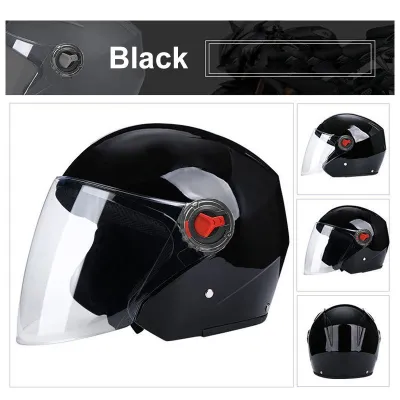
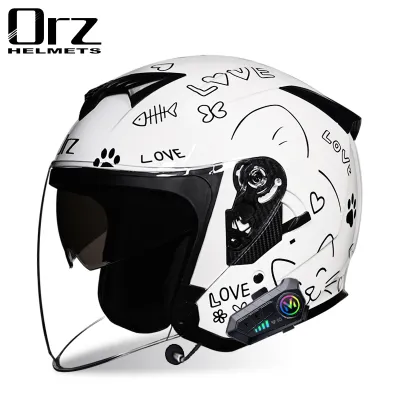
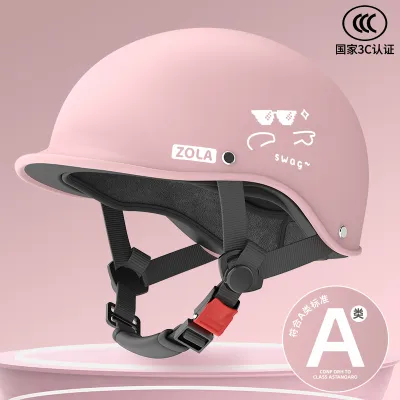
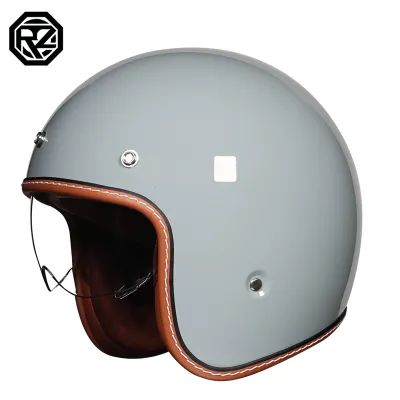
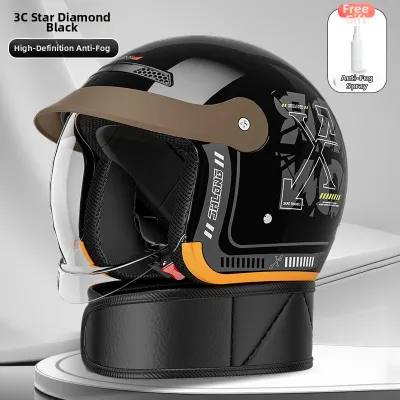
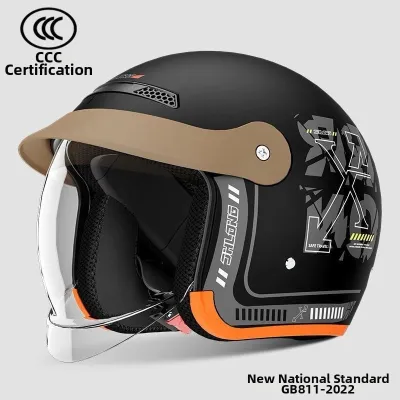
Prices are valid at publication and may change. Please refer to the product page for the latest price.
For imported helmets, look for the Import Commodity Clearance (ICC) sticker, which features a unique serial number and a holographic security design. For locally manufactured helmets, the Philippine Standard (PS) mark serves the same regulatory purpose. These certifications are issued by the Bureau of Philippine Standards (BPS) under the Department of Trade and Industry (DTI), ensuring the helmet meets local safety thresholds.
It is helpful to understand how these local markings relate to international standards. Many reputable helmets sold in the Philippines also carry United States Department of Transportation (DOT) or Economic Commission for Europe (ECE 22.05 or ECE 22.06) labels. While DOT and ECE certifications indicate high-quality global testing, they do not exempt a helmet from requiring an official ICC or PS sticker to be legally road-compliant in the Philippines.
Under no circumstances should you purchase uncertified “novelty” or toy helmets. These cheap alternatives lack the critical Expanded Polystyrene (EPS) impact-absorbing inner liner, offering virtually zero protection during a fall or collision. Riding with an uncertified helmet not only exposes you to severe head injuries but also invites heavy fines and license confiscation from Land Transportation Office (LTO) officers or local traffic enforcers.
Prioritizing certification verification must be the absolute first step in your buying process. A certified helmet is engineered to manage impact energy, reducing the force transmitted to your brain during an accident. Never let a low price tag tempt you into ignoring these vital safety markings.
Feature and Quality Breakdown by Budget Tier for Your Helmet Motorcycle Half Face
To help you navigate the market, helmets can generally be divided into three distinct price tiers. Each tier reflects differences in manufacturing materials, manufacturing tolerances, comfort features, and overall durability.

Entry-Level: Basic Compliance and Essential Protection
Typically priced under ₱1,500, entry-level helmets focus strictly on meeting the minimum legal safety requirements. The outer shells in this category are almost exclusively made of injection-molded Acrylonitrile Butadiene Styrene (ABS) plastic. While ABS is tough and impact-resistant, it requires a thicker structure to achieve adequate strength, making these helmets noticeably heavier than their high-end counterparts.
Feature sets in this bracket are highly simplified. You will generally find standard clear polycarbonate visors with basic plastic ratchets and simple micrometric plastic strap buckles. Because advanced wind-tunnel testing is rarely performed on budget models, entry-level helmets often lack sophisticated ventilation channels, which can lead to a warmer interior during slow-moving traffic.
These helmets are best suited for short, low-speed city commutes, quick neighborhood errands, or as a secondary passenger helmet. They provide the necessary legal compliance and basic impact protection without unnecessary financial strain.
Mid-Range: Enhanced Comfort and Better Materials
Positioned between ₱1,500 and ₱5,000, mid-range helmets represent the sweet spot for daily commuters and delivery riders. Manufacturers in this tier utilize upgraded shell materials, such as advanced polycarbonates, lightweight thermoplastics, or basic fiberglass composites. These materials offer superior structural integrity while significantly reducing overall weight, which helps prevent neck fatigue during long hours on the road.
Comfort is a major focus of mid-range designs. The interior comfort padding is typically fully removable, washable, and constructed from hypoallergenic, moisture-wicking fabrics. This is a crucial upgrade for riding in hot and humid tropical climates, as it prevents the buildup of sweat, bacteria, and unpleasant odors.
Additionally, mid-range helmets often feature improved aerodynamics, multi-port adjustable ventilation systems, and upgraded visor mechanisms. Many models in this range include a dual-visor system, which incorporates a drop-down inner sun shield to protect your eyes from the intense daytime glare common on Philippine highways.
Premium: Advanced Aerodynamics, Tech, and Premium Liners
Starting above ₱5,000 and extending into premium territory, this tier is designed for touring enthusiasts, long-distance riders, and those who prioritize maximum refinement. The outer shells are crafted from high-performance composite materials, such as multi-layer fiberglass, organic fibers, or pure carbon fiber. These materials yield incredibly lightweight helmets that maintain exceptional structural strength under extreme stress.
Inside a premium helmet, you will find multi-density EPS liners engineered to absorb varying levels of impact energy progressively. The interior fabrics are highly luxurious, often featuring antibacterial treatments and customizable cheek pads to achieve a tailored fit. Aerodynamics are highly refined through extensive wind-tunnel testing, resulting in minimal wind lift, reduced neck strain, and superior wind-noise reduction at high speeds.
Premium half-face helmets also offer advanced convenience features. These include integrated speaker pockets designed for Bluetooth communication systems, high-optical-grade visors that resist distortion, and preparation for Pinlock anti-fog inserts. The higher cost directly translates to reduced weight, long-distance comfort, and highly specialized features.
Which Features Are Worth the Extra Cost?
When deciding how to allocate your budget, certain features offer a substantial return on investment in terms of daily comfort, safety, and convenience. Evaluating your specific riding habits will help you determine where to spend more.
- Ventilation Systems: In the Philippines, where high humidity and sudden downpours are common, adjustable multi-point ventilation is highly valuable. Well-designed intake and exhaust vents draw cool air in while expelling hot, humid air from the top of your head. This active airflow keeps you comfortable, reduces sweat buildup, and helps prevent the visor from fogging up during sudden rainstorms.
- Visor Technology: Upgrading to advanced visor systems is highly recommended. Look for visors that offer built-in UV protection to shield your eyes from harsh sunlight. Tool-less quick-release mechanisms are incredibly convenient, allowing you to remove the visor for cleaning or swap it out in seconds. Furthermore, a visor that is Pinlock-ready allows you to install an anti-fog insert, which is a game-changer for visibility during the monsoon season.
- Weight and Balance: A heavy or poorly balanced helmet places continuous strain on your neck and shoulder muscles. Over a long commute, this strain can lead to physical fatigue and reduced situational awareness. Investing in a lighter shell material or a helmet designed with a balanced center of gravity ensures you remain comfortable and alert throughout your journey.
- Interior Padding: Because you will sweat while riding in tropical traffic, hygienic padding is essential. Hypoallergenic, fully removable, and washable comfort liners allow you to keep your helmet clean and smelling fresh. Over time, non-removable liners degrade and compress, compromising the helmet's fit; removable liners can be washed or replaced to maintain a snug, safe fit for years.
Hidden Costs and Budget Traps to Avoid
Navigating online marketplaces and local shops requires a cautious approach, as there are several budget traps that can end up costing you more in the long run.
Be highly skeptical of heavily discounted helmets on unverified e-commerce platforms. If a price seems too good to be true, the product is likely a counterfeit or a rejected factory second. These counterfeit helmets often sport fake ICC stickers that are easily peeled off, but they lack the internal safety engineering required to protect your head during an impact.
Additionally, be mindful of hidden post-purchase costs. Many budget helmets do not include essential accessories, forcing you to purchase items like anti-fog inserts, tinted visors, or protective helmet bags separately. If you buy a model from an obscure, low-end brand, you may also find that replacement visors or cheek pads are completely unavailable in the local market, meaning a single scratched visor could force you to retire the entire helmet prematurely.
Always check the availability of spare parts for your chosen model before checking out. Stick to reputable brands that maintain a strong local presence in the Philippines, ensuring you can easily source replacement visors, base plates, and liners when needed. Finally, factor in the cost of a high-quality helmet lock to secure your gear when leaving your motorcycle parked in public spaces.
How to Verify Helmet Authenticity Before Checkout
To ensure your investment is genuine and legally compliant, you must perform a thorough verification process before completing your purchase.
Start by physically inspecting the helmet for the official ICC sticker or PS mark. Genuine ICC stickers are printed on high-quality security paper with clear, crisp serial numbers and holographic elements that shimmer when exposed to light. These stickers are permanently adhered to the shell or the chin strap; if the sticker looks like a cheap, easily peelable paper label, or if the print is blurry, walk away from the purchase.
Next, check the rear of the helmet shell for embossed or painted-on international certification labels, such as DOT or ECE markings. Look inside the helmet, typically under the comfort liner, for a manufacturing date stamp or label. Helmets have a recommended service life of approximately five years from the date of manufacture due to the natural degradation of the protective EPS liner. Avoid purchasing “new old stock” helmets that have been sitting on warehouse shelves for several years, as their safety performance may be compromised.
To guarantee authenticity, buy exclusively from authorized physical dealerships or official brand flagship stores on major online marketplaces. Authorized sellers can provide verifiable warranty coverage, clear product histories, and genuine replacement parts. If you are buying online, read customer reviews carefully, looking for photos of the actual certification stickers and packaging.
If a seller is evasive, cannot provide clear, high-resolution photos of the certification labels, or ships the product in generic, unbranded packaging, stop the transaction immediately. Your safety is worth the extra effort required to verify that you are purchasing a genuine, legally compliant helmet.
Frequently Asked Questions (FAQ)
Is a half-face helmet legal for motorcycle riding in the Philippines?
Yes, half-face (or open-face) helmets are completely legal for motorcycle riding on all public roads in the Philippines, provided they carry a valid, genuine ICC sticker or PS mark. To comply fully with Land Transportation Office (LTO) regulations, the helmet must fit your head securely, and the chin strap must be properly fastened at all times while the motorcycle is in motion.
Are half-face helmets suitable for long highway rides?
While legally permissible on open highways, half-face helmets are less ideal for long-distance, high-speed touring. Because they lack a chin bar, they expose your lower face to wind, dust, rain, road debris, and insects, while also generating higher levels of wind noise. If you frequently travel on highways, investing in a mid-range or premium half-face helmet with an aerodynamic, full-coverage visor is highly recommended, though a full-face helmet remains the safest and most comfortable option for high-speed travel.
Community discussion
Share your experience or ask a question. Comments are reviewed before publication.