
Navigating the bustling streets of Metro Manila, Cebu, or Davao requires not only sharp defensive riding skills but also reliable protective gear. For many daily riders and weekend commuters, a reliable half face motorcycle helmet offers the ideal balance of ventilation, convenience, and visibility in tropical weather. However, choosing the right helmet across the wide range of price points in the Philippines can be challenging. While budget-conscious riders look for affordable options to stay compliant with traffic laws, enthusiasts often seek premium materials and advanced features for long-distance comfort.
The key to making an informed decision is understanding that safety should never be compromised, regardless of how much you spend. Every price tier offers distinct trade-offs in terms of shell materials, interior comfort, ventilation, and noise reduction. By evaluating how these tiers differ and identifying your specific commuting needs, you can find a helmet that fits your head comfortably, protects you effectively, and matches your budget.
Understanding Half-Face Helmet Safety and Local Compliance
Before exploring the features available at different price points, you must understand the safety characteristics of a half face motorcycle helmet. Also known as open-face helmets, these models cover the top, sides, and back of your head but leave your face and jaw exposed. According to motorcycle safety studies, the chin and jaw area receives a significant percentage of impacts during accidents. Choosing a half-face design means accepting this inherent protection trade-off in exchange for better airflow, a wider field of view, and easier communication during quick stops. Because of this compromise, ensuring that your chosen helmet meets strict manufacturing standards is absolutely vital.
Products mentioned in this guide
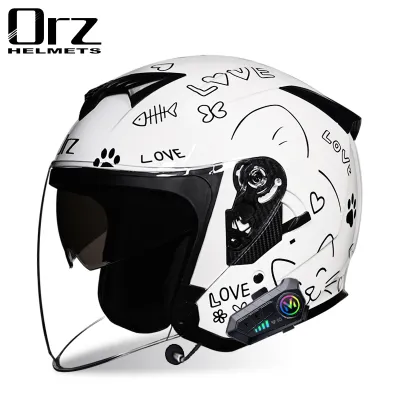
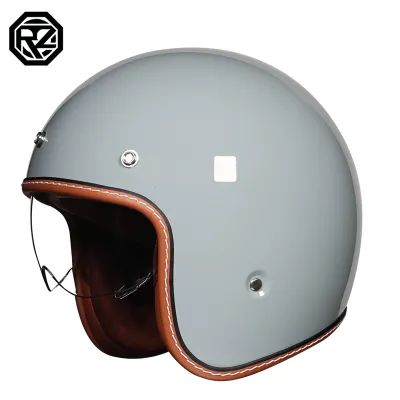
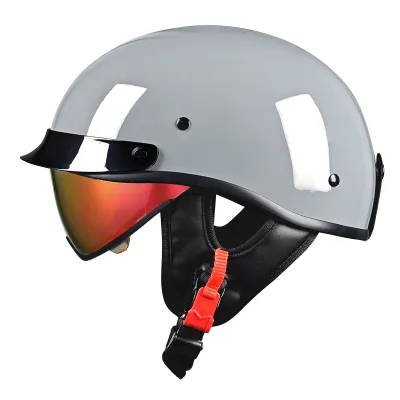
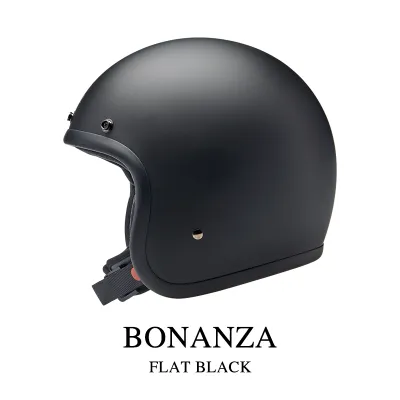
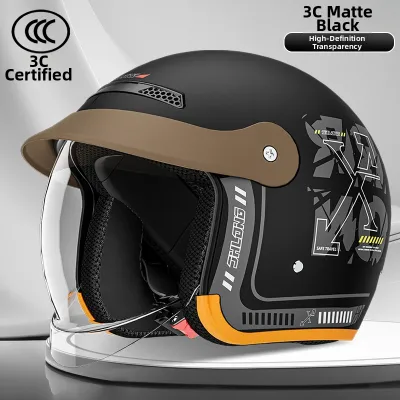
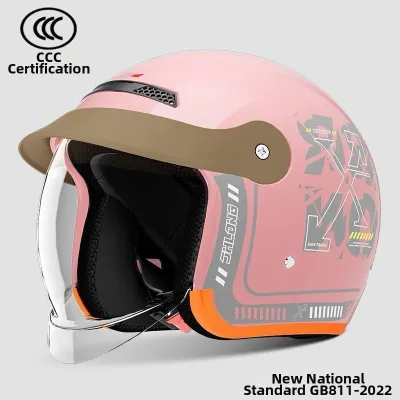
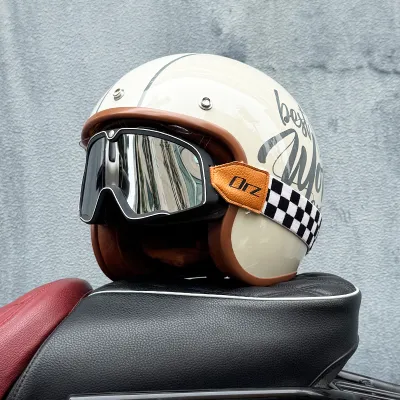
Prices are valid at publication and may change. Please refer to the product page for the latest price.
In the Philippines, road safety laws mandate that all motorcycle helmets must carry specific quality marks to prove they can withstand impact forces. When shopping, you must look for the Import Commodity Clearance (ICC) sticker or the Philippine Standard (PS) mark, which indicate that the helmet has passed local safety audits. Additionally, reputable global standards such as the United States Department of Transportation (DOT) FMVSS 218 certification or the European Economic Commission (ECE) 22.05 or 22.06 standards provide international verification of a helmet’s structural integrity. These certifications ensure that the outer shell, the energy-absorbing expanded polystyrene (EPS) liner, and the retention strap can perform under pressure.
You should strongly avoid purchasing uncertified novelty helmets, “construction-style” hard hats, or ultra-cheap options that lack official safety markings. These products are often made of thin, brittle plastics and lack the critical EPS foam liner needed to absorb impact energy. In a collision, an uncertified helmet can crack easily or fail to cushion your brain, leading to severe injuries. No amount of savings justifies risking your life with non-compliant gear; a certified entry-level helmet is always the minimum baseline for safe riding.
What to Expect at Different Price Points
When browsing the Philippine market, you will find half-face helmets divided into three general price tiers: entry-level, mid-range, and premium. While every legally compliant helmet must meet basic safety standards, higher budgets buy significant upgrades in materials, weight distribution, interior comfort, and aerodynamics. Understanding these differences helps you decide whether to stick to a basic model or invest more for your daily commute.

Entry-Level Helmets: Basic Compliance and Essential Protection
Typically priced under ₱2,000, entry-level helmets are designed primarily for short-distance commuters, casual riders, and those on a strict budget. At this price point, the outer shell is almost universally constructed from standard Acrylonitrile Butadiene Styrene (ABS) plastic. While ABS is tough and impact-resistant, it requires a thicker layer to achieve safety compliance, which makes these helmets relatively heavy compared to advanced materials. Inside, you will find a single-density EPS foam liner designed to absorb direct impacts.
To keep production costs low, manufacturers of entry-level helmets often use fixed, non-removable interior padding. Over time, sweat, hair oils, and road dust accumulate in the fabric, and because you cannot easily remove the liner to wash it, maintaining hygiene in the hot, humid Philippine climate can be difficult. Ventilation systems in this tier are also basic, usually consisting of simple, non-adjustable plastic vents that provide minimal airflow. Additionally, the chin straps typically feature basic quick-release plastic buckles rather than reinforced metal systems. While these helmets are fully legal and safe for daily use if they carry an ICC or PS mark, they may feel bulky, warm, and less refined during extended rides.
Mid-Range Helmets: Upgraded Materials and Better Comfort
Positioned generally between ₱2,000 and ₱6,000, mid-range helmets represent the sweet spot for daily commuters who spend hours on the road. In this tier, manufacturers often employ advanced polycarbonate blends or lightweight thermoplastic shells. These materials are stronger than standard ABS, allowing the helmet to be thinner and lighter while maintaining excellent impact protection. Many mid-range models also feature multi-density EPS liners, which are engineered to absorb different levels of impact force across different zones of the head.
The comfort upgrades in the mid-range tier are highly beneficial for tropical riding. You can expect fully removable, washable, and moisture-wicking interior liners that help manage sweat and prevent odor buildup. Ventilation is significantly improved, featuring adjustable intake and exhaust vents that create a cooling chimney effect over your scalp. Another common feature in this bracket is the integrated drop-down sun visor, which allows you to shield your eyes from the intense Philippine sun with the flip of a lever, eliminating the need to wear sunglasses under your helmet. Better aerodynamics also reduce wind resistance, minimizing neck fatigue during highway speeds or long rides.
Premium Helmets: Advanced Features and Superior Build Quality
Priced above ₱6,000, premium half-face helmets are designed for touring enthusiasts, daily riders with longer commutes, and those who prioritize maximum comfort and advanced technology. The shells of these high-end helmets are typically crafted from advanced composite materials, such as fiberglass, Kevlar, or pure carbon fiber. These materials offer an exceptional strength-to-weight ratio, resulting in an incredibly light helmet that significantly reduces neck strain over hours of riding.
Premium helmets are packed with sophisticated features that justify their higher price. They often include emergency quick-release cheek pads, which allow emergency responders to safely remove the helmet without straining the rider’s neck. Many models are pre-molded with dedicated speaker pockets and routing channels for seamless Bluetooth communication system integration. The optical quality of the main visor is superior, featuring distortion-free views and compatibility with Pinlock anti-fog inserts—a crucial feature when riding through sudden tropical downpours. Furthermore, premium helmets undergo extensive wind-tunnel testing to optimize aerodynamics and minimize wind noise, providing a quiet, stable, and highly refined riding experience even at high speeds.
How to Prioritize Features on a Tight Budget for a Half Face Motorcycle Helmet
If you are working with a limited budget, you do not have to sacrifice safety to get a reliable half face motorcycle helmet. Making smart compromises allows you to maximize the value of your purchase without putting yourself at risk. The key is distinguishing between non-negotiable safety features and luxury conveniences that you can comfortably live without.
Your absolute non-negotiable priority must always be a proper, snug fit. A helmet that is too loose will shift during an impact, failing to protect your head, while a helmet that is too tight will cause painful pressure points and headaches. When buying, measure your head circumference accurately and compare it to the manufacturer’s specific sizing chart. Additionally, ensure the helmet has a valid safety certification (such as ECE or DOT alongside local compliance markings) and a secure, high-quality retention system. A micrometric plastic buckle or a classic double D-ring strap must fasten securely and resist slipping when pulled.
Once safety and fit are secured, you can make acceptable compromises on convenience features to keep costs down:
- Visor Configuration: Opt for a high-quality, clear, fixed single visor instead of a dual-visor system with an integrated drop-down sun shield. A single visor is cheaper to manufacture, easier to maintain, and less prone to mechanical failure.
- Interior Padding: Accept simpler, non-removable padding if necessary, and manage hygiene by wearing a washable balaclava or motorcycle head wrap to absorb sweat and oils.
- Aesthetics and Finishes: Choose solid, gloss finishes (such as plain white, black, or gray) over complex graphic designs or matte finishes. Graphic wraps and matte paints add to production costs without offering any additional physical protection.
By allocating your limited funds toward a certified, well-fitting entry-level helmet rather than a cheap, uncertified model that boasts flashy graphics or integrated sun visors, you protect your head while staying within your financial limits.
Hidden Costs and Buying Pitfalls to Avoid
Shopping for a motorcycle helmet in the Philippines, whether online or in physical retail stores, requires a cautious approach to avoid common pitfalls that can cost you money or compromise your safety. With the rise of e-commerce platforms, the market has been flooded with counterfeit helmets. These fake products often mimic the exact branding, color schemes, and logos of premium international brands but are constructed from substandard materials without any safety testing. To protect yourself, always verify the seller’s authorization, purchase from official brand stores, and look for physical compliance stickers upon delivery.
Another common pitfall is ignoring the hidden costs associated with purchasing a helmet. When buying online, you must factor in shipping fees, especially if the item is dispatched from overseas. More importantly, consider the cost of return shipping if the helmet does not fit correctly and needs to be exchanged. You should also look ahead at the long-term cost of ownership. Visors inevitably get scratched from road debris, and interior pads wear down over time. Before choosing a specific brand or model, check if replacement parts—such as outer visors, visor mechanisms, and cheek pads—are readily available and reasonably priced in the local market.
Finally, you should avoid purchasing second-hand helmets under almost all circumstances. While a used premium helmet might seem like an attractive way to get high-end features on a budget, you cannot verify its history. The EPS liner inside a helmet is designed to compress and absorb energy during a single impact, after which it becomes permanently compromised. Even if a used helmet looks pristine on the outside, it may have suffered an internal fracture from a drop or minor collision, rendering it useless in a future accident. Always buy new to ensure your helmet’s protective capabilities are fully intact.
Frequently Asked Questions (FAQ)
Choosing the right riding gear often brings up practical questions about daily commuting and long-term maintenance. This quick reference addresses common commuter concerns regarding the use of open-face helmets in the Philippines.
Are half-face helmets legal for daily commuting in the Philippines?
Yes, half-face (open-face) helmets are fully legal for daily commuting on Philippine roads, provided they carry the required local compliance markings (such as the ICC or PS sticker) and meet recognized safety standards. When riding, you must ensure the chin strap is securely fastened and adjusted correctly; riding with an unbuckled helmet is treated as a traffic violation. While legal, you should remain aware of the trade-offs in protection. Because half-face helmets do not cover the chin or jaw, they offer less facial protection during a frontal impact compared to full-face helmets. The final choice depends on your personal assessment of risk, comfort, and commuting conditions.
How often should I replace a budget half-face helmet?
As a general industry standard, you should replace your motorcycle helmet every three to five years from the date of purchase, or immediately after any significant impact, even if no visible damage is present. In the Philippines, the combination of high humidity, intense tropical sunlight (UV exposure), and heavy sweating can accelerate the degradation of the helmet’s materials. Sweat and hair oils break down the interior comfort liner, while extreme heat can affect the structural integrity of the EPS foam and plastic shell. If you notice that the interior padding has become loose, the helmet shifts easily on your head, or the outer shell shows signs of cracking or discoloration, you should replace it immediately to ensure your safety on the road.

Community discussion
Share your experience or ask a question. Comments are reviewed before publication.