
Upgrading your vehicle’s interior often starts with the touchpoints you use every single day. The handbrake lever, though primarily a functional safety component, is one of the most prominent tactile elements in your cabin. Installing a high-quality handbrake cover is an easy, cost-effective way to enhance both the visual appeal of your center console and the tactile feedback of your parking brake.
In the Philippines, the demanding tropical climate presents unique challenges for automotive interiors. High relative humidity, intense solar heat, and perspiration from daily driving can cause factory-installed rubber, plastic, or low-grade vinyl handbrake levers to degrade, become uncomfortably hot, or turn slick and sticky. Choosing the right handbrake cover involves balancing your personal style preferences with practical considerations like grip, heat resistance, and long-term durability under the sun.
By selecting a material and fitment type that matches your driving habits, you can protect your vehicle’s original components from wear while ensuring a secure, comfortable grip every time you park. This guide breaks down how to choose, install, and maintain the ideal cover for your vehicle.
Products mentioned in this guide
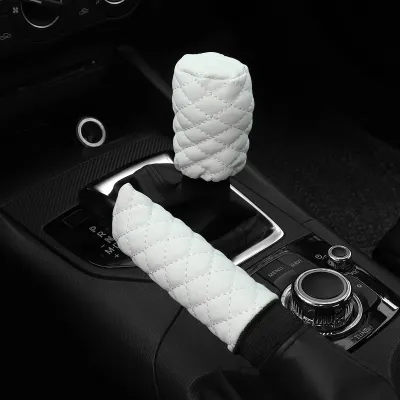

![[LA1R]Parking Handbrake Gaiter Handbrake Boot Cover for B 1995-2002 Anti Slip Shift Knob Gaiter Boot](https://img.lazcdn.com/g/p/60c74d01a1ab9a7dc967d5a9d25117c5.jpg_400x400q80.jpg_.webp)
Prices are valid at publication and may change. Please refer to the product page for the latest price.
How to Choose the Right Handbrake Cover for Your Car
Selecting a handbrake cover requires more than just picking a design that looks good. Because the parking brake is a critical safety control, the cover you choose must fit securely and perform reliably under all driving conditions.
Material and Texture in Tropical Climates
The choice of material directly affects how the cover handles the heat and humidity of local roads. Natural materials like genuine leather and specialized textiles offer excellent breathability, allowing heat to dissipate and preventing the surface from becoming uncomfortably hot when parked outdoors. These materials absorb minimal moisture and maintain a reliable texture even when your hands are damp.
Conversely, synthetic materials like silicone and high-grade vinyl are exceptionally sweat-resistant and waterproof. They do not absorb moisture, making them highly hygienic and easy to wipe clean after a long commute. However, some solid synthetics can trap heat or feel slightly slick if they lack textured surfaces. When shopping on an online marketplace, look for textured, embossed, or perforated patterns that promote airflow and enhance friction.
Fitment Types: Slip-On, Lace-Up, and Boot Replacements
Handbrake covers generally fall into three design categories, each offering a different balance of installation ease and aesthetic integration:
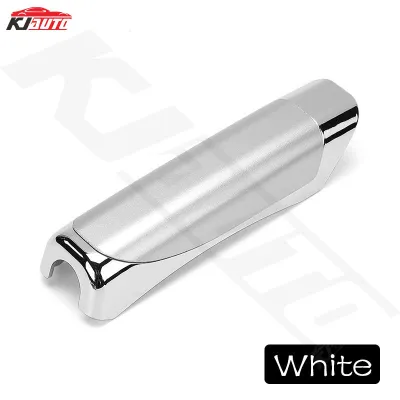
- Universal Slip-On Sleeves: These are flexible covers made of silicone, rubber, or stretchable fabric that slide directly over the existing lever. They are highly affordable and take seconds to install, making them a popular choice for daily drivers. However, because they are designed to fit a wide range of vehicles, they may not offer a perfectly flush fit on highly contoured or unusually thick levers.
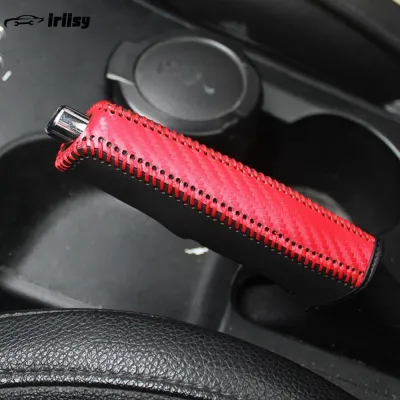
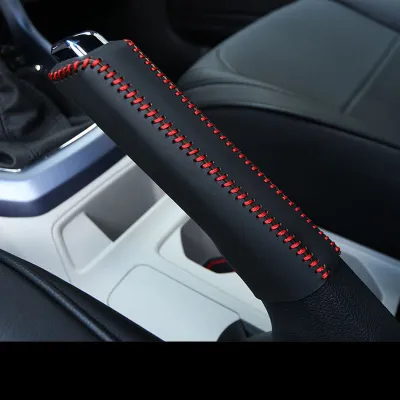
- Custom-Fit Lace-Up Wraps: Typically made of genuine or synthetic leather, these wraps are pre-cut to match specific vehicle models. You wrap the material around the lever and stitch it closed using a needle and waxed thread. While installation requires patience and time, the result is a seamless, tight, original-equipment manufacturer (OEM) appearance that will not slide or twist.
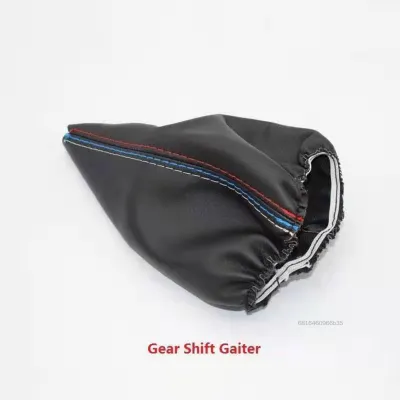
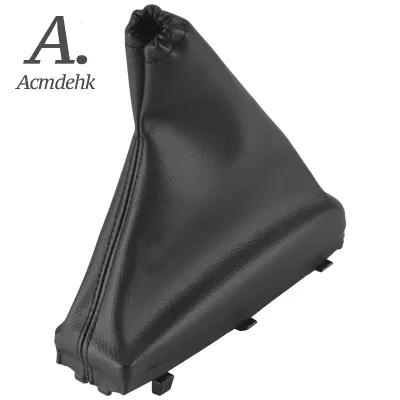
- Full Handbrake Boot Replacements: If your vehicle has a fabric or leather boot that surrounds the base of the lever, a full boot replacement updates the entire assembly. This option completely refreshes worn, cracked, or dusty factory boots but usually requires removing center console panels to secure the base frame.
Measuring for Compatibility
To avoid purchasing a cover that is too loose or too short, always measure your vehicle’s handbrake lever before ordering. Use a flexible sewing tape measure to record three key dimensions:
- Total Length: Measure from the base of the lever (where it meets the boot or console) to the base of the release button.
- Circumference/Girth: Wrap the tape around the thickest part of the handle, and then measure the thinnest part near the button.
- Button Clearance: Note the diameter of the release button and ensure the cover's front opening is wide enough to let the button depress fully without interference.
Compare these physical measurements against the detailed sizing charts provided by the manufacturer. Never rely solely on generic compatibility claims like “fits all sedan models.”
Safety and Mechanical Verification
Your handbrake is a primary safety mechanism. Any aftermarket accessory installed on it must preserve its mechanical integrity. Before driving, verify that the cover does not obstruct the physical travel of the lever. You must be able to pull the handbrake to its fully engaged position and release it smoothly without the cover binding against the center console.
Additionally, the cover must not block or restrict the release button. If the cover is too long or shifts forward during use, it can prevent the button from popping back out, potentially leaving the parking brake partially engaged. Lastly, the cover must fit tightly enough that it cannot rotate or slide off when you pull the lever in an emergency.
Best Handbrake Cover Styles to Match Your Car Interior
Matching your handbrake cover to your car’s overall interior theme creates a cohesive, premium look. Depending on whether you prioritize luxury, sportiness, modern tech, or pure utility, several distinct styles are available in the Philippine market.

Premium Leather and Faux Leather for Luxury Interiors
For classic, executive, or family vehicles featuring wood grain, chrome accents, or existing leather upholstery, a leather handbrake cover is the ideal complement. Genuine leather offers a supple, premium feel that improves with age, developing a natural patina. It provides a sophisticated touch that elevates the entire cabin aesthetic, especially when ordered with contrast stitching (such as red, blue, or white) to match your steering wheel cover or gear shift knob.
Faux leather (such as high-quality polyurethane or microfiber leather) offers a similar upscale appearance at a more accessible price point, typically ranging from ₱300 to ₱800. It is highly resistant to staining and fading. However, both genuine and synthetic leather require proper care in tropical environments. Prolonged exposure to intense sunlight through the windshield can dry out the material, leading to cracking or peeling. To maintain its soft texture and prevent damage, apply a mild leather conditioner every few months and use a windshield sunshade when parking outdoors.
Suede and Alcantara-Style for Sporty Builds
If your vehicle features a sporty interior with bucket seats, matte black trims, or carbon fiber accents, a suede or Alcantara-style handbrake cover delivers an aggressive, track-inspired look. These materials provide an exceptionally high-friction, non-slip grip that feels soft and premium to the touch. Because they do not reflect light, they eliminate glare around the center console.
Suede and Alcantara-style covers require diligent upkeep in hot, humid climates. The fine fibers easily trap perspiration, skin oils, and dust from your hands. Over time, this buildup can cause the material to matte down, lose its grip, and develop a shiny, worn appearance. To preserve the texture, avoid touching the cover with dirty or greasy hands, and clean it regularly using a soft-bristled brush and a dedicated suede cleaner.
Carbon Fiber Texture for Modern and Tech-Inspired Looks
Carbon fiber textured covers are perfect for modern vehicles with digital dashboards, glossy black panels, and high-tech accessories. These covers are typically constructed from a semi-rigid ABS plastic shell wrapped in textured carbon fiber vinyl, or a flexible composite material. They offer a sleek, high-tech appearance and are incredibly durable, resisting scratches from keys, rings, or passenger cargo.
One practical consideration for carbon fiber finishes is heat retention. Dark, glossy, or synthetic surfaces absorb solar radiation rapidly. If your vehicle is parked under direct sunlight in an open parking lot, the cover can become extremely hot to the touch. To mitigate this, consider parking in shaded areas, using window tints with high infrared rejection, or choosing a carbon fiber design that integrates perforated leather side grips to keep the primary contact points cool.
Silicone and Perforated Anti-Slip for Daily Commuting
For daily commuters navigating heavy stop-and-go traffic in major metropolitan areas, practicality and ease of maintenance are paramount. Silicone handbrake covers are highly durable, waterproof, and budget-friendly, often costing between ₱100 and ₱300. They stretch easily over almost any standard lever shape, providing a rubberized, high-traction grip that will not slip even if your hands are wet or sweaty.
Perforated synthetic leather covers are another excellent choice for daily use. The tiny punctures throughout the material allow trapped heat and moisture to escape, keeping your hands dry and comfortable during long drives. Both silicone and perforated synthetic materials are incredibly easy to clean, requiring nothing more than a quick wipe with a damp microfiber cloth, making them the most hygienic and low-maintenance options for busy drivers.
Installation and Maintenance Tips for Humid Weather
Proper installation and regular cleaning ensure that your handbrake cover remains safe, secure, and looking new for years, even in high-humidity conditions.
Step-by-Step Installation Guide
Before starting, consult the specific instructions provided by the product manufacturer. For general slip-on and lace-up styles, follow these low-risk steps:
- Clean the Lever: Thoroughly wipe down your original handbrake lever with a mild interior cleaner and a microfiber cloth to remove any accumulated oils, dust, or sticky residues. Let it dry completely.
- Test Fit: Slide or wrap the cover over the lever without securing it to check the alignment, length, and button clearance.
- Apply Slip-On Covers: If a silicone or rubber cover is extremely tight, do not use grease, WD-40, or petroleum-based lubricants, as these will permanently lubricate the interface and cause unsafe slipping. Instead, apply a very small drop of soapy water or rubbing alcohol to the inside of the cover. This provides temporary lubrication to help it slide on, then evaporates completely to leave a tight, secure fit.
- Stitch Lace-Up Covers: For lace-up styles, align the seam on the underside of the lever. Thread the needle with the provided waxed thread. Start from the base, pulling each stitch snug but not overly tight to avoid tearing the material. Secure the final stitch near the button with a tight double knot, and tuck the excess thread inside the cover.
Safety Boundary and Adhesive Warning
Never use permanent glues, epoxy, or heavy-duty double-sided tape to secure a loose handbrake cover. These adhesives can chemically damage the original plastic or leather on your lever, ruin the mechanical release button, and leave a sticky, unmanageable residue if you ever need to remove the cover.
If the cover shifts, twists, or slides forward during normal operation, it is improperly sized or incompatible with your vehicle. A loose cover poses a serious safety hazard and must be removed immediately. Always prioritize a tight, mechanical friction fit over adhesive solutions.
Cleaning and Preventing Mold in Humid Weather
The combination of hand sweat, dust, and high humidity creates an environment where mold, mildew, and unpleasant odors can develop. Establish a simple cleaning routine based on your cover’s material:
- Silicone and Rubber: Wipe down weekly with a damp microfiber cloth and a drop of mild dish soap. Dry thoroughly with a clean towel.
- Genuine and Faux Leather: Clean monthly using a dedicated leather cleaner. Avoid soaking the material. Apply a thin layer of leather conditioner to genuine leather to maintain flexibility and UV resistance.
- Suede and Alcantara: Gently brush the surface with a soft suede brush to lift the nap and remove dust. For stains, use a damp cloth with a specialized suede cleaner, gently blotting rather than rubbing, and allow it to air-dry completely away from direct sunlight.
Frequently Asked Questions (FAQ)
Will a universal handbrake cover fit my specific car model?
While universal slip-on covers are designed to stretch over standard, cylindrical handbrake levers, they may not fit vehicles with highly contoured, ergonomic, or extra-thick handles. Furthermore, modern vehicles equipped with electronic parking brakes (a small switch or button on the console) do not have a physical handbrake lever and cannot use these covers. Always measure your lever’s length and circumference, and check these against the product specifications before purchasing.
Can I wash my handbrake cover in a washing machine?
No, you should avoid putting any handbrake cover in a washing machine. The aggressive agitation, water saturation, and high heat of a washing machine can ruin the stitching, degrade the adhesives holding multi-layer covers together, and cause materials like leather, suede, or carbon fiber vinyl to shrink, crack, or lose their shape. Instead, hand-wash the cover using a damp microfiber cloth and a material-appropriate cleaner, then allow it to air-dry completely.
Does changing the handbrake cover affect my car's warranty?
Installing a simple, non-destructive slip-on or lace-up handbrake cover will not affect your vehicle’s warranty. These accessories do not modify the mechanical or electrical systems of the car. However, you should avoid modifying the physical metal lever, removing mechanical safety pins, or using permanent adhesives that damage the original components. If you are replacing a full handbrake boot and need to disassemble parts of the center console, consult your vehicle’s manual or a qualified professional to ensure you do not damage any surrounding wiring or trim clips.
Community discussion
Share your experience or ask a question. Comments are reviewed before publication.