
Performing your own vehicle maintenance is a rewarding way to keep your vehicle in peak condition while saving on labor costs. However, before you can change your oil, inspect your brakes, or work on your suspension, you must be able to lift your vehicle safely. For DIY home garage maintenance in the Philippines, a high-quality, heavy-duty floor jack paired with robust jack stands is the absolute foundation of a safe working environment. For most passenger cars, crossovers, and mid-size SUVs, a 3-ton low-profile hydraulic floor jack combined with a pair of 3-ton or 4-ton pin-lock or heavy-duty ratchet jack stands offers the ideal balance of lifting capacity, clearance, and safety.
While it is tempting to purchase the cheapest lifting gear available on online marketplaces, saving money on tools that support a multi-ton vehicle is a dangerous compromise. Investing in high-quality, heavy-duty car lifters ensures that your equipment can handle the physical demands of lifting heavy vehicles under tropical conditions. By choosing the right tools and following strict safety protocols, you can confidently perform home maintenance without putting your safety or your vehicle’s structural integrity at risk.
Essential Safety Rules for Lifting Vehicles at Home
Lifting a vehicle carries inherent risks that must be managed with absolute discipline. The golden rule of home vehicle maintenance is that you must never, under any circumstances, work under a vehicle supported only by a hydraulic jack. Hydraulic jacks are designed solely to lift a vehicle off the ground, not to hold it in place. Internal hydraulic seals can fail without warning, causing the vehicle to drop instantly and with crushing force. Always lower the vehicle onto properly rated, mechanically locked jack stands before placing any part of your body underneath.
Products mentioned in this guide
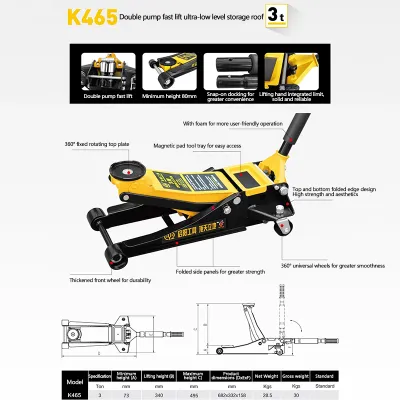
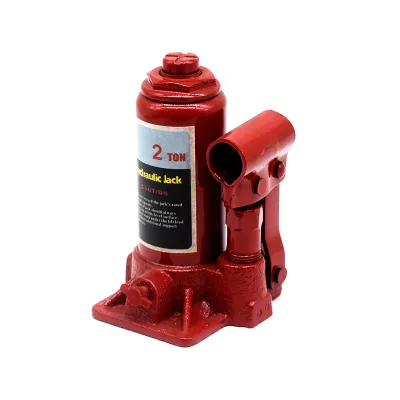
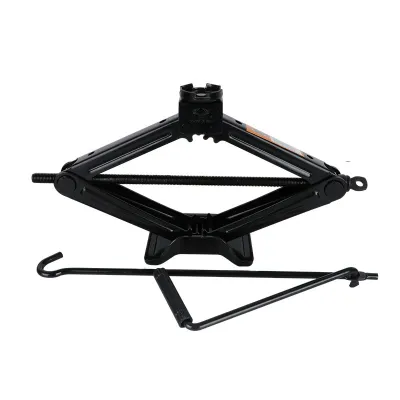
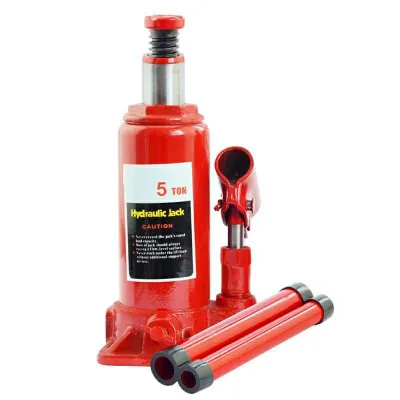
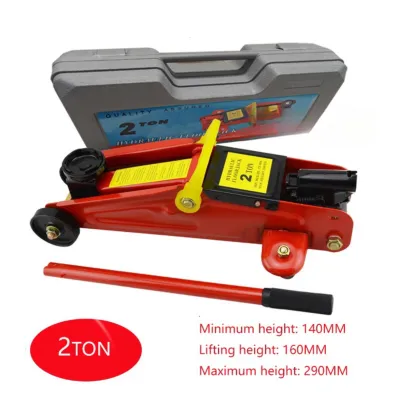
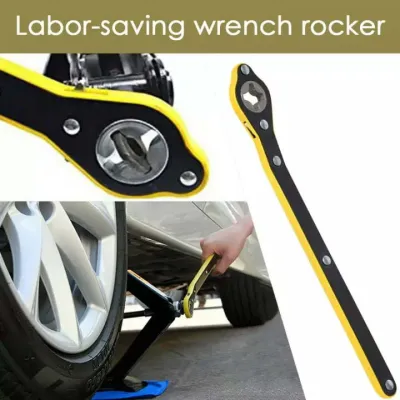
Prices are valid at publication and may change. Please refer to the product page for the latest price.
Your choice of working surface is just as critical as the lifting tools you use. Vehicle lifting must only occur on flat, solid, and level surfaces, with cured concrete being the absolute standard for home garages. You must strictly avoid uneven garage floors, dirt, sand, or gravel, as these surfaces can cause jack stands to sink, tilt, or slip. In the Philippines, outdoor asphalt driveways can soften significantly under the intense tropical sun, which can allow the narrow wheels of a loaded floor jack or the sharp feet of a jack stand to sink into the ground, destabilizing the entire setup.
Before purchasing or using any lifting equipment, you must verify your vehicle’s weight and ensure your tools are rated to handle it. Locate your vehicle’s Gross Vehicle Weight Rating (GVWR) on the manufacturer’s plate, which is typically found on the driver’s side door jamb or in the owner’s manual. Your lifting equipment must comfortably exceed the weight of the vehicle you are lifting. While a jack technically only lifts a portion of the vehicle’s weight at any given time, choosing a floor jack and jack stands rated for at least 3 tons provides a vital safety margin for common family vehicles, SUVs, and pickup trucks.
Finally, you must always identify and use the vehicle’s designated factory lift points. Placing a floor jack or jack stand under an incorrect area can cause severe structural damage, such as crushing the floor pan, bending suspension arms, or damaging fuel lines. For electric and hybrid vehicles, misplacing a jack can puncture or crack the high-voltage battery pack, presenting a severe safety hazard and causing catastrophic financial damage. Consult your vehicle’s owner’s manual to locate the precise pinch welds, frame rails, or lifting pads specified by the manufacturer before attempting to raise the vehicle.
Top Heavy-Duty Lifter Types for DIY Garage Setups
Building a safe and versatile home garage setup requires understanding the different types of lifting equipment available and selecting the specifications that match your DIY needs. A complete lifting system typically consists of a primary lifting tool, a secondary static support system, and optional specialized lifters for specific maintenance tasks.

Heavy-Duty Hydraulic Floor Jacks
A hydraulic floor jack is the workhorse of the home garage, responsible for the initial effort of raising your vehicle. When shopping for a heavy-duty model, look for a lifting capacity of at least 3 tons (approximately 2,721 kg) to ensure compatibility with a wide range of vehicles. You should also prioritize a low-profile clearance design, which typically features a minimum saddle height of 3 to 3.5 inches. This low clearance allows the jack to slide easily under lowered sedans and sports cars without scraping the front bumper or side skirts.
Another highly desirable specification is a dual-pump or quick-lift mechanism. Dual-pump jacks utilize two piston plungers to move the lifting arm upward much faster than single-pump models, allowing the saddle to reach the vehicle’s chassis lift point in just a few strokes. This feature saves significant physical effort and time during setup.
When evaluating materials, you will generally choose between steel and aluminum construction:
- Steel Floor Jacks: Steel is the traditional choice for home garages because it offers maximum structural durability, rigidity, and stability under heavy loads. Steel jacks are highly resistant to wear but are heavy, often weighing between 30 to 45 kg, making them difficult to lift or transport.
- Aluminum Floor Jacks: Aluminum jacks are significantly lighter, often weighing half as much as their steel counterparts. This makes them highly portable and easy to maneuver around a tight garage or transport to track days. However, they are generally more expensive and may have slightly lower ultimate wear resistance under brutal daily shop conditions.
Regardless of the material, ensure the jack includes essential safety features such as an integrated overload bypass valve. This valve prevents the hydraulic cylinder from extending beyond its safe mechanical limits or attempting to lift loads that exceed the rated capacity. Additionally, look for a textured rubber saddle pad to prevent metal-on-metal slipping during the initial lift.
Jack Stands (Safety Stands)
Once your vehicle is raised to the desired height, you must immediately transfer the load to a pair of high-quality jack stands. Unlike hydraulic jacks, jack stands are static support devices with no fluid seals or moving hydraulic parts that can fail under pressure, making them the only safe way to support a suspended vehicle.
When selecting jack stands, you must choose between two primary locking mechanisms:
- Ratchet-Style Jack Stands: These stands use a notched center column and a spring-loaded pawl that automatically locks into the teeth as you raise the column. They offer quick, highly adjustable height settings, but you must carefully inspect the teeth and pawl for wear and ensure the lock is fully engaged before lowering the vehicle.
- Pin-Style Jack Stands: These stands utilize a heavy-duty steel security pin inserted directly through the support column. This design provides a positive, highly visible mechanical lock that cannot slip or disengage, making them the preferred choice for DIYers seeking maximum peace of mind.
Always look for jack stands with a wide, welded steel base footprint, which distributes the vehicle’s weight over a larger surface area to prevent tipping. Ensure the weight rating of the stands matches or exceeds the capacity of your floor jack, and remember that jack stands are typically rated per pair. Before crawling under the vehicle, verify the weld quality along the seams of the stands, ensure the saddle shape matches your vehicle’s pinch welds or frame rails, and perform a physical “shake test” by firmly pushing the vehicle while it is on the stands to verify absolute stability.
Car Ramps and Portable Hydraulic Lifts
For specific DIY tasks that do not require removing the wheels, heavy-duty car ramps offer a fast, convenient alternative to jacks and stands. Ramps are excellent for quick oil changes, transmission fluid flushes, or front-end inspections. When choosing ramps, you must check your vehicle’s front bumper approach angle to ensure it will not scrape against the ramp during ascent. You must also verify that the ramp’s width is compatible with your tire tread width and that the ramps are rated to support your vehicle’s front-axle weight.
If you have a larger budget and a dedicated garage space, portable hydraulic lifts (such as mid-rise scissor lifts or frame-engaging portable lifts) represent the ultimate upgrade. These systems lift the entire vehicle simultaneously, providing excellent access for suspension tuning, brake jobs, and detailing. However, portable hydraulic lifts require a flat, thick concrete floor (typically at least 4 inches of cured concrete), sufficient ceiling height, a stable electrical power source, and a larger storage footprint when not in use.
Matching the Right Lifter to Your Vehicle and Garage
Choosing the right lifting equipment requires analyzing both your vehicle’s physical specifications and the environmental conditions of your home garage. A setup that works perfectly for a compact hatchback may be entirely inadequate, or even dangerous, for a large family vehicle.
If you own a popular mid-size SUV or pickup truck in the Philippines, such as a Toyota Hilux, Mitsubishi Montero Sport, or Ford Ranger, you must prioritize a jack with a high maximum lift height. Because these vehicles have high ground clearance and long suspension travel, a standard passenger car jack may reach its maximum extension before the tires even leave the ground. Look for a heavy-duty jack with a maximum lift height of 18 to 22 inches, and pair it with high-clearance, heavy-duty jack stands. Conversely, if you drive a low-slung sedan or sports car, you must prioritize a low-profile jack with a minimum saddle height of 3 inches or less, along with a shallow approach angle to avoid body damage.
Your physical garage space and storage habits should also influence your decision. Heavy-duty floor jacks and jack stands can take up substantial floor space. Store them in a dedicated corner of your garage, away from high-traffic walking paths to prevent tripping hazards. Keep them organized and ensure they are locked or positioned so they cannot roll or tip over.
Furthermore, the tropical climate in the Philippines presents unique challenges for garage tools. High relative humidity and salt-laden air in coastal areas can accelerate rust and corrosion on steel tools. To protect your investment, wipe down the hydraulic ram with a thin coat of clean oil after use, and store all lifting gear indoors or in a dry, covered area. Avoid leaving jacks on bare ground or damp garage floors.
Maintenance and Inspection Checklist for Lifting Gear
To ensure your heavy-duty lifting gear remains reliable and safe for years to come, you must establish a regular maintenance and inspection routine. Treat your lifting tools with the same care as the vehicle components you are servicing.
Before every single lifting operation, perform a quick visual inspection of your equipment:
- Check for Hydraulic Leaks: Inspect the main piston ram and release valve of your floor jack for any signs of weeping or pooling hydraulic fluid.
- Examine the Welds: Look closely at the structural welds on your jack stands and floor jack frame for hairline cracks, pinholes, or paint flaking, which can indicate metal fatigue.
- Inspect the Frame and Saddle: Check for bent structural plates, deformed saddle teeth, or cracked rubber pads that could compromise grip.
- Verify the Locking Mechanisms: Ensure the ratchet pawl or security pin on your jack stands engages fully and smoothly without sticking.
In addition to pre-use inspections, perform routine maintenance every few months to keep the mechanisms operating smoothly. Over time, air can become trapped in the hydraulic system of your floor jack, causing a “spongy” feel or reducing the maximum lift height. Bleed the air from the cylinder according to the manufacturer’s instructions. Keep all moving pivot points, caster wheels, and linkage joints lubricated with high-quality grease or machine oil. Periodically check the hydraulic oil level and top it up only with approved hydraulic jack fluid; never use brake fluid, engine oil, or transmission fluid, as these will destroy the internal seals.
Finally, you must know when to retire compromised equipment. If a floor jack fails to hold pressure (slowly lowering under load), if the locking teeth on a ratchet-style jack stand show signs of wear or deformation, or if you notice severe structural rust that flakes off and thins the metal, retire the equipment immediately. Do not attempt to weld or repair structurally damaged lifting gear yourself; your life depends on these tools.
Frequently Asked Questions (FAQ)
Can I use a 2-ton jack for a heavy-duty SUV?
You should avoid using a 2-ton jack for a heavy-duty SUV or large pickup truck. While a 2-ton jack may technically be able to lift one corner of a 2.5-ton vehicle, it operates too close to its maximum capacity, leaving no margin for safety. Heavy-duty SUVs and trucks require a 3-ton or 4-ton jack to handle the weight safely and provide the necessary lift height to clear the vehicle’s long suspension travel.
Are rubber jack pad adapters necessary for DIY maintenance?
While not strictly mandatory, rubber jack pad adapters are highly recommended for DIY maintenance. These inexpensive rubber blocks slot into the saddle of your floor jack or jack stands, preventing metal-on-metal contact. This protects your vehicle’s paint, prevents pinch welds from bending, and guards against damage to plastic undertrays and rocker panels.
How often should I replace my jack stands?
There is no fixed expiration date for jack stands; replacement is entirely condition-based. High-quality steel jack stands can last for decades if kept dry and maintained properly. However, you must replace them immediately if you observe any signs of structural compromise, such as deep rust, cracked welds, bent frames, or worn locking teeth.
Community discussion
Share your experience or ask a question. Comments are reviewed before publication.