
Finding the ideal balance between safety, comfort, and affordability is a top priority for motorcycle riders in the Philippines. With the sheer variety of riding gear available today, selecting a helmet that complies with local laws while keeping you comfortable in tropical heat can feel overwhelming. Whether you are looking for a highly rated sec half face helmet for your daily commute or exploring premium imported models, understanding local safety standards and what each budget tier offers is essential.
A half-face helmet is a popular choice for city riding due to its superior ventilation and wide field of view. However, not all open-face helmets are created equal. To ride legally and safely, your helmet must meet strict local safety certifications. By analyzing what you get at different price points, you can make an informed decision that protects both your head and your wallet.
Why ICC and PSB Certifications Are Non-Negotiable
In the Philippines, motorcycle safety is heavily regulated to protect riders from severe injuries. The Land Transportation Office (LTO) strictly enforces Republic Act No. 10054, also known as the Motorcycle Helmet Act. This law mandates that all motorcycle riders wear standard protective helmets that bear either the Import Commodity Clearance (ICC) sticker or the Philippine Standard (PS) mark. These certifications serve as proof that the helmet has undergone rigorous quality testing before reaching the market.
Products mentioned in this guide
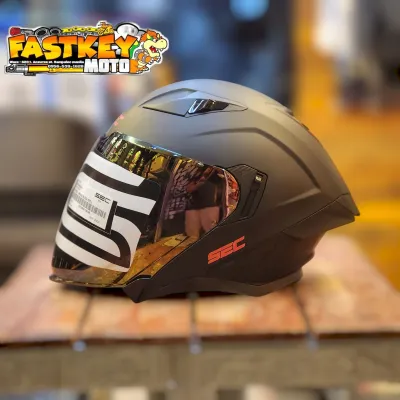
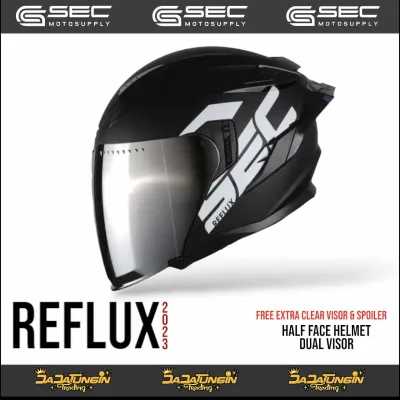
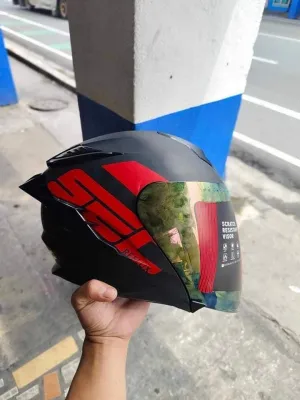
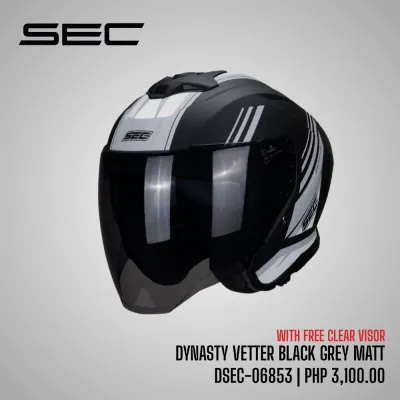
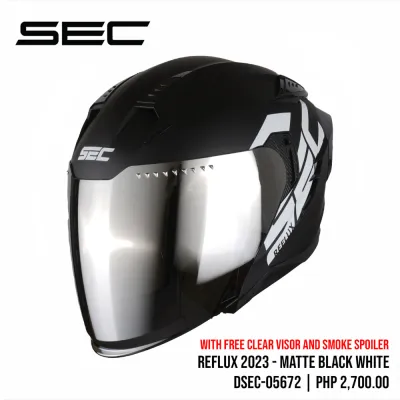
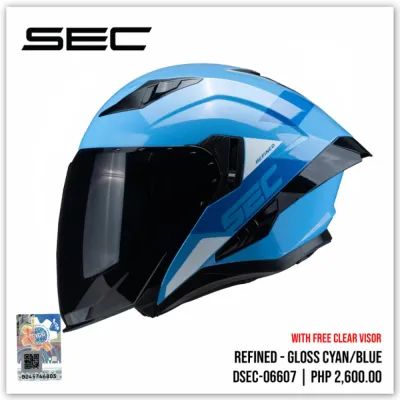
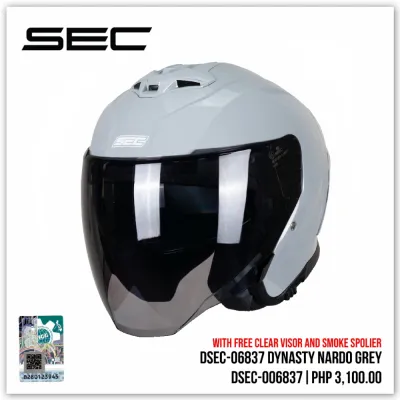
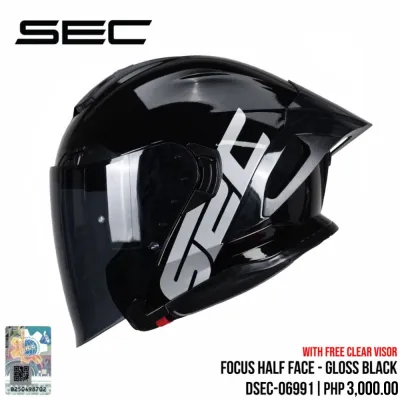
Prices are valid at publication and may change. Please refer to the product page for the latest price.
The Bureau of Philippine Standards (BPS) subjects these helmets to demanding physical evaluations. During testing, helmets are analyzed for impact absorption, which measures how well the inner liner cushions a blow to the head. Penetration resistance tests ensure that sharp road debris cannot easily pierce the outer shell. Additionally, retention system tests verify that the chin strap and buckle remain securely fastened under extreme tension, preventing the helmet from flying off during an accident.
Many premium helmets arrive in the country with highly respected international certifications, such as the United States’ DOT (Department of Transportation) or Europe’s ECE (Economic Commission for Europe) standards. While these foreign ratings indicate excellent build quality and safety, they do not exempt a helmet from local legal requirements. Under Philippine law, a helmet must display the official ICC or PS sticker to be considered road-legal. Riding with a helmet that only features international stickers can still result in steep fines and confiscation at LTO checkpoints.
What to Expect Across Different Budget Tiers: From SEC Half Face Helmet Options to Premium Brands
Understanding how price translates to features helps you set realistic expectations before making a purchase. While every legal helmet must meet the same baseline safety requirements, spending more typically unlocks lighter materials, superior comfort, and advanced optical features.

Entry-Level: Meeting the Baseline
The entry-level tier, typically ranging from ₱1,000 to ₱2,500, offers basic, reliable protection for budget-conscious riders. In this segment, local brands like SEC provide highly accessible options. A basic sec half face helmet in this range delivers fully certified safety without unnecessary cosmetic or mechanical extras.
Helmets in this price bracket generally feature outer shells made from standard injection-molded Acrylonitrile Butadiene Styrene (ABS) plastic. This material is highly impact-resistant but tends to be heavier than advanced composites. Visors are usually simple, single-shield clear plastics with basic ratchet mechanisms, and ventilation is limited to a few simple top vents.
When shopping in this tier, you must never compromise on core safety components. Ensure the helmet features a genuine ICC or PS sticker, a dense and intact Expanded Polystyrene (EPS) foam liner, and a securely riveted chin strap. It is acceptable to compromise on luxury features, such as plush interior fabrics, removable cheek pads, advanced wind-noise reduction, or quick-release visor mechanisms.
Mid-Range: The Daily Commuter Sweet Spot
Stepping up to the mid-range tier, which spans from ₱2,500 to ₱6,000, introduces a significant upgrade in daily usability and comfort. This is the sweet spot for daily commuters who spend hours navigating heavy traffic in the tropical heat.
In this tier, manufacturers often utilize higher-grade ABS or lightweight polycarbonate blends for the outer shell, reducing overall weight. The most notable upgrades are found on the inside. Mid-range helmets frequently feature fully removable, washable, and hypoallergenic inner liners. Being able to wash these pads regularly is crucial for preventing bacterial growth, acne, and sour odors caused by sweat and humidity.
Additionally, mid-range options often include dual-visor systems, featuring a drop-down inner sun shield that protects your eyes from intense daytime glare. Visors in this class also receive anti-scratch treatments and better optical clarity, reducing distortion. Enhanced aerodynamic designs help channel air smoothly around the shell, which significantly reduces neck fatigue during long commutes.
Premium: Advanced Materials and Comfort
For riders willing to invest ₱6,000 or more, the premium tier offers top-tier engineering, exceptional comfort, and advanced materials. This segment is designed for long-distance touring, high-speed highway riding, or those who simply want the best possible gear.
Premium half-face helmets often feature shells constructed from advanced composite materials, such as fiberglass, organic fibers, or carbon fiber. These materials are incredibly strong yet exceptionally lightweight, which drastically reduces the physical strain on your neck and shoulders during long hours on the road.
Comfort and convenience features are highly refined in this bracket. You will find multi-channel ventilation systems that actively draw cool air in and pull hot, humid air out of the helmet. Visors are often Pinlock-ready, allowing you to install an anti-fog insert that keeps your vision clear during sudden afternoon downpours. Premium models also boast superior acoustic insulation to keep wind noise to a minimum, along with highly durable, micro-adjustable retention systems.
Crucial Fitment and Feature Checks Before Checkout
An expensive helmet will not protect you properly if it does not fit your head correctly. Before finalizing your purchase, you must perform several physical checks to ensure the helmet is both safe and comfortable to wear.
First, measure your head circumference accurately. Wrap a flexible measuring tape around your head, positioning it about 2.5 centimeters above your eyebrows and ears. Use this measurement to consult the specific manufacturer’s sizing chart, as sizes can vary significantly between brands.
Next, determine your head shape. Most riders fall into the intermediate oval category, but some have round oval or long oval head shapes. When you try on a helmet, it should fit snugly all the way around without creating painful pressure points, particularly on your forehead or temples. If the helmet wobbles when you shake your head, it is too large; if it pinches your skull or causes a headache within a few minutes, it is too small.
Pay close attention to the visor mechanism. Look for a robust ratchet system that allows you to click the visor into multiple positions. This ensures the visor stays partially open for extra airflow when riding slowly in traffic, and remains firmly locked when riding at higher speeds. Avoid flimsy friction hinges that can loosen over time and allow the visor to slam shut unexpectedly.
You must also choose a retention system that suits your daily routine. Double D-ring buckles are the gold standard for ultimate safety and are virtually fail-safe, but they require practice to fasten, especially with gloved hands. Micrometric quick-release buckles offer great daily convenience for urban riding, allowing you to secure or release the strap with a simple, one-handed motion.
Finally, verify your peripheral vision. Ensure the helmet’s shell design does not block your side view. A proper half-face helmet should allow you to perform quick, unobstructed shoulder checks to monitor blind spots in chaotic city traffic.
How to Spot Counterfeits and Verify Authenticity
The popularity of riding gear in the Philippines has unfortunately led to a rise in counterfeit helmets. These fake products often look identical to genuine models but are constructed from cheap, brittle plastics that offer zero protection in a crash.
To protect yourself, perform a careful visual inspection of the ICC sticker. A genuine ICC sticker features a distinct holographic pattern that shifts and glimmers when viewed from different angles. It also displays a unique, clearly printed serial number. The sticker should be perfectly aligned and firmly adhered to the helmet; if it looks poorly printed, blurry, or is peeling off easily, it is likely a counterfeit.
Be alert to common warning signs of a fake helmet. A price that seems too good to be true is the most obvious red flag. If a premium brand helmet is being sold online for a fraction of its retail price, it is almost certainly a counterfeit. Examine the inner EPS liner by pressing your thumb firmly against it. Genuine EPS is highly dense and rigid, whereas fake helmets often use cheap packaging foam that compresses easily under light finger pressure. Additionally, look for poor paint finishes, misaligned brand logos, and the absence of a proper manufacturer’s box, fabric carrying bag, and user manual.
To guarantee authenticity, always purchase your riding gear through authorized physical dealerships, official brand flagship stores, or highly reputable motorcycle accessory shops. Avoid unverified sellers on social media groups or third-party online marketplaces that advertise “OEM” or “high-grade replica” helmets. Saving a few pesos is never worth risking your life on a non-compliant helmet.
Daily Maintenance to Extend Your Helmet's Lifespan
Proper care and maintenance are essential to keep your helmet safe, hygienic, and functional in the humid Philippine climate. Regular upkeep prevents materials from degrading prematurely.
When cleaning the visor, always prioritize the manufacturer’s specific care instructions. Use a clean, soft microfiber cloth and lukewarm water mixed with a mild, pH-neutral soap. Never use harsh household chemicals, window cleaners, or abrasive paper towels, as these can easily scratch the plastic and permanently strip away anti-fog, anti-scratch, or UV-protective coatings.
To maintain hygiene, regularly clean the interior padding. For helmets with removable liners, gently hand-wash the pads in cold water using a mild baby shampoo. Squeeze the pads gently to remove excess water without wringing or twisting them, which can damage the internal foam structure. Allow the pads to air-dry completely in a shaded, well-ventilated indoor space. Avoid using a tumble dryer or placing them under direct sunlight, as high heat can warp the plastic backings and degrade the adhesive.
Store your helmet in a cool, dry place away from direct sunlight, high humidity, and vehicle exhaust fumes. Avoid hanging your helmet by its chin strap over your motorcycle’s side mirrors. The weight of the helmet resting on a small mirror point can permanently compress the internal EPS liner, compromising its ability to absorb impacts in that specific area.
Frequently Asked Questions (FAQ)
Is a DOT-certified helmet legal in the Philippines if it lacks an ICC sticker?
No, a helmet with only a DOT certification is not legally compliant for road use in the Philippines. While the United States’ DOT standard is a highly respected safety benchmark, the Land Transportation Office (LTO) specifically requires a local ICC or PS sticker to verify compliance with Philippine laws. If you ride with an imported helmet that lacks this local sticker, you risk being fined at checkpoints. To make an imported helmet legal, it must be officially inspected and stickered by the Bureau of Philippine Standards (BPS).
Do half-face helmets offer the same protection as full-face helmets?
No, half-face helmets do not provide the same level of protection as full-face helmets. While a certified half-face helmet offers excellent impact protection for your cranium, temples, and the back of your head, it leaves your face, jaw, and chin completely exposed. In the event of a frontal impact or a slide, a full-face helmet provides a crucial physical barrier that protects your facial bones and teeth. Riders must weigh the convenience and ventilation of a half-face design against this inherent safety compromise.
Community discussion
Share your experience or ask a question. Comments are reviewed before publication.