
Selecting the best kapote (raincoat) for women motorcycle riders in the Philippines requires balancing heavy-duty waterproofing with a secure, aerodynamic fit that accommodates protective riding gear. For daily commuting through sudden tropical downpours and humid monsoon seasons, a high-quality two-piece motorcycle rain suit or a specialized, weighted motorcycle poncho offers the best protection. These options keep you dry and ensure you remain visible and stable on the road.
Why Standard Raincoats Fall Short for Women Riders
Using a standard, non-motorcycle raincoat or a generic unisex kapote while riding a motorcycle in the Philippines presents significant safety and comfort risks. During the heavy downpours of the southwest monsoon (Habagat) season, standard raincoats often fail to withstand the wind pressure of riding. Light, loose fabric flaps violently at speeds above 40 kilometers per hour, which can destabilize a light scooter or underbone motorcycle, distract the rider with loud noise, and block side mirrors.
Furthermore, standard unisex rain gear is typically designed using male body proportions as the baseline. For female riders, this often results in a poor, unsafe fit. Unisex small or medium sizes frequently feature excessively long sleeves that bunch up at the wrists, which can interfere with throttle control and front brake access. Conversely, these garments often lack sufficient room in the hips, causing the jacket to ride up when the rider is seated and exposing the lower back to water ingress. Overly broad shoulders in unisex cuts also create a sail effect, trapping wind and making it harder to maintain balance in gusty conditions.
Products mentioned in this guide
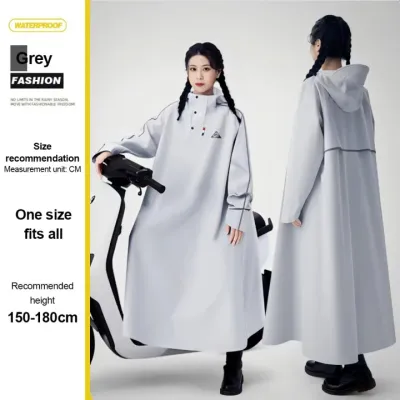
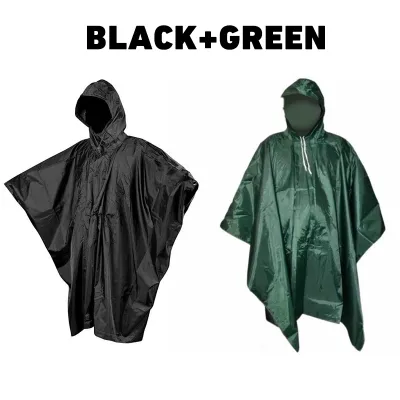
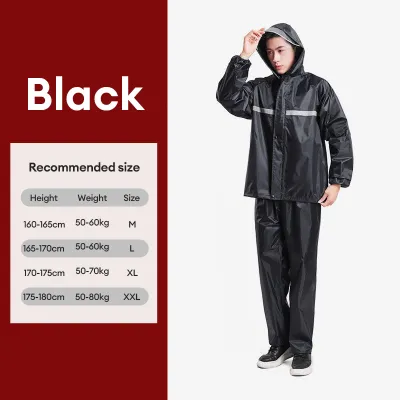
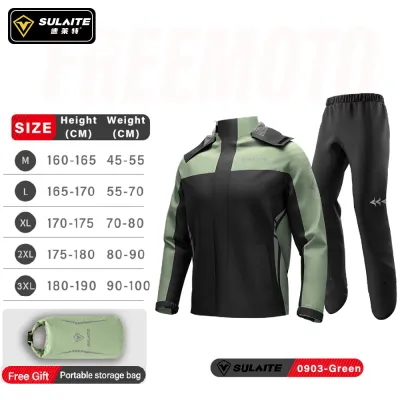
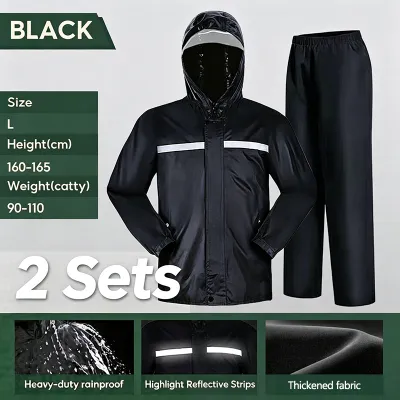
Prices are valid at publication and may change. Please refer to the product page for the latest price.
Essential Features for a Women-Friendly Motorcycle Kapote
A proper motorcycle kapote must be engineered to withstand high wind pressure, driving rain, and the physical movements of riding. When browsing online marketplaces or physical riding gear shops, it is important to look past basic water resistance and check product labels and manufacturer descriptions for specific motorcycle-oriented designs.

Helmet Compatibility and Collar Design
Water entry often begins at the neck, where rain runs off the lower rim of the helmet and straight down the rider’s chest. A standard raincoat with a low-cut collar or a loose hood designed for walking will quickly let water seep inside. Look for a motorcycle-specific kapote featuring a high collar with adjustable hook-and-loop (Velcro) fasteners or snap buttons. This collar should tuck neatly under the helmet’s chin bar or overlap with its lower edge, creating a continuous barrier against wind-driven rain.
Reflective Elements and Visibility
Heavy tropical rain drastically reduces visibility for all motorists on Philippine roads, especially during late afternoon or night commutes. Wearing a dark or neutral-colored raincoat makes a motorcycle rider virtually invisible to larger vehicles. Opt for rain gear designed with bright, high-visibility base colors such as neon yellow, high-contrast orange, or vibrant green. Additionally, ensure the garment features wide retroreflective strips across the upper back, chest, and sleeves to catch headlight beams from multiple angles.
Windproof Cuffs and Secure Closures
Riding at typical commuting speeds forces water into even the smallest openings. Adjustable cuffs equipped with strong elastic bands or robust Velcro straps are essential to seal the sleeves over your riding gloves, preventing water from traveling up your arms. The main front zipper of the jacket must also be protected by a double storm flap—a fold of waterproof fabric that covers the zipper and fastens securely to block horizontal rain and wind.
Comparing Rain Gear Types: Poncho vs. Two-Piece Suit
In the local riding community, the term “kapote” covers a wide range of designs, from simple slip-on capes to professional riding suits. Choosing the right style depends on your daily route, typical riding speed, and the storage capacity of your motorcycle’s under-seat compartment or top box.
The Classic Motorcycle Poncho
A motorcycle-specific poncho is highly convenient for short, low-speed trips around the neighborhood or quick errands on a scooter. It slips over your head in seconds and can cover your lap, seat, and handlebars, keeping your hands dry on the grips. However, ponchos carry safety risks at higher speeds. Without proper securing mechanisms, loose fabric can flap dangerously, catch the wind, or even get tangled in the rear wheel or drive chain. If you choose a poncho, ensure it features built-in leg straps, heavy-duty hem weights, or inner thumb loops to keep the fabric pinned down against wind resistance.
The Two-Piece Jacket and Pants Set
For daily highway commuting, long-distance riding, or traveling at higher speeds, a two-piece jacket and pants set is the safest and most effective option. It offers excellent aerodynamics, fitting close to the body to prevent wind drag and instability. The pants provide full-body protection from both falling rain and dirty road spray kicked up by other vehicles. The primary trade-off is that they take longer to put on. Pulling rain pants over bulky riding boots on the side of a busy road can be difficult; look for pants with wide, zippered leg openings or adjustable bottom hems to make this process easier.
Getting the Right Fit: Sizing for Women Riders
Selecting the correct size for a motorcycle kapote requires a different approach than buying regular clothing. The most critical rule is the layering rule: your rain gear must fit comfortably over your regular clothing and your protective riding jacket, including elbow and shoulder armor, without restricting your movement or cutting off circulation.
To get an accurate fit, measure your chest, waist, hips, and inseam while wearing your full riding gear. Compare these measurements directly to the manufacturer’s specific size chart rather than relying on generic small, medium, or large labels, which vary widely between brands. Pay close attention to the torso length and the inseam. When seated on a motorcycle, your knees are bent, causing pant legs to pull upward. If the inseam is too short, water will run down your pants and pool inside your boots. Look for user reviews on online marketplaces, specifically filtering for feedback from other female riders regarding hip clearance and overall fit.
Care and Maintenance to Preserve Waterproofing
Proper care and maintenance ensure your motorcycle kapote remains waterproof and durable for multiple rainy seasons. After riding through a downpour, the fabric is often coated in road grime, oil residue, and mud. Always check the manufacturer’s care label on your specific garment before cleaning.
For general maintenance, rinse the rain gear with clean, cold water to remove surface dirt. If a deeper clean is necessary, use a mild, non-detergent soap and a soft sponge. Never use harsh household laundry detergents, bleach, or fabric softeners, as these chemicals strip away the specialized polyurethane or PVC waterproof coatings and damage taped seams. Once clean, hang the kapote to air-dry completely in a shaded, well-ventilated area. Avoid direct sunlight, which can melt seam tapes and degrade synthetic fibers. Never store a damp raincoat in your under-seat compartment or top box, as this leads to mold, mildew, and material breakdown. Periodically check if water still beads on the surface; if not, apply a compatible spray-on Durable Water Repellent (DWR) treatment according to the manufacturer’s instructions.
Frequently Asked Questions (FAQ)
Can I use a regular hiking raincoat for motorcycle riding?
No. Hiking raincoats lack the windproofing, aerodynamic design, and reinforced seams needed to withstand riding speeds. They often balloon up, and their collars do not seal properly against a motorcycle helmet, leading to leaks.
How do I prevent my kapote from fogging up my helmet visor?
Visor fogging occurs when warm, humid breath is trapped inside the helmet. Ensure your helmet’s chin and top vents are fully open to maximize airflow. Installing an anti-fog insert (like a Pinlock lens) on your visor is the most effective solution. Ensure your raincoat collar is secure but not blocking the bottom exhaust vents of your helmet.

Community discussion
Share your experience or ask a question. Comments are reviewed before publication.