
For motorcycle owners in the Philippines, finding the right motor cover is the difference between preserving a pristine machine and dealing with premature rust, faded paint, and brittle plastics. The local climate is notoriously unforgiving, shifting rapidly from intense, high-UV tropical sunlight to torrential monsoon downpours. To withstand these extremes, the best overall choice is a heavy-duty Oxford cloth (specifically 300D to 600D) treated with an external polyurethane (PU) waterproof coating and an internal silver UV-reflective lining. This combination offers the ideal balance of tear resistance, water protection, and heat deflection. While heavy-duty PVC provides absolute waterproofing, it traps extreme tropical humidity, and lightweight polyester tends to degrade too quickly under intense solar radiation.
Selecting the right protective layer requires understanding how different fabrics and structural designs interact with high humidity, sudden temperature spikes, and heavy rains. By evaluating materials based on their physical properties and protective coatings, you can make an informed decision that keeps your motorcycle safe in all seasons.
Why the Philippine Climate Demands a Specific Motor Cover
Standard indoor dust covers or cheap, single-layer plastic sheets are entirely inadequate for the outdoor environmental challenges of the Philippines. The tropical climate subjects parked vehicles to severe weathering forces that require specialized engineering to combat.
Products mentioned in this guide
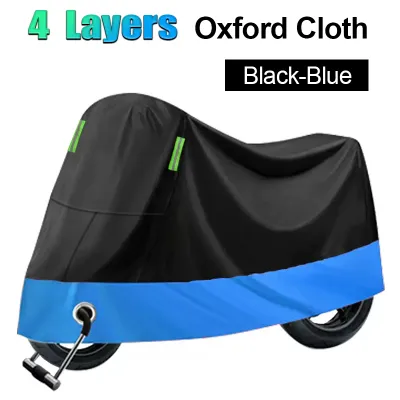
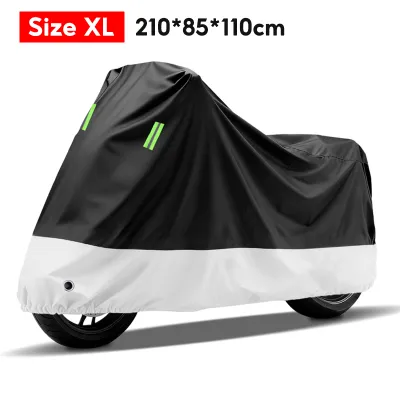
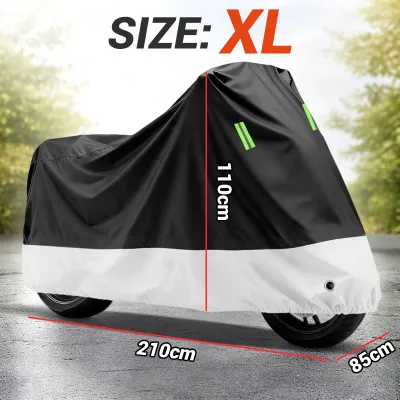
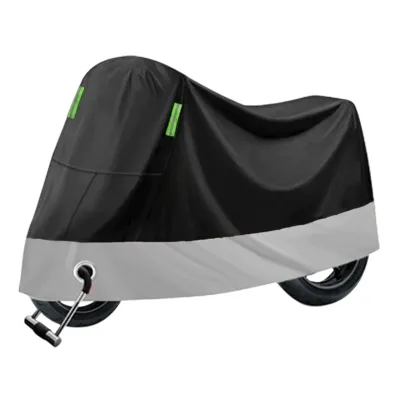
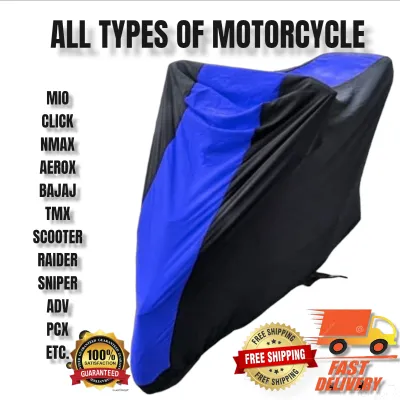
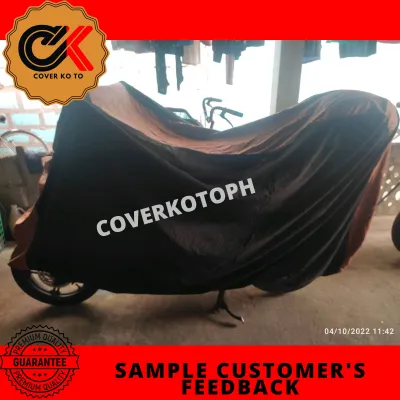
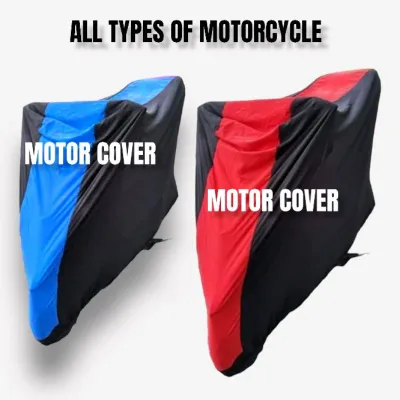
Prices are valid at publication and may change. Please refer to the product page for the latest price.
During the wet season, which is driven by the southwest monsoon (Habagat) and frequent tropical depressions, heavy downpours can last for hours or even days. If a cover is made of porous or low-grade material, rainwater seeps through and pools on the motorcycle’s hot engine block, electrical connectors, and metal brake rotors. This constant exposure to moisture triggers rapid oxidation, leading to surface rust and electrical shorts that can prevent your bike from starting.
Conversely, the dry season brings intense, year-round ultraviolet (UV) radiation. The UV index in urban areas like Metro Manila and coastal provinces regularly reaches extreme levels. This solar energy breaks down the chemical bonds in motorcycle fairings, causing plastic panels to become brittle, fade, and crack. It also accelerates the dry-rotting of rubber fork seals, tires, and vinyl seats, leading to costly replacements.
High ambient humidity presents another silent threat. Even when it is not raining, relative humidity in the Philippines frequently exceeds 80 percent. If a cover lacks breathability, moisture rising from the damp ground becomes trapped underneath, creating a highly destructive “sauna effect.” This trapped condensation accelerates galvanic corrosion between dissimilar metals and fosters the growth of mold and mildew on leather or vinyl seats.
Comparing Common Motor Cover Materials for Tropical Weather
When shopping for a cover, it is important to understand that the base fabric and the chemical coatings work as a system. The base fabric provides the structural strength, tear resistance, and weight, while the outer coatings and inner linings provide the actual waterproofing, UV blocking, and paint protection. Always check the specific product documentation for coating types and layer counts rather than relying solely on the generic fabric name.

Oxford Cloth with Polyurethane (PU) or Silver Coatings
Oxford cloth is a synthetic weave known for its exceptional durability and resistance to tearing. When evaluating Oxford cloth, pay close attention to the Denier (D) rating, which measures the thickness of the individual fibers. Common ratings include 210D, 300D, and 600D. A higher number indicates a thicker, heavier fabric that can withstand wind-blown debris, sharp fairing edges, and strong winds during typhoons.
Raw Oxford cloth is naturally porous and is not waterproof on its own. To make it weather-resistant, manufacturers apply a polyurethane (PU) coating to the inside of the fabric. This coating is rated by its hydrostatic head (measured in millimeters), indicating how much water pressure it can resist before leaking. For the Philippine rainy season, look for a PU rating of at least 2000mm to 3000mm.
Additionally, high-quality Oxford covers feature a silver-coated interior. This reflective chemical layer bounces harmful UV rays away from the motorcycle, preventing solar heat from transferring to your plastic dashboard and seat. When buying an Oxford cover, always check the product specifications to ensure the seams are heat-taped or seam-sealed. Unsealed needle holes from the sewing process will allow water to slowly drip onto your bike during prolonged downpours.
Polyester with Waterproof and UV Treatments
Polyester is a highly popular material for daily commuters because it is exceptionally lightweight and highly packable. A polyester cover can be folded down into a compact size that easily fits inside a top box, under-seat compartment, or backpack. It also dries remarkably fast after a sudden afternoon shower, making it highly convenient for riders on the go.
However, untreated polyester has poor natural resistance to intense sunlight. Without specialized chemical stabilizers, prolonged exposure to the Philippine sun will cause the fibers to degrade, making the fabric paper-thin, stiff, and highly prone to ripping.
If you choose a polyester cover, verify that the packaging or manufacturer documentation explicitly states that the fabric has been treated with UV-inhibiting additives (often labeled as UV 50+ protection). While it may not offer the multi-year durability of heavy-duty Oxford cloth, a treated polyester cover is an excellent, budget-friendly option for temporary daytime protection at your workplace.
PVC and Heavy-Duty Tarpaulin
Polyvinyl Chloride (PVC) and heavy-duty tarpaulins offer absolute, impenetrable waterproofing. These materials are completely non-porous, meaning water cannot pass through them even during the most severe tropical storms. They are also highly resistant to tearing and can withstand years of rough outdoor exposure.
Despite their excellent water-blocking capabilities, PVC and tarpaulin covers present significant risks in hot, humid climates. Because they have zero natural breathability, they trap heat and moisture beneath them. If you cover a motorcycle that is still warm from a ride or slightly damp from a light drizzle, the trapped heat can “bake” the clear coat of your paint, causing it to cloud or bubble. This trapped moisture also creates an ideal environment for rust to form on the frame and exhaust.
Furthermore, PVC covers are heavy, stiff, and bulky. They are difficult to fold and virtually impossible to carry during daily commutes. These covers are best reserved for long-term outdoor storage of a completely dry motorcycle, provided the cover is equipped with robust, built-in ventilation panels.
Reflective and Aluminum Foil Outer Layers
Covers featuring laminated aluminum foil or highly reflective silver outer layers are engineered specifically to combat extreme solar heat. By acting as a mirror, these materials reflect the vast majority of solar radiation away from the vehicle. This keeps the air temperature underneath the cover significantly lower than the ambient temperature, protecting sensitive LCD instrument clusters, aftermarket electronics, and plastic switches from melting or warping.
However, these metallic and reflective laminates tend to be stiff and rigid. If the cover is allowed to flap in the wind, the rough outer material can rub against the motorcycle’s fairings and fuel tank, acting like fine sandpaper and creating micro-scratches on the clear coat.
To prevent this damage, only purchase reflective or aluminum foil covers that feature a soft inner lining, such as brushed cotton, fleece, or soft non-woven fabric. This inner layer acts as a protective cushion, absorbing the friction of the wind and keeping your paint job pristine.
Essential Design Features for Storm and UV Protection
To ensure your chosen material performs effectively during severe weather, you must look beyond the fabric name and verify that the cover includes structural design features tailored for high winds and humidity.
- Ventilation Panels: Breathable, hooded air vents are non-negotiable for outdoor parking in the Philippines. These vents allow rising ground moisture and trapped heat to escape, preventing condensation from forming on your engine and electrical components. The hood design ensures that while air can flow out, rainwater cannot enter.
- Windproof Straps and Buckles: During typhoons, a motorcycle cover can act like a sail, catching the wind and potentially tipping your bike over or blowing away entirely. Look for covers equipped with heavy-duty adjustable belly straps that buckle underneath the frame, elasticized front and rear hems that hug the tires, and reinforced grommets at the front wheel for passing a security lock through.
- Heat-Resistant Lower Panels: After a ride, your motorcycle's exhaust pipe and engine cases remain hot enough to instantly melt standard polyester or nylon. To avoid ruining both your cover and your exhaust, select a cover with heat-resistant panels (often made of heavy-duty cotton or specialized heat-shield fabrics) along the bottom edge. Always check the manufacturer's instructions regarding heat tolerance before draping the cover over a hot bike.
- Soft Inner Lining: A soft, scratch-free inner layer is vital for preserving your bike's finish. Dust particles inevitably settle on a parked motorcycle; if the wind causes a rough cover to rub against that dust, it will grind the particles into the paint. A soft lining minimizes this friction.
- Mirror Pockets and Tailored Fit: Tailored mirror pockets help the cover conform to the natural shape of your motorcycle. This reduces loose, excess fabric that can flap violently in the wind. Before purchasing, verify your vehicle's dimensions—including aftermarket accessories like top boxes or tall windshields—against the manufacturer's sizing chart to ensure a proper fit.
How to Maintain Your Motor Cover in High Humidity
Proper maintenance is essential to preserve the integrity of your cover’s waterproof and UV-resistant coatings. Neglecting care can cause these protective chemical layers to break down prematurely.
Cleaning
Acidic rain residue, bird droppings, tree sap, and road grime will chemically attack and degrade the waterproof coatings of your cover over time. Clean the cover regularly by draping it over your motorcycle or hanging it from a clothesline. Wash it down using a soft sponge, lukewarm water, and a mild soap, such as baby shampoo or a specialized outdoor gear cleaner.
Never use harsh laundry detergents, bleach, or fabric softeners, as these chemicals will strip away the inner PU and silver coatings. Do not place the cover in a washing machine or tumble dryer; the mechanical agitation will crack the waterproof membranes and tear the seams. Always check the applied product’s care label and your motorcycle manufacturer’s instructions before using any cleaning agents.
Drying Protocol
Never cover a wet motorcycle, and never pack a damp cover into its storage bag. Trapping moisture under the cover guarantees mold, mildew, and accelerated corrosion of your bike’s metal components. If you must remove a wet cover after a rainstorm, hang it up in a well-ventilated, shaded area to air-dry completely before folding it. Ensure both the motorcycle and the cover are dry before reapplication.
Storage
Avoid folding your cover too tightly or leaving it crumpled at the bottom of a hot top box. Tight, repeated creasing can cause the inner PU or silver reflective coatings to crack and peel along the fold lines, leading to localized water leaks. Instead, roll the cover loosely or fold it gently along its natural seams and store it in a cool, dry place.
Inspection and Replacement
Periodically inspect your cover to ensure it is still providing adequate protection. You can perform a simple water bead test by sprinkling water onto the outer surface of the fabric. If the water beads up and rolls off, the water-repellent coating is functioning correctly. If the fabric absorbs the water and darkens, the outer treatment has failed.
Additionally, inspect the interior of the cover. If you notice the silver lining or white PU coating flaking off like powder, or if the fabric has become stiff, brittle, and easily torn, the material has reached the end of its lifespan and must be replaced to keep your motorcycle fully protected.
Frequently Asked Questions (FAQ)
Can I use a generic heavy-duty tarp instead of a tailored motor cover?
Using a generic utility tarp is not recommended for motorcycle protection. Tarps lack aerodynamic shaping, which causes them to flap violently in strong winds, potentially scratching your paint or knocking the motorcycle over. They also lack ventilation panels, creating a severe moisture trap that accelerates rust. Finally, standard tarps do not have heat-resistant panels, meaning they will melt instantly if they touch a hot exhaust pipe.
Will a black motor cover absorb too much heat in the sun?
Yes, dark colors naturally absorb more solar radiation, which can significantly raise the temperature underneath the cover when parked in direct sunlight. If you choose a black cover, ensure it features highly effective ventilation panels to let hot air escape and a heat-reflective inner lining. For outdoor parking in the Philippines, a silver, grey, or reflective outer layer is generally superior as it bounces solar heat away from the bike.
How do I know if my motor cover's waterproof coating is failing?
Your cover’s waterproof coating is failing if you notice damp patches on your motorcycle after a rainstorm, or if the cover feels heavy and water-logged rather than shedding water. Visually, you can identify failure by looking at the inner lining; if the silver or white PU coating is cracking, peeling, or flaking off, the material can no longer block water effectively and should be replaced.
Community discussion
Share your experience or ask a question. Comments are reviewed before publication.