
Riding a motorcycle during the Philippine rainy season presents a unique set of challenges. Torrential downpours, flash floods, and reduced visibility can turn a daily commute into a hazardous journey. To stay dry and safe, a standard, everyday raincoat is not enough. The best motor rain coat for men riding in these demanding conditions must feature a high hydrostatic waterproof rating, fully sealed seams, a riding-specific ergonomic cut, high-visibility safety elements, and breathable materials to handle the intense tropical humidity. Selecting the right gear requires understanding how technical fabrics perform under wind-driven rain and how to maintain them so they last for multiple seasons.
What to Look for in a Motor Rain Coat for Heavy Rains
Waterproofing vs. Water Resistance When shopping for riding gear, it is vital to distinguish between water-resistant and fully waterproof garments. Water-resistant coats can withstand light drizzles for a short period, but they will eventually saturate and let water pass through under the pressure of riding speeds. For heavy monsoon rains, you need a fully waterproof garment. Look for manufacturer specifications that detail the hydrostatic head rating, which is measured in millimeters (mm). A rating of 10,000mm or higher is recommended for motorcycle riding, as the wind pressure at speed forces water through fabrics much more easily than when walking.
Additionally, the fabric itself is only half the battle. Every seam where panels of fabric are stitched together creates thousands of tiny needle holes. Under the force of wind-driven rain, water will quickly find these holes and seep inside. High-quality motorcycle raincoats feature fully taped or heat-sealed seams on the interior. This means a waterproof tape is applied over the stitching under high heat to seal the holes completely. Always check the product specifications to ensure the seams are fully sealed rather than just stitched or water-resistant.
Products mentioned in this guide
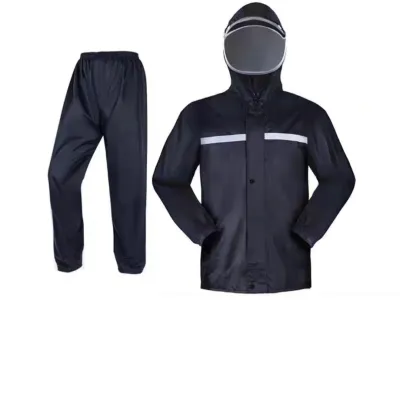
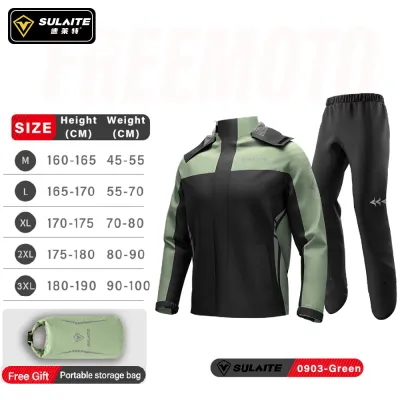
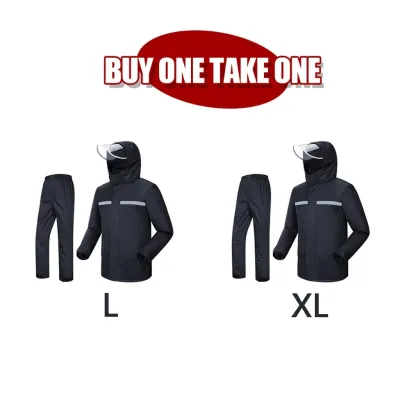
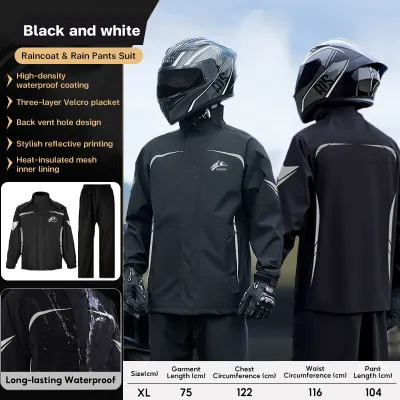
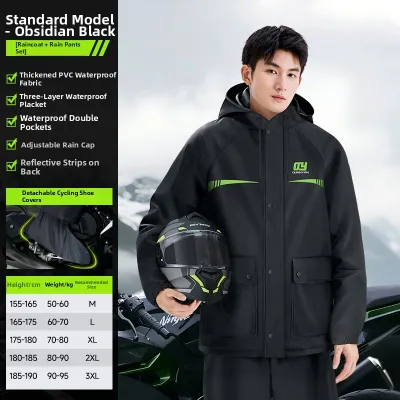
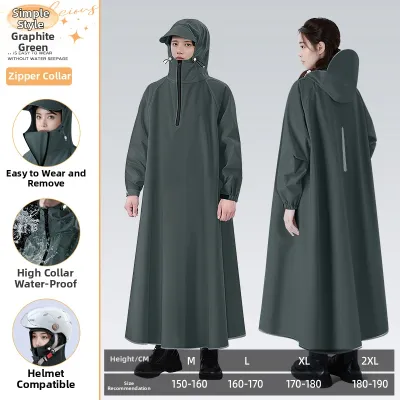
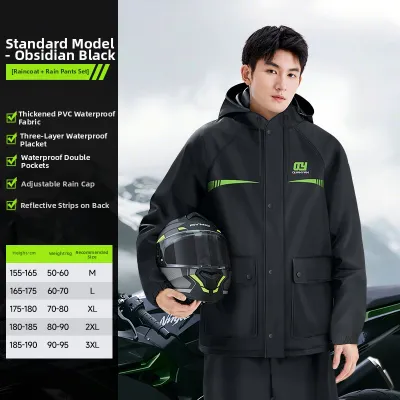
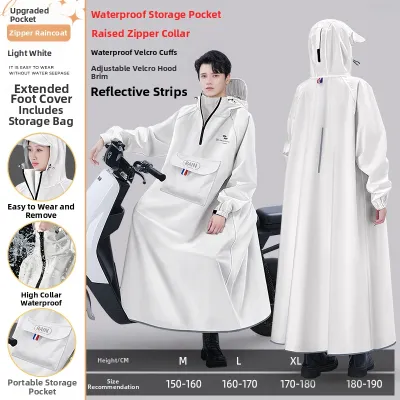
Prices are valid at publication and may change. Please refer to the product page for the latest price.
Riding-Specific Fit A standard, casual raincoat is designed for a vertical, walking posture. When you sit on a motorcycle, your riding posture changes everything. Your arms stretch forward to reach the handlebars, your knees bend, and your torso leans forward. A casual jacket will naturally pull back, exposing your wrists to the elements and causing the lower back of the jacket to ride up, allowing water to pool and seep into your pants.
Motorcycle-specific rain gear is designed with a pre-curved ergonomic cut. This means the sleeves are angled forward to match your riding posture without pulling the cuffs back. The back hem of the jacket is elongated to ensure complete coverage of your lower spine and waist even when leaning forward. Furthermore, adjustable cuffs with heavy-duty velcro or elastic straps are essential. These allow you to secure the sleeves tightly over or under your riding gloves, preventing wind from forcing water up your arms.
Visibility and Safety Heavy monsoon rains in the Philippines drastically reduce visibility on the road. Dark gray asphalt, heavy water spray from larger vehicles, and overcast skies make it incredibly difficult for other drivers to spot a motorcyclist. Wearing a dark or black raincoat makes you virtually invisible, significantly increasing the risk of accidents.
To stay safe, prioritize rain gear that incorporates high-visibility color panels, such as neon yellow, bright green, or high-contrast orange. These colors stand out clearly even in low-light, heavy-rain conditions. Additionally, ensure the garment features ample reflective piping or retroreflective panels (such as 3M Scotchlite) on the back, shoulders, and chest. Reflective materials bounce light from other vehicles’ headlights directly back to the driver, making you visible from a distance during night rides or heavy downpours.
Tropical Comfort The tropical climate of the Philippines means that even during the wettest months, temperatures and humidity levels remain high. Wearing a heavy, non-breathable plastic or PVC raincoat creates an airtight seal around your body. Within minutes of riding, your body heat and sweat will build up inside, creating a “sauna effect” that leaves you just as wet and uncomfortable on the inside as you would be without a raincoat.
To manage sweat and maintain comfort, look for rain gear equipped with breathable waterproof membranes. These advanced materials have microscopic pores that are large enough to let sweat vapor escape but small enough to block liquid water droplets from entering. In addition to breathable fabrics, physical ventilation is crucial. Look for jackets with built-in back vents, underarm pit zips, and mesh inner linings. These features promote airflow through the garment, helping to regulate your body temperature without compromising waterproofing.
Best Types of Motor Rain Gear for Different Riding Styles
Two-Piece Rain Suits
For long-distance highway riders, daily heavy commuters, and anyone facing sustained monsoon rains, a two-piece rain suit consisting of a separate waterproof jacket and pants is the premier choice. This configuration offers the most comprehensive protection against wind-driven rain and high-speed water intrusion.

One of the primary advantages of a two-piece suit is the secure fit at the waist. Because the jacket overlaps the pants, water naturally runs down the outside of the suit rather than pooling at your waist. The separate pants and jacket also reduce fabric flapping at higher speeds, which minimizes wind resistance and rider fatigue during long journeys on expressways or national highways. Furthermore, a two-piece system offers excellent versatility. On days when the rain has stopped but the roads are still wet and spraying water, you can choose to wear just the waterproof pants to keep your lower body dry while wearing your standard riding jacket on top.
When choosing a two-piece suit, pay close attention to the design of the pants. Look for options that feature a high-waisted cut or integrated suspenders. When you sit on your motorcycle, low-rise pants can slide down, exposing your lower back to water that runs down the back of your jacket. High-waisted pants or suspenders ensure the pants stay securely in place, maintaining a continuous waterproof barrier.
Motorcycle Rain Ponchos
Motorcycle rain ponchos are a popular and convenient option for short urban trips, quick errands, or low-speed city riding. They are designed to be thrown over your head quickly, and their loose, wide drape allows them to easily cover both you and a backpack or personal shoulder bag without the need to change clothes or struggle with tight sleeves.
However, ponchos have strict safety boundaries that you must respect. Because of their loose-fitting, open design, ponchos are highly susceptible to catching the wind. At high speeds, a poncho can act like a sail, ballooning up and destabilizing your motorcycle, which poses a severe safety hazard. Furthermore, loose, flapping fabric can easily get caught in moving motorcycle parts, such as the rear wheel chain, sprocket, or belt drive, which can lead to a sudden and dangerous crash.
If you choose to use a poncho for low-speed, short-distance urban riding, look for models specifically designed for motorcycles. These models often feature internal leg straps, waist ties, or thumb loops that secure the fabric close to your body and handlebars, preventing the wind from lifting the poncho and obstructing your vision or interfering with your control of the motorcycle.
Waterproof Over-Jackets and Pants
If you already own and wear high-quality, abrasion-resistant mesh or textile riding gear equipped with armor (such as elbow, shoulder, and back protectors), waterproof over-jackets and over-pants are the ideal solution. These are lightweight, unarmored waterproof shells designed specifically to be worn directly over your existing protective gear when the weather turns bad.
The most critical consideration when selecting over-gear is sizing. Because these garments must fit over bulky armor and thick textile fabrics, you cannot simply buy your standard clothing size. A standard medium raincoat will not fit over an armored medium riding jacket. You must measure yourself while wearing your full riding gear and consult the manufacturer’s specific sizing charts. Many brands design their over-gear to be slightly oversized to accommodate armor, but verifying this before purchase is essential to ensure a comfortable fit that does not restrict your movement or range of motion.
Another major benefit of waterproof over-jackets and pants is their excellent packability. Because they do not contain heavy armor or thick protective linings, they can be rolled up tightly into a very compact size. This makes them incredibly easy to store in tight spaces, such as under-seat compartments, top boxes, tail bags, or backpacks, ensuring you are always prepared for sudden afternoon downpours.
Must-Have Features for Surviving Monsoon Downpours
Storm Flaps and High Collars At riding speeds, wind pressure forces rainwater against your gear with significant velocity. Standard zippers, even those labeled as water-resistant, will eventually allow water to seep through the teeth and onto your chest. To prevent this, look for raincoats that feature double-layered storm flaps. These are flaps of waterproof fabric that fold over the zipper and secure tightly with heavy-duty snaps or velcro, creating a physical barrier that blocks wind-driven water.
The collar is another common entry point for water, as rain running down your helmet can easily seep into your neck. A high collar that extends up to your chin is essential for blocking this water path. To ensure comfort during long rides, look for collars lined with soft fleece or microfiber. This prevents the stiff waterproof fabric from chafing against your neck and throat as you turn your head to check your blind spots.
Boot Gaiters and Wide Leg Openings Keeping your feet dry is crucial for both comfort and safety, as wet, slippery feet can lose grip on the motorcycle’s footpegs and controls. Rain pants must be easy to put on quickly when a sudden storm hits, which means they require wide leg openings. Look for pants with zippered or velcro-adjustable gussets at the ankles that allow you to easily slide the pants over bulky riding boots without needing to take your footwear off.
Once the pants are on, you need to ensure water does not run down your legs and into your boots. Integrated boot gaiters or elastic stirrups that loop under the sole of your boot are highly effective. They keep the pant legs from riding up due to the wind or your riding position, ensuring the waterproof fabric remains securely positioned over your boots to shed water outward.
Helmet-Compatible Hoods While a hood is highly convenient when you are off the motorcycle and walking in the rain, it can be a serious hazard while riding. A loose hood hanging behind your head will catch the wind, ballooning up and pulling back on your neck, which causes fatigue and limits your head movement.
The best motor raincoats feature hoods that are either completely detachable or designed to roll up and tuck away securely into a zippered pocket on the collar. If you choose a model with a hood designed to be worn under your helmet, ensure the fabric is ultra-thin so it does not interfere with the proper fit and safety of your helmet. It must also be cut in a way that does not obstruct your peripheral vision when you turn your head.
Secure Pockets Riding in the Philippines often requires quick access to essential items such as tollway RFIDs, parking tickets, smartphones, and wallets. To protect these valuable electronics and documents from water damage, your rain jacket must have secure, waterproof pockets.
Look for external pockets that feature polyurethane-coated waterproof zippers and dedicated storm flaps. Alternatively, internal pockets located behind the jacket’s main storm flap offer the highest level of protection, as they are completely shielded from direct wind and rain. Always verify that the pockets are genuinely waterproof rather than just water-resistant before trusting them with your electronics.
How to Maintain and Dry Your Rain Gear in Tropical Humidity
Cleaning To maintain the performance and longevity of your rain gear, proper cleaning is essential. However, you must always consult the manufacturer’s care label and instructions before washing your garment. Standard household laundry detergents and fabric softeners contain harsh chemicals, surfactants, and fragrances that can strip away the Durable Water Repellent (DWR) coating on the outer fabric and clog the microscopic pores of breathable membranes, permanently ruining their performance.
Instead, clean your rain gear using mild, non-detergent technical liquid cleaners specifically formulated for waterproof fabrics. If the manufacturer’s instructions allow, hand-wash the gear in cold water or use a gentle machine cycle. Gently rub away dirt, mud, and road grime with a soft sponge or cloth. Avoid wringing or twisting the fabric, as this can crack the internal waterproof coatings and damage the taped seams.
Drying and Storage In the hot, highly humid climate of the Philippines, storing damp gear is a recipe for disaster. If you fold up a wet raincoat and store it in a dark, unventilated space like a motorcycle top box, under-seat compartment, or closet, mold and mildew will develop within days. This not only creates a persistent, unpleasant sour odor but can also cause the waterproof linings and seam tapes to delaminate and peel away, destroying the garment.
After every ride in the rain, hang your gear on a wide, sturdy plastic hanger in a well-ventilated, shaded area to air-dry completely. Do not expose the gear to direct, intense tropical sunlight, as ultraviolet (UV) rays can degrade the synthetic fabrics and melt the adhesive used on taped seams. Additionally, keep the gear away from radiators, heaters, or high-heat clothes dryers, as excessive heat will cause permanent damage to the waterproof membranes.
Re-waterproofing Over time, regular wear, friction, dirt, and washing will wear down the Durable Water Repellent (DWR) coating on the outer surface of your rain gear. You can easily identify when the DWR coating is failing: instead of forming neat beads and rolling off, rainwater will begin to soak into the outer fabric, making the garment feel heavy, cold, and damp (a condition known as “wetting out”).
When this happens, you do not need to buy a new raincoat. You can restore the water-beading performance by applying a wash-in or spray-on DWR restoration treatment designed for technical fabrics. Always read the treatment product’s label and follow the manufacturer’s instructions precisely. Before applying the treatment to the entire garment, perform a test on a small, hidden area to ensure compatibility with your rain gear’s material.
Frequently Asked Questions (FAQ)
Can I use a regular everyday raincoat for motorcycle riding?
Using a standard, everyday raincoat for motorcycle riding is highly discouraged due to significant safety and functional risks. Regular raincoats are designed for walking at slow speeds, meaning they lack the structural durability and abrasion resistance required to withstand the forces of riding. At motorcycle speeds, the wind will cause thin, casual fabrics to flap violently, which not only causes rapid fatigue but can also distract you and compromise your control of the bike.
Furthermore, casual raincoats are not cut for a riding posture. When you reach for the handlebars, a regular coat will pull back at the wrists and ride up at the waist, exposing your body to wind-driven water. Crucially, loose-fitting everyday coats and ponchos pose a severe safety hazard, as the excess fabric can easily catch on moving motorcycle parts like the chain, sprocket, or wheels, potentially causing a serious accident.
How do I prevent my helmet visor from fogging up in the rain?
Visor fogging is a common and dangerous issue during rainy rides, caused by the temperature difference between your warm, humid breath inside the helmet and the cooler, wet air outside. While a rain jacket does not directly control your helmet’s visor, a poorly designed high collar can block the exhaust and intake vents around your helmet’s chin bar, trapping your breath inside and accelerating fogging. When riding, ensure your raincoat’s collar sits comfortably below your helmet’s lower air intakes to maintain proper ventilation.
To solve visor fogging effectively, the primary solution is to install a Pinlock anti-fog lens insert on a compatible helmet visor, which creates a sealed double-pane barrier that prevents condensation. If your helmet is not Pinlock-compatible, you can apply a high-quality anti-fog visor spray or treatment to the inner surface of the visor. Additionally, cracking your visor open slightly at low speeds can help increase airflow and clear fog quickly, provided the rain is not heavy enough to enter the helmet.

Community discussion
Share your experience or ask a question. Comments are reviewed before publication.