
Selecting the right top box for motorcycle use in the Philippines requires balancing cargo utility with vehicle handling and safety. In a country characterized by dense urban traffic, sudden tropical monsoons, and diverse road conditions, a top box is a highly practical upgrade. However, adding weight high and far back on a motorcycle alters its physical dynamics. Choosing the wrong type of box or installing it incorrectly can compromise your safety on the road.
To find the ideal top box, you must evaluate your specific riding profile, the structural limits of your motorcycle, and the environmental factors of the Philippine climate. Whether you are a daily commuter weaving through city traffic, a commercial delivery rider carrying heavy parcels, or an adventure tourer exploring provincial routes, your storage needs will dictate the material, size, and mounting system required for a safe and stable ride.
How to Match Top Box Types to Your Riding Needs
Every motorcycle has physical limits regarding how much weight it can carry behind the rear axle. Before choosing a top box, you must understand how different riding scenarios, materials, and weight distributions affect your motorcycle’s performance.
Products mentioned in this guide
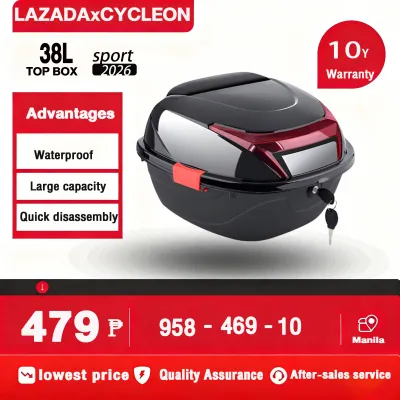
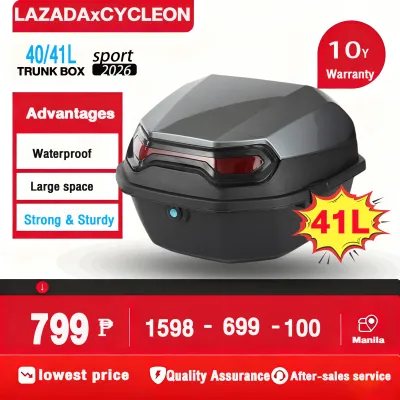
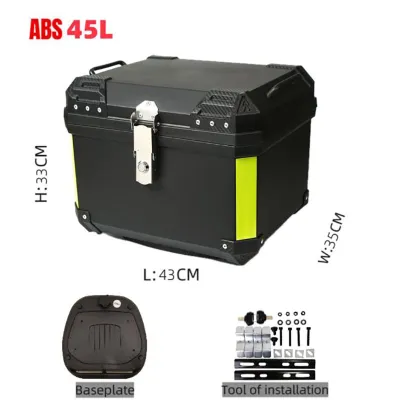
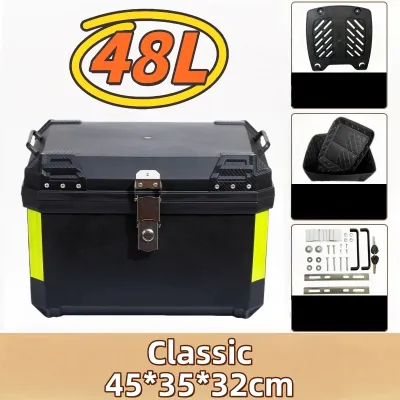
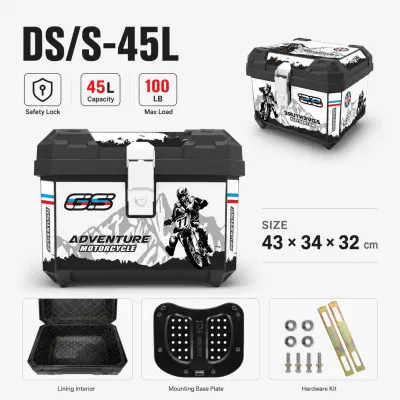
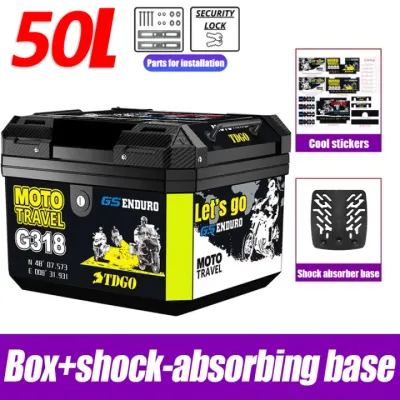
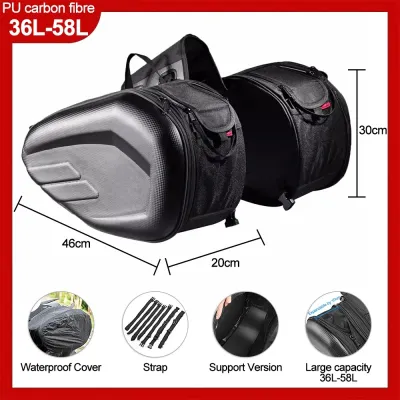
Prices are valid at publication and may change. Please refer to the product page for the latest price.
Primary Riding Scenarios
- Urban Commuting: Requires a lightweight, aerodynamic, and compact box. The primary goal is to store daily essentials, such as a rain suit, personal items, and a single helmet, without making the motorcycle too wide for lane filtering in congested traffic.
- Commercial Delivery: Demands maximum volume, structural durability, and quick-access latching systems. These boxes must withstand constant opening and closing, heavy cargo loads, and the physical strain of rough roads.
- Long-Distance Touring: Prioritizes weatherproofing, high security for valuable gear, and rugged impact resistance. Touring setups often require modular storage options that can handle vibration over hundreds of kilometers.
Material Comparisons and Trade-offs
- Molded Hard Plastic (ABS or Polypropylene): This is the most common material for daily riders. It is highly flexible, lightweight, and naturally aerodynamic. It absorbs minor impacts well without permanent deformation. However, cheap plastics can degrade under intense sunlight and offer less security against forced entry compared to metal.
- Aluminum: Valued for its rugged aesthetic, exceptional structural strength, and superior locking mechanisms. Aluminum boxes are highly secure and resistant to punctures or heavy impacts. The primary trade-offs are their high base weight, boxy aerodynamics that increase wind resistance, and a higher price point.
- Heavy-Duty Soft Luggage (Roll Bags/Tail Bags): Made from dense, waterproof fabrics like TPU or ballistic nylon. These systems offer excellent weight savings and flexibility, as they can be compressed when empty. They do not have hard edges, which reduces the risk of injury during an off-road fall. The main drawback is the lack of rigid locking mechanisms, making them less secure when the motorcycle is left unattended.
Payload Capacity vs. Storage Volume
It is a common mistake to choose a top box based solely on its internal volume in liters. A larger box allows you to pack more items, but it also increases the leverage exerted on your motorcycle’s subframe. You must always prioritize your motorcycle’s maximum payload capacity over sheer storage space. Carrying a large, lightweight box is acceptable, but overloading that box with heavy items shifts the vehicle’s center of gravity upward and backward, which can cause dangerous high-speed wobble and reduce front-wheel traction.
Top Box Choices for Daily City Commuting
For riders navigating the daily commute in busy metropolitan areas, a top box must be practical, lightweight, and streamlined. Managing tight spaces and unpredictable weather requires a box that does not hinder the agility of your scooter or underbone motorcycle.

Advantages of Hard Plastic Boxes
Hard plastic top boxes made from high-grade ABS or polypropylene are highly suited for city commuting. Their rounded, molded designs are more aerodynamic than boxy aluminum alternatives, helping to minimize wind drag and maintain fuel efficiency at city speeds. Because they are lightweight, they place minimal stress on the rear subframe of small-displacement motorcycles, preserving the nimble handling required to filter safely through slow-moving traffic.
Verifying Helmet Storage Capacity
If your primary goal is to secure your helmet when parked, you must verify the internal dimensions of the top box before purchasing. Do not rely solely on the liter capacity rating, as the internal shape of the mold determines what fits.
- Open-Face Helmets: Generally fit easily in compact boxes starting at 27 to 30 liters.
- Full-Face and Modular Helmets: Typically require a box of at least 32 to 35 liters. Helmets with prominent ventilation ducts, rear spoilers, or external action camera mounts require extra clearance.
- Visor Protection: Ensure the internal surface of the box is smooth or lined with a soft material. When placing your helmet inside, position it so that the visor does not rub against the hard plastic walls or mounting hardware, which can cause scratches and impair your night vision.
Weatherproofing and Climate Resilience
The tropical climate of the Philippines subjects motorcycle accessories to intense heat and sudden, heavy downpours. A commuter top box must feature a continuous rubber or silicone gasket along the lid interface to prevent water from seeping in during monsoons. Look for shells treated with UV stabilizers; untreated plastics will become faded, brittle, and prone to cracking after prolonged exposure to the sun. Additionally, a reliable one-touch opening and locking mechanism allows you to quickly retrieve your rain gear at the first sign of a downpour without struggling with a sticky lock.
Improving Nighttime Visibility
City commuting often involves riding in low-light conditions or during heavy evening rain. To ensure you are visible to vehicles behind you, choose a top box equipped with integrated physical reflectors or high-visibility reflective strips. Some advanced systems allow for the installation of auxiliary LED brake lights within the box shell, which connect directly to your motorcycle’s electrical harness. If you opt for an electrical connection, ensure the wiring is routed safely, fused correctly, and insulated to prevent short circuits.
Top Box Solutions for Delivery Riders and Utility Use
Commercial delivery riders and utility operators require heavy-duty storage solutions designed for high volume, frequent access, and structural resilience. The demands of transporting food, documents, and parcels all day require a highly robust setup.
Maximizing Volume with Boxy Designs
Unlike commuters who prefer aerodynamic shapes, delivery riders benefit from square or rectangular top boxes. A boxy design maximizes usable cubic volume, allowing you to stack flat parcels, documents, or insulated thermal food delivery bags efficiently without wasting corner space. These boxes typically range from 45 to 55 liters or larger. However, the increased surface area acts as a sail in crosswinds, so riders must remain vigilant when crossing open bridges or riding in high-wind conditions.
The Utility of Quick-Release Plates
For delivery operations, a top box with a reliable quick-release mounting plate is highly advantageous. This feature allows you to detach the entire box from the motorcycle rack in seconds. It is particularly useful when you need to carry high-value cargo directly to a customer’s door, secure the entire container inside a building overnight, or swap between different cargo configurations. Ensure the quick-release mechanism is made from reinforced composite or steel, as cheap plastic tabs can wear down quickly under constant use, leading to a loose, rattling connection.
Heavy-Duty Structural Requirements
Daily commercial use subjects a top box to continuous mechanical stress.
- Latches and Hinges: Look for boxes with reinforced steel hinges and dual-stage latching mechanisms that lock securely. Weak hinges can warp over time, causing the lid to misalign and compromise the weather seal.
- Flat-Top Designs: A flat lid design with integrated tie-down points or metal loops allows you to secure oversized items, such as rolled blueprints or extra cargo bags, using bungee cords or tension straps. Never strap items to the lid that exceed the weight limit of the box hinges or the rear rack.
Managing Handling and Braking Dynamics
Carrying a fully loaded, high-capacity delivery box significantly alters how a motorcycle behaves. The concentrated weight at the very rear of the bike shifts the center of gravity backward. This shift reduces the downward force on the front tire, which can make the steering feel light, vague, or prone to wobbling at low speeds. To compensate, you must adjust your riding habits: increase your following distance, apply your brakes earlier and more progressively, and avoid aggressive cornering or sudden lane changes, especially when navigating wet or uneven city streets.
Top Box Options for Long-Distance Touring and Adventure
Long-distance touring across provinces requires luggage that can withstand continuous vibration, sustain impacts on rough roads, and keep your gear highly secure during multi-day trips.
Aluminum Cases vs. Waterproof Soft Luggage
For adventure and touring riders, the choice generally comes down to rigid aluminum top cases or heavy-duty waterproof soft bags.
| Feature | Aluminum Top Cases | Waterproof Soft Luggage |
|---|---|---|
| Durability | High; resists punctures and retains shape after minor impacts. | High; flexible fabric absorbs impacts without denting. |
| Security | Excellent; rigid metal walls with robust key-lock systems. | Moderate; susceptible to cutting unless secured with steel mesh. |
| Weight | Heavy; adds significant unladen weight to the rear of the bike. | Light; minimizes the impact on the motorcycle's handling. |
| Safety in Falls | Rigid corners can pose an injury risk to the rider's legs in a slide. | Soft, rounded profiles reduce physical impact risks in a fall. |
Touring-Specific Features
Long days on the road require convenient gear organization and passenger comfort. High-end touring top boxes often feature integrated inner organizer bags, allowing you to lift your belongings out without detaching the heavy outer box. Look for options with deep waterproof inner linings or dry-bag inserts to guarantee your electronics and clothing stay dry during prolonged downpours. For riders carrying a passenger, selecting a top box with an integrated, ergonomic backrest pad mounted directly to the front face of the box lid significantly improves passenger comfort and reduces fatigue on long journeys.
Weight Management and Steering Stability
When packing for a long-distance tour, correct weight distribution is critical to preventing high-speed steering wobble. Always place your heaviest items—such as tools, spare parts, and heavy locks—at the bottom of the top box, or preferably in a tank bag or low-mounted side panniers. Keep only lightweight, high-frequency items like rain gear, snacks, and first-aid kits in the top box. Keeping the weight low and forward helps maintain proper front-wheel contact with the road, ensuring stable steering on highways.
Passenger and Suspension Clearance
Before setting off on a long tour, verify that your installed top box does not interfere with your passenger’s natural seating position or restrict their grab points. Additionally, a fully loaded touring setup compresses the rear suspension. You must adjust your motorcycle’s rear suspension preload according to the owner’s manual instructions to compensate for the extra weight. Ensure that under full suspension compression, the top box rack and mounting hardware do not contact the rear tire, hugger, or exhaust system.
Essential Mounting, Compatibility, and Safety Checks
No matter how high the quality of your top box, its safety and performance depend entirely on proper mounting and structural compatibility. Failing to verify these factors can lead to mechanical failure, damage to your motorcycle, or serious accidents.
Universal Racks vs. Model-Specific Brackets
When installing a top box, you must mount it to a rear rack attached to the motorcycle’s frame.
- Universal Mounting Racks: These racks feature adjustable slots designed to fit a wide range of motorcycles. While versatile, they often require compromises in bolt alignment and may not distribute weight optimally across your specific bike's subframe.
- Model-Specific Top Racks: Engineered precisely for your motorcycle's make, model, and year. They align perfectly with original factory mounting points, utilizing high-tensile bolts and integrated spacers. Model-specific racks offer vastly superior structural integrity, reduce vibration, and minimize the risk of mounting bolts backing out due to engine harmonics.
Determining the Maximum Rear Payload Limit
Never assume your motorcycle can carry as much weight as can physically fit into your top box. You must consult your motorcycle’s owner’s manual to find the manufacturer’s specified maximum rear rack payload limit. This limit is often surprisingly low—typically ranging from 3 to 10 kilograms for standard commuter bikes. Remember that this maximum weight limit must include:
- The weight of the rear mounting bracket/rack.
- The weight of the empty top box and its mounting plate.
- The actual cargo you place inside the box.
The Physics and Hazards of Overloading
Exceeding the manufacturer’s rear payload limit poses severe safety risks. Because the top box sits behind the rear axle, it acts as a lever that lifts weight off the front wheel. Overloading the rear causes several dangerous handling characteristics:
- Reduced Front-Wheel Traction: Steering becomes light, vague, and highly sensitive to wind gusts, which can lead to a loss of control.
- Compromised Braking Efficiency: As weight transfers forward during braking, a light front end reduces the stopping power of the front brake, significantly extending your total stopping distance.
- Subframe Fatigue: Continuous riding over bumps and potholes with an overloaded rack subjects the rear subframe to extreme bending forces. Over time, this can lead to metal fatigue, hairline cracks, or a complete structural failure of the motorcycle frame.
Crucial Safety Boundaries
Before purchasing or operating a top box system, perform a thorough inspection of your motorcycle’s rear subframe and mounting points.
Safety Warning: If you observe any hairline cracks, rust-induced thinning, or stripped threads on your motorcycle’s frame or existing rack, do not proceed with the installation. Furthermore, if the mounting bracket conflicts with the factory passenger grab rails, or if the combined weight of your planned setup approaches the vehicle’s structural limits, stop immediately. Consult a qualified motorcycle mechanic or the rack manufacturer to ensure a safe, professional installation before riding.
Frequently Asked Questions (FAQ)
Do I need to register my motorcycle top box with the LTO?
In the Philippines, standard motorcycle top boxes designed for personal use generally do not require individual registration with the Land Transportation Office (LTO), provided they meet specific safety and dimensional standards. According to LTO guidelines, a top box must be securely attached to the motorcycle, must not exceed the width of the handlebars, and must not obstruct the visibility of the tail light, brake light, turn signals, or license plate. However, custom, oversized, or commercial-use delivery boxes may be subject to different regulations and dimension limits. It is highly recommended to review the latest official LTO memorandums on motorcycle modifications to ensure your specific setup remains fully compliant with local road safety laws.
How do I prevent water from leaking into my hard top box?
To maintain the weatherproofing of your hard top box, regularly inspect the rubber or silicone gasket lining the rim of the lid. Over time, dust, sand, and small debris can accumulate in the seal groove, creating tiny gaps that allow water to seep in during heavy rain. Clean the gasket and the groove regularly using a damp, soft cloth. To keep the rubber pliable and prevent it from drying out or cracking under the intense Philippine sun, apply a thin coat of silicone-based rubber protectant. When washing your motorcycle, avoid pointing high-pressure water washers directly at the seams of the top box, as the intense pressure can easily force water past even a healthy rubber seal.
Can I install a top box on a motorcycle with a passenger grab rail?
Whether you can install a top box while retaining your motorcycle’s factory passenger grab rail depends entirely on the design of the mounting rack. Some model-specific top racks are engineered to fit over or integrate seamlessly with the existing grab rail, using extended bolts and spacers. Other rack designs require the complete removal of the factory grab rail, replacing it entirely with the top box bracket which then serves as the new handhold for your passenger. Always consult the installation instructions provided by the rack manufacturer. Never attempt to cut, bend, or structurally modify your factory grab rail or the mounting bracket to force a fit, as this can severely compromise the structural integrity of the mounting points and pose a serious safety hazard.
Community discussion
Share your experience or ask a question. Comments are reviewed before publication.