
Outdoor parking in the Philippines exposes your motorcycle to some of the harshest weather conditions in Southeast Asia. Between intense tropical heat that can degrade plastics and torrential monsoon downpours that cause rapid rust, leaving a motorcycle unprotected on the street or in an open driveway accelerates wear and lowers its resale value. A heavy-duty motorcycle trapal cover is the most effective shield against these elements, but choosing the wrong material or design can actually cause more harm than good. Understanding how different materials perform under extreme weather is key to keeping your bike safe, dry, and free from cosmetic damage.
Why Standard Covers Fail in Philippine Outdoor Conditions
Leaving a motorcycle parked outdoors in the Philippines presents a unique set of environmental challenges that standard, lightweight indoor covers simply cannot handle. Many budget-friendly covers sold on online marketplaces are made from thin, single-layer polyester designed primarily to block garage dust. When subjected to the harsh realities of tropical weather, these materials quickly fail, leaving your motorcycle vulnerable to costly damage.
During the wet season, the country experiences relentless monsoon rains and tropical depressions that dump massive volumes of water in short periods. Standard covers often lack reinforced, heat-sealed seams, allowing water to seep through the needle holes. Once water penetrates the cover, it pools on flat surfaces like the fuel tank, seat, and instrument cluster, eventually finding its way into sensitive electrical connections and causing short circuits or corrosion.
Products mentioned in this guide
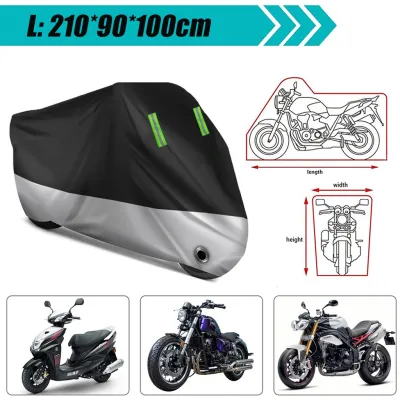
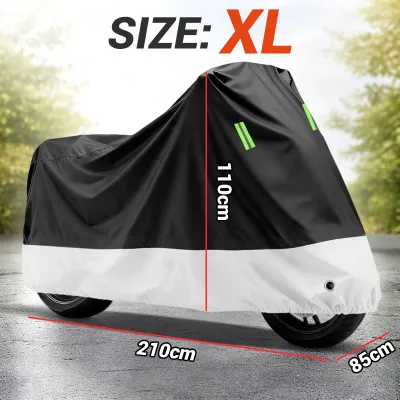
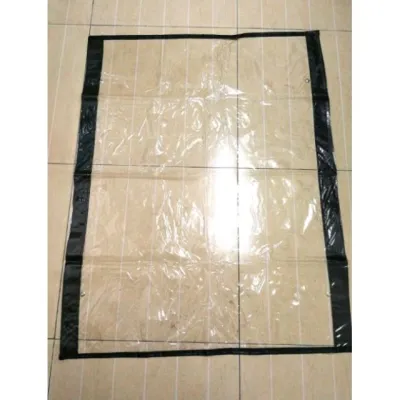
Prices are valid at publication and may change. Please refer to the product page for the latest price.
The dry season brings equally destructive forces in the form of intense, year-round ultraviolet (UV) radiation. Untreated plastics and thin fabrics degrade rapidly under direct sunlight, losing their structural integrity. Over time, this extreme solar exposure causes cheap covers to become brittle, crack, and tear under the slightest tension. In severe cases, the low-quality backing material can melt and stick directly to the motorcycle’s hot engine components, clear-coated paint, or vinyl seat, leaving stubborn residues that are incredibly difficult to remove.
Wind-borne dust and road grime pose another constant threat to exposed vehicles, especially in busy urban areas or near unpaved roads. When a lightweight cover is poorly fitted, even moderate breezes will cause the fabric to flap continuously against the motorcycle’s bodywork. The dust trapped between the cover and the bike acts like a fine abrasive, slowly grinding against the clear coat and leaving micro-scratches that dull the paint over time.
Additionally, non-breathable waterproof covers often create a highly destructive greenhouse effect underneath. High ambient humidity combined with moisture evaporating from the damp ground gets trapped beneath the impermeable fabric. This trapped condensation accelerates rust formation on exposed metal parts like the drive chain, brake rotors, and frame bolts, while simultaneously fostering mold and mildew growth on leather or fabric seats.
What to Look for in a Heavy-Duty Trapal Motorcycle Cover
Selecting a heavy-duty trapal cover requires looking beyond generic marketing terms and focusing on specific material standards and functional features. To ensure your cover can withstand the local climate, you must verify several key specifications before making a purchase.

Material Thickness and Coating
The overall durability of a trapal cover depends heavily on its material weight and thickness. Look for heavy-duty tarpaulin covers that specify their material weight in GSM (grams per square meter) or feature high-denier ratings. For true waterproofing, the material must have a thick inner coating of polyurethane (PU) or polyvinyl chloride (PVC). These coatings create a completely impermeable barrier that blocks heavy rain from penetrating, ensuring water slides off the exterior rather than soaking through the fabric.
UV and Heat Resistance
To combat the intense tropical sun, the cover’s outer layer must be treated with UV inhibitors to prevent the material from breaking down. Many high-quality outdoor covers feature a highly reflective silver, aluminum, or white outer coating. This reflective surface bounces solar radiation away from the motorcycle, keeping the air temperature underneath the cover significantly lower. This temperature reduction helps prevent fuel evaporation from the tank and protects delicate digital dashboards and LCD screens from heat damage.
Inner Lining
While the exterior of a trapal cover must be rugged and weather-resistant, the interior must be gentle on your motorcycle’s finish. Look for covers that feature a soft, non-abrasive inner lining made from brushed cotton, fleece, or soft microfiber. This lining acts as a protective buffer, ensuring that any movement caused by the wind does not result in scratches on your motorcycle’s paintwork, plastic fairings, or windshield.
Ventilation Systems
A completely waterproof cover can trap rising ground moisture, leading to condensation and rust. To prevent this, a high-quality cover must include built-in air vents, typically positioned near the handlebars or the rear of the seat. These vents are designed with protective hoods or flaps that allow warm air and moisture to escape while preventing rain from entering, maintaining healthy air circulation even during humid rainy days.
Secure Fit and Anti-Theft Features
Strong winds during typhoons can easily turn a loose cover into a sail, blowing it away or knocking the motorcycle over. Ensure the cover features strong elastic hems at the front and rear to wrap securely around the tires. Adjustable windproof buckles that clip underneath the motorcycle’s frame are essential for anchoring the cover in place. Furthermore, look for reinforced metal grommets or heavy-duty fabric lock holes near the front wheel; these allow you to pass a heavy U-lock or cable lock through both the cover and the wheel, securing your bike and preventing the cover from being stolen.
Trapal vs. Oxford vs. Polyester: Choosing the Right Material
Understanding the differences between common cover materials helps you determine if a heavy-duty trapal is truly the best fit for your parking situation or if a lighter alternative would be more practical.
Trapal (Tarpaulin/Canvas)
Heavy-duty trapal, often made from woven polyethylene or heavy-duty coated canvas, is the ultimate option for long-term, fully exposed outdoor parking. Its primary benefit is its exceptional durability and absolute resistance to heavy rain, strong winds, and intense sun. The weight of the material also prevents it from flapping excessively in windy conditions. The main trade-off is its bulk and weight; trapal covers are heavy, difficult to fold, and take up substantial storage space, making them less convenient for riders who need to carry their cover daily.
Oxford Cloth
Oxford cloth is a woven polyester fabric categorized by its denier (D) rating, with 210D, 300D, and 600D being the most common. High-denier Oxford cloth (such as 300D or 600D) offers an excellent balance of durability, water resistance, and portability. It is much lighter and easier to fold than heavy trapal, making it popular among daily commuters. However, while highly water-resistant when treated with PU coatings, Oxford cloth can gradually lose its water-repellent properties and degrade faster than heavy trapal under continuous, unshaded tropical sun.
Polyester and Nylon
Standard polyester and nylon covers are lightweight, highly portable, and very affordable, often costing under ₱500 on online marketplaces. While they are convenient for indoor garage storage or short-term dust protection, they are poorly suited for outdoor parking in the Philippines. These thin materials lack the structural strength to withstand heavy monsoon downpours and can easily tear when caught on sharp edges like footpegs, license plates, or exhaust brackets.
Material Selection Matrix
To help guide your decision, consider the following environmental scenarios:
- Fully Exposed Street or Open Driveway: Choose a heavy-duty trapal cover. The superior weight, tear resistance, and absolute waterproofing are necessary to survive constant sun, rain, and wind.
- Semi-Shaded Carport or Covered Parking: Choose a 300D or 600D Oxford cloth cover. It provides excellent protection from blowing rain and dust while remaining easy to handle and store.
- Daily Commuting (Parked at Work): Choose a high-quality, packable Oxford cloth cover that fits easily inside a top box or backpack.
- Indoor Garage or Undercover Storage: A lightweight polyester cover is sufficient to keep dust and dirt off the bike.
How to Safely Use and Maintain Your Trapal Cover
Proper usage and regular maintenance of your motorcycle cover are essential to protect your vehicle’s finish and extend the lifespan of the cover itself. Neglecting basic care can lead to accidental damage to both your bike and the protective material.
Cooling Down
Never drape a cover over your motorcycle immediately after riding. The engine, exhaust pipes, and muffler reach extremely high temperatures that can easily melt the cover’s inner lining or waterproof coatings, even on covers marketed as heat-resistant. Melting fabric can fuse to your exhaust pipes, leaving a burnt residue that is difficult to clean and can ruin the finish. Always refer to your motorcycle’s owner manual and the cover manufacturer’s instructions for specific safety guidelines, and allow the bike to cool down completely before covering it.
Pre-Cover Cleaning
Before applying the cover, take a moment to wipe away any loose dust, mud, or road grime from your motorcycle’s bodywork. Additionally, check the inside of the cover to ensure no dirt, dry leaves, or small debris have accumulated. Covering a dirty motorcycle allows the heavy material to press grit against the paint, creating fine scratches as the cover shifts in the wind.
Moisture Management
Do not leave your motorcycle covered continuously for weeks at a time, especially during the rainy season. On clear, sunny days, remove the cover to let both the bike and the cover’s inner lining air out in the sun. This allows trapped ground moisture to evaporate completely, preventing rust from forming on the chain and fasteners, and stopping mold from developing on your vinyl or leather seat.
Cleaning the Cover
To clean your trapal cover, lay it flat on a clean surface or hang it over a sturdy clothesline. Wash it by hand using a soft brush or sponge, cool water, and mild soap. Avoid using harsh chemical detergents, bleach, or high-pressure washers, as these can strip away the waterproof PU or PVC coatings and damage the UV-resistant outer layer. Allow the cover to air dry completely in a shaded, well-ventilated area before folding and storing it to prevent mildew growth.
Frequently Asked Questions (FAQ)
Can I cover my motorcycle while the exhaust is still hot?
No, you should never cover your motorcycle while the exhaust is still hot. Even heavy-duty trapal covers with heat-resistant sections have thermal limits. Placing a cold cover over a hot muffler or exhaust pipe can melt the inner lining, damage your bike’s finish, or pose a serious fire hazard. Always allow the engine and exhaust to cool completely to the touch before applying the cover.
How do I prevent mold from forming under a waterproof trapal cover?
To prevent mold and mildew, ensure your motorcycle is completely dry before covering it. Avoid covering the bike immediately after a wet ride or wash. Additionally, choose a cover equipped with built-in air vents to promote air circulation, and periodically remove the cover on sunny days to let the bike and the inner lining air out.
Is a custom-fit cover better than a universal trapal cover?
A custom-fit cover is generally better for outdoor parking because it matches the specific dimensions of your motorcycle model, reducing excess fabric that can flap in the wind. This aerodynamic fit minimizes paint abrasion and makes the cover less likely to blow away during strong winds. However, high-quality universal trapal covers are highly versatile and can provide excellent protection if they feature adjustable windproof straps, elastic hems, and secure buckle systems to customize the fit.
Community discussion
Share your experience or ask a question. Comments are reviewed before publication.