
Finding the right balance between safety and daily comfort is a common challenge for motorcycle commuters in the Philippines. Whether navigating the congested lanes of EDSA, weaving through Cebu’s urban corridors, or tackling daily routes in Davao, your feet bear a significant portion of the physical toll. Motowolf motorcycle boots have emerged as a popular choice among local riders, offering a diverse lineup that attempts to bridge the gap between heavy-duty protection and everyday walkability. The best option for your specific daily commute depends entirely on how you balance your need for impact resistance against the harsh realities of tropical humidity, sudden downpours, and the necessity of walking around your workplace.
Selecting the ideal pair requires looking beyond mere aesthetics to evaluate how a boot performs when you are off the saddle. A commuter’s journey does not end when the engine stops; it continues through office hallways, elevators, and retail spaces. By understanding the structural variations, ventilation capabilities, and protective limits of different Motowolf designs, you can make an informed decision that keeps your feet secure, cool, and comfortable throughout the year.
What to Look for in Stop-and-Go Urban Riding Gear
Daily commuting in major Philippine cities presents a unique set of challenges that differ drastically from weekend leisure rides or long-distance touring. On a typical route, a rider faces constant stop-and-go traffic, requiring them to plant their feet on the hot asphalt dozens of times per kilometer. This repetitive motion, combined with the heat radiating from both the motorcycle engine and the road surface, demands footwear that is exceptionally supportive, flexible, and thermally efficient. Standard footwear fails quickly under these conditions, making dedicated commuter riding gear a necessity rather than an option.
Products mentioned in this guide
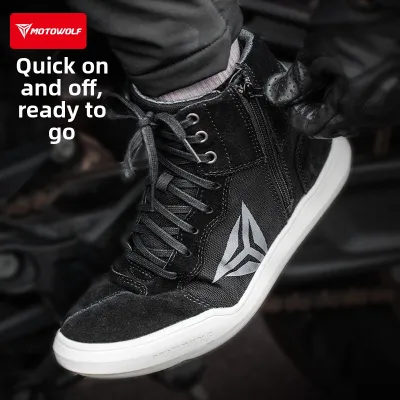
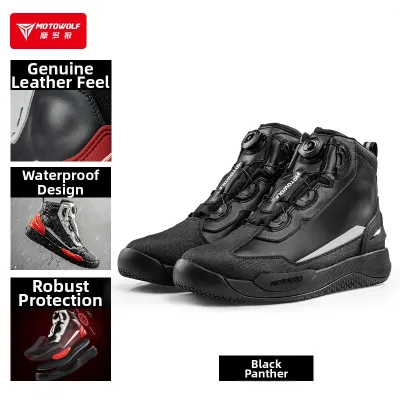
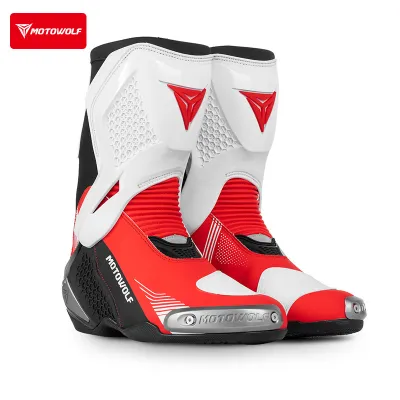
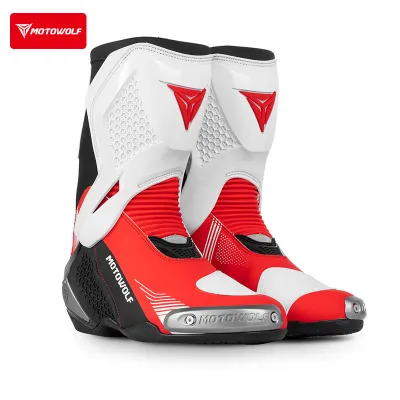
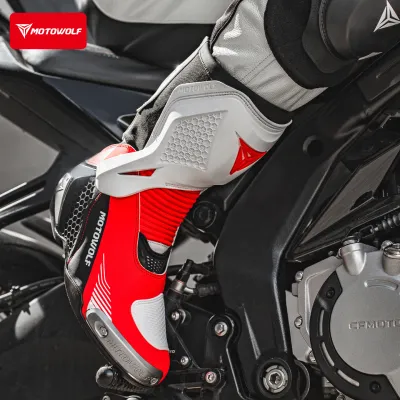
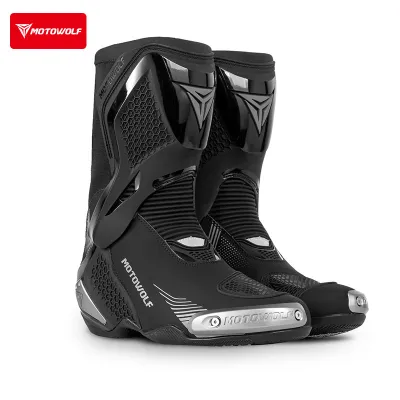
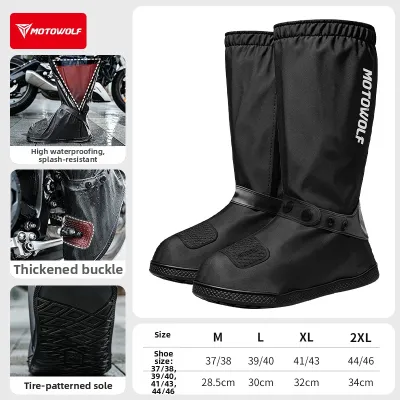
Prices are valid at publication and may change. Please refer to the product page for the latest price.
When evaluating options, the primary consideration must be the balance between impact protection and practical walkability. A commuter needs reinforced heel cups, reinforced toe boxes, and dedicated ankle protectors to guard against lateral crushing forces in the event of a low-speed slide or tip-over. Additionally, a built-in shifter pad on the top of the left boot is essential to prevent the gear lever from wearing down the material and causing discomfort during constant gear changes. However, because commuters must transition directly from the bike to an office, classroom, or retail floor, these protective elements must not render the boot so stiff that walking becomes painful or awkward.
The tropical climate introduces another critical factor: heat management. Riding in ambient temperatures that frequently exceed 30°C, compounded by high humidity, means that unventilated boots quickly turn into sweat traps. This lack of airflow leads to discomfort, skin irritation, and accelerated material degradation from the inside out. Commuters should look for boots featuring perforated panels, breathable mesh inserts, and moisture-wicking internal linings. These features facilitate active heat dissipation and help keep the feet dry, which is vital for long-term comfort and hygiene during daily use.
Convenience is another hallmark of a great commuter boot. In a fast-paced daily routine, complex lacing systems can become a hassle, especially when you need to quickly gear up or transition out of your riding apparel. Quick on-and-off mechanisms, such as side zippers with security flaps, speed-lacing dials, or robust hook-and-loop straps, are highly valued by daily riders. These systems allow for rapid adjustments and secure fastening, ensuring the boot remains tightly fitted to the foot without the risk of loose laces getting tangled in the chain or footpegs.
Finally, it is crucial to establish a realistic safety boundary. Urban commuter boots are specifically engineered to handle low-to-medium-speed city impacts and provide basic abrasion resistance. They are not designed to offer the extreme structural rigidity, shin protection, or torsion control required for high-speed track racing, heavy touring, or off-road riding. Before purchasing, riders should always check the product labels and manufacturer documentation for relevant safety standards and certifications, rather than assuming a boot offers maximum protection simply because of its rugged appearance.
Matching Motowolf Boot Styles to Your Commute
Motowolf offers several distinct styles of riding footwear designed to meet the varying needs of daily commuters. Understanding the structural differences between these styles allows you to select a pair that aligns perfectly with your specific route, workplace dress code, and personal comfort preferences. While all these options aim to provide a baseline of motorcycle-specific safety, their performance in terms of flexibility, weather protection, and style varies significantly.

When browsing the available options, riders should always verify the specific model specifications on the manufacturer’s label or official store listings. Features, materials, and protective inserts can vary between different production runs and model versions. Taking the time to confirm these details ensures that the pair you choose matches your expectations for daily durability and performance on Philippine roads.
Sneaker-Style Riding Shoes
For riders whose daily commute involves a high proportion of walking or those who work in environments with casual dress codes, sneaker-style riding shoes are an excellent choice. These shoes are designed to mimic the appearance of casual high-top sneakers, allowing them to blend seamlessly into office, university, or social settings. The primary advantage of this style is its lightweight construction and flexible sole, which provide a natural walking experience that traditional riding boots cannot match.
Despite their casual appearance, quality sneaker-style riding shoes from Motowolf incorporate essential safety features that set them apart from standard fashion footwear. They typically feature hardened toe boxes and reinforced heel counters to absorb impacts, along with ankle bone protectors embedded within the side panels. The soles are also engineered to be stiffer than those of regular sneakers, providing better support on the footpegs and reducing foot fatigue during long idling periods in heavy traffic.
However, the casual design of sneaker-style riding shoes comes with inherent trade-offs. Because they are cut lower than traditional boots, they offer minimal shin coverage and less overall ankle support, leaving the upper lower leg exposed to heat and debris. Additionally, their emphasis on breathability and casual materials often means they have limited water resistance. During the heavy downpours of the rainy season, these shoes can quickly become saturated, making them less suitable for riders who must commute regardless of the weather.
Mid-Calf and Short Touring Boots
Riders who face longer commutes, higher-speed highway stretches, or who frequently ride through inclement weather will find mid-calf and short touring boots to be a more suitable option. These boots feature a higher cut that extends well above the ankle, providing comprehensive coverage and superior lateral support. This extra height is highly effective at preventing the ankle from twisting during a fall and offers valuable protection against road debris, engine heat, and exhaust pipes.
In terms of weather versatility, mid-calf and short touring boots are generally much better equipped to handle the unpredictable climate. Many models utilize water-resistant synthetic leathers and feature gusseted zippers or storm flaps that prevent water from penetrating the boot during sudden tropical downpours. The robust construction and thicker soles also provide excellent grip on wet, slippery footpegs and oily asphalt, giving the rider more confidence when stopping in wet conditions.
The trade-off for this enhanced protection and weather resistance is a reduction in walking comfort and thermal regulation. The stiffer soles and heavier construction of touring boots can make walking long distances tiring, and they do not flex as naturally as sneaker-style shoes. Furthermore, the lack of extensive mesh panels—necessary for water resistance—means these boots retain more heat, which can lead to hot, sweaty feet on warm afternoon rides. This style is best suited for commuters who prioritize maximum safety, face highway speeds, or frequently ride during the monsoon season.
Getting the Right Fit and Beating Tropical Heat
Securing the correct fit is paramount when choosing riding boots, as an improperly sized boot can compromise both safety and comfort. To find your correct size, you should measure your feet accurately by tracing them on a sheet of paper and measuring the distance from the heel to the longest toe in millimeters. Compare this measurement directly to Motowolf’s specific sizing charts. It is important to note that fit can vary significantly between casual sneaker-style models and more structured touring boots, with some riders finding they need to size up in touring models to accommodate wider feet or thicker socks.
In the hot and humid climate of the Philippines, managing heat accumulation inside the boot is a constant battle. When selecting a size, avoid the temptation to choose an overly tight fit in the pursuit of maximum security. Boots that are too tight restrict blood circulation, which accelerates foot fatigue, exacerbates the feeling of heat, and can lead to painful swelling or blisters during extended rides. A proper fit should allow your toes to wiggle slightly while ensuring your heel remains firmly locked in place without lifting when you walk.
To maximize the efficiency of your boots’ ventilation features, pair them with high-quality riding socks. Avoid standard thick cotton socks, which tend to absorb and hold onto moisture, leading to damp feet, odor, and skin chafing. Instead, invest in moisture-wicking synthetic blends or lightweight socks designed specifically for athletic or motorcycle use. These materials actively pull sweat away from your skin, facilitating faster evaporation and helping to maintain a cooler, more hygienic environment inside your boots.
Finally, be prepared for a break-in period, particularly with boots constructed from heavy synthetic or microfiber leathers. While synthetic materials generally do not stretch as much as genuine leather over time, they will gradually soften and conform to the natural flex points of your feet after a few days of use. It is highly recommended to wear your new boots around the house or on short, low-stakes rides to identify any pressure points before committing them to a long, demanding daily commute.
Keeping Your Commuter Boots Ready for Daily Use
Daily commuting subjects riding boots to a harsh mix of road grime, engine heat, exhaust soot, and moisture. To extend the lifespan of your Motowolf boots and ensure they continue to provide reliable protection, establishing a consistent maintenance routine is essential. After a dusty ride, take a few minutes to wipe down the exterior of the boots with a damp microfiber cloth to remove abrasive road salt, dirt, and oil before they can degrade the synthetic materials or stitching.
If you get caught in a sudden downpour—a common occurrence during the rainy season—proper drying is critical. Always dry your boots at room temperature in a well-ventilated indoor space. Never expose them to direct heat sources such as hair dryers, radiators, or intense direct sunlight in an attempt to speed up the process. Excessive heat can warp synthetic panels, dry out and crack the materials, and melt the specialized adhesives used to bond the soles to the upper boot structure, permanently ruining the footwear.
Regularly inspect your boots for signs of wear and tear that could compromise their performance. Pay close attention to the shifter pad on the left boot, as a worn-through pad can allow water to seep in and damage the underlying structure. Check the depth of the sole tread; worn, smooth soles offer poor traction on wet asphalt and can easily slip off metal footpegs, posing a significant safety hazard. Additionally, test the functionality of all zippers, buckles, and laces, and consider applying a small amount of paraffin wax or silicone lubricant to zippers to keep them operating smoothly.
Storing your boots correctly is vital in the highly humid climate, where mold and mildew can develop rapidly. Store your boots in a cool, dry, and well-ventilated area rather than leaving them in a damp garage or sealed plastic bag. To help maintain the boots’ shape and absorb residual internal moisture, consider using cedar boot trees or stuffing the boots with clean, dry newspaper after each ride. This simple step goes a long way in preventing unpleasant odors and material degradation.
Ultimately, every rider must know when it is time to retire a pair of commuter boots. While regular maintenance can significantly prolong their life, boots must be replaced immediately if their structural integrity is compromised. Look out for critical warning signs such as a separating sole that cannot be securely re-bonded, torn seams along major impact zones, or protective inserts that have become crushed, cracked, or soft. Continuing to ride in compromised boots leaves your feet highly vulnerable to severe injury in the event of an accident.
Frequently Asked Questions (FAQ)
Are Motowolf boots waterproof for rainy season commuting?
Most Motowolf riding boots are designed to be water-resistant rather than fully waterproof. While they can successfully repel light rain and road spray due to their synthetic leather construction, they may eventually allow water to penetrate during prolonged exposure to heavy downpours or when riding through deep puddles. Zippers, ventilation perforations, and stitching lines are common entry points for moisture. If your commute frequently involves riding through heavy monsoon rains, look specifically for models that explicitly feature integrated waterproof membranes, and ensure that any gussets behind the zippers are fully intact.
Can I use regular sneakers instead of dedicated riding shoes?
Using regular sneakers for motorcycle commuting is highly discouraged because they lack the structural reinforcement necessary to protect your feet during a mishap. Standard sneakers offer virtually no protection against lateral crushing, ankle twisting, or severe abrasion, and their soft soles can lead to foot fatigue from resting on narrow footpegs. Dedicated riding shoes, even casual sneaker-style ones, are constructed with stiff shanks in the soles, reinforced toe and heel boxes, and ankle protectors. These specialized features are engineered to absorb impact energy and prevent debilitating foot injuries that regular footwear simply cannot withstand.
Community discussion
Share your experience or ask a question. Comments are reviewed before publication.