
Upgrading the exhaust system of your Yamaha NMAX V2 in the Philippines requires balancing personal riding goals with local road regulations. The ideal aftermarket muffler pipe is not a one-size-fits-all solution; instead, it depends on whether you prioritize a refined exhaust note for daily city commuting, weight reduction for track days, or heat management for long-distance touring. Choosing the right setup involves understanding how changes to your exhaust flow affect the scooter’s engine performance, fuel efficiency, and overall rideability.
To make an informed decision, you must evaluate the physical configuration of the pipe, the materials used in its construction, and the legal decibel limits enforced on public roads. A well-chosen muffler enhances your riding experience without attracting unwanted law enforcement attention or causing engine damage. This guide breaks down the essential exhaust types, selection criteria, and installation steps to help you find the perfect match for your NMAX V2.
Understanding NMAX V2 Exhaust System Options
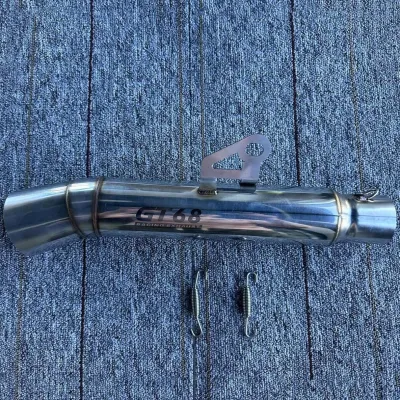
Before purchasing any aftermarket exhaust component, you must understand the structural differences between a slip-on muffler and a full exhaust system. A slip-on setup replaces only the muffler canister itself, leaving the stock header pipe and catalytic converter intact. This option is highly popular for riders seeking an aesthetic upgrade and a deeper exhaust note without significantly altering the engine’s backpressure or emissions output. Because the stock header remains, slip-ons are generally easier to install and rarely require immediate engine tuning.
Products mentioned in this guide
20 Lazada user ratings
Masunurin ang nagbebenta, mahusay ang serbisyo sa customer, at mabilis magpapadala. Ang produktong natanggap ko ay kapareho ng nasa tindahan…Read full reviewShow less
Masunurin ang nagbebenta, mahusay ang serbisyo sa customer, at mabilis magpapadala. Ang produktong natanggap ko ay kapareho ng nasa tindahan—isang tunay na produkto. Lubos akong nasiyahan sa kalidad ng produktong ito.
ayos napakaganda pala sa personal mura pa. kabit nkona Ngayon. dito na kayo mag order mabilis din Ang shipping. nila
Maganda itong tingnan at maganda ang tunog nito.
Napakaganda, walang dents, salamat seller.
Perfect for my Aerox v2, thank you
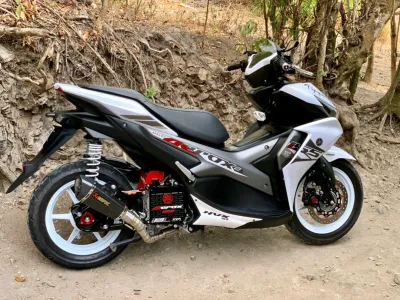
7 Lazada user ratings
ayos pagkadating kabit agad... bilis ng shipping
very satisfied Performance:good1000000%
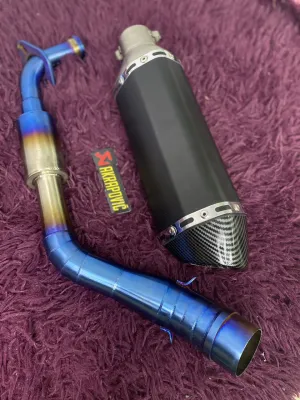
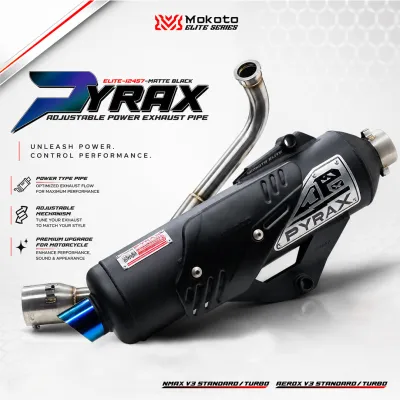
23 Lazada user ratings
Performance:great performance lalo na sa mga stock lng no need to remap. Malutong ang tunog Compatibility:sobrang solid fit na fit sya sa pc…Read full reviewShow less
Performance:great performance lalo na sa mga stock lng no need to remap. Malutong ang tunog Compatibility:sobrang solid fit na fit sya sa pcx ko walang ka singaw singaw Durability:matibay sya 4 months ko nang ginagamit the same parin ung arangkada Salamat din pala sa seller sa freebies na rain coat worth 1k pesos🫡🫡
Good quality, perfect design for my Honda Click 125i v3, laking tulong din ng adjuster para macontrol mo yung sound, ayoko kasi ng maingay. …Read full reviewShow less
Good quality, perfect design for my Honda Click 125i v3, laking tulong din ng adjuster para macontrol mo yung sound, ayoko kasi ng maingay. Nice one MOKOTO...
Daghang Salamattt ng Marami Seller😍 Compatibility: 10/10 Performance: 10/10 Durability: 10/10
Performance:excellent Compatibility:Very Nice Durability:excellent
salamat seller 🤗🤗🤗
Prices are valid at publication and may change. Please refer to the product page for the latest price.
In contrast, a full exhaust system replaces everything from the engine’s exhaust port to the rear tip, including the header pipe, mid-pipe, and muffler. Full systems offer the greatest potential for weight savings, as they eliminate the heavy stock catalytic converter and steel piping. By streamlining the exhaust path, a full system allows the engine to breathe more freely at high engine speeds. However, this increased flow drastically reduces backpressure, which can negatively impact low-end torque if the scooter is not properly tuned.
The stock NMAX V2 exhaust system is designed with a built-in catalytic converter and a specific mid-pipe diameter to meet strict environmental and noise standards. The catalytic converter filters harmful exhaust gases but creates a restriction in the exhaust gas flow. Bypassing this component with a straight-through aftermarket mid-pipe increases exhaust velocity and alters the pressure waves inside the system. While this can improve high-RPM power, it also increases exhaust volume significantly and changes how the engine’s Variable Valve Actuation (VVA) system transitions between low-speed and high-speed cam profiles.
Understanding these dynamics is crucial because automatic CVT (Continuously Variable Transmission) scooters rely heavily on a balanced torque curve. Unlike manual motorcycles where you can hold a gear, a CVT keeps the engine operating within a specific RPM band during acceleration. If an aftermarket pipe destroys too much low-end backpressure, your NMAX V2 may feel sluggish off the line, even if it sounds faster. Therefore, selecting between a slip-on and a full system should be based on how you intend to use the scooter daily.
Critical Selection Criteria for Your NMAX V2 Muffler Pipe
Material selection is one of the most critical decisions when choosing an aftermarket pipe, especially given the diverse and demanding weather conditions in the Philippines. High humidity, intense tropical heat, and heavy monsoon rains can quickly accelerate corrosion on low-quality metals. Stainless steel is the most common material used in mid-range aftermarket pipes; it offers excellent structural strength, high resistance to rust, and a moderate price point. However, stainless steel is relatively heavy compared to premium alternatives.

For riders seeking weight reduction and superior heat dissipation, titanium is an exceptional choice. Titanium pipes develop a distinct blue patina over time due to heat exposure and are incredibly light, though they carry a premium price tag. Carbon fiber is another popular material, primarily used for the muffler outer sleeve. It remains cool to the touch compared to metal, reducing the risk of accidental burns, but it can degrade or crack over several years of exposure to extreme exhaust temperatures and intense tropical sunlight.
Sound regulation is another vital factor that cannot be overlooked by Filipino riders. The Land Transportation Office (LTO) and local government units (LGUs) enforce strict noise limits on public roads, with penalties for vehicles exceeding designated decibel levels. When shopping for an aftermarket pipe, look for models that include a removable dB killer or silencer. This allows you to enjoy a deeper tone during closed-course events while remaining compliant with local noise ordinances during your daily commute through residential areas.
Physical compatibility is another area where buyers frequently make mistakes. The NMAX V1 and NMAX V2 have different frame layouts, mounting brackets, and sensor port locations. You must verify that the aftermarket pipe is explicitly labeled for the NMAX V2 model year to ensure the mounting brackets align perfectly with your scooter’s swingarm. Additionally, check if the pipe accommodates the stock oxygen sensor (O2 sensor) thread size, as running without the sensor will trigger an engine warning light on your dashboard.
Finally, always cross-reference manufacturer specifications, part numbers, and official labels rather than relying on generic product titles found on online marketplaces. Many budget-friendly listings use misleading keywords that promise universal fitment, but actual installation often reveals misaligned brackets or poor clearance against the rear suspension and tire. Verifying the exact dimensions and mounting configurations beforehand saves time and prevents costly return shipping fees.
Recommended Muffler Pipe Styles Based on Riding Goals
For Daily Commuting and City Riding
For riders who use their NMAX V2 primarily for daily commuting through congested city streets, the ideal exhaust setup prioritizes low-end torque, moderate sound levels, and high durability. A slip-on muffler constructed from high-grade stainless steel is highly recommended for this use case. This configuration retains the stock header pipe and catalytic converter, preserving the backpressure needed for quick acceleration from a standstill at traffic lights.
To maintain a polite presence in residential neighborhoods and avoid fines at roadside checkpoints, ensure the slip-on is equipped with a high-quality, secure dB killer. The goal is a subtle, bass-heavy tone that makes your scooter audible to nearby motorists without being obnoxiously loud. Additionally, look for models that include a robust heat shield to protect your legs and those of your passengers during tight lane-filtering maneuvers.
For Long-Distance Touring and Comfort
Touring enthusiasts who take their NMAX V2 on long weekend rides across provinces require an exhaust system that focuses on acoustic comfort and thermal management. A deep, mellow exhaust note is essential for long-distance riding, as high-pitched or excessively loud pipes can cause rider fatigue over hours of continuous travel. Look for mufflers with larger canister volumes, which naturally dampen harsh high-frequency sounds and produce a smoother rumble.
Effective heat management is equally critical when carrying luggage or riding with a pillion passenger. Carbon fiber or double-walled stainless steel mufflers are excellent for touring because they dissipate heat rapidly, minimizing the risk of melting soft saddlebags or burning passenger gear. Furthermore, verify that the angle of the muffler exit does not direct hot exhaust gases directly onto your rear turn signals, license plate, or aftermarket top box brackets.
For Performance and Track-Oriented Riding
If you are preparing your NMAX V2 for closed-circuit racing or track days, your priorities will shift toward weight reduction and high-RPM flow. A full exhaust system featuring a lightweight titanium or thin-walled stainless steel header is the standard choice for performance-oriented riding. By removing the restrictive catalytic converter and optimizing the pipe diameter, a full system allows the engine to expel exhaust gases with minimal resistance at high engine speeds.
However, installing a high-flow full system drastically alters the engine’s volumetric efficiency. Operating a full exhaust without modifying the fuel delivery will result in a dangerously lean air-fuel mixture, leading to engine overheating, popping on deceleration, and potential valve damage. To prevent this, you must pair a full exhaust system with a professional ECU remap or an aftermarket fuel controller to adjust the fueling map to match the increased airflow.
Installation, Tuning, and Safety Checks
Installing an aftermarket exhaust system on your NMAX V2 is a precise task that directly affects your scooter’s safety and performance. While slip-on mufflers can sometimes be installed with basic hand tools, professional installation is highly recommended for full exhaust systems. A professional mechanic ensures that the exhaust gasket at the cylinder head is seated correctly and torque specifications are met. Improperly tightened header bolts can lead to exhaust leaks, which introduce cold air into the exhaust stream and cause erratic engine idling and popping.
When upgrading to a full system that bypasses the catalytic converter, fuel-air ratio tuning is not optional—it is a safety requirement. Modern fuel-injected engines like the NMAX V2 use closed-loop systems that can only make minor fueling adjustments. A professional ECU flash or the installation of a piggyback fuel controller allows a technician to enrich the fuel mixture, ensuring the engine runs cool and delivers smooth power across the entire RPM range. Skipping this step can lead to long-term engine wear and voided warranties.
Before taking your scooter out for a test ride, perform a comprehensive post-installation checklist. Start the engine and feel around the joints and header flange for any escaping air, which indicates a leak. Verify that the exhaust pipe does not contact any plastic bodywork, brake lines, or electrical wiring, as the extreme heat can quickly melt these components. Additionally, compress the rear suspension fully to ensure the muffler canister does not strike the swingarm, rear caliper, or aftermarket shock absorbers.
Establish clear stop conditions during your initial rides with the new exhaust. If you notice an engine warning light on the dashboard, feel abnormal vibrations through the floorboards, or hear metallic rattling, pull over immediately. These symptoms often point to a loose mounting bracket, a disconnected O2 sensor, or a severe exhaust leak. Do not continue riding under these conditions; instead, consult a qualified motorcycle mechanic to diagnose and resolve the issue before further operation.
Frequently Asked Questions (FAQ)
Will an aftermarket muffler void my NMAX V2 warranty?
Installing an aftermarket muffler can potentially void portions of your NMAX V2 manufacturer warranty. Most motorcycle dealerships operate under policies where warranty claims are denied if the failure is directly linked to an aftermarket modification. For example, if you install a full exhaust system without proper tuning and suffer engine damage due to a lean running condition, the repair costs will likely not be covered. Always consult your local authorized dealer to understand their specific warranty terms before making any modifications.
Do I need to remap the ECU if I only change the slip-on muffler?
In most cases, you do not need to remap the ECU if you are only installing a slip-on muffler that retains the stock header pipe and catalytic converter. Because the primary restriction (the catalytic converter) remains in place, the engine’s air-fuel ratio stays within the safe operating limits of the stock ECU. However, if you notice symptoms of a lean mixture, such as excessive backfiring on deceleration or sluggish throttle response, a professional diagnostic check and minor tuning adjustments are recommended.
How can I reduce the loud drone of my aftermarket exhaust?
To reduce an annoying drone from your aftermarket exhaust, start by ensuring that the dB killer or silencer insert is properly installed and tightly secured inside the muffler tip. You should also inspect the mounting brackets and rubber dampeners; loose or direct metal-to-metal contact can transmit low-frequency vibrations directly to the scooter’s frame, amplifying the noise. Finally, check the internal packing material of the muffler, as worn-out fiberglass packing loses its sound-dampening properties and must be replaced periodically.
Community discussion
Share your experience or ask a question. Comments are reviewed before publication.