
Quick Answer: Choosing the Right Radiator Cover for Aerox V3
Selecting the ideal radiator cover aerox v3 requires balancing physical impact protection with unrestricted thermal airflow. For the Yamaha Aerox 155 V3 (Connected), the most reliable option is a high-grade stainless steel or anodized aluminum mesh cover that provides at least a 70% to 80% open-air ratio. This design ensures that flying gravel, road debris, and insects are deflected before they can damage the delicate aluminum cooling fins, while still allowing the side-mounted cooling system to draw in enough air during stop-and-go city riding.
When shopping, you must explicitly verify “Aerox V3” compatibility. The mounting geometries, radiator shroud dimensions, and bolt hole locations of the V3 differ significantly from older V1 and V2 models. A high-quality metal mesh guard utilizing the stock mounting points offers the most secure fit, preventing rattling and ensuring long-term durability under demanding tropical riding conditions.
Why Upgrade Your Aerox V3 Radiator Guard?
The Yamaha Aerox V3 features a liquid-cooled, 155cc Blue Core engine that relies heavily on its cooling system to maintain optimal operating temperatures. Unlike traditional motorcycles with front-mounted radiators, the Aerox utilizes a side-mounted radiator positioned on the right side of the engine block. While this compact design keeps the scooter streamlined, it exposes the radiator to unique environmental hazards that make an aftermarket radiator cover a highly practical upgrade.
Products mentioned in this guide
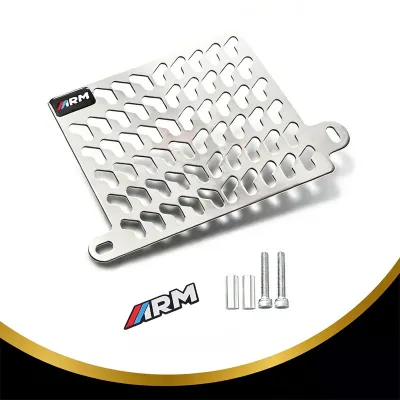
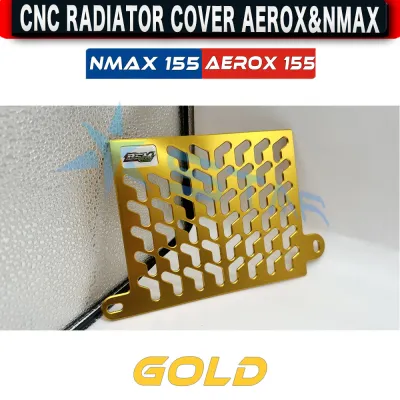
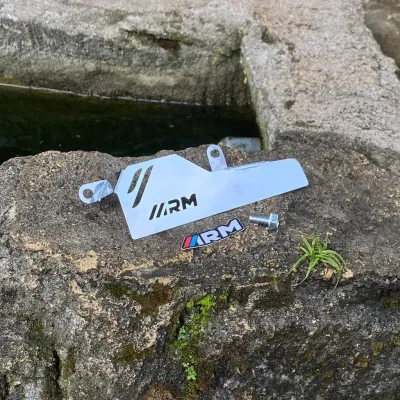
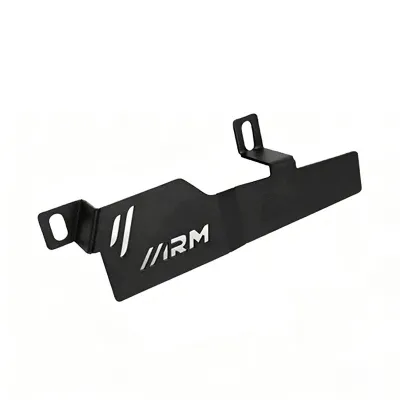
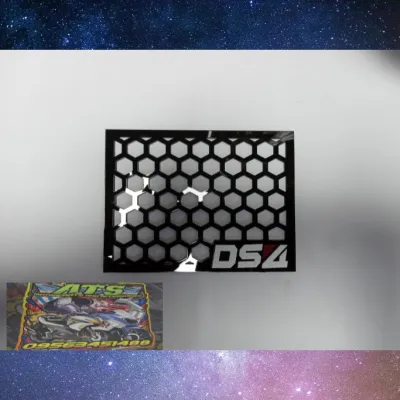
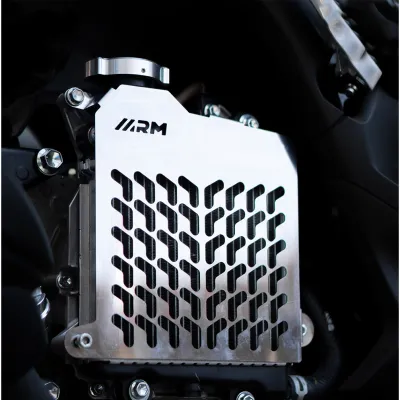
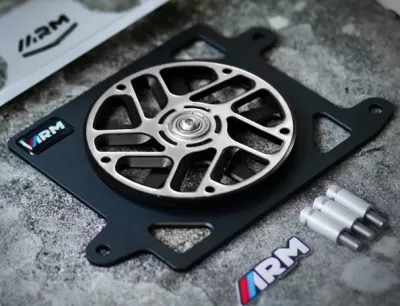
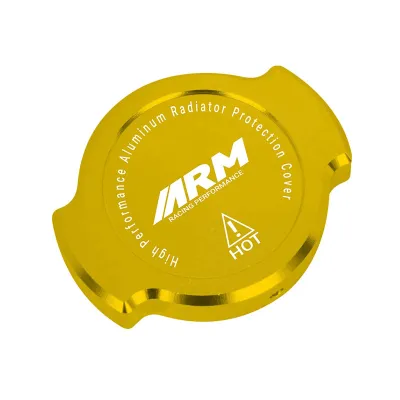
Prices are valid at publication and may change. Please refer to the product page for the latest price.

Vulnerability to Road Hazards
Daily riding in the Philippines exposes your motorcycle to diverse road conditions, from unpaved provincial pathways to urban construction zones littered with loose gravel, sand, and asphalt debris. Because the radiator is positioned low and to the side, the front tire frequently kicks up small stones, dirt, and water directly toward the radiator face. Passing vehicles, especially larger trucks and jeepneys, can also fling debris laterally into the radiator shroud.
Without an adequate guard, these high-velocity impacts can easily bend the ultra-thin aluminum cooling fins of the radiator. Bent fins restrict the path of air flowing through the core, which directly reduces the heat-dissipation capacity of the cooling system. In severe cases, a sharp stone can puncture one of the internal coolant tubes, causing a rapid loss of coolant, engine overheating, and potentially catastrophic engine damage that requires an expensive rebuild.
Preventing Mud and Insect Clogging
During the monsoon season, heavy downpours and flooded streets are common. Road spray carries a thick mixture of mud, oil, and organic debris that can quickly coat the radiator core. Insects also tend to accumulate in the cooling fins during night rides. A stock plastic guard often has wide openings that allow these contaminants to pass through and clog the core. An aftermarket mesh cover acts as a pre-filter, catching larger debris and mud splatters before they can bake onto the hot aluminum fins, making routine cleaning much easier.
Aesthetic Customization
Beyond functional protection, upgrading the radiator cover is one of the most popular visual modifications for the Aerox V3. The stock plastic shroud is functional but visually plain. Aftermarket covers are available in various finishes, including powder-coated matte black, polished stainless steel, anodized colors, and carbon-fiber patterns. This allows riders to customize the look of their scooter, giving it a sportier, more aggressive appearance that matches other aftermarket accessories without compromising the bike’s mechanical integrity.
Recommended Materials and Designs for Aerox V3
When browsing local accessory shops or online marketplaces, you will encounter a wide variety of radiator covers. These products generally fall into two primary material categories: metals (such as stainless steel and aluminum) and polymers (such as ABS plastic and carbon-fiber composites). Each material presents distinct trade-offs in terms of impact resistance, weight, corrosion behavior, and heat dissipation.
Aluminum and Stainless Steel Mesh
Metal covers are widely regarded by motorcycle mechanics as the gold standard for radiator protection due to their structural rigidity and high melting points.
- Stainless Steel Guards: Typically laser-cut from grade 304 stainless steel, these covers offer the highest level of puncture resistance. They can withstand high-velocity impacts from large gravel without deforming or pressing into the radiator core. Stainless steel is exceptionally resistant to rust and chemical corrosion, which is crucial in highly humid tropical climates and coastal areas where salty air accelerates metal degradation. The primary drawback of stainless steel is its weight; it is heavier than aluminum and plastic, though the overall weight difference on a scooter is relatively minor.
- Anodized Aluminum Guards: Aluminum covers are significantly lighter than stainless steel while still offering excellent impact protection. High-quality aluminum guards are CNC-machined or stamped, then treated with an anodized finish to prevent oxidation. Anodizing also allows for vibrant, fade-resistant color options (such as red, blue, gold, or silver) to match your Aerox's color scheme. However, aluminum is softer than stainless steel, meaning a heavy impact may permanently dent the guard, though it will still successfully protect the radiator underneath.
- Mesh Pattern Considerations: When choosing a metal cover, pay close attention to the mesh pattern. Honeycomb and hexagonal patterns are structurally superior, offering high rigidity while maintaining a large open-area ratio for airflow. Avoid covers with solid metal plates that feature only a few small decorative slots, as these severely restrict air intake and can cause heat buildup during prolonged idling.
ABS Plastic and Carbon Fiber-Style Covers
Polymer-based covers are popular among riders prioritizing lightweight design, complex styling, and budget-friendly pricing.
- ABS Plastic Covers: Acrylonitrile Butadiene Styrene (ABS) is a rigid, impact-resistant thermoplastic commonly used for motorcycle fairings. ABS radiator covers are lightweight, completely immune to rust, and can be molded into intricate aerodynamic shapes that mimic high-end racing parts. Many budget-friendly options on the market are made of ABS. However, cheap ABS plastics can become brittle over time when exposed to the intense ultraviolet (UV) radiation of the tropical sun and the continuous thermal cycling of the engine. Look for ABS covers that explicitly state they feature UV-stabilized coatings.
- Carbon Fiber-Style and Hydrographic Finishes: Many ABS covers feature a carbon-fiber vinyl wrap or a hydro-dipped carbon pattern. These provide a premium, high-tech aesthetic at a fraction of the cost of real carbon fiber. While visually appealing, they offer no additional structural protection over standard ABS. If you opt for a plastic cover, ensure the physical structure is thick enough to resist cracking upon impact and that the mounting tabs are reinforced to prevent shearing under engine vibration.
- Thermal Performance of Polymers: Unlike metals, plastics are thermal insulators. A poorly designed ABS cover with thick plastic bars and minimal open space can trap heat around the radiator shroud. If you choose an ABS cover, select a design that incorporates a secondary wire mesh backing behind larger plastic cutouts, combining aesthetic styling with functional debris filtration.
Critical Fitment and Safety Checks Before Buying
Installing an aftermarket accessory on a vital engine component requires careful verification. A poorly fitting radiator cover can cause mechanical interference, engine overheating, or physical damage to your scooter.
Verifying Aerox V3 Specific Fitment
The Yamaha Aerox has gone through multiple design iterations. The V1 (introduced in 2017), the V2, and the V3 (Connected) models feature distinct body panels, fairing geometries, and radiator shroud designs.
- Mounting Hole Alignment: The bolt hole spacing on the radiator frame changed between generations. A cover designed for an Aerox V1 or V2 will not align with the mounting points on a V3. Attempting to force a misfit cover can strip the threads on the engine casing or crack the plastic mounting tabs.
- Shroud Depth and Clearance: The V3 has a specific fairing clearance around the side of the engine. A cover that is too thick or has protruding decorative elements may rub against the inner side of the fairing, leading to annoying vibrations, paint wear, or structural stress on the body panels.
Maintaining the Safety Boundary
Your radiator cover must never interfere with the active cooling components of the motorcycle.
- Cooling Fan Clearance: The Aerox V3 utilizes a mechanical cooling fan mounted behind the radiator to pull air through the core when the scooter is stationary or moving at low speeds. The radiator cover must sit flush against the outer radiator frame and must not bow inward. If the cover flexes under wind pressure or manual force, it can press against the radiator core, which in turn can push the core back into the spinning fan blades. This contact will shred the plastic fan blades, burn out the fan motor, and cause immediate engine overheating.
- Thermostat and Sensor Obstruction: Ensure the cover design does not block or pinch any electrical wires, coolant hoses, or the temperature sensor probe located near the radiator housing. The sensor must have clean, unobstructed contact with the coolant flow to provide accurate temperature readings to your digital dashboard.
- Airflow Preservation: The primary safety boundary is maintaining adequate airflow. The open-area ratio of the guard should ideally be 70% or higher. Avoid solid metal plates with laser-cut logos that block more than 40% of the radiator's surface area. In stop-and-go urban traffic under high ambient temperatures, a restrictive cover will cause the engine to run hotter, reducing oil life and engine efficiency.
Inspecting Mounting Hardware
Before purchasing, examine how the cover attaches to the motorcycle.
- Stock Bolt Utilization: The safest and most reliable covers utilize the original manufacturer bolt holes. These bolts thread directly into secure metal brackets on the engine chassis.
- Avoid Weak Attachment Methods: Strongly avoid radiator covers that rely solely on double-sided adhesive tape, plastic zip ties, or tension clips. The high-frequency vibrations of a single-cylinder engine, combined with road bumps and exposure to engine heat, will degrade adhesives and plastics rapidly. A loose cover can fall off during a ride, potentially lodging in your rear wheel or causing a hazard for trailing riders.
Installation Tips and Routine Maintenance
Installing a radiator cover on your Aerox V3 is a straightforward task that can be completed with basic hand tools. However, observing specific precautions is essential to avoid damaging your motorcycle.
Step-by-Step Installation Guidelines
- Ensure the Engine is Completely Cool: Never attempt to work near the radiator or engine block immediately after a ride. Coolant temperatures can exceed 100°C, and contact with the radiator, hoses, or engine casing can cause severe burns.
- Consult Documentation: Always read the manufacturer instructions provided with your aftermarket cover and refer to your Yamaha Aerox V3 owner's manual for specific torque values and panel removal steps.
- Prepare the Workspace: Place the scooter on its center stand on a flat, level surface. Ensure you have adequate lighting on the right side of the engine.
- Remove the Stock Cover (If Applicable): Use a proper metric socket wrench or hex key to remove the bolts securing the stock plastic guard. Store these bolts carefully, as you may need to reuse them.
- Test Fit the Aftermarket Guard: Hold the new radiator cover against the mounting points. Verify that the bolt holes align perfectly without requiring you to bend or force the metal. Check that there is a clear gap between the guard and the delicate aluminum fins of the radiator.
- Hand-Thread the Bolts: Insert the mounting bolts by hand for the first few turns. This prevents cross-threading, which can ruin the threads in the soft aluminum engine casing. If the aftermarket cover is thicker than the stock guard, ensure the bolts are long enough to engage at least 5-6 full threads into the mounting bracket.
- Apply Threadlocker: Apply a single drop of medium-strength blue threadlocker to the bolt threads. This prevents the bolts from backing out due to engine vibrations.
- Tighten to Specification: Tighten the bolts in an alternating pattern to distribute pressure evenly. Do not overtighten, as excessive force can crack the plastic mounting tabs on the fairings or strip the threads. A typical torque value for these small M6 bolts is around 5 to 8 Nm.
Routine Cleaning and Maintenance
To preserve both the appearance of your cover and the cooling efficiency of your radiator, incorporate these maintenance steps into your regular motorcycle wash routine:
- Gently Remove Debris: Use a soft-bristled brush (such as an old toothbrush or a soft detail brush) to gently sweep away accumulated dust, dried mud, and insect splatters from the mesh face. Always brush in a vertical motion parallel to the internal radiator fins.
- Use Mild Cleaning Agents: Wash the cover using standard motorcycle shampoo or mild dish soap mixed with water. Avoid harsh chemical degreasers, acidic wheel cleaners, or abrasive scrubbing pads, which can strip the anodized finish off aluminum or scratch the clear coat on carbon-style ABS covers.
- Avoid High-Pressure Washers: When washing your scooter, never point a high-pressure washer nozzle directly at the radiator or the radiator cover. The intense water pressure can easily bypass the guard and bend the soft aluminum cooling fins behind it, permanently reducing your cooling efficiency. Instead, use a gentle garden hose spray or a bucket of water to rinse the area.
- Inspect Regularly: During your weekly pre-ride checks, visually inspect the radiator cover. Ensure the mounting bolts remain tight, check for any signs of cracking or bending, and verify that no large debris has become permanently wedged between the cover and the radiator core.
Frequently Asked Questions (FAQ)
Will a radiator cover cause my Aerox V3 to overheat?
A properly designed radiator cover with a high open-air mesh ratio (70% or greater) will not cause your Aerox V3 to overheat under normal riding conditions. The cooling system is engineered with a safety margin to handle tropical climates. However, if you install a poorly designed cover with large solid metal plates, restrictive custom logos, or extremely fine mesh that blocks airflow, the engine’s operating temperature will rise. Always monitor your digital dashboard’s coolant temperature warning light during your first few rides after installing a new cover. If the light illuminates, safely pull over, let the engine cool, and inspect the cover for airflow restrictions.
Can I use an Aerox V1 or V2 radiator cover on my V3?
No, you cannot use an Aerox V1 or V2 radiator cover on an Aerox V3. While the core engine displacement remains similar, Yamaha modified the external engine casing, radiator shroud shape, and fairing mounting points for the V3 generation. The mounting bolt holes on a V1 or V2 cover will not align with the V3 frame, and the physical shape of the older cover may interfere with the updated V3 fairings or press dangerously close to the cooling fan. Always purchase accessories explicitly labeled for the Aerox V3 or Aerox 155 Connected model.
How do I clean the radiator without removing the cover?
To clean the radiator without removing the cover, start by letting the engine cool completely. Spray the radiator area gently with low-pressure water from a garden hose to soften dried mud and grime. Apply a mixture of mild motorcycle soap and water, letting it sit for a few minutes to break down the dirt. Use a long, soft-bristled detailing brush to gently reach through the guard openings, sweeping away loose debris in a vertical motion. Rinse thoroughly with low-pressure water. Never use high-pressure washers, stiff wire brushes, or metal screwdrivers to scrape dirt out of the mesh, as these will permanently damage the delicate aluminum fins behind the cover.
Community discussion
Share your experience or ask a question. Comments are reviewed before publication.