
Protecting a tricycle from the elements in the Philippines requires a specialized approach. Unlike standard two-wheeled motorcycles, a tricycle features an asymmetrical design with an attached sidecar, meaning a conventional, symmetrical cover will not fit. Leaving a tricycle exposed to the intense tropical sun, heavy monsoon rains, and high humidity can quickly lead to rusted frames, faded paint, cracked vinyl seats, and electrical failures. Finding the right rain cover is essential for safeguarding both the vehicle’s mechanical integrity and the comfort of its passengers.
To choose the best rain cover for a tricycle, you must evaluate material durability, water resistance, heat tolerance, and fit. A high-quality cover acts as a shield against torrential downpours during the wet season and blocks damaging ultraviolet rays during the hot dry months. By understanding the specific features that withstand the local climate, you can make an informed investment that prolongs the lifespan of your vehicle and reduces long-term maintenance costs.
Key Features to Look for in a Tricycle Rain Cover
Selecting a durable cover requires looking closely at technical specifications rather than relying on generic product descriptions. The tropical climate of the Philippines presents unique challenges, including sudden heavy downpours, prolonged sun exposure, and high atmospheric moisture. A cover that performs well in milder climates may quickly degrade under these demanding conditions.
Products mentioned in this guide
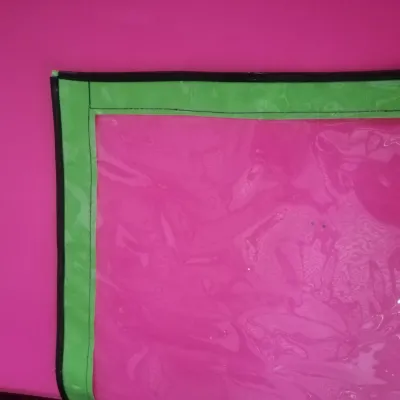
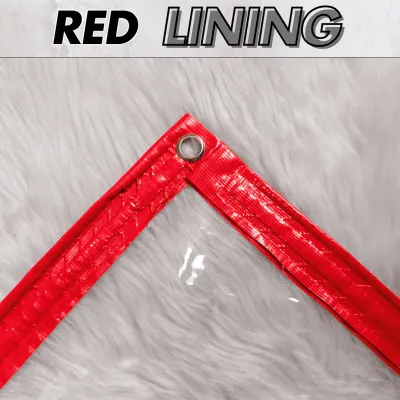
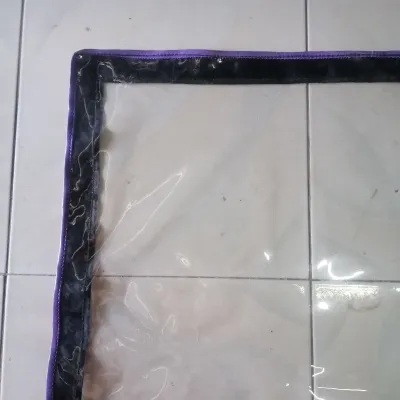
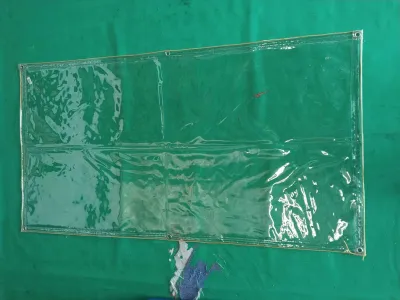
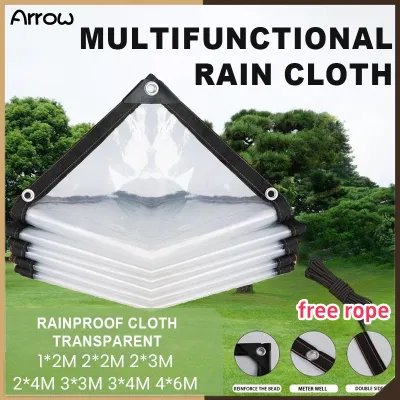
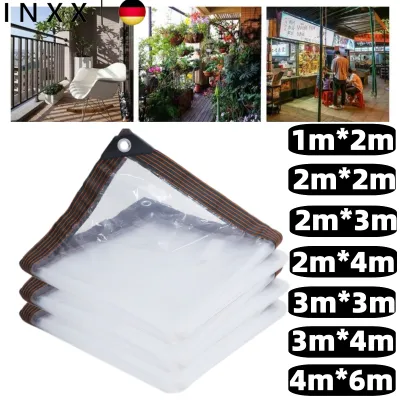
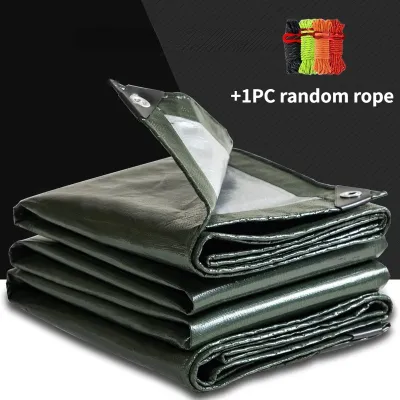
Prices are valid at publication and may change. Please refer to the product page for the latest price.
Material Waterproofing and UV Resistance
Waterproofing is the primary defense against heavy monsoon rains. When evaluating covers, look for materials with a high hydrostatic head rating, which measures the water pressure a fabric can withstand before leaking. A rating of 2000mm or higher is ideal for tropical downpours. Additionally, the outer surface should feature a silver or UV-reflective coating. Intense equatorial sunlight accelerates the degradation of plastics, rubbers, and upholstery. A reflective coating bounces sun rays away from the vehicle, preventing the sidecar’s vinyl seats from cracking, keeping the passenger cabin cool, and protecting the motorcycle’s paint from premature fading.
Heat Resistance and Safety Boundaries
Because tricycles are often parked immediately after operation, the cover will inevitably come near hot components. The engine block and exhaust pipe of a motorcycle can reach temperatures exceeding 200 degrees Celsius during operation. Standard polyester or nylon covers will melt instantly if they touch a hot exhaust, potentially damaging the chrome finish and creating a severe fire hazard. Look for covers that incorporate heat-resistant panels along the lower sections or choose designs that provide adequate clearance around the muffler. Always refer to your motorcycle manufacturer’s manual regarding exhaust safety and allow the engine to cool down before applying any cover.
Secure Fit Features
Wind is a major factor during the rainy season, especially when typhoons bring strong gusts. A loose, poorly secured cover can act like a sail, catching the wind and pulling the entire tricycle over or ripping the fabric at the seams. To prevent this, a reliable cover must feature a robust securing system. Look for double-stitched elastic bottom hems that wrap tightly around the tires, heavy-duty adjustable tie-down straps that buckle beneath the sidecar chassis, and reinforced metal grommets that allow you to lock the cover to the frame for added security and wind resistance.
Breathability
While keeping rainwater out is crucial, allowing trapped moisture to escape is equally important. High humidity levels mean that damp air can easily become trapped under a completely sealed, non-breathable cover. This trapped condensation creates a greenhouse effect, accelerating rust on the metal chassis, corroding electrical connections, and promoting the growth of mold and mildew on passenger cushions. High-quality covers feature built-in air vents or breathable fabric panels located away from direct rain entry points, allowing air to circulate while keeping the vehicle dry.
Best Types of Rain Covers for Philippine Tricycles
There is no single cover that suits every parking situation or operational need. Tricycle owners must choose between different material compositions and designs based on where they park, how often they use the vehicle, and whether they need protection while driving or during long-term storage.

Heavy-Duty PVC and Tarpaulin Covers
Heavy-duty polyvinyl chloride (PVC) and tarpaulin covers, often referred to locally as “lona,” are the most robust options available for long-term outdoor protection. These covers are constructed from thick, synthetic fabrics coated with waterproof plastic resins, making them completely impervious to water.
- Pros: These covers offer unmatched waterproofing and exceptional durability. They resist punctures, tears from sharp metal edges, and damage from falling debris or animal claws. Their heavy weight prevents them from flapping violently in moderate winds, and they provide excellent long-term protection against standing water.
- Cons: The primary drawback of PVC and tarpaulin is their weight and bulk. They are stiff, heavy to lift, and highly difficult to fold into a compact size. They take up significant storage space, making them impractical to carry on daily routes.
- Best Use Case: This type is best suited for tricycles that are parked outdoors 24/7 in exposed driveways, street sides, or terminal areas where maximum protection against the elements is the priority and the cover does not need to be packed away frequently.
Oxford Fabric with PU or Silver Coating
Oxford fabric is a woven polyester material categorized by its denier rating (such as 210D, 300D, or 600D), which indicates the thickness and strength of the individual threads. The fabric is treated with an internal polyurethane (PU) coating for water resistance and an external silver coating for UV reflection.
- Pros: Oxford fabric covers are lightweight, highly flexible, and easy to handle. They can be folded quickly into a compact storage bag, making them highly portable. The silver coating provides excellent heat reflection, keeping the vehicle cool under direct sunlight.
- Cons: While highly water-resistant, Oxford fabric can eventually saturate during prolonged, torrential downpours if the PU coating begins to wear down. Over time, the internal coating can flake off due to friction and heat, requiring periodic replacement or re-treatment with waterproofing sprays.
- Best Use Case: This option is ideal for daily commuters, active tricycle operators, and delivery riders who need to quickly cover and uncover their vehicle during short breaks or store the cover in the sidecar boot during shifts.
Custom-Fit Cabin and Sidecar Enclosures
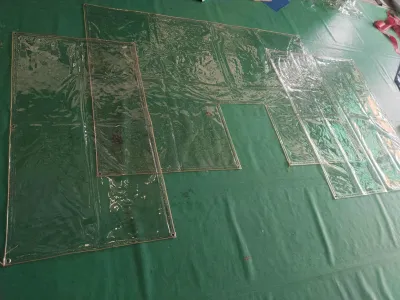
Unlike full-vehicle storage covers, custom-fit cabin and sidecar enclosures—often made of clear vinyl sheets combined with canvas—are designed to protect passengers, cargo, and the driver while the vehicle is in operation or temporarily parked at a terminal.
- Pros: These enclosures keep driving rain out of the passenger cabin and cargo box, ensuring passenger comfort and dry cargo during transit. They allow the tricycle to remain operational even during heavy downpours.
- Cons: Custom enclosures require precise fabrication by local upholstery shops to match the specific dimensions of the sidecar. The zippers, metal snaps, and velcro fasteners used in these enclosures are common failure points, prone to rusting in salty coastal air or tearing under heavy use.
- Safety Checks: When installing a cabin enclosure, driver safety must remain the top priority. Ensure that transparent vinyl windows do not warp, discolor, or obstruct the driver's line of sight, especially during night driving or heavy rain when glare is high. Verify that the enclosure does not interfere with the motorcycle's handlebars, brake levers, clutch, or foot pedals. Always check local Land Transportation Office (LTO) regulations and municipal ordinances to ensure your custom enclosure complies with road safety standards and does not exceed maximum allowable vehicle width limits.
How to Measure Your Tricycle and Sidecar for a Perfect Fit
Because passenger sidecars in the Philippines are custom-built by local welding shops, there is no single standard size for a tricycle. Dimensions vary significantly depending on whether the sidecar is designed for public transport, cargo delivery, or private family use. Therefore, relying on generic size labels like “Large” or “Extra Large” can result in a cover that is either too small to fit or dangerously loose.
To ensure a proper fit, you must take physical measurements of your specific setup using a flexible measuring tape. Follow these steps to measure the full envelope of your tricycle:
- Length: Measure from the frontmost edge of the motorcycle's front tire to the rearmost point of the setup, which is typically the back bumper of the sidecar or the rear fender of the motorcycle, whichever extends furthest.
- Width: Measure from the outermost edge of the motorcycle's handlebar or side mirror to the outermost fender, wheel hub, or step board of the sidecar.
- Height: Measure from the ground to the highest point of the entire setup. This is usually the roof of the passenger cabin, the top of the sidecar windshield, or the motorcycle's side mirrors.
Using an improperly sized cover carries distinct risks. A cover that is too tight will put immense stress on the seams, leading to premature tearing, and can scratch the paint on sharp corners during installation. Conversely, a cover that is too loose will sag, allowing rainwater to pool on flat surfaces like the cabin roof. The heavy weight of pooled water can stretch the fabric and cause leaks. Loose covers also flap violently in the wind, which acts like sandpaper against your vehicle’s finish. Always compare your physical measurements against the manufacturer’s detailed sizing chart before purchasing, and select a cover that offers a few inches of clearance on all sides.
How to Maintain Your Rain Cover in a Humid Climate
The high humidity and warm temperatures of the Philippines create an environment where mold, mildew, and rot can quickly destroy synthetic fabrics. Proper maintenance is essential to prevent foul odors, preserve the waterproof coatings, and extend the service life of your cover.
Drying Protocol
Never fold and store a wet or damp cover. Trapping moisture inside the folds of a synthetic fabric creates an ideal breeding ground for mold and mildew. This mold can transfer to the tricycle’s passenger cushions and corrode metal components. After a rainstorm, spread the cover out completely in a shaded, well-ventilated area until it is dry on both sides. Additionally, ensure the tricycle itself is dry before applying the cover; covering a wet vehicle traps moisture against the metal, accelerating rust.
Cleaning Instructions
Over time, your cover will accumulate road grime, dust, salt residue, and bird droppings. Clean the cover regularly using mild, pH-neutral soap, lukewarm water, and a soft sponge or microfiber cloth. Avoid using harsh chemical detergents, bleach, or stiff scrub brushes. These abrasive cleaning agents will strip away the waterproof polyurethane coatings and damage the UV-reflective layers. Never wash the cover in a washing machine or dry it in a commercial dryer, as the mechanical agitation can tear the fabric and destroy the seam-sealing tape.
Proper Storage
When the cover is not in use, fold it neatly and store it inside a breathable mesh or fabric storage bag. Avoid placing the folded cover in airtight plastic containers or sealed plastic bags, as any residual moisture can cause dry rot and weaken the fabric. Keep the stored cover in a cool, dry place away from direct sunlight, heat sources, and pests.
Frequently Asked Questions (FAQ)
Can I use a standard motorcycle cover for a tricycle with a sidecar?
Standard motorcycle covers are designed specifically for narrow, symmetrical two-wheeled vehicles. They do not have the necessary width or shape to accommodate the asymmetrical layout of a tricycle with an attached sidecar. Attempting to stretch a standard cover over a tricycle will leave major portions of the sidecar or the motorcycle completely exposed to the elements. Furthermore, forcing a tight fit will put excessive tension on the cover’s seams, leading to immediate tearing, and may pull the fabric dangerously close to hot engine or exhaust components.
Will the exhaust pipe melt the rain cover?
Yes, standard polyester, nylon, and PVC covers will melt instantly if they come into direct contact with a hot exhaust pipe or engine block. To prevent damage to both your cover and your motorcycle’s chrome finish, always allow the engine and muffler to cool down completely—typically for 15 to 30 minutes depending on your riding duration—before putting the cover on. If you must cover the vehicle immediately after riding, ensure you use a specialized cover equipped with built-in heat-resistant lower panels, and verify that the fabric does not rest directly against the hot exhaust components.
Community discussion
Share your experience or ask a question. Comments are reviewed before publication.