
Finding the right rain jackets for daily motorcycle commuting in the Philippines is a critical safety decision that directly affects your comfort, focus, and control on the road. A proper riding jacket must withstand intense tropical downpours while managing the extreme humidity that characterizes the local climate.
For a daily commuter navigating heavy traffic in cities like Manila or Cebu, a standard household raincoat or a cheap plastic poncho is highly impractical. You need specialized gear designed to handle high wind speeds, resist tearing, and keep you visible in low-visibility conditions. Investing in a dedicated motorcycle rain jacket ensures that you arrive at your destination safe, dry, and ready for the day, rather than soaked in rainwater or drenched in your own sweat.
Why Standard Raincoats Fail During Philippine Motorcycle Commutes
Generic raincoats and disposable plastic ponchos are designed for pedestrians walking at slow speeds, not for motorcyclists traveling at 40 to 80 kilometers per hour. When you ride, the wind pressure against your body increases exponentially. Standard raincoats lack the structural integrity to withstand this force, causing the fabric to flap violently against your arms and torso.
Products mentioned in this guide
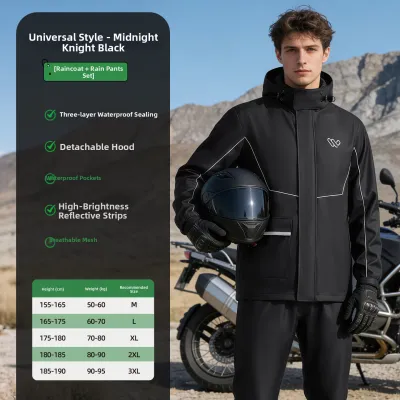
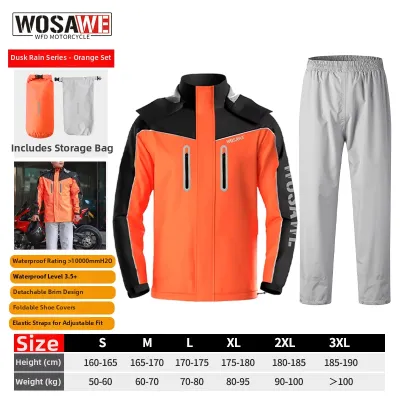
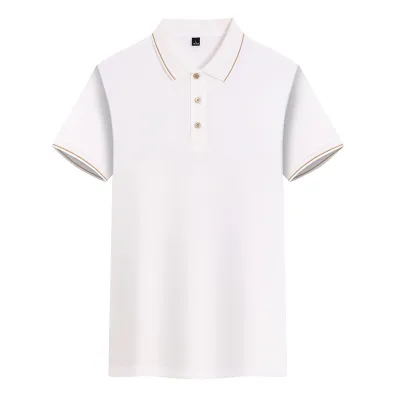

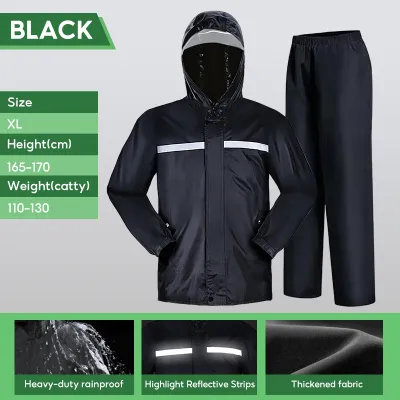
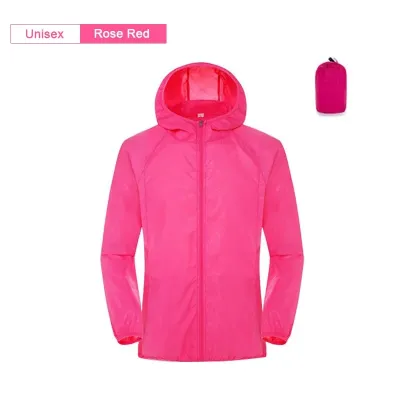
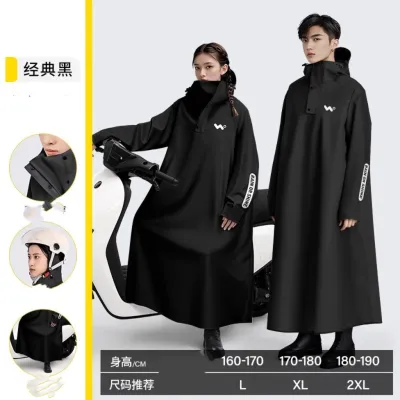
Prices are valid at publication and may change. Please refer to the product page for the latest price.
This constant flapping is not only highly distracting, but it also creates significant aerodynamic drag, which can destabilize your balance on lightweight underbone motorcycles or scooters. Over time, the intense wind pressure can easily rip cheap plastic seams apart, leaving you completely exposed to the elements.
The weather in the Philippines is characterized by high temperatures and extreme humidity, even during heavy monsoon rains. When you wear a non-breathable, sealed plastic poncho while stuck in stop-and-go traffic on EDSA or Commonwealth Avenue, your body heat becomes trapped inside the garment.
This creates a severe “sauna effect,” where you quickly become drenched from the inside out by your own sweat. The resulting discomfort leads to rapid physical fatigue, reduced concentration, and overall irritability, which are highly dangerous when navigating chaotic city traffic.
Safety is another major area where standard rainwear falls short. Generic raincoats are typically made from thin materials that offer absolutely zero abrasion resistance. If you happen to slide or fall on wet, slick asphalt, these materials will instantly shred, offering no protection for your skin.
Furthermore, loose, flapping ponchos pose a severe mechanical hazard. They can easily get caught in your motorcycle’s rear wheel, chain, or sprockets, leading to a sudden lockup and a dangerous crash.
Finally, visibility drops dramatically during heavy tropical downpours. Standard raincoats are often sold in dark, muted colors like navy blue or black, which blend directly into the grey, rain-shrouded background.
Without high-visibility colors or retroreflective elements, other motorists—especially bus and truck drivers—will struggle to see you through their rain-streaked windshields, vastly increasing the risk of a collision.
Types of Motorcycle Rain Jackets: Which Style Fits Your Ride?
Selecting the right rain gear requires understanding the different materials and designs available on the market. Motorcycle rain jackets generally fall into three distinct categories, each offering a specific balance of waterproofing, breathability, durability, and cost. Your choice should depend on your daily commute distance, your budget, and how much storage space you have on your motorcycle.

Heavy-Duty PVC and Rubberized Jackets
Heavy-duty polyvinyl chloride (PVC) and rubberized nylon jackets are the traditional workhorses of daily commuters in the Philippines. These jackets are completely impervious to water, making them incredibly reliable during prolonged, torrential downpours. They are highly durable, resistant to tearing, and generally very affordable, with prices typically ranging from ₱500 to ₱1,500.
However, the primary drawback of PVC is its complete lack of breathability. Because air cannot circulate through the material, you will experience a rapid buildup of heat and sweat during warm, humid days. Additionally, these jackets are heavy and bulky, making them difficult to pack tightly into smaller under-seat storage compartments on compact scooters.
Breathable Textile Jackets with Waterproof Membranes
Modern textile rain jackets utilize advanced synthetic fabrics, such as polyester or nylon, combined with specialized waterproof membranes. These membranes feature microscopic pores that are small enough to block external water droplets from entering, yet large enough to allow internal moisture and sweat vapor to escape. Some high-end models feature laminated outer shells, while others use removable inner waterproof liners.
These jackets are ideal for longer commutes and hotter days because they keep you dry without causing you to overheat. The main trade-off is the cost; these technical garments are significantly more expensive, often starting at ₱3,000 and reaching well over ₱10,000 for premium international brands. They also require careful, specific maintenance to prevent the delicate membranes from clogging or degrading over time.
Two-Piece Rain Suits vs. Jacket-and-Pant Combos
When preparing for wet weather, you must decide between a dedicated two-piece rain suit (where the jacket and pants are designed to work together as a unified system) or purchasing a standalone rain jacket to pair with separate waterproof pants. Dedicated two-piece suits often feature high-waisted pants and a jacket with an extended tail, creating an overlapping seal that prevents water from blowing up under the hem of the jacket at highway speeds.
In contrast, buying an independent jacket-and-pant combination offers greater versatility. If you only experience light, brief showers, you can quickly throw on just the jacket without needing to pull on the pants. Standalone jackets are also much easier to style and wear as casual windbreakers when you are off the motorcycle, making them highly practical for quick errands or short city commutes.
Must-Have Features for Wet and Humid Tropical Commutes
When shopping for a motorcycle rain jacket, you should look beyond basic water resistance. The unique challenges of riding in a tropical climate require specific design features that ensure you stay dry, cool, visible, and secure on your daily commute.
Waterproofing and Seam Construction
The quality of a rain jacket is determined by its construction rather than just its fabric. Even the most waterproof material will let water in if the seams are poorly constructed. Look for jackets that feature fully taped or heat-welded seams on the inside. This process seals the needle holes created during the stitching process, preventing water from slowly seeping through.
Additionally, pay close attention to the main zipper. A high-quality motorcycle rain jacket should feature a heavy-duty, waterproof zipper, protected by an external storm flap that secures with velcro or snap buttons. This double-barrier design prevents wind-driven rainwater from forcing its way through the zipper teeth and soaking your chest during high-speed rides.
Ventilation and Moisture Management
To combat the intense humidity of the Philippine climate, effective ventilation is absolutely essential. Look for jackets equipped with dedicated ventilation ports, such as zippered underarm vents (pit zips) or covered exhaust vents across the upper back. These openings allow hot air and sweat vapor to escape without letting rainwater inside.
An internal mesh lining is another critical feature to look for. The mesh creates a physical barrier between your skin (or your inner clothing) and the waterproof outer shell. This prevents the wet, cold fabric of the jacket from sticking uncomfortably to your arms and torso, significantly improving overall airflow and comfort during long, warm rides.
High-Visibility Elements and Reflectivity
Riding in heavy rain often means riding in low-light, grey conditions where visibility is severely compromised. To ensure your safety, choose a rain jacket that incorporates high-visibility fluorescent colors, such as neon yellow, bright lime green, or high-contrast orange. These colors stand out dramatically against dark asphalt and grey rain clouds.
For nighttime riding or dark morning commutes, retroreflective strips are vital. Ensure the jacket has wide, high-quality reflective panels or piping strategically positioned across the upper back, chest, and sleeves. These reflective elements reflect the headlights of surrounding vehicles, making your physical outline clearly visible to other drivers from all angles.
Windproof Cuffs, Collars, and Adjustability
At highway speeds, wind can easily force water into any open gaps in your gear. To prevent this, look for adjustable cuffs featuring wide velcro straps or elastic bands that seal tightly around your wrists, allowing you to tuck them securely inside or over your riding gloves.
The collar should be high enough to cover your neck fully, featuring a soft neoprene or microfiber lining to prevent chafing. An adjustable drawcord or velcro tab at the collar helps seal the gap under your helmet, preventing water from running down your neck. Finally, waist and upper-arm adjusters help keep the jacket snug against your body, preventing it from billowing and flapping in the wind.
Sizing and Fit: Ensuring Comfort Over Riding Gear
Choosing the correct size for a motorcycle rain jacket requires a different approach than buying everyday casual wear. Because a rain jacket is designed to be worn as an outer protective layer, you must ensure it can comfortably fit over your standard daily clothing, commuting backpack, or existing armored riding gear without restricting your movement.
When selecting a size, always try the jacket on while wearing your typical riding setup. If you commute with a mesh riding jacket containing shoulder, elbow, and back armor, your rain jacket must be sized up to accommodate this extra bulk. Some motorcycle-specific rain jackets are pre-cut slightly larger to account for this, but it is always best to verify the manufacturer’s sizing chart.
If you wear a backpack on your daily commute, look for rain jackets that feature expandable back panels designed specifically to cover a backpack, or size up sufficiently to ensure the jacket can zip comfortably over your bag without putting excessive tension on the seams or zippers.
Once the jacket is on, sit on your motorcycle to check the fit. Ensure the sleeves are long enough to cover your wrists completely when your hands are extended forward to grip the handlebars. The back hem of the jacket should have a drop tail design, meaning it is cut longer in the rear to cover your lower back and prevent rainwater from exposing your waist when you lean forward.
Finally, test your full range of motion. You must be able to turn your head completely from side to side for shoulder checks, raise your arms comfortably to reach the controls, and bend your elbows without feeling any tightness or restriction across your shoulders. A jacket that is too tight will restrict your reaction time on the road, while a jacket that is too loose will billow excessively at speed, causing fatigue and safety hazards.
Maintaining Your Rain Jacket in a High-Humidity Climate
The hot, humid environment of the Philippines is a breeding ground for mold, mildew, and bacteria, which can quickly ruin high-quality rain gear if it is not cared for properly. Proper maintenance not only prevents unpleasant odors but also extends the lifespan of the waterproof coatings and materials.
After every wet ride, never fold your wet rain jacket and stuff it directly into your motorcycle’s under-seat compartment or a closed closet. Doing so traps moisture, leading to rapid mildew growth and a persistent sour smell. Instead, hang the jacket on a thick, wide hanger in a well-ventilated indoor area or a shaded outdoor spot.
Allow it to air-dry completely inside and out before storing it. Avoid hanging your jacket in direct, harsh sunlight for extended periods, as intense ultraviolet (UV) rays can dry out and degrade PVC, polyurethane coatings, and synthetic fabrics, causing them to crack and peel.
To clean off road grime, mud, oil splatter, and exhaust residue, hand-wash your jacket using lukewarm water, a mild soap, and a soft cloth or sponge. Avoid using harsh household detergents, bleach, or fabric softeners, as these chemicals can strip away the durable water repellent (DWR) coating on textile jackets or damage the waterproof membrane.
Never put your motorcycle rain jacket into a washing machine or tumble dryer unless the manufacturer’s care label explicitly states it is safe to do so. The aggressive spinning and high heat can delaminate waterproof linings and tear taped seams.
Over time, you may notice that rainwater stops beading on the outer surface of your textile jacket and instead begins to soak into the outer fabric layer. When this occurs, check the manufacturer’s care instructions to see if you can reapply a commercial spray-on DWR treatment. Applying a fresh coat of water repellent to a clean, dry jacket will restore its ability to shed water, keeping the fabric lightweight and breathable.
Frequently Asked Questions (FAQ)
Can I use a regular hiking rain jacket for motorcycle commuting?
While a high-quality hiking rain jacket offers excellent waterproofing and breathability, it is not designed to withstand the unique demands of motorcycle riding. Hiking jackets are constructed from lightweight materials that lack the abrasion resistance needed to protect you in a slide. Furthermore, they are not designed to handle high-speed wind pressure, which can cause the fabric to flap violently, wear out prematurely, or rip at the seams. They also lack the specific riding-posture cut, meaning the sleeves and back hem may ride up, exposing you to wind and rain.
How do I stop my rain jacket from smelling like mildew?
To prevent mildew and sour odors, never store your rain jacket while it is damp. Always hang it up to air-dry completely in a well-ventilated, shaded area immediately after your ride. If your jacket has already developed a mildew smell, hand-wash it gently using lukewarm water and a specialized gear cleaner or a mild, unscented soap. You can also use a mixture of water and a small amount of white vinegar to neutralize odors, followed by a thorough rinse. Avoid using strong chemical deodorizers or fabric softeners, which can damage the waterproof coatings.
Should I buy a rain jacket with built-in armor?
Most dedicated, packable rain jackets do not include built-in impact armor because they are designed to be worn as lightweight outer shells over your existing protective riding gear. For the best combination of safety and weather protection, it is highly recommended to wear a dedicated, armored mesh riding jacket as your primary safety layer, and then slip a high-visibility, waterproof rain jacket over it when it begins to rain. This layered approach ensures you remain fully protected against both physical impacts and wet weather without overheating.
Community discussion
Share your experience or ask a question. Comments are reviewed before publication.