
Selecting the right rear wiper blade for your Mitsubishi Mirage Hatchback is essential for maintaining clear rearward visibility, especially during heavy downpours. The ideal rear wiper brand depends on your specific driving priorities: whether you value a guaranteed original equipment manufacturer (OEM) fit, advanced synthetic rubber durability, or a budget-friendly replacement. While premium aftermarket brands often feature superior rubber compounds designed to withstand harsh weather, OEM-style direct-fit blades ensure the correct arm connection and sweep angle for the Mirage’s curved rear glass. Before purchasing any replacement, verifying your vehicle’s exact rear wiper specifications in your owner’s manual is the mandatory first step.
How to Verify the Exact Rear Wiper Size and Mount for Your Mirage
Physical compatibility is the most critical factor when shopping for a rear wiper blade. Unlike front windshield wipers, which typically feature standard hook mounts and longer blades, rear wipers on hatchbacks are highly specialized. For the Mitsubishi Mirage Hatchback, the standard rear wiper blade length is typically 12 inches (300 mm). However, exact specifications can vary depending on the model year, facelift versions, or regional assembly variations. Measuring the existing blade from tip to tip with a tape measure is a reliable way to confirm the length before ordering.
Identifying the rear wiper arm’s mounting mechanism is equally important. The Mirage Hatchback does not use the common U-hook or J-hook connector found on most front wiper arms. Instead, it utilizes a specialized plastic snap-in connector, often classified as a Roc Lock or a specific proprietary plastic clip. Trying to force a standard front wiper blade or an incompatible universal adapter onto this arm can damage the plastic connector, bend the metal arm, or prevent the blade from making contact with the glass.
Products mentioned in this guide
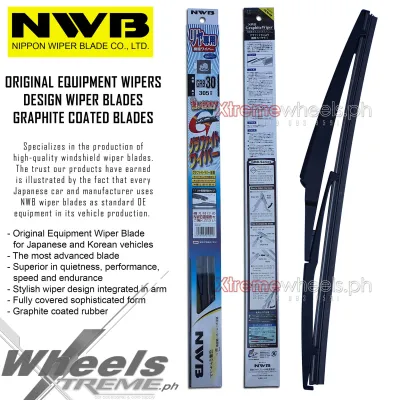
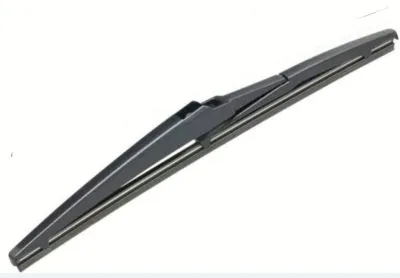
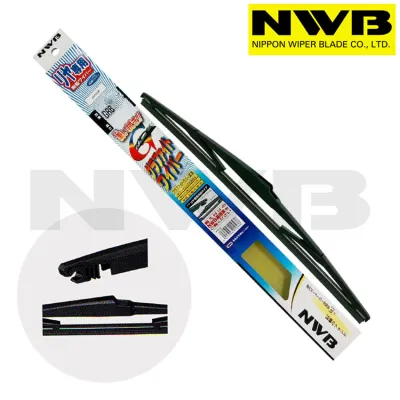
![[Rear] Wiper Blade Mitsubishi Mirage Hatchback](https://img.lazcdn.com/g/p/26681e9a015d62c771536345a7cf9a84.jpg_400x400q80.jpg_.webp)
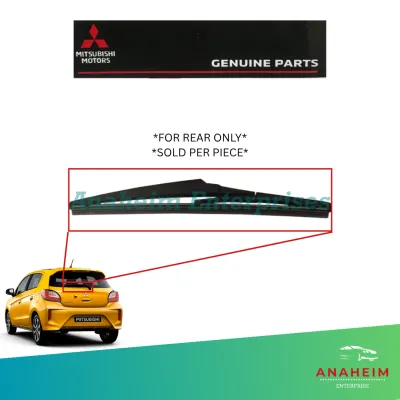
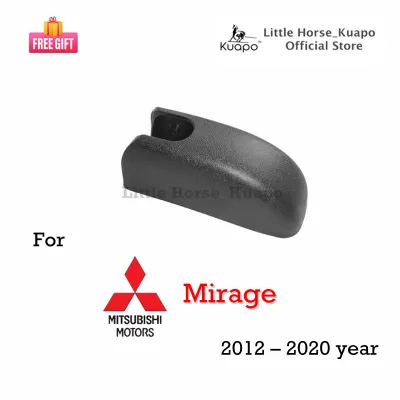
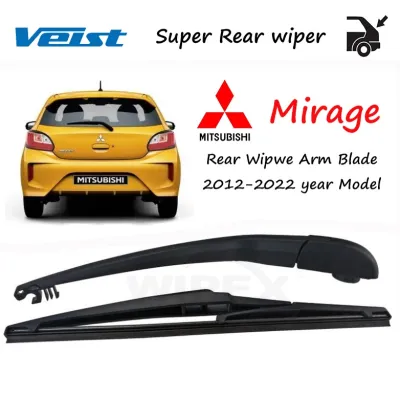
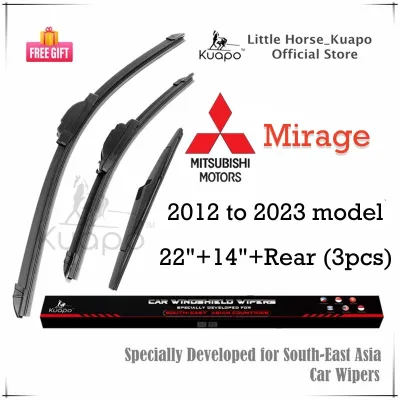
Prices are valid at publication and may change. Please refer to the product page for the latest price.
Never rely on visual estimation or generic “hatchback” labels on product packaging. A blade that is even an inch too long can strike the rear spoiler or the lower trunk trim, causing physical damage to the vehicle. Conversely, a blade that is too short will reduce your field of view and fail to clear the area covered by the rear-view camera or mirror. Incorrect physical fitment also places unnecessary mechanical strain on the rear wiper motor, which can lead to premature motor failure and costly repairs.
Comparing Rear Wiper Blade Categories for the Mirage Hatchback
To make an informed decision, it is helpful to understand how rear wiper blades are categorized. The market is generally divided into three segments: OEM-style direct-fit replacements, premium aftermarket upgrades, and standard budget-friendly options. Each category offers distinct trade-offs in terms of installation ease, material durability, and overall cost.

OEM-Style Direct Fit Replacements
OEM-style direct-fit blades are designed to replicate the exact specifications of the wiper blade that came with your Mirage from the factory. These blades are often manufactured by original equipment suppliers such as NWB (Nippon Wiper Blade) or Denso, or sold directly through authorized dealership parts departments. The primary advantage of choosing an OEM-style replacement is guaranteed compatibility. The blade clicks directly into the rear wiper arm without the need for multi-part plastic adapters, ensuring a clean, low-profile look that matches the vehicle’s original aesthetics.
In terms of performance, OEM-style blades provide the precise tension and curvature required to match the glass profile of the Mirage Hatchback. This ensures even pressure across the entire sweep, preventing missed spots. However, because many standard OEM-style blades utilize traditional natural rubber compounds, they may degrade more rapidly when exposed to continuous, intense ultraviolet (UV) radiation and high ambient temperatures compared to high-end synthetic alternatives.
Premium Aftermarket Upgrades
Premium aftermarket upgrades focus on advanced materials and enhanced durability. Renowned manufacturers like Bosch (with their specialized rear wiper lines) and PIAA offer premium options constructed from synthetic rubber, silicone, or graphite-coated compounds. Silicone wiper blades, for example, are highly resistant to heat degradation and leave a microscopic water-repellent coating on the glass with every sweep, causing rainwater to bead up and disperse quickly.
While these premium materials offer a significantly longer service life and quieter operation, they require careful installation verification. Many premium aftermarket blades are sold with universal adapter kits designed to fit multiple vehicle makes and models. Before purchasing, you must cross-reference the product packaging or the manufacturer’s official application guide to confirm that the kit includes the specific plastic connector required for the Mirage Hatchback’s rear arm. Using an ill-fitting adapter can cause the blade to wobble or detach during operation.
Standard Budget-Friendly Options
Standard budget-friendly options are widely available at local automotive supply shops and online marketplaces. These entry-level blades prioritize low upfront cost, often using basic natural rubber compounds and simpler plastic frames. They serve as an accessible option for drivers who need an immediate replacement or those who prefer to swap out their wiper blades at very frequent intervals.
However, budget-friendly options carry notable performance trade-offs. The lower-grade rubber compounds used in these blades tend to harden and lose flexibility quickly when exposed to heat and environmental contaminants. As the rubber stiffens, the blade may begin to chatter, squeak, or leave wide streaks across the rear window. If you choose a budget option, prepare to inspect and replace the blade more frequently to maintain safe rearward visibility.
Evaluating Wiper Performance for Philippine Weather Conditions
Driving in the Philippines presents unique environmental challenges that directly impact the lifespan and performance of your rear wiper blade. The local climate is characterized by extreme seasonal shifts, transitioning from intense tropical heat to torrential monsoon rains. Understanding how these conditions affect wiper materials will help you select a blade that performs reliably when you need it most.
During the wet season, heavy monsoon rains (Habagat) and tropical depressions can severely limit road visibility. A hatchback’s rear window is highly susceptible to water pooling because the vehicle’s flat rear profile creates a low-pressure aerodynamic wake while driving. This vacuum effect actively pulls road spray, fine mud, and exhaust soot onto the rear glass. Your rear wiper must be capable of maintaining consistent, firm pressure across the curved glass to sweep away this thick, dirty mixture instantly without smearing.
Conversely, the dry season subjects vehicles to intense tropical sunlight and high UV indexes. When a car is parked outdoors in urban areas like Metro Manila or exposed coastal regions, the rear windshield can reach temperatures high enough to bake standard natural rubber. This extreme heat causes the rubber lip of the wiper blade to dry out, lose its flexibility, and develop microscopic cracks. Once the rubber hardens, it can no longer conform to the curvature of the glass, resulting in poor wiping performance and annoying chattering sounds.
In addition to heat and rain, road dust, volcanic ash, and industrial fallout are common in many parts of the Philippines. These airborne particulates settle on the rear window and accumulate along the edge of the wiper blade. When the rear wiper is activated, this abrasive layer acts like fine sandpaper, wearing down the delicate wiping edge. To prolong the life of your blade in these conditions, look for options featuring graphite coatings or robust synthetic compounds that offer higher resistance to physical abrasion.
Decision Framework: Which Rear Wiper Should You Buy?
To determine the best rear wiper blade for your Mitsubishi Mirage Hatchback, evaluate your driving habits, parking conditions, and maintenance preferences against the following conditional framework:
- Choose OEM-Style Direct Fit Replacements if: You prefer a straightforward, tool-free installation without dealing with universal plastic adapters. This is the ideal choice if you want to maintain the factory-original look of your Mirage, park mostly in covered or shaded areas, and are comfortable replacing the blade at standard annual service intervals.
- Choose Premium Aftermarket Upgrades if: Your vehicle is frequently parked outdoors under direct sunlight, you regularly drive long distances during the monsoon season, and you want a highly durable blade. The advanced silicone or graphite-coated rubber in premium blades provides superior resistance to UV cracking, operates quietly, and delivers a cleaner sweep over a longer lifespan.
- Choose Standard Budget-Friendly Options if: You are on a strict vehicle maintenance budget, your rear wiper is used only occasionally, or you park in a temperature-controlled garage. This option works well if you do not mind inspecting the blade regularly and replacing it at the first sign of rubber degradation or streaking.
Regardless of the category you select, always double-check that the product packaging explicitly lists compatibility with the Mitsubishi Mirage Hatchback (typically a 12-inch blade with the correct rear-arm connector) before completing your purchase.
Safe Installation and Maintenance Tips for Rear Wipers
Replacing a rear wiper blade is a straightforward task that you can perform at home. However, it requires care to avoid damaging the vehicle’s glass or wiper mechanism. Follow these general, reversible steps to safely install your new rear wiper blade:
- Protect the Glass: Before touching the wiper arm, place a thick, folded towel or a piece of heavy cardboard flat against the rear windshield directly under the wiper path. This is a crucial safety measure. If the bare metal wiper arm accidentally snaps back while the blade is removed, the tension spring can slam the arm onto the glass with enough force to shatter the rear window.
- Lift the Arm: Gently lift the rear wiper arm away from the glass until it locks into its raised position. If the arm resists or does not lock upright, do not force it; refer to your owner's manual for specific instructions.
- Release the Old Blade: Locate the small plastic release tab or locking clip where the blade meets the arm. Depress or slide the tab according to its design, then gently slide or pull the old blade out of the connector. Keep a firm grip on the arm so it does not snap down.
- Attach the New Blade: Align the adapter on the new wiper blade with the connector on the wiper arm. Push the blade into place until you hear or feel a distinct click, indicating that the locking mechanism has fully engaged. Gently wiggle the blade to verify it is secure.
- Lower the Arm: Carefully lower the wiper arm back down onto the protected glass, then remove the towel or cardboard.
If the plastic release mechanism on your old blade feels brittle, stiff, or unfamiliar, consult your vehicle’s manual. If you feel any resistance, or if the wiper arm feels loose at its pivot point, stop immediately and seek assistance from a qualified automotive technician.
To maximize the lifespan of your new rear wiper blade, incorporate simple maintenance habits into your car care routine. Periodically wipe the rubber element with a clean, damp microfiber cloth to remove accumulated road grime, soot, and dust. Avoid using harsh chemical solvents, gasoline, or wax-based glass cleaners on the rear window, as these substances can chemically degrade the rubber compound and cause severe wiper chattering.
Frequently Asked Questions (FAQ)
Can I use a standard front wiper blade on the rear window?
No, you cannot use a standard front wiper blade on the rear window of a Mitsubishi Mirage Hatchback. Front wiper blades are significantly longer and designed for different aerodynamic forces. More importantly, front blades almost exclusively use universal J-hook or multi-clip connectors that are physically incompatible with the specialized, compact plastic mount on the rear wiper arm. Attempting to force a front wiper blade onto the rear arm can damage the mounting bracket, scratch the rear glass, or overload the rear wiper motor.
Why is my rear wiper leaving streaks even after replacing the blade?
If a newly installed rear wiper blade leaves streaks, the issue is typically caused by environmental contamination on the glass rather than a faulty blade. Road grime, wax residue from car washes, and tree sap can form a transparent, oily film on the rear window that prevents the rubber from making clean contact. Thoroughly clean the rear glass using a dedicated automotive glass cleaner and a clean microfiber towel. If streaking persists, inspect the rear wiper arm itself; a bent arm or a weakened tension spring can prevent the arm from applying even pressure across the curved glass.
Community discussion
Share your experience or ask a question. Comments are reviewed before publication.