
Night riding in the Philippines presents a unique set of challenges that can compromise even the most experienced rider’s safety. Provincial highways, such as portions of the Maharlika Highway or McArthur Highway, frequently lack functional street lighting, leaving vast stretches of road in near-total darkness. Motorcyclists must navigate these poorly illuminated routes while sharing the road with unlit tricycles, slow-moving agricultural machinery, pedestrians, and sudden road hazards like deep potholes or loose gravel. Additionally, the glare from oncoming high-beam headlights from larger vehicles can temporarily blind drivers, making it exceptionally difficult for them to spot a dark-clad motorcyclist in their peripheral vision.
To mitigate these hazards, understanding the science of retroreflection is essential. Unlike standard bright fabrics that simply scatter light in all directions, retroreflective materials are engineered with thousands of microscopic glass beads or microprisms. When a vehicle’s headlights strike these specialized elements, the light is refracted and sent directly back toward the light source—which, in this case, is the driver’s eyes. This optical feedback loop creates a highly visible, glowing silhouette of the rider from hundreds of meters away, giving other motorists ample time to react, slow down, or maintain a safe passing distance.
Selecting a high-quality motorcycle vest jacket for men is not merely a styling choice or a minor accessory; it is a critical piece of active safety gear. Whether you are navigating the congested, high-traffic corridors of Metro Manila during a late-night commute or embarking on a long-distance weekend tour through provincial routes, high-visibility gear acts as your primary line of defense. By maximizing your visual footprint, you significantly reduce the risk of SMIDSY (“Sorry Mate, I Didn’t See You”) accidents, making high-visibility gear a fundamental component of your riding kit.
Products mentioned in this guide
Prices are valid at publication and may change. Please refer to the product page for the latest price.
Key Features to Look for in a Reflective Motorcycle Vest Jacket for Men
Choosing the right high-visibility gear requires a careful evaluation of specific design features to ensure it provides maximum protection, comfort, and durability under local riding conditions.
Reflective Material Quality and Placement
When evaluating a reflective vest, you must look beyond aesthetic designs and focus on true 360-degree visibility. High-quality vests feature wide, continuous reflective strips positioned strategically across the chest, upper back, and shoulders. This specific placement ensures that you remain visible from all angles, whether you are leaning into a turn, stopped at an intersection, or riding straight ahead.
The base color of the vest also plays a crucial role in your overall visibility. While retroreflective strips are critical for total darkness, fluorescent base colors like neon yellow, lime green, or vibrant orange are essential for transitional lighting periods such as dawn, dusk, and overcast days. These fluorescent pigments absorb invisible ultraviolet light from the sun and re-emit it as visible light, making the vest appear exceptionally bright. When shopping, look for product labels that reference recognized high-visibility standards, such as EN ISO 20471, which specify the minimum surface area and performance of reflective materials.
Climate Adaptability: Breathability vs. Weather Resistance
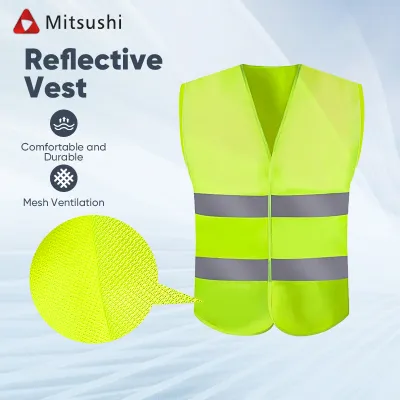
The tropical climate of the Philippines, characterized by high temperatures and intense humidity, demands gear that can adapt to rapid environmental changes. During hot, humid nights in urban areas, wearing a heavy, non-breathable vest can lead to rapid heat buildup and physical discomfort. This discomfort can cause rider fatigue, which directly impairs your concentration and reaction times on the road. Vests constructed with large mesh panels are highly recommended for these conditions, as they allow continuous airflow to keep your core temperature stable.
Conversely, the Philippine monsoon season brings sudden, heavy downpours that can saturate your gear in seconds. Riding in wet clothing not only causes discomfort but also lowers your body temperature, leading to shivering and reduced motor control. To combat this, consider keeping a waterproof high-visibility over-vest in your top box or under-seat compartment. These vests feature waterproof membranes and sealed seams to keep you dry while maintaining high visibility through the heavy spray and mist of a tropical storm. Balancing breathability and weather resistance involves assessing your typical riding routes and carrying the appropriate gear for the season.
Fit, Adjustability, and Layering
A proper, secure fit is essential for both safety and comfort at highway speeds. A vest that is too loose will flap violently in the wind, which not only creates distracting noise but also accelerates the wear and tear on the fabric and seams. Over time, this constant flapping can cause the reflective strips to crack or peel away. Look for vests equipped with adjustable side straps, elasticized side panels, or robust hook-and-loop closures that allow you to customize the fit to your body shape.
Additionally, you must consider how the vest will integrate with your existing riding wardrobe. A versatile reflective vest should fit comfortably over your primary protective gear, whether you are wearing a lightweight mesh jacket, a heavy-duty armored touring jacket, or a simple casual hoodie for short trips. When trying on a vest, ensure it does not restrict your arm or shoulder movement, allowing you to reach the handlebars comfortably and perform emergency maneuvers without resistance.
Recommended Vest and Jacket Types for Different Riding Needs
Different riding scenarios require different styles of high-visibility gear. Understanding the strengths and limitations of each type will help you select the best option for your specific daily habits.

Lightweight Mesh Vests for Urban Commuting
For daily commuters navigating the dense, slow-moving traffic of cities like Manila, Cebu, or Davao, lightweight mesh vests are an outstanding option. These vests are constructed primarily from high-tensile polyester mesh, which provides maximum ventilation and keeps you cool even during prolonged stops in heavy traffic. They are incredibly lightweight, highly packable, and can be easily rolled up and stored in a small backpack, tank bag, or under-seat compartment when not in use.
However, mesh vests have clear limitations. They offer virtually no protection against cold winds, making them less suitable for late-night rides in cooler highland regions like Baguio, Tagaytay, or the Marilaque Highway. They also provide no water resistance, meaning you will quickly become soaked during a sudden downpour. These vests are best utilized as a highly visible, cost-effective outer layer designed to be worn over your standard daily clothing or existing non-reflective protective jackets.
Armored or Touring Jackets with Reflective Accents
If your riding consists of long-distance touring, high-speed highway cruising, or frequent night travel along provincial routes, an armored jacket with integrated reflective accents is the most comprehensive solution. These jackets are engineered from heavy-duty, abrasion-resistant materials such as 600D polyester or Cordura, and they feature built-in impact protectors (CE-rated armor) at the shoulders, elbows, and back. High-visibility panels and reflective piping are sewn directly into the jacket’s outer shell, providing a seamless combination of physical protection and night visibility.
The primary trade-off with armored jackets is their weight and thermal performance. Even with ventilation zippers, these jackets can feel warm and bulky during slow-speed city riding under the tropical sun. They are also significantly more expensive than simple reflective vests, with prices typically ranging from ₱3,000 to over ₱8,000 depending on the brand and level of protection. However, for riders who prioritize maximum impact protection alongside high visibility, an all-in-one armored jacket is an invaluable investment.
Waterproof High-Visibility Rain Over-Vests
Riding during the wet season in the Philippines requires specialized gear that can handle torrential rains while keeping you visible to other motorists. A waterproof high-visibility rain over-vest is specifically designed for these harsh conditions. These vests are constructed from waterproof materials like polyurethane-coated polyester or heavy-duty PVC, featuring fully taped seams and waterproof zippers to prevent water intrusion.
Because heavy rain drastically reduces driver visibility, these over-vests are equipped with extra-large, highly reflective strips across the chest and back to pierce through the gloom and road spray. When purchasing a rain over-vest, it is critical to pay close attention to sizing. You will generally need to select a size larger than your standard jacket size to ensure the over-vest can comfortably fit over your primary riding jacket, protective armor, or even a small backpack. This ensures you remain dry, comfortable, and highly visible throughout your journey.
Smart Shopping: Verifying Quality on E-Commerce Platforms
Purchasing riding gear online offers convenience and access to a wide variety of styles, but it also requires a discerning eye to avoid low-quality or counterfeit products. When browsing online marketplaces or specialized ecommerce platforms, start by carefully reading the technical specifications in the product description. Look for details regarding material composition, such as “polyurethane-coated polyester,” “3D spacer mesh,” or “retroreflective micro-prismatic tape.” Avoid listings that rely on vague, generic descriptions or fail to specify the materials used.
User reviews are an invaluable resource for verifying the real-world performance of a reflective vest. Look specifically for reviews that include night-time photos or videos taken with a smartphone camera flash. This simple visual check will immediately reveal whether the reflective strips actively bounce light back or if they are merely dull, non-reflective gray fabric. Additionally, read the text reviews to gather feedback on zipper durability, stitching quality, and sizing accuracy, as Asian sizing can often run smaller than Western standards.
Be highly cautious of unbranded or suspiciously cheap gear. Vests priced extremely low (such as under ₱150) often use cheap silver paint instead of genuine retroreflective materials. This paint may look reflective under bright indoor lights, but it fails to perform under vehicle headlights and will quickly crack, flake, or wash away after a single cleaning cycle. To ensure you are buying a genuine, durable product, prioritize purchasing from official brand stores, authorized local distributors, or reputable online marketplaces that offer clear return policies and buyer protection.
Cleaning and Maintaining Reflective Performance
To ensure your high-visibility gear continues to provide maximum protection, proper care and maintenance are essential. Over time, road grime, engine exhaust, dust, and sweat can accumulate on the reflective strips, clogging the microscopic glass beads or prisms and significantly reducing their reflectivity. Always check the manufacturer’s care label on your specific vest before cleaning, as care instructions can vary based on materials.
As a general rule, hand washing is the safest and most effective method for cleaning reflective gear. Fill a basin with cool or lukewarm water and add a small amount of mild, neutral liquid detergent. Gently wipe down the fabric and the reflective strips using a soft microfiber cloth or a soft-bristled brush. Avoid using harsh chemical cleaners, bleach, or fabric softeners. Fabric softeners leave a thin chemical residue over the fabric, which can permanently dull the retroreflective properties of the strips and degrade the fluorescent dyes.
Once cleaned, rinse the vest thoroughly with clean water to remove all soap residue. Gently squeeze out excess water without wringing or twisting the fabric, as this mechanical stress can cause the reflective heat-transfer films to crack or delaminate from the base material. Hang the vest to air dry in a shaded, well-ventilated area. Avoid exposing the wet vest to direct, intense sunlight for extended periods, as prolonged UV exposure can accelerate the fading of fluorescent colors and weaken the adhesive backing of the reflective elements. Never tumble dry or iron your reflective vest, as high heat will melt or permanently distort the micro-prisms.
Frequently Asked Questions (FAQ)
Is a neon vest better than a black vest with reflective strips?
Neon and fluorescent colors (such as high-visibility yellow, green, or orange) rely on natural ultraviolet light to appear exceptionally bright, making them highly effective during daytime and transitional hours like dawn and dusk. However, once night falls and there is no ambient UV light, neon fabrics lose their glow and appear dark. At night, retroreflective strips are the only elements that actively bounce headlight beams back to drivers. Therefore, while a neon vest with reflective strips offers the best 24-hour protection, a black vest with high-quality, strategically placed reflective strips is still highly effective for pure night riding.
Do reflective vests expire or lose effectiveness over time?
Yes, reflective materials do degrade and lose their effectiveness over time. Continuous exposure to road dirt, engine exhaust, UV radiation, rain, and physical friction will gradually wear down the micro-prisms or glass beads embedded in the reflective strips. If you notice that the reflective elements are beginning to crack, peel, fade, or no longer glow brightly when hit by a flashlight in a dark room, it is time to replace the vest. For daily commuters, it is recommended to inspect your gear every six months to ensure it still meets safety standards.
Community discussion
Share your experience or ask a question. Comments are reviewed before publication.