
Navigating Philippine roads on a bicycle after sunset requires a multi-layered approach to personal safety. While active lighting like headlights and taillights is essential, a high-quality reflective shoulder vest serves as your primary defense by defining your physical presence to motorists from a distance. In the chaotic flow of evening traffic, a dedicated shoulder vest ensures that you do not blend into the background of neon signs, streetlights, and oncoming headlights.
Choosing the right gear involves balancing visibility, climate-appropriate materials, and a secure fit. The ideal safety vest for the Philippines must withstand intense tropical humidity, sudden downpours, and the physical demands of active pedaling. By selecting a vest that offers certified retroreflective performance, maximum airflow, and an adjustable, non-flapping cut, you can significantly reduce your risks and enjoy safer, more confident night rides.
Why Reflective Gear Matters on Philippine Roads at Night
Night cycling in the Philippines presents a unique set of structural and environmental challenges. Many urban centers and provincial highways suffer from inconsistent or entirely absent street lighting. Even on major thoroughfares in Metro Manila, Metro Cebu, or Davao, riders must navigate a complex mix of traffic. This includes fast-moving private vehicles, large commercial trucks, public utility jeepneys making sudden stops, and tricycles operating with dim or non-existent tail lamps.
Products mentioned in this guide
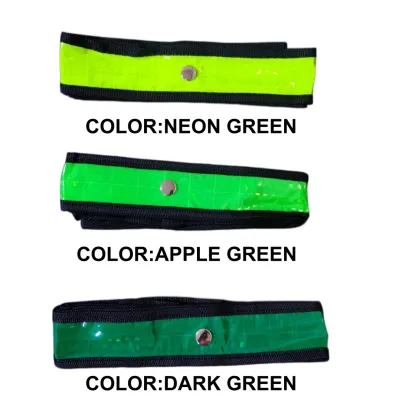
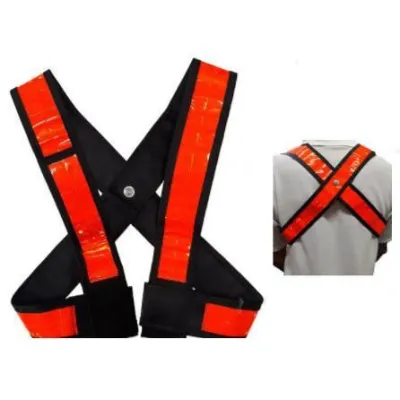
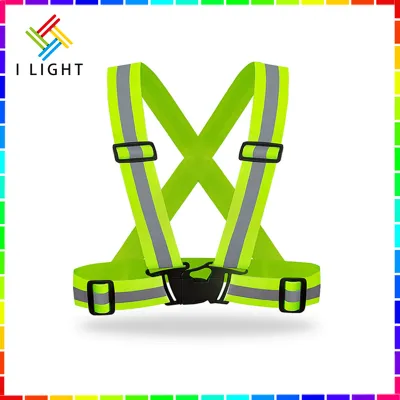
Prices are valid at publication and may change. Please refer to the product page for the latest price.
Sudden weather shifts, such as torrential downpours during the monsoon season, can instantly reduce motorist visibility to near zero. In these conditions, active bicycle lights can easily be obscured by road spray, dirt, or the glare of water accumulating on windshields. Passive visibility gear, specifically a highly reflective shoulder vest, acts as a critical fail-safe. While a flashing LED light indicates that an object is on the road, a reflective vest outlines the human shape, allowing drivers to recognize a cyclist instantly and adjust their driving path accordingly.
The height at which reflective material is worn plays a decisive role in how quickly a motorist can react. Reflective elements positioned around the shoulders and upper torso sit directly within the natural eye line of drivers in both low-slung sedans and elevated utility vehicles. When a vehicle’s headlights sweep across a dark road, the upper body is often the first part of a cyclist to catch the light beam. This elevated positioning is particularly advantageous when riding behind large vehicles or navigating undulating roads where lower-mounted reflectors on pedals or wheels might be temporarily obstructed.
What Makes a Good Reflective Shoulder Vest for Tropical Riding
Selecting the right reflective gear requires balancing visibility requirements with the realities of riding in a warm climate. A poorly chosen vest can quickly become a major source of discomfort, leading to heat exhaustion or restricted movement.

Reflectivity and 360-Degree Visibility
To evaluate a shoulder vest, you must understand the distinction between fluorescent fabrics and retroreflective materials. Fluorescent colors, such as high-visibility yellow, orange, or pink, excel during daytime and twilight by converting invisible ultraviolet light into visible light. However, they lose their effectiveness entirely once complete darkness sets in. For nighttime safety, you must rely on retroreflective materials. These specialized surfaces contain thousands of microscopic glass beads or micro-prisms that bounce light directly back to its source—the oncoming vehicle’s headlights—with minimal scattering.
True 360-degree visibility is non-negotiable for urban cycling. Your chosen vest must feature continuous reflective bands that cover the front, back, and sides of your shoulders. This ensures that you remain visible when crossing intersections, changing lanes, or when motorists approach you from oblique angles.
When purchasing a vest, use this practical checklist to evaluate its reflective properties:
- Strip Width: Ensure the retroreflective strips are at least 50 millimeters (2 inches) wide to provide a sufficient surface area for light return.
- Contrast Backing: Look for reflective strips mounted on a dark or highly contrasting fluorescent background, which enhances visual definition.
- Material Certification: Check if the manufacturer references international standards such as EN ISO 20471, which guarantees specific levels of photometric performance.
- Seam Quality: Inspect the stitching along the edges of the reflective tape; loose threads can lead to the material peeling away after a few washes.
Breathability and Moisture Management
The tropical climate of the Philippines, characterized by high temperatures and relative humidity levels often exceeding 80 percent, demands gear that facilitates heat dissipation. Standard solid-material safety vests, such as those designed for construction workers or traffic officers, are typically made of dense, non-breathable polyester. Wearing these during active cycling traps body heat and sweat, creating a greenhouse effect that can rapidly lead to dehydration and physical fatigue.
For active riding, prioritize vests featuring an open-mesh construction. This design allows air to flow freely through the fabric, cooling your skin as you move. Look for lightweight mesh fabrics with moisture-wicking bindings that draw sweat away from your collarbones and underarms, preventing painful chafing.
When reading product specifications on online marketplaces or packaging, look for terms like “3D spacer mesh,” “micro-mesh,” or “ventilation zones.” Avoid any product that does not explicitly mention airflow or breathability, as solid fabrics will inevitably prove too hot for local riding conditions.
Adjustability and Cycling-Specific Fit
A cycling vest must accommodate a wide range of riding positions and clothing choices. Whether you are wearing a thin, aerodynamic cycling jersey on a dry evening or a lightweight rain jacket during a sudden downpour, your vest must fit securely. Look for vests equipped with adjustable side straps, heavy-duty Velcro closures, or elastic tensioners that allow you to customize the fit on the fly.
The cut of the vest should be optimized for a forward-leaning cycling posture. Standard utility vests are often cut straight and long, which causes them to bunch up at the stomach and chest when you bend forward to reach your handlebars. A cycling-specific cut is typically shorter in the front to prevent bunching and slightly longer in the back to maintain coverage over your lower spine.
An overly loose vest is a serious safety hazard. High winds or high-speed riding can cause loose fabric to flap loudly, which is both distracting and aerodynamically inefficient. More importantly, loose straps or excess material can easily snag on your bicycle saddle when you stand up to climb, or catch on your handlebars during tight turns, potentially leading to a loss of control.
Recommended Types of Reflective Vests and Harnesses for Cyclists
Understanding the different styles of reflective gear allows you to match your purchase to your specific riding habits, budget, and comfort preferences.
High-Visibility Mesh Safety Vests
These are full-coverage garments made of lightweight, breathable mesh fabric, typically featuring wide horizontal and vertical retroreflective bands across the torso and shoulders.
- Pros: They offer the largest surface area of high-visibility color and reflective material, making them exceptionally effective in both daytime and nighttime conditions. They are easy to slip on over any clothing and are highly affordable, with budget-friendly options widely available under ₱300.
- Cons: They can feel somewhat bulky, especially for high-speed road cycling. The full-back coverage can block access to the rear pockets of standard cycling jerseys and may interfere with the fit of hydration packs or backpacks. Additionally, cheap fluorescent dyes can fade quickly when exposed to the intense Philippine sun.
- Best for: Daily commuters, delivery riders, utility cyclists, and anyone who regularly rides with a backpack, as the vest can be worn directly over the bag to maintain rear visibility.
Elastic Reflective Harnesses and Cross-Belts
Often referred to as “Sam Browne” belts or suspender harnesses, these minimalist designs consist of adjustable, highly elastic straps that form an X or H shape over your shoulders and waist. The straps themselves are made of or coated with retroreflective material.
- Pros: These harnesses are incredibly lightweight and offer absolute maximum breathability, as they cover only a tiny fraction of your body surface. They pack down to the size of a fist, easily fitting into a small frame bag or jersey pocket when not in use. They do not block jersey pockets or interfere with backpacks.
- Cons: They offer virtually no daytime high-visibility fabric surface area, relying almost entirely on their retroreflective coating for nighttime safety. If the elastic is of poor quality, it can stretch out over time, causing the straps to slip off your shoulders during a ride.
- Best for: Road cyclists, long-distance touring riders, and those who prioritize speed, aerodynamics, and minimal weight without sacrificing nighttime safety. These typically range from ₱150 to ₱500.
Active LED-Integrated Vests
These hybrid safety garments combine traditional retroreflective shoulder strips with built-in, battery-powered LED lights or flexible fiber-optic tubes that run along the front and back of the harness.
- Pros: They provide active, independent illumination. This means you are highly visible to motorists even on completely unlit rural roads where there are no headlights to activate passive reflective materials. They often feature multiple modes, such as solid or flashing lights, to attract attention in high-risk areas.
- Cons: These vests require regular battery management, either through USB charging or replacing button cells. They are heavier than standard harnesses and are significantly more expensive, often costing upwards of ₱800. Furthermore, the electronic components, battery compartments, and wiring can be vulnerable to water damage during heavy tropical downpours if they lack a high IPX waterproof rating.
- Best for: Night commuters traversing poorly lit suburban areas, provincial roads, or dark alleyways where ambient light is virtually non-existent.
How to Care for Your Reflective Gear to Maintain Visibility
The retroreflective properties of your shoulder vest are highly sensitive to environmental contaminants and improper handling. Over time, road grime, diesel soot, sweat, and body oils will accumulate on the reflective strips, forming a dull layer that prevents light from bouncing back effectively. Regular, careful maintenance is essential to preserve the life-saving capabilities of your gear.
Always check the care label on your specific vest before cleaning. For most high-quality retroreflective materials, hand-washing is the safest method. Fill a basin with cold water and add a small amount of mild, pH-neutral liquid detergent. Gently submerge the vest and agitate it by hand. Never use bleach, fabric softeners, or harsh stain removers, as these chemicals can chemically break down the micro-prismatic coating or dissolve the adhesives holding the reflective strips to the fabric. Avoid using stiff-bristled scrubbing brushes; instead, use a soft microfiber cloth to gently wipe away stubborn road grime from the reflective surfaces.
Once washed, do not wring or twist the vest, as this can crack the delicate reflective elements and stretch out elastic straps. Instead, gently squeeze out excess water and hang the vest to air dry in a well-ventilated area away from direct sunlight. Intense UV exposure from direct sunlight can accelerate the fading of fluorescent fabrics and degrade the elasticity of harness straps. Never place your reflective gear in a mechanical clothes dryer, as the high heat will warp, melt, or peel the retroreflective backing.
Establish a routine inspection checklist to perform before every night ride:
- Visual Check: Hold the vest under a flashlight in a dark room to ensure the light bounces back brightly and evenly across all strips.
- Surface Integrity: Inspect the reflective strips for signs of cracking, peeling, or severe scratching.
- Elasticity and Fasteners: Verify that all buckles, Velcro panels, and elastic straps retain their tension and hold securely.
If you notice significant dullness, physical cracking of the reflective material, or if the vest no longer fits snugly due to stretched-out elastic, it has reached the end of its functional lifespan and must be replaced immediately to ensure your safety.
Frequently Asked Questions (FAQ)
Are reflective shoulder vests required by law for cyclists in the Philippines?
At the national level, there is currently no singular law that mandates the wearing of reflective vests for all cyclists across the Philippines. However, several local government units (LGUs) have enacted their own specific ordinances to protect active transport users. For instance, cities like Quezon City, Pasig, and San Juan have established comprehensive bicycle ordinances that strongly encourage or mandate the use of high-visibility gear, reflective materials, or working lights during nighttime hours. Violating these local ordinances can result in fines or safety seminars. Regardless of whether a formal mandate exists in your specific municipality, wearing a reflective shoulder vest is universally recognized by safety advocates as a critical best practice for navigating Philippine roads safely.
Can I wash my reflective vest in a washing machine?
As a general rule, machine washing is highly discouraged for high-quality retroreflective garments. The aggressive agitation, spinning cycles, and friction against other garments in a washing machine can quickly scratch the delicate micro-prisms or lift the heat-transferred reflective tape from the fabric. If you absolutely must use a washing machine, place the vest inside a mesh laundry bag, select the most delicate cycle with cold water, use a mild detergent, and disable the spin-dry function. However, consistent hand-washing remains the single best way to maximize the lifespan and brightness of your safety gear.
Do I still need bike lights if I wear a reflective vest?
Yes, a reflective vest does not replace active bicycle lighting. Under Philippine road safety guidelines and basic physical principles, passive reflective gear only works when an external light source, such as a car’s headlights, shines directly onto it. If you are riding on a completely dark road with no vehicles behind you, a reflective vest will not make you visible to pedestrians or oncoming traffic that has not yet turned its lights toward you. To ride safely and legally, you must equip your bicycle with an active white front headlight to illuminate your path and a red rear taillight to signal your presence, using the reflective shoulder vest as an indispensable secondary layer of defense.
Community discussion
Share your experience or ask a question. Comments are reviewed before publication.