
Selecting the best riding shoes for motorcycle commuting in the city requires finding a precise balance between robust impact protection and everyday walkability. For daily urban riders, the ideal footwear must shield the feet from road hazards and sudden impacts while remaining comfortable enough to wear during a full day of walking, standing, or working.
Navigating congested city streets demands gear that can handle constant stop-and-go maneuvers, sudden weather changes, and diverse walking surfaces. By focusing on certified safety features, breathable materials, and ergonomic designs, you can find commuter riding shoes that protect your feet without compromising your daily comfort or professional appearance.
The City Commuter's Dilemma: Protection vs. Walkability
Urban motorcycle commuting presents a unique set of physical demands that differ significantly from weekend touring or track riding. In the city, riders face constant stop-and-go traffic, frequent lane filtering, and a high density of vehicles. These conditions increase the risk of low-speed tip-overs, ankle sprains from sudden foot drops, and minor collisions where the foot can easily get pinned between the motorcycle and another vehicle or the pavement. Additionally, city riders must frequently walk from parking structures to offices, classrooms, or retail spaces, requiring footwear that supports natural foot movement.
Products mentioned in this guide
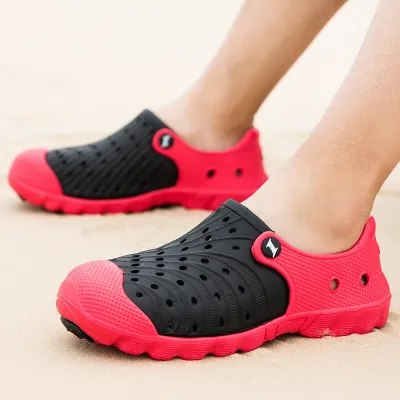
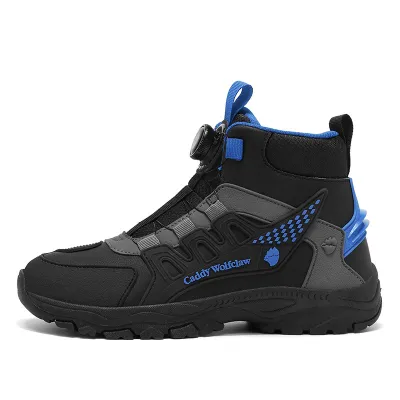
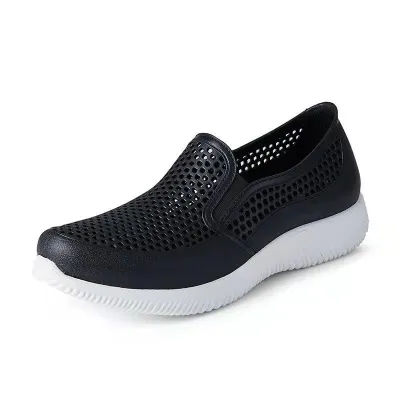
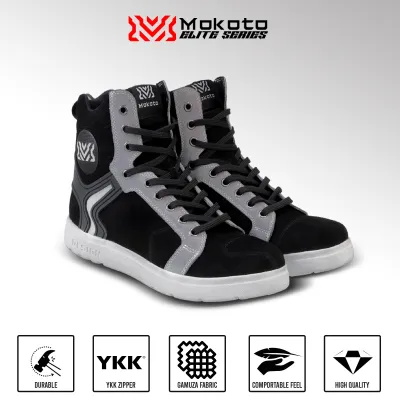
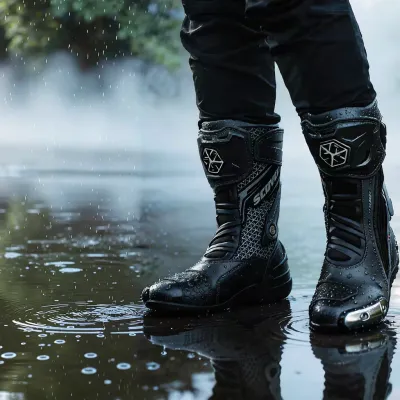
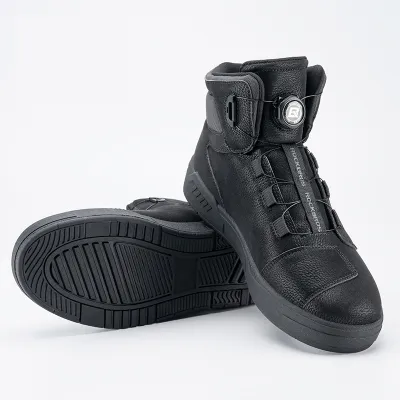
Prices are valid at publication and may change. Please refer to the product page for the latest price.
Heavy, full-height touring or racing boots are highly impractical for this daily routine. While they offer maximum protection, their rigid construction, thick shin guards, and stiff soles make walking long distances uncomfortable and tiring. Furthermore, these bulky boots rarely match casual or professional dress codes, often forcing commuters to carry an extra pair of shoes to change into once they reach their destination.
Conversely, relying on standard casual sneakers or canvas shoes is a dangerous compromise. Regular footwear lacks the structural integrity to withstand a motorcycle accident. Standard sneakers offer zero crush protection for the delicate bones of the foot, their soft foam soles shred instantly when sliding across asphalt, and they lack ankle armor to prevent painful impact injuries.
To solve this dilemma, manufacturers have developed specialized riding shoes for motorcycle use that blend the aesthetic and flexibility of a sneaker with the structural reinforcements of a protective boot. The goal of the urban commuter is to identify a pair that sits perfectly in this middle ground, offering sufficient abrasion resistance and impact shielding while blending seamlessly into a professional or social environment.
Non-Negotiable Safety Features for Urban Traffic
When evaluating riding shoes for motorcycle commuting, safety must remain the primary consideration. Even at low city speeds, an accident can subject your feet to severe twisting, crushing, and sliding forces. A safe commuter shoe must feature specific structural reinforcements designed to mitigate these exact risks.

Ankle, Heel, and Toe Reinforcement Your ankle bones, or malleoli, are highly vulnerable to impact and crushing during a fall. Commuter riding shoes must include molded, anatomically shaped protector cups made of thermoplastic polyurethane (TPU) or impact-absorbing materials like D3O on both the inner and outer sides of the ankle. Additionally, the shoe should feature a reinforced, rigid heel cup and a stiff toe box. These hard inserts prevent the front and back of the foot from being crushed if the motorcycle lands on top of it at a stoplight or during a low-speed slide.
Sole Stiffness and Torsional Rigidity A protective riding shoe must have a sole that resists twisting and folding. If you can easily bend a shoe’s sole in half or twist it like a wet towel, it will not protect your foot in a crash. Safe riding footwear utilizes an internal shank made of nylon, composite, or steel embedded within the sole. This shank provides the necessary torsional rigidity to prevent the foot from bending backward or twisting unnaturally, while still allowing enough flex at the ball of the foot for comfortable walking.
Shift Pad and Abrasion-Resistant Materials Constant gear shifting in city traffic quickly wears down standard shoe materials. Commuter riding shoes feature a dedicated, reinforced shift pad over the toe area, typically made of textured rubber, TPU, or double-layered leather. This pad protects the shoe from premature wear and provides a grip surface for clean shifts. Furthermore, the main body of the shoe must be constructed from highly abrasion-resistant materials such as full-grain leather, heavy-duty microfiber, or high-denier textiles like Cordura to prevent the pavement from wearing through to your skin during a slide.
Comfort Factors for Tropical Climates and All-Day Wear
In tropical environments like the Philippines, weather conditions add another layer of complexity to choosing riding gear. Commuters must contend with high temperatures, intense humidity, and sudden, heavy downpours, making climate adaptability a key factor in daily comfort.
Breathability and Weather Adaptability Choosing between waterproof and ventilated riding shoes involves a clear trade-off. Waterproof shoes feature internal membranes that block external water while allowing some moisture vapor to escape. While highly beneficial during the monsoon season, these membranes can trap heat and sweat during hot, humid afternoons, leading to damp, uncomfortable feet. On the other hand, highly ventilated or mesh riding shoes allow maximum airflow, keeping your feet cool during dry-season commutes, but they offer no protection against sudden tropical rain. Commuters should evaluate their typical riding times and weather tolerance; many choose highly breathable shoes for daily dry-weather use and carry lightweight waterproof overshoes for rainy days.
Weight, Flexibility, and Walking Ergonomics For all-day wear, the weight of the shoe plays a significant role in preventing fatigue. Look for riding shoes that utilize lightweight materials like microfiber uppers and advanced foam midsoles, which mimic the cushioning of running shoes. The sole should feature strategic flex zones at the forefoot, allowing your foot to roll naturally as you walk from the parking lot to your desk. A well-designed commuter shoe should distribute weight evenly and absorb the impact of walking on hard concrete or tiled office floors.
Casual Aesthetics for the Workplace Modern commuter riding shoes are styled to look like high-top sneakers, skate shoes, or classic work boots. This design approach allows you to ride safely to work, park your motorcycle, and walk straight into an office, meeting, or classroom without drawing unwanted attention to your footwear. By choosing neutral colors like black, grey, or brown, you can easily match your protective gear with standard casual or smart-casual workplace attire.
A Practical Checklist for Choosing Your Commuter Riding Shoes
Finding the right pair of riding shoes requires careful evaluation of fit, functionality, and safety standards. Use this step-by-step checklist to guide your purchasing decision:
- Verify the Fit with Riding Socks: Always try on riding shoes wearing the exact socks you plan to use for commuting. Ensure there is enough room in the toe box so your toes do not press against the reinforced front, and check that your heel does not slip upward when walking.
- Test in a Riding Posture: Sit on a chair or a simulated motorcycle peg to mimic your riding position. Verify that the collar of the shoe does not pinch your Achilles tendon or press uncomfortably into your shin when your foot is angled upward to operate the gear shifter or rear brake.
- Evaluate the Closure System: Traditional laces must be managed carefully; ensure the shoe has a dedicated lace keeper, a Velcro ankle strap, or an elastic loop to tuck the laces away. This prevents loose laces from snagging on your footpegs, chain, or levers. Alternatively, look for quick-lace systems or side zippers that offer secure fitment and rapid entry.
- Look for Official Safety Certifications: Check the inner tag of the shoe for the CE EN 13634 certification label. This European standard tests motorcycle footwear for abrasion resistance, impact cut resistance, and transverse rigidity. A certified shoe will display a pictogram of a motorcycle along with performance ratings (Level 1 or Level 2), confirming its protective capabilities.
- Choose Authorized Retailers: Purchase your riding gear from official brand stores or authorized motorcycle accessory retailers. This ensures you receive genuine products with real protective armor rather than counterfeit goods that look like riding shoes but lack actual impact-resistant inserts.
Care, Maintenance, and Pre-Ride Safety Checks
To ensure your riding shoes continue to provide optimal protection and comfort, you must maintain them properly and inspect them regularly for signs of wear.
Routine Cleaning Keep your shoes clean by wiping away road grime, chain fling, and oil residues after your commute. For leather riding shoes, use a damp cloth followed by a dedicated leather cleaner and conditioner to prevent the material from drying out and cracking. For textile or mesh shoes, use a soft brush and mild soapy water. Always allow your shoes to air dry naturally in a well-ventilated indoor space; never expose them to direct heat sources like hair dryers or radiators, as excessive heat can warp protective plastic inserts and degrade the structural adhesives holding the sole together.
Inspecting for Wear Before every ride, perform a quick visual check of your footwear. Inspect the sole’s tread pattern; worn-out, smooth soles can slip easily when you plant your foot on wet, oily city pavement. Check the stitching along major seams, the condition of the shift pad, and the security of the closure system. Ensure that the internal ankle and heel protectors have not shifted or cracked over time.
When to Replace Motorcycle protective gear is designed to absorb impact forces by sacrificing its own structural integrity. If you are involved in an accident where your shoes sustained a significant impact or slid across the pavement, they must be replaced, even if they look undamaged. Additionally, you should retire your riding shoes if you notice severe sole separation, torn stitching that exposes the inner lining, or if the protective ankle cups become soft or loose within their pockets.
Frequently Asked Questions (FAQ)
Can I just wear regular high-top sneakers for city commuting?
No, regular high-top sneakers are not a safe alternative to dedicated riding shoes. While they may cover your ankle bones, fashion sneakers lack the impact-absorbing TPU or D3O armor required to protect against crushing forces. Furthermore, their canvas or soft leather construction offers very low abrasion resistance, meaning they can wear through in a fraction of a second during a slide. Finally, standard sneakers have highly flexible soles without internal shanks, leaving your foot’s arch vulnerable to severe bending and twisting injuries if caught under the motorcycle.
Are waterproof riding shoes too hot for daily use in the Philippines?
Waterproof riding shoes can feel uncomfortably hot and humid during the dry season in the Philippines. The specialized membranes that keep rain out also restrict airflow, causing sweat to accumulate inside the shoe on hot days. For the best balance of comfort, many local riders prefer highly ventilated mesh riding shoes for most of the year and keep a pair of compact, waterproof overshoes in their commuter bags to slip over their shoes when sudden afternoon downpours occur.
Community discussion
Share your experience or ask a question. Comments are reviewed before publication.