
When the southwest monsoon (Habagat) peaks or a tropical depression enters the Philippine Area of Responsibility, motorcycle commuters face a relentless challenge. Standard windbreakers and light water-resistant jackets quickly saturate, leaving you drenched, cold, and shivering during long rides. To stay completely dry under these extreme conditions, a heavy-duty rubber raincoat—specifically engineered with rubberized PVC or polyurethane coatings—is the most reliable barrier against torrential downpours.
Unlike standard woven fabrics that rely on temporary chemical coatings, rubberized riding gear provides a solid, impermeable shield. Choosing the right gear requires understanding how these materials perform under wind pressure, what safety features prevent accidents at high speeds, and how to maintain the material in hot, humid climates. This guide breaks down the science of rubberized waterproofing, the essential features to look for before purchasing, and the best gear configurations to keep you safe and dry on Philippine roads.
Why Rubberized Gear Excels in Tropical Downpours
Tropical downpours in the Philippines are characterized by massive volume and high-velocity winds. Standard rain jackets made of lightweight nylon or polyester usually feature a Durable Water Repellent (DWR) chemical treatment. While DWR works well in light showers, the heavy rain and high-speed wind pressure experienced while riding a motorcycle will force water right through the weave of the fabric. Over time, these chemical treatments also degrade and wash away, leaving the jacket highly susceptible to wetting out.
Products mentioned in this guide

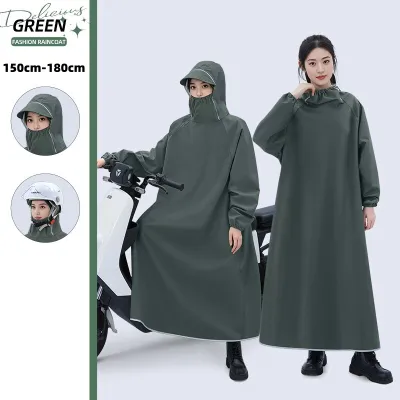
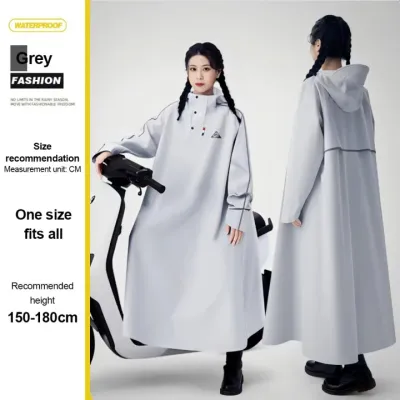
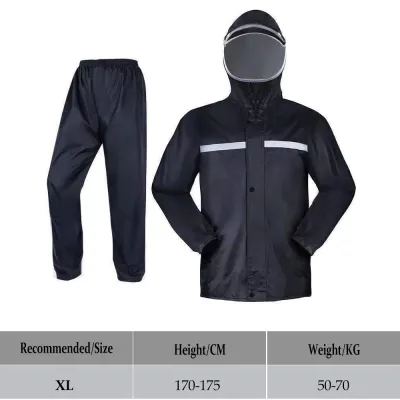
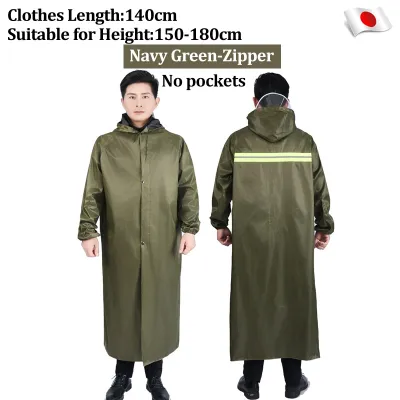
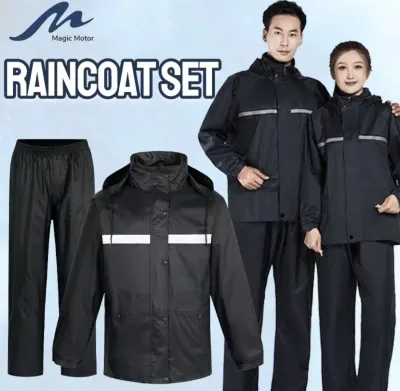
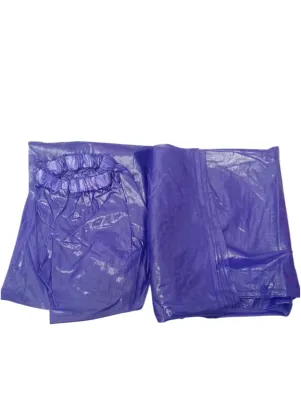
Prices are valid at publication and may change. Please refer to the product page for the latest price.
Rubberized gear, often constructed from heavy-duty polyvinyl chloride (PVC) or rubber-coated fabrics, operates on a completely different physical principle. Instead of relying on a surface chemical treatment to bead water, these garments use a solid, continuous layer of non-porous material. This layer blocks water at a microscopic level, ensuring that no amount of wind-driven rain can penetrate the fabric.
This extreme level of protection is measured by hydrostatic head, which quantifies the water pressure a fabric can withstand before leaking. While standard water-resistant jackets might withstand 2,000 to 5,000 millimeters of water pressure, heavy-duty rubberized coatings easily exceed 10,000 to 20,000 millimeters, rendering them virtually waterproof. For a motorcycle rider traveling at 60 to 80 kilometers per hour, this high pressure rating is non-negotiable, as the impact force of raindrops at speed mimics high-pressure water jets.
However, this absolute barrier comes with a distinct trade-off: breathability. Because rubberized coatings are completely non-porous, they do not allow sweat or body heat to escape. In the warm, humid climate of the Philippines, wearing a rubber rain suit can quickly create an internal “sauna” effect. For this reason, rubberized gear is not recommended for light drizzles or high-exertion activities, but remains the undisputed king of protection during severe, prolonged downpours when staying dry from external water is the absolute priority.
Crucial Features to Evaluate Before Buying
When shopping for a rubber raincoat on online marketplaces or at local motorcycle accessory shops, you must look beyond the basic material. The construction quality determines whether the gear will keep you dry or fail at the first major puddle.

Seam Construction
The seams are the most vulnerable points of any waterproof garment. Standard stitched seams create thousands of tiny needle holes that will quickly leak under the pressure of riding winds. When evaluating a rubber raincoat, look for high-frequency welded or heat-sealed seams. This process melts the overlapping layers of rubberized fabric together, creating a single, continuous bond that is just as waterproof as the rest of the garment. Avoid any rain gear that relies solely on simple thread stitching without interior waterproof tape or welding.
Visibility and Reflective Elements
Typhoons and heavy monsoon rains drastically reduce visibility on the road, making it incredibly difficult for car and truck drivers to spot motorcyclists. Your rain gear must act as a safety beacon. Opt for high-visibility colors such as neon yellow, bright orange, or lime green. Additionally, ensure the raincoat features wide, retroreflective strips across the back, chest, and sleeves. These elements catch the headlights of other vehicles, ensuring you remain visible even in low-light, high-spray highway conditions.
Riding-Specific Adjustments
A generic raincoat will quickly balloon and let water in once you reach riding speeds. Look for garments designed with adjustable wrist cuffs, typically featuring heavy-duty hook-and-loop (velcro) straps or tight elastic bands. The front zipper must be shielded by a double storm flap—a thick fold of rubberized fabric that buttons or velcros over the zipper track to prevent water from forcing its way through the teeth. Drawstring hems and adjustable collars are also vital to seal out water around the neck and waist.
Safety Boundaries
Motorcycle safety dictates that your gear must never interfere with the operation of your vehicle. Loose, oversized raincoats can flap violently in the wind, which causes significant rider fatigue and can even offset your balance at higher speeds. More importantly, excess fabric poses a severe snagging hazard. Loose hems or straps can catch on your handlebars, footpegs, gear shifters, or even get pulled into the moving parts of your motorcycle, such as the chain drive or rear wheel. Always choose a snug, aerodynamic fit that secures tightly to your body.
Recommended Rubber Raincoat Styles for Motorcyclists
Different riding scenarios require different configurations of rain gear. To help you decide on the best setup for your daily commute or long-distance touring, we have evaluated the three most common styles of rubberized rain gear below.
| Style | Water Protection | Aerodynamics | Ease of Use | Best For |
|---|---|---|---|---|
| Two-Piece Rain Suit | Excellent | Excellent | Moderate | Long-distance commuting and highway riding |
| Riding Poncho | Moderate | Poor | Excellent | Short, low-speed city commutes |
| Bib Overalls & Jacket | Outstanding | Good | Poor | Flooded streets and professional delivery riding |
Two-Piece Rubberized Rain Suits (Jacket and Pants)
A two-piece suit consisting of a separate rubberized jacket and pants is widely considered the gold standard for most motorcyclists. This configuration offers the best aerodynamic profile, as the pants and jacket fit closely to your body, minimizing wind drag and flapping. By separating the upper and lower body, this style allows for maximum mobility, enabling you to shift weight easily and operate foot controls without restriction.
The primary benefit of a two-piece suit is its comprehensive coverage. It prevents water from pooling at your waist, which is a common failure point in single-piece suits or ponchos. However, the main drawback is the time and effort required to put it on. When a sudden downpour hits, you must pull over, remove your shoes (or struggle to slide the pants over your boots), and secure multiple fasteners, which can be challenging during a sudden deluge.
Heavy-Duty Rubberized Riding Ponchos
Riding ponchos are highly popular among casual scooter riders and short-distance commuters due to their unmatched convenience. They can be thrown over your head in seconds without needing to remove your footwear. Many motorcycle-specific ponchos feature an extended front panel designed to drape over the handlebars, protecting your hands and preventing water from pooling on the seat.
Despite their ease of use, ponchos present significant safety risks and performance limitations. They offer very poor aerodynamics, acting like a sail at speeds above 40 km/h. The loose fabric can flap violently, distracting the rider and obscuring mirrors. In high winds, a poncho can easily billow up, exposing your legs to the rain and potentially snagging on passing vehicles or roadside obstacles. They should strictly be reserved for low-speed, short-distance urban riding.
Rubberized Bib Overalls with Integrated Jackets
For riders who face extreme conditions, such as deep puddles, flooded Manila streets, or all-day deliveries, a bib-and-jacket combination provides the ultimate level of protection. The pants in this setup extend up over the chest and back, held up by shoulder straps, while a heavy-duty rubber jacket is worn over the top.
This design completely eliminates the waist gap, which is the most common area where water seeps in when you are seated on a motorcycle. Even if water manages to get under the hem of your jacket, the high chest barrier of the bib overalls ensures your inner clothing remains completely dry. The trade-off is that bib overalls are bulky, heavy, and can feel exceptionally hot and restrictive. They take the longest to put on and take off, making them a dedicated choice for riders who know they will be spending hours in relentless rain.
Sizing, Layering, and Helmet Compatibility Checks
Buying the correct size of rubber rain gear requires a different approach than purchasing everyday apparel. Because rubberized material has absolutely no stretch, a tight fit will restrict your movement and make it difficult to react quickly on the road.
Always size up when purchasing a rubber raincoat. You must account for the bulk of your regular clothing, as well as any armored riding jackets, elbow guards, or chest protectors you wear for safety. A raincoat that fits perfectly over a T-shirt will be impossibly tight and prone to tearing at the seams once you put it on over a thick, padded motorcycle jacket. When trying on the gear, sit on your motorcycle (or mimic the riding position) to ensure the sleeves do not pull back past your wrists and the pant legs do not ride up above your ankles.
Helmet compatibility is another critical safety factor. Many rubber raincoats come with integrated hoods. If you plan to use the hood, it must be thin enough to wear under your helmet. Wearing a bulky hood over your helmet is highly dangerous, as it blocks your peripheral vision, prevents you from turning your head easily to check blind spots, and can catch the wind, pulling your head back at speed. If the raincoat hood does not fit comfortably under your helmet, roll it up tightly and secure it inside the collar, or choose a model with a detachable hood.
Before you pull onto the road, perform a quick pre-ride safety checklist:
- Ensure all velcro straps at the wrists and ankles are pulled tight and secured.
- Double-check that the storm flap is fully flat and pressed down over the front zipper.
- Tuck your pant legs securely over the shafts of your riding boots (never tuck them inside, as water running down the pants will fill your boots).
- Verify that no loose drawstrings or adjustment cords are hanging down where they could catch on the chain or controls.
Cleaning and Storing Rubberized Riding Gear
The humid and tropical climate of the Philippines can quickly ruin rubberized gear if it is not maintained properly. Road grime, engine oil, exhaust soot, and acidic rainwater all contain chemicals that can slowly degrade PVC and rubber coatings, causing them to crack, peel, or become sticky.
Cleaning
After riding through muddy or polluted city streets, always wipe down your rain gear with a soft, damp cloth and mild, diluted soap. Gently lift away road grime and salt deposits without scrubbing aggressively. Never use harsh household detergents, bleach, fabric softeners, or solvents, as these chemicals will strip the protective layers and break down the synthetic rubber bonds. Absolutely do not machine wash or dry clean your rubberized gear, as the intense agitation and heat will delaminate the waterproof coating from the fabric backing.
Drying
Once cleaned, hang the rain gear to dry in a shaded, well-ventilated outdoor area or indoors under a fan. Never expose rubberized gear to direct, intense tropical sunlight. Ultraviolet (UV) radiation and high heat will rapidly accelerate the aging of the rubber, making it brittle, prone to cracking, or causing the inner lining to melt and stick to itself. Ensure the gear is 100% dry on both the inside and outside before moving it to storage, as any trapped moisture will quickly lead to mold, mildew, and foul odors.
Storage
Store your rubber rain suit by hanging it on a wide, padded plastic hanger inside a cool, dry closet. Avoid using thin wire hangers, which can crease and distort the shoulder area of the heavy jacket. If you must pack the gear in a motorcycle top box or under-seat compartment, roll it up loosely rather than folding it tightly. Tight, sharp folds create permanent stress points in the rubberized coating, which will eventually crack and leak. If you plan to store the gear for an extended period during the dry season, consider dusting the rubber surfaces lightly with a small amount of talcum powder to prevent the material from sticking together.
Frequently Asked Questions (FAQ)
Can I use a standard rubber raincoat for motorcycle riding?
Using a standard, non-motorcycle-specific rubber raincoat (such as an industrial construction raincoat) is highly discouraged for motorcycle riding due to significant safety hazards. Standard raincoats are designed for stationary or low-speed walking, meaning they lack the aerodynamic fit required to withstand high-velocity riding winds. They will flap violently, causing severe drag, distracting noise, and a risk of the fabric tearing. Furthermore, generic raincoats rarely feature the necessary high-visibility colors or retroreflective strips positioned for a riding posture, making you virtually invisible to other motorists in heavy rain. They also lack riding-specific cut adjustments, meaning water will easily force its way up your sleeves and collar at speed.
How do I prevent my rubber raincoat from sticking or peeling?
To prevent your rubber raincoat from sticking or peeling, you must control its exposure to heat, humidity, and pressure. Always store the gear in a cool, dry place away from direct sunlight and heat sources, such as hot motorcycle engines or exhaust pipes. When storing the gear during the dry season, avoid folding it tightly under heavy items, as the pressure can cause the rubberized layers to fuse together. A highly effective preventive measure is to apply a very light dusting of talcum powder or cornstarch to the inner and outer rubber surfaces before rolling it up loosely. This powder acts as a dry barrier that prevents the material from sticking, peeling, or degrading in high-humidity environments.

Community discussion
Share your experience or ask a question. Comments are reviewed before publication.