
To restore a classic car or maintain a daily driver in the humid Philippine climate, choosing the right rust remover depends entirely on the severity of the corrosion and the specific component you are treating. Because there is no single universal product that safely handles every automotive surface, successful restoration requires matching the chemical or mechanical method to the metal’s condition. From mild chelating baths for delicate brackets to heavy-duty phosphoric acid gels for structural frames, understanding how these treatments interact with automotive steel is the key to achieving a long-lasting, professional finish.
Before purchasing any chemical treatments, you must evaluate the structural safety of the vehicle. If you are dealing with rust on critical structural components, suspension parts, steering linkages, or brake systems, consult the original-vehicle manufacturer instructions. Structural integrity must be verified by a qualified professional, as severe corrosion can compromise vehicle safety and road legality on public roads.
Assessing Rust Severity Before Treatment
Before applying any treatment, you must accurately identify the depth of the corrosion. Rust on a vehicle generally falls into three distinct categories, each requiring a different restoration strategy. Misjudging the severity can lead to wasted effort, ruined paintwork, or structural failure down the road.
Products mentioned in this guide
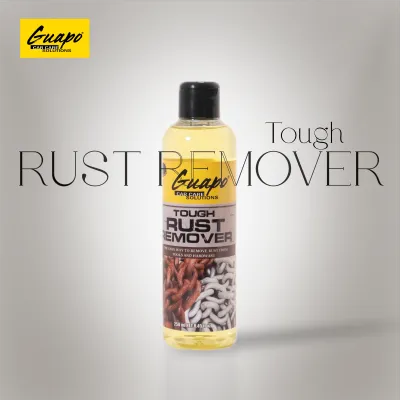
3,570 Lazada user ratings
item received properly packed and secured. Fast delivery. Will do ff up review once tested.Thank you. natest ko na! binabad ko muna tapos bu…Read full reviewShow less
item received properly packed and secured. Fast delivery. Will do ff up review once tested.Thank you. natest ko na! binabad ko muna tapos bumubula xa.nagrereact ung kalawang. ung nut na di ko matanggal dati ngaun natanggal ko na. Thank you! so happy! :) follow up review: pros: Maganda siyang pangtanggal ng kalawang at nakakatulong siya paluwagin ung mga turnilyong kinalawang na Cons: kung coat ung bakal matatangal dn nia, kia pagnabasa uli ung bakal kakalawangin ulit.
Convenient size for easy storage, Leaves surfaces clean and shiny, Effective rust remover, Super useful ng transparent nano tape na ’to! Mal…Read full reviewShow less
Convenient size for easy storage, Leaves surfaces clean and shiny, Effective rust remover, Super useful ng transparent nano tape na ’to! Malakas ang kapit pero hindi nag-iiwan ng residue kapag tinanggal. Ginamit ko sa wall decorations and maliit na gamit, very effective. Transparent pa kaya hindi halata. Sulit sa price!
👌Ease of Use: Easy to use, Convenient size for easy storage, 💪Effectiveness: Easy to use, Convenient size for easy storage, Easy to use, Con…Read full reviewShow less
👌Ease of Use: Easy to use, Convenient size for easy storage, 💪Effectiveness: Easy to use, Convenient size for easy storage, Easy to use, Convenient size for easy storage, Easy to use, Convenient size for easy storage,
Picture not related, sorry. ✌️✌️ Received the order Pero may nagspill lang sa mga item na inorder ko. Sana sa sususnod mas maayos packaging. Bu…Read full reviewShow less
Picture not related, sorry. ✌️✌️ Received the order Pero may nagspill lang sa mga item na inorder ko. Sana sa sususnod mas maayos packaging. But it's good. Easy to use, Removes rust quickly.
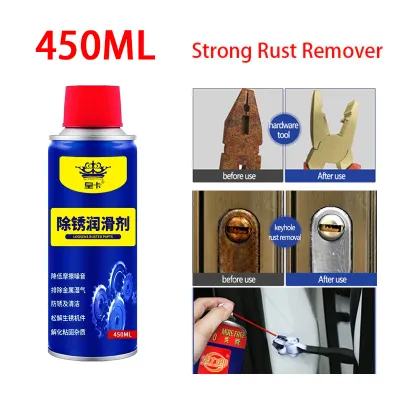
1,531 Lazada user ratings
Helps in car maintenance and cleaning, Multipurpose oil for various applications, rust removal is excellent. Safe even for electrical items.…Read full reviewShow less
Helps in car maintenance and cleaning, Multipurpose oil for various applications, rust removal is excellent. Safe even for electrical items. Used for my DIY projects and easy to use. Great value for miney and fast delivery.
Easy to use rust removal spray, Effective rust remover, Long-lasting lubrication for smooth operation, Leaves a clean and shiny finish, Mult…Read full reviewShow less
Easy to use rust removal spray, Effective rust remover, Long-lasting lubrication for smooth operation, Leaves a clean and shiny finish, Multipurpose oil for various applications, Great for removing rust,
Multipurpose oil for various applications, Helps in car maintenance and cleaning, Keeps bicycle chains and motorcycles rust-free, Easy to us…Read full reviewShow less
Multipurpose oil for various applications, Helps in car maintenance and cleaning, Keeps bicycle chains and motorcycles rust-free, Easy to use rust removal spray,
Ease of Use:10 Durability:10 Versatility:10Leaves a clean and shiny finish, Multipurpose oil for various applications, Great for removing ru…Read full reviewShow less
Ease of Use:10 Durability:10 Versatility:10Leaves a clean and shiny finish, Multipurpose oil for various applications, Great for removing rust,
Appearance: ok I havent tried but i heard its good. Hope umeffect sya. I would definitely buy next time. Thank you seller and kay rider.
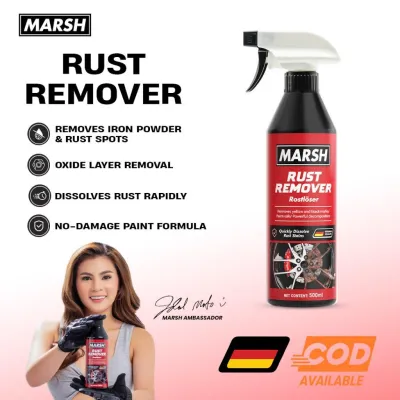
58 Lazada user ratings
👌Ease of Use: Spray looks working 🔨Durability:Plastic seems to be tough 🔒Safety:well sealed 💪Effectiveness:I havent tested it yet so will pr…Read full reviewShow less
👌Ease of Use: Spray looks working 🔨Durability:Plastic seems to be tough 🔒Safety:well sealed 💪Effectiveness:I havent tested it yet so will provide more feedback once again after testing it.
very effective and easy to use
👌Ease of Use:ok
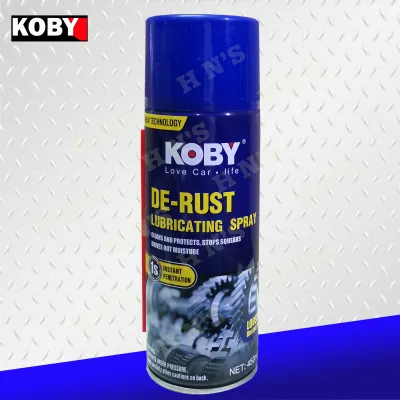
302 Lazada user ratings
🛠️Durability:10)10 🔌Compatibility:10/10 🛢️Viscosity:10/10Versatile for various equipment, Keeps equipment running smoothly, Convenient lubrica…Read full reviewShow less
🛠️Durability:10)10 🔌Compatibility:10/10 🛢️Viscosity:10/10Versatile for various equipment, Keeps equipment running smoothly, Convenient lubricating solution, Fast-acting and reliable,
🛠️Durability: 10 👌Ease of Use: 10 🔨Durability: 10 For its price, ok lang naman but not as strong as WD-40. Overall ok naman. Thanks seller.
Convenient lubricating solution, Long-lasting protection against rust, Eliminates annoying squeaks, Keeps equipment running smoothly,
Long-lasting protection against rust, Convenient lubricating solution, Great for automotive and home use, bawas unti laman😥😢
3 Lazada user ratings
been using this product 4 times already.i am a satisfied user.eill continue using it.
Prices are valid at publication and may change. Please refer to the product page for the latest price.
Surface rust is the earliest stage of corrosion. It appears as light, reddish-brown discoloration or minor pitting on paint chips or bare metal. At this stage, the rust is purely cosmetic and has not yet degraded the thickness of the steel. You can typically resolve surface rust using light chemical treatments, mild abrasives, or fine sandpaper without affecting the structural integrity of the panel.
Scale rust occurs when the corrosion penetrates deeper into the metal, causing the surface to flake, bubble, and develop a rough, crusty texture. This stage indicates that the iron oxide is actively consuming the steel. Treating scale rust requires aggressive mechanical removal to knock down the loose flakes before you can apply chemical converters or acids to neutralize the remaining deep-seated corrosion.
Penetrating rust is the most severe stage, characterized by bubbling paint, crumbling metal, and actual holes in the body panels or frame. At this point, the steel is structurally compromised. Chemical removers and rust converters cannot restore missing metal; attempting to use them on penetrating rust is ineffective and dangerous. The only correct solution for penetrating rust is to cut out the damaged section entirely and weld in fresh patch panels.
To inspect your vehicle thoroughly, use a physical testing method. Take a metal pick, a flathead screwdriver, or a scraper and gently tap along common rust-prone areas such as the wheel arches, rocker panels, floor pans, and spare tire wells. If the tool easily punctures the metal or if the steel feels soft and spongy, you are dealing with penetrating rust that requires fabrication work rather than simple chemical removal.
Effective Rust Remover Types for Automotive Projects
Selecting the right type of rust remover depends on the size of the part, its location on the vehicle, and how much labor you are prepared to invest. Automotive restorers generally rely on a mix of chemical agents, mechanical tools, and specialized setups to tackle different areas of a project car.

Chelating agents are water-based, non-toxic, and pH-neutral chemical formulas. They work through a chemical process that selectively binds to iron oxide molecules, pulling the rust away while leaving the healthy underlying steel completely untouched. These formulas are highly effective for soaking removable parts like brackets, bolts, hinges, and small engine components. Because they are non-corrosive, they will not damage surrounding rubber, plastic, or non-ferrous metals. Typical prices for high-quality chelating solutions range from ₱400 to ₱1,500 per liter, depending on the concentration.
Phosphoric acid-based converters and gels are the industry standard for treating non-removable body panels and chassis components. When applied to rusted steel, phosphoric acid chemically converts iron oxide into iron phosphate, a stable, hard, black compound that acts as a protective barrier and a highly adhesive base for primer. Gels are particularly useful for vertical surfaces because they cling to the metal without running off, allowing the chemical sufficient dwell time to work. These products generally cost between ₱300 and ₱1,200 per bottle.
Mechanical and abrasive methods are necessary for heavy scale removal and preparing bare metal for welding or priming. Tools such as wire wheels attached to angle grinders, flap discs (typically 40 to 80 grit), and sandblasting setups physically strip rust and old paint away. While highly effective and fast, mechanical removal creates significant dust and can thin out sheet metal if used too aggressively. Abrasive attachments and consumables are relatively inexpensive, usually costing between ₱150 and ₱800 per piece.
Electrolysis setups offer a highly effective DIY approach for heavily rusted, complex-shaped iron parts that can be completely submerged. This method uses a plastic container filled with water and an alkaline electrolyte (such as washing soda), a manual battery charger, and a piece of scrap steel to act as a sacrificial anode. When the electrical current flows, the rust is pulled from the car part and deposited onto the scrap steel. This process is incredibly gentle on the base metal and costs very little—typically around ₱500 to ₱2,000 for basic setup materials, assuming you already own a suitable battery charger.
Matching Removers to Specific Car Parts and Materials
Using the wrong rust removal method on a delicate area of your vehicle can cause expensive, irreversible damage. You must match the chemical or mechanical approach to the specific material and location of the component you are restoring.
For body panels and thin sheet metal, avoid aggressive grinding or prolonged sandblasting, as the friction heat can easily warp the panels. Instead, use phosphoric acid-based gels or mild chemical converters to dissolve the rust safely. Be sure to mask off adjacent factory paint with high-quality automotive tape and plastic sheeting, as strong acids will quickly dull, stain, or strip away healthy clear coats and paint finishes.
For the chassis and undercarriage, the steel is much thicker and can withstand heavy mechanical scraping. Begin by using wire wheels or needle scalers to knock off thick road grime and flaking scale rust. Follow this mechanical cleaning with a thorough application of a heavy-duty phosphoric acid treatment to penetrate the deep crevices, welds, and structural box sections where moisture tends to collect.
For engine bays and delicate mechanical components, exercise extreme caution. Engine bays contain a sensitive mix of steel, aluminum, copper wiring, rubber hoses, and plastic sensors. Strong acid-based removers can rapidly corrode aluminum engine heads, degrade rubber seals, and ruin electrical connectors. For these areas, opt for targeted mechanical cleaning with brass wire brushes or use mild, pH-neutral chelating agents applied carefully with a small brush to avoid runoff.
Always check the product labels for material compatibility before application. A chemical’s material name does not guarantee safety for surrounding automotive plastics, paint, rubber seals, or electronic sensors. Verify if the formula is explicitly rated as safe for use around aluminum, brass, and glass, and always test the chemical on a small, inconspicuous area first to observe any adverse reactions.
Safe Application and Neutralization Procedures
Working with automotive chemical removers requires strict adherence to safety protocols and precise application steps. Skipping these procedures can result in severe chemical burns, respiratory irritation, or a failed paint job due to trapped chemical residues.
First, equip yourself with the proper personal protective equipment (PPE). Chemical rust removers, especially acid-based formulas, emit harmful fumes and can cause severe skin and eye damage. Always wear a respirator rated for organic vapors and acid gases, heavy-duty chemical-resistant gloves (such as nitrile or neoprene), and wrap-around safety goggles. Work only in a well-ventilated outdoor area or an open garage with active airflow.
Surface preparation is critical because chemical removers cannot penetrate grease, oil, road grime, or wax. Before applying any chemical treatment, thoroughly wash the target area with a dedicated wax and grease remover or a heavy-duty automotive degreaser. Scrub the surface with a stiff nylon brush and rinse it completely to ensure the rust remover can make direct contact with the oxidized metal.
When applying liquids, gels, or aerosols, aim for an even, consistent layer. For gels, use a disposable brush to build up a thick coating over the rusted area. It is vital to keep the chemical wet for the manufacturer’s recommended dwell time, which can range from twenty minutes to several hours. If the product dries out prematurely, the chemical reaction stops, and it can leave behind a hard, gummy residue that is incredibly difficult to remove.
Neutralizing and rinsing is the final, crucial step of the chemical removal process. Many acid-based removers require active neutralization—often using a water-and-baking-soda solution or a dedicated neutralizing wash—followed by a thorough rinse with clean water. Failing to neutralize the acid completely will trap active chemical residues under your primer, which will eventually react with atmospheric moisture, causing your new paint to bubble and the metal to flash rust almost immediately.
Post-Treatment Protection and Rust Prevention
Once the rust has been successfully removed or converted, the bare steel is highly vulnerable to the elements. In the tropical, high-humidity climate of the Philippines, unprotected bare metal can begin to develop a thin layer of orange flash rust within minutes of being washed and dried.
To prevent flash rust, you must dry the metal immediately after rinsing. Use compressed air to blow water out of tight crevices, seams, and bolt holes, then wipe the surface down with a clean, dry microfiber towel. If you cannot prime the metal immediately, apply a temporary metal prep solution or a dry-film rust inhibitor designed to protect the steel for a few days without interfering with future paint adhesion.
For permanent protection, apply a high-quality epoxy primer directly to the clean, bare metal. Epoxy primer is the gold standard for automotive restoration because it forms an impermeable, moisture-resistant seal over the steel’s microscopic pores. It provides outstanding adhesion for subsequent body fillers, high-build primers, and topcoats, ensuring that moisture cannot creep under the paint film.
For long-term defense against tropical humidity, coastal salt air, and road debris, complete your paint system with durable topcoats. For the undercarriage and wheel wells, apply a thick, flexible rubberized or asphalt-based undercoating to absorb road impacts. For enclosed, unreachable areas like rocker panels, frame rails, and the insides of doors, spray a self-healing cavity wax to block moisture from accumulating in hidden spaces.
Always follow the specific recoat windows and surface preparation steps printed on your primer and paint labels. Applying topcoats too quickly before the underlying layers have fully cured can trap solvents, leading to solvent popping, peeling, or hidden corrosion beneath the paint. Taking your time during this final phase ensures your hard work remains protected for years to come.
Frequently Asked Questions (FAQ)
Can I use household items like vinegar or baking soda for car rust removal?
Vinegar contains acetic acid, which is a mild acid capable of dissolving light surface rust on small, removable parts like bolts or brackets if they are submerged for 24 to 48 hours. However, vinegar lacks the protective conversion properties of automotive-grade phosphoric acid and leaves the metal highly vulnerable to immediate flash rusting once rinsed. Baking soda is alkaline and does not remove rust; its only practical use in rust restoration is to neutralize acidic chemical removers during the rinsing phase. For structural and body panel restoration, you should always use automotive-specific products to ensure chemical stability, proper paint adhesion, and long-term durability.
How do I dispose of used chemical rust removers safely?
To dispose of these chemicals safely, you must first identify whether the product is hazardous or non-hazardous by checking its Safety Data Sheet (SDS) and product label. While biodegradable chelating agents are less toxic, they still contain dissolved heavy metals like iron, zinc, or lead from old paint after use, making them unsafe for direct disposal. Acid-based removers are highly corrosive and classified as hazardous waste. You must consult your local municipal waste collection services or environmental guidelines in your area for instructions on hazardous waste disposal. Never pour chemical runoff, neutralized acids, or heavy metal residues into household drains, soil, storm sewers, or local waterways, as they can severely contaminate groundwater and local ecosystems.
Community discussion
Share your experience or ask a question. Comments are reviewed before publication.