
Upgrading your vehicle’s interior is one of the most satisfying ways to personalize your daily drive, especially when navigating the busy streets of Manila or embarking on weekend road trips across the provinces. Among the various interior styling trends popular in the Philippine car scene, the samurai-themed shift knob—often styled after the traditional hilt of a Japanese katana or the ornate helmet of a warrior—stands out as a bold statement. However, while manual transmission cars can easily accept almost any aftermarket knob, automatic transmission vehicles require careful mechanical evaluation before you make a purchase.
Installing an aftermarket shift knob on an automatic car is not purely about aesthetics; it directly impacts the vehicle’s safety and gear-shifting mechanics. Because automatic shifters rely on specific lockouts and release mechanisms to prevent accidental gear changes, choosing the wrong knob can lead to severe safety hazards or mechanical damage. Understanding the technical requirements of your vehicle’s shifter shaft, thread pitch, and lock mechanism is the first step toward achieving that customized JDM aesthetic without compromising your car’s drivability.
Critical Compatibility Checks for Automatic Shifters
Before purchasing a samurai shift knob, you must determine how your automatic transmission handles gear transitions. Many automatic vehicles in the Philippines, particularly popular models from Toyota, Honda, Mitsubishi, and Nissan, utilize specific safety mechanisms to prevent the driver from accidentally shifting into Reverse or Park while the vehicle is in motion. Identifying which mechanism your car uses dictates the type of aftermarket knob you can safely install.
Products mentioned in this guide
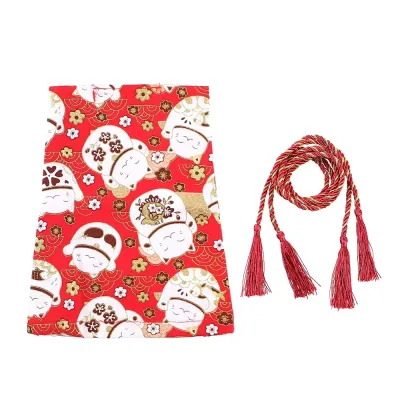
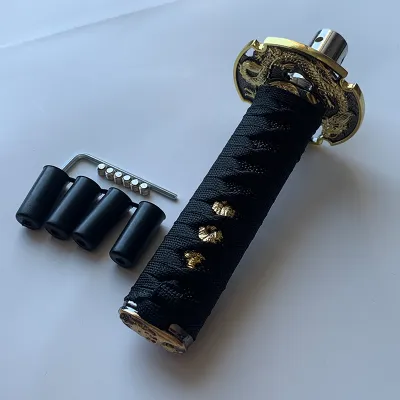
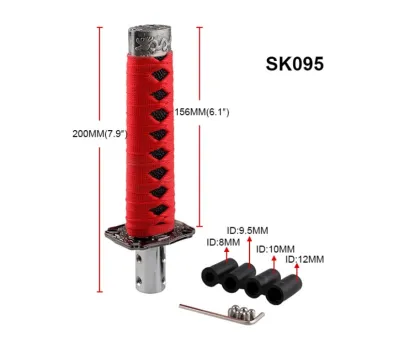
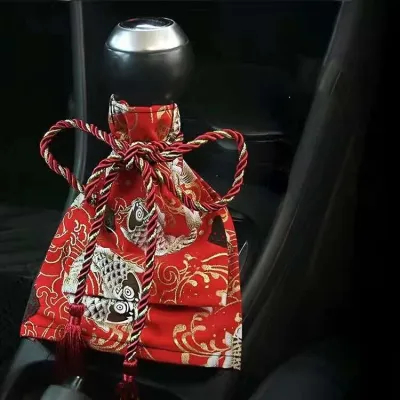

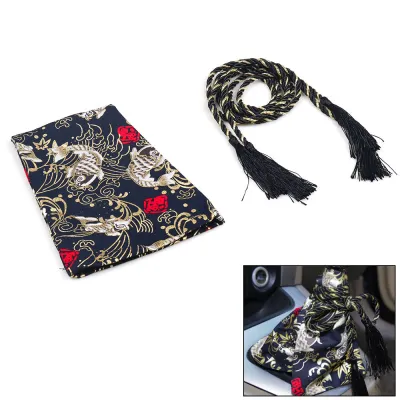
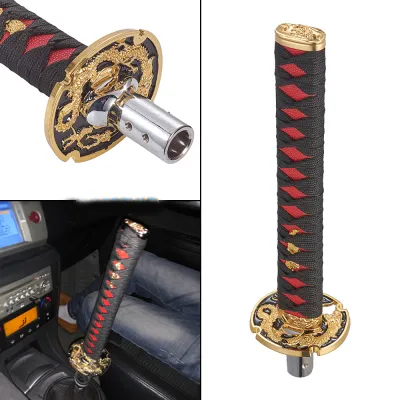
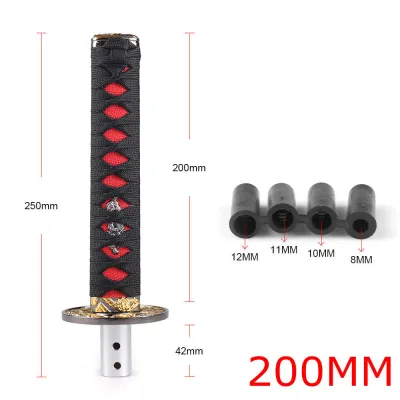
Prices are valid at publication and may change. Please refer to the product page for the latest price.
Shift Lock Button Integration
Automatic shifters generally fall into two categories: gated shifters and button-released shifters. Gated shifters, commonly found on various Toyota and Mitsubishi models, use a zigzag physical path to prevent accidental gear shifts. If your car has a gated shifter, you do not have a physical button on the knob, meaning you can often use a wider variety of samurai knobs, provided the thread pitch matches.
Conversely, if your vehicle features a straight-line shifter, it almost certainly relies on a physical shift-lock release button. This button mechanically depresses a rod inside the shifter shaft to unlock the gear selector. If you install a standard manual-style samurai knob on this setup, you will either permanently depress the safety rod—allowing the car to shift freely without safety locks—or block the rod entirely, locking your car in Park. For straight-line shifters, you must look for specialized samurai knobs that feature an integrated push-down mechanism, where pressing down on the entire handle actuates the internal release rod, or models with built-in side buttons.
Thread Pitch and Attachment Types
To ensure a secure fit, you must match the attachment interface of the aftermarket knob to your vehicle’s shifter rod. Many Japanese automatic cars feature threaded shifter rods, with common sizes including:
- M8x1.25: Highly common on automatic Toyota and Lexus models.
- M10x1.25: Frequently found on Mitsubishi and Nissan vehicles.
- M10x1.5: Standard for many Honda automatic shifters.
However, some modern automatic shifters do not use threads at all. Instead, they utilize a smooth, non-threaded rod where the factory knob is held in place by a retaining pin, clip, or lower collar. For these vehicles, you cannot screw a threaded samurai knob directly onto the shaft. You will need a specialized non-threaded adapter kit that secures to the smooth rod using small hex set-screws, providing a threaded outer post for the new knob to mount onto. Always verify your specific vehicle’s shaft diameter and thread pitch by consulting your factory service manual or using a thread pitch gauge before purchasing.
Weight and Shifter Cable Stress
Samurai shift knobs, particularly the long katana-style hilts, can be significantly heavier and taller than factory plastic knobs. This added length and mass create a leverage effect on the shifter assembly. While a heavier knob can make manual shifting feel smoother, in an automatic car, excessive weight can put constant, unintended tension on the shifter linkage cables and internal return springs.
Over time, a heavy knob can wear out the detent springs inside the shifter console. This wear can cause the gear selector to feel loose or sloppy, and in worst-case scenarios, the weight may prevent the shifter from fully engaging the mechanical “Park” lock. When browsing options, aim for knobs that weigh under 350 grams, and ensure your vehicle’s internal return springs are strong enough to push the knob back up if you are using a push-down style adapter.
Top Samurai Shift Knob Styles for Automatic Cars
Once you have verified your vehicle’s mechanical requirements, you can explore the different styles of samurai-themed knobs available in the local market. These accessories generally fall into three distinct design categories, each offering unique material properties, ergonomic profiles, and installation considerations.

Resin Katana Hilts and Blade Designs
Resin-based katana shift knobs are designed to replicate the traditional look of a Japanese sword handle, known as a tsuka. These knobs typically feature a solid resin or plastic core wrapped in synthetic silk webbing (ito) over an imitation ray-skin (samegawa) base. Some variations also feature clear, polished resin cylinders containing miniature samurai blades, cherry blossoms, or traditional Japanese wave patterns cast inside.
- Aesthetics and Grip: The textured fabric wrap provides an exceptionally secure, non-slip grip, which is highly beneficial during long, humid drives. The visual impact of a tall katana handle protruding from the center console instantly transforms the car's interior aesthetic.
- Automatic Compatibility: Because these handles are naturally long (often ranging from 15 centimeters to over 26 centimeters), they are highly suited for push-down style automatic adapters. Pressing down on the long hilt provides ample leverage to depress the internal shift-lock rod smoothly.
- Tropical Considerations: The intense tropical sun in the Philippines can pose a challenge for resin accessories. Prolonged exposure to ultraviolet (UV) radiation through the windshield can cause clear resin to yellow, become brittle, or crack. Additionally, cheap synthetic wraps can absorb hand sweat and develop odors over time. Look for UV-stabilized resins and high-quality synthetic wraps that can be easily cleaned, and consider using a reflective front windshield sunshade when parking outdoors.
Metal Kabuto (Samurai Helmet) Knobs
For a more compact yet highly detailed look, metal knobs cast in the shape of a traditional samurai helmet (kabuto) or a protective face mask (mempo) are popular choices. These are typically manufactured from zinc alloy, aluminum, or brass, offering a solid, premium weight and intricate, metallic detailing.
- Aesthetics and Durability: Metal kabuto knobs offer excellent long-term durability. Unlike resin or fabric-wrapped options, solid metal will not wear down, fray, or fade from physical contact. The metallic finish adds a industrial, high-quality accent to the dashboard.
- Automatic Compatibility: Due to their compact, rounded shapes, these knobs are ideal for gated automatic shifters that do not require a shift-lock button. However, if your car requires a push-down action, ensure the metal knob is securely fastened to its adapter, as the weight of the metal can make the push-down motion feel heavy if the internal spring is stiff.
- Thermal Conductivity in the Tropics: A major drawback of solid metal interior accessories in the Philippines is heat retention. When your vehicle is parked under direct sunlight, the metal knob can absorb extreme heat, making it painful to touch when you first get into the car. To mitigate this, look for models that feature insulated plastic bases, or keep a small fabric cover or cloth in your glove compartment to shield the knob from the sun when parked.
Carved Wood and Synthetic Grips
Blending traditional craftsmanship with automotive styling, carved wood and high-density synthetic knobs offer a more subtle, organic take on the samurai theme. These knobs are often engraved with traditional samurai family crests (Kamon) or geometric patterns reminiscent of samurai armor.
- Aesthetics and Comfort: Wood provides a warm, classic texture that feels natural in the hand. Unlike metal, wood has low thermal conductivity, meaning it will not become burning hot in the summer or uncomfortably cold in air-conditioned environments. This makes it highly comfortable for daily commuting in humid weather.
- Durability and Moisture Resistance: Untreated wood is highly vulnerable to moisture, skin oils, and high humidity, which can cause the wood to swell, warp, or rot. Ensure any wooden samurai knob you select is sealed with a high-quality protective clear coat, such as polyurethane or marine-grade varnish. This protective layer seals the wood pores from sweat and environmental humidity.
- Mounting Hardware Integrity: Wood is softer than metal or resin. When purchasing a wooden knob, verify that it features a threaded metal core insert rather than threads cut directly into the wood. A metal insert prevents the mounting threads from stripping or splitting the wooden base when tightened onto the shifter shaft.
Installation and Care in Tropical Climates
Installing an aftermarket shift knob is a straightforward process, but it requires patience and precision to avoid damaging your vehicle’s factory trim or the shifter mechanism itself. Follow these steps to ensure a safe, secure, and long-lasting installation.
Safe Removal of the OEM Knob
Before beginning, consult your vehicle’s factory workshop manual for specific instructions on removing the original equipment manufacturer (OEM) shift knob. The removal process varies significantly depending on the make and model:
- Inspect the Base: Look for a lower trim collar or leather boot attachment at the base of the knob. Many modern automatic cars require you to gently pry down a plastic collar to reveal hidden screws or clips.
- Remove Retaining Hardware: Check for small hidden screws, pins, or clips holding the knob to the shaft. Removing these usually requires a small screwdriver or hex key.
- Unscrew or Pull: If your knob is threaded, unscrew it counter-clockwise. If it is a press-fit design, pull it straight upward with steady, controlled force. Avoid twisting a non-threaded press-fit knob, as this can snap the internal plastic locator pins or bend the shift-lock rod inside the shaft.
Securing the New Knob
Once the factory knob is removed, clean the exposed shifter shaft to remove any old grease, adhesive, or debris. To install your new samurai shift knob using a universal adapter kit, follow these guidelines:
- Select the Correct Sleeve: Test the provided rubber or plastic adapter sleeves on your shifter shaft. Choose the sleeve that fits snugly over the shaft without forcing it.
- Position the Adapter: Slide the selected sleeve onto the shaft, followed by the threaded adapter collar if your kit uses one.
- Align and Tighten: Place the samurai shift knob over the sleeve. If using set-screws, tighten them evenly in a cross-pattern to ensure the knob remains perfectly centered on the shaft.
- Avoid Over-Tightening: Do not over-tighten the set-screws, especially if they are pressing directly against a soft aluminum or plastic shifter shaft. Over-tightening can strip the threads of the adapter or deform the shifter shaft, which can block the internal shift-lock rod from moving freely.
- Test Functionality: Before driving, sit in the stationary vehicle, press the brake pedal, and cycle through all gears (Park, Reverse, Neutral, Drive) to ensure the shift-lock mechanism engages and releases smoothly without binding.
Routine Maintenance
The high humidity and ambient temperatures of the Philippines can accelerate the buildup of dirt, sweat, and oils on your shift knob. Regular maintenance preserves both the appearance and the structural integrity of your accessory:
- Resin and Metal Knobs: Wipe down the surface weekly using a clean, damp microfiber cloth. For stubborn grime, use a mild, diluted dish soap solution. Avoid using harsh chemical solvents, acetone, or alcohol-based cleaners, as these can strip paint, dissolve protective clear coats, or dull the finish of resin.
- Fabric-Wrapped Katana Hilts: If the fabric wrap becomes soiled with sweat or oils, gently spot-clean it using a soft-bristled brush (like an old toothbrush) and a mild fabric cleaner. Blot the area dry with a clean towel and allow it to air-dry completely. Do not saturate the wrap, as excess moisture can seep into the core and weaken the adhesive holding the wrap in place.
- Wooden Knobs: Clean with a dry or slightly damp cloth. Periodically apply a thin coat of natural beeswax or wood conditioner to maintain the protective seal and prevent the wood from drying out or cracking under the sun.
Frequently Asked Questions (FAQ)
Will a heavy samurai shift knob damage my automatic transmission?
No, a heavy shift knob will not damage the actual gears or internal mechanical components of your automatic transmission. The shift selector inside your cabin is physically separated from the transmission gearbox, communicating gear changes via electrical sensors or mechanical linkage cables. However, an excessively heavy knob can wear out the internal detent springs, bushings, and plastic guides within the shifter console assembly. This wear can lead to a loose, sloppy feeling when shifting and may eventually prevent the selector from locking securely into Park or Drive, creating a safety hazard.
Do I need a special adapter for Japanese automatic cars?
Yes, many Japanese automatic cars require specialized adapters. While manual cars typically feature standard threaded shifter shafts, automatic vehicles often use non-threaded rods, unique thread pitches, or complex shift-lock button configurations. While universal samurai shift knob kits often include basic rubber sleeves and set-screws, certain models—especially those with straight-line shifters requiring a push-button release—will require a dedicated, model-specific automatic shift knob adapter to ensure the safety lockouts function correctly.
Can I use a manual shift knob on an automatic car?
Generally, you cannot safely use a standard manual shift knob on an automatic car that features a button-style shift lock. Manual shift knobs are solid pieces of metal, wood, or plastic with no moving parts, meaning they lack the internal mechanisms or cutouts required to actuate an automatic car’s shift-lock release rod. Attempting to force a manual knob onto a button-style automatic shifter will either lock the vehicle in Park or permanently bypass the shift-lock safety mechanism, allowing the vehicle to be accidentally bumped into Reverse or Neutral while driving, which poses a severe safety risk.
Community discussion
Share your experience or ask a question. Comments are reviewed before publication.