
Upgrading your vehicle’s interior often starts with the touchpoints you interact with constantly. For manual or gated automatic vehicles, selecting a new cambio handle for car upgrades is a practical way to enhance both cabin aesthetics and overall driving dynamics. However, in the tropical climate of the Philippines, where cabin temperatures can soar under the midday sun and humidity remains high year-round, your choice of shift knob material is not just a matter of style—it directly impacts daily driving comfort, safety, and control.
The ideal shift knob material for daily driving depends heavily on your parking conditions, maintenance habits, and tactile preferences. For most drivers navigating humid, stop-and-go urban commutes, leather offers the most balanced performance due to its temperature neutrality and natural, slip-resistant grip. Aluminum provides exceptional durability and a satisfying, weighted shifting action, but it poses a genuine burn risk if your vehicle is frequently parked outdoors under direct sunlight. Carbon fiber delivers a modern, high-tech aesthetic with moderate heat resistance, though its long-term survival in tropical climates relies entirely on the quality of its UV-protective clear coat.
Heat Retention and Humidity: Surviving the Philippine Climate
The interior of a car parked under the sun in the Philippines can quickly turn into a greenhouse, with cabin temperatures easily exceeding 60 degrees Celsius. When you return to your vehicle after a few hours, the material of your shift knob determines whether you can drive away immediately or if you must wait for the air conditioning to cool down the cabin’s primary touchpoints.
Products mentioned in this guide
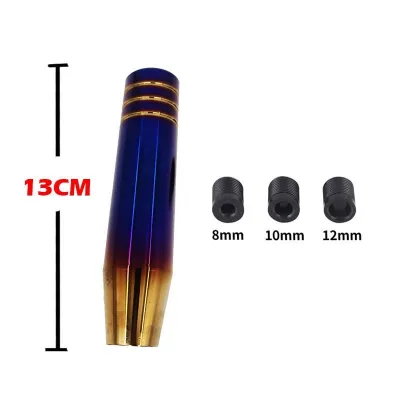
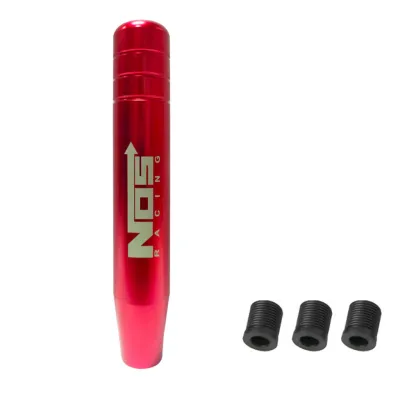
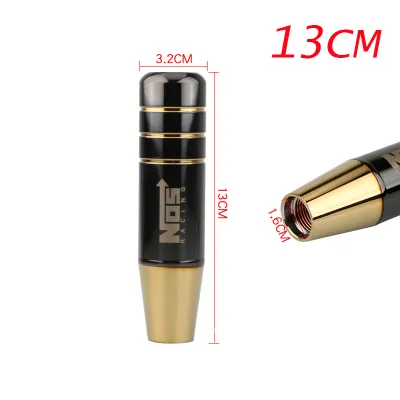
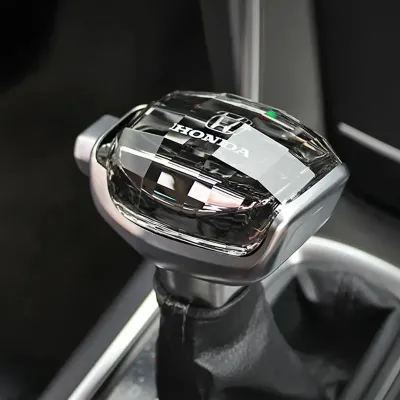
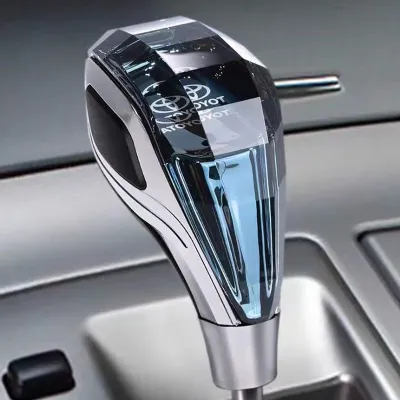
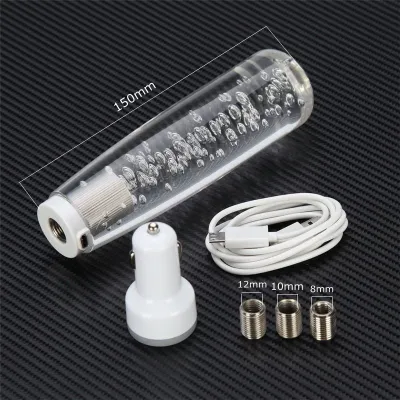
Prices are valid at publication and may change. Please refer to the product page for the latest price.
Leather: Temperature Neutrality and Moisture Absorption
Genuine leather and premium synthetic leather alternatives are naturally poor conductors of heat. This low thermal conductivity prevents them from absorbing and storing extreme heat, meaning a leather-wrapped shift knob remains comfortable to touch even after hours of exposure to intense sunlight. Unlike metal surfaces that can instantly transfer high temperatures to your skin, leather acts as a mild thermal barrier.
However, the high relative humidity of the Philippine climate introduces specific challenges for leather. During long drives, humid air combined with palm sweat can cause moisture to accumulate on the surface of the knob. Genuine leather possesses organic pores that absorb a portion of this moisture, which helps maintain a secure grip but can lead to material degradation over time. Without regular care, absorbed sweat, body oils, and ambient humidity can cause the leather to develop an unpleasant odor, stiffen, or become a breeding ground for mold and bacteria.
Aluminum: Thermal Conductivity and Outdoor Parking Risks
Aluminum is highly favored in performance circles for its sleek, metallic appearance and structural rigidity. However, metals are excellent thermal conductors. An aluminum shift knob acts as a highly efficient heat sink, rapidly absorbing thermal energy from both the ambient cabin air and direct sunlight streaming through the windshield.
If you frequently park your vehicle in uncovered driveways, open mall parking lots, or roadside spaces, a solid aluminum knob can reach temperatures high enough to cause immediate discomfort or even minor skin burns upon contact. This physical reality remains unchanged regardless of the surface finish; while anodized, powder-coated, or painted aluminum surfaces may offer a slightly different initial texture, they do not alter the rapid heat absorption properties of the solid metal core underneath. Drivers using bare aluminum knobs in tropical climates often find themselves forced to cover the shifter with a cloth, glove, or custom cover when parked outdoors.
Carbon Fiber: Thermal Insulation and Clear Coat Vulnerability
Carbon fiber reinforced polymer (CFRP) occupies a middle ground regarding thermal properties. The carbon fibers themselves, along with the polymer matrix that binds them, have relatively low thermal conductivity compared to metals. Consequently, a carbon fiber shift knob does not become excessively hot in the sun, nor does it feel freezing cold in highly air-conditioned environments, making it highly temperature-neutral.
However, when you grip a carbon fiber shift knob, your hand is not contacting the raw carbon weave; instead, you are touching the protective outer layer of resin or clear coat. In the Philippines, the primary threat to carbon fiber is prolonged exposure to ultraviolet (UV) radiation. Over time, intense solar rays can break down the chemical bonds in lower-grade epoxy resins and clear coats. This degradation manifests as a distinct yellowing of the finish, a cloudy or hazy appearance, or eventual cracking and peeling of the protective layer, which can expose the sharp, raw carbon fibers beneath.
Grip, Ergonomics, and Long-Term Durability
Maintaining a secure, confident grip on your shifter is essential for smooth gear transitions and safe vehicle control, especially during sudden maneuvers or heavy traffic commutes.

Tactile Feel and Sweat Management in Traffic
Navigating daily stop-and-go traffic in major Philippine cities requires constant shifting, which can quickly lead to sweaty palms due to high ambient humidity. Leather excels in these conditions by providing natural surface friction. The textured grain of leather conforms slightly to the shape of your hand over time, offering a secure, slip-resistant grip that handles palm sweat exceptionally well without feeling sticky.
In contrast, polished or smooth aluminum surfaces offer very little mechanical grip. When combined with sweat or high humidity, a bare metal knob can become dangerously slippery, increasing the risk of your hand slipping off the shifter during a critical gear change. To mitigate this, some manufacturers add knurled patterns—fine, crisscrossed ridges engraved into the metal—or integrate rubber or leather inserts along the primary contact points to ensure a more reliable grip.
Carbon fiber knobs typically feature a high-gloss clear coat that behaves similarly to polished metal when wet, feeling quite slick under sweaty hands. To counter this, many drivers prefer carbon fiber knobs designed with ergonomic contours, such as finger grooves or teardrop profiles, which rely on physical shape rather than surface friction to keep the hand securely in place. Alternatively, some premium carbon fiber knobs utilize a matte or dry-carbon finish, which retains a subtle texture that resists slipping much better than high-gloss equivalents.
Wear Patterns and Maintenance Requirements
Every material ages differently under the daily friction of shifting, exposure to hand oils, and environmental factors:
- Leather: As an organic material, leather is highly susceptible to wear from friction and chemical exposure. Over years of use, the protective top coat wears away, leaving the leather prone to drying, cracking, and peeling. To prevent this, leather requires periodic cleaning with a mild, pH-balanced leather cleaner and the application of a dedicated leather conditioner to restore essential oils.
- Aluminum: Solid aluminum is incredibly durable and resistant to structural wear, but its aesthetic finish is vulnerable. Rings, keys, and coins can easily scratch or nick anodized or painted coatings, exposing the raw, silver aluminum underneath. Additionally, sweat can cause minor surface oxidation over time if the metal is not cleaned regularly. Maintenance is straightforward, usually requiring only a quick wipe with a microfiber cloth.
- Carbon Fiber: The structural carbon weave is virtually indestructible under normal driving conditions, but the outer clear coat is highly prone to micro-scratches from daily use. To preserve the finish, you must avoid using abrasive cleaning pads or harsh chemical solvents (such as acetone or strong multi-purpose cleaners) that can strip or dull the clear coat.
Regardless of the material you choose, always consult the manufacturer’s specific care instructions before applying any interior detailing products, as incompatible chemicals can permanently damage protective coatings or dry out leather wraps.
Weight, Shifting Feel, and Mechanical Compatibility
The physical weight of a shift knob plays a significant role in how your transmission feels during gear changes. This mechanical interaction is governed by basic physics, and choosing the wrong weight or installing the knob incorrectly can have long-term consequences for your vehicle’s drivetrain.
Solid metal knobs, particularly those made of aluminum, brass, or steel-cored designs, are naturally heavier, often weighing between 300 and 500 grams or more. This added mass increases the shifting momentum; as you push the lever, the weight of the knob helps pull the shift linkage through the gate, smoothing out the mechanical resistance and making gear engagements feel more effortless and positive. Conversely, carbon fiber and leather-wrapped knobs with plastic or lightweight composite cores are much lighter, typically weighing under 150 grams. These lighter knobs provide direct, unfiltered mechanical feedback, allowing you to feel the exact engagement of the gear teeth and synchros, which appeals to drivers who prefer a highly connected, tactile driving experience.
Safety & Compatibility Boundary: When upgrading your cambio handle for car, you must strictly verify the mechanical compatibility with your specific vehicle make, model, and year. Shift knobs are secured using several distinct methods, including specific thread pitches (such as M10x1.25, M10x1.5, or M12x1.25) or non-threaded push-on shafts secured by set screws.
Improper installation can lead to severe safety hazards and mechanical damage:
- Sudden Detachment: Relying on cheap, ill-fitting universal plastic adapters without properly securing the set screws can cause the shift knob to spin, wobble, or pull off entirely mid-shift, leaving you unable to control the transmission in an emergency.
- Transmission Wear: Using an excessively heavy shift knob (especially on manual transmissions) can apply constant, resting downward force on the shift linkage and selector forks. Over time, this constant pressure causes the internal selector forks to rub against the rotating gear sliders, leading to premature wear of the brass synchronizer rings and costly transmission repairs. Always refer to your vehicle's original manufacturer guidelines and seek professional installation if you are unfamiliar with shift linkage assemblies.
Material Comparison Matrix for Everyday Commutes
To help you quickly evaluate these options, the table below summarizes how leather, aluminum, and carbon fiber perform across key practical dimensions for daily driving in tropical conditions.
| Material | Heat Retention (Outdoor Parking) | Grip in High Humidity | Weight Profile | Maintenance Level | Best Suited For |
|---|---|---|---|---|---|
| Leather | Low (Stays relatively cool) | High (Natural texture resists slips) | Light to Moderate (Depends on core) | Moderate (Requires cleaning & conditioning) | Commuters prioritizing daily comfort and reliable grip in all weather |
| Aluminum | High (Can become dangerously hot) | Low (Slippery unless knurled or textured) | Heavy (Provides high shifting momentum) | Low (Simple wipe-down required) | Drivers wanting a mechanical, weighted feel who park in shaded areas |
| Carbon Fiber | Moderate (Resin can warm up slightly) | Moderate (Glossy can slip; matte is better) | Light (Highly responsive feedback) | Low to Moderate (Requires UV protection) | Enthusiasts seeking a modern look, direct feedback, and decent heat resistance |
How to Choose the Right Cambio Handle for Your Car
Selecting the perfect shift knob requires balancing your driving environment with your personal preferences. Use the following conditional framework to guide your final decision:
- Choose Leather if: You prioritize daily comfort above all else, frequently park your vehicle in open, sun-exposed areas, and are willing to spend a few minutes every few months cleaning and conditioning the material to prevent wear from sweat and UV rays.
- Choose Aluminum if: You prefer a heavy, weighted shifting action that smooths out gear transitions, have access to shaded or indoor parking (or don't mind using a cover when parked outside), and want a highly durable, low-maintenance surface that won't peel or crack.
- Choose Carbon Fiber if: You want a lightweight, modern, and sporty aesthetic, prefer direct mechanical feedback from your transmission, and can verify that the manufacturer uses a high-quality, automotive-grade, UV-resistant clear coat to prevent yellowing.
Before making any purchase from an automotive parts retailer or online marketplace, always verify your vehicle’s specific requirements. Many modern manual transmissions feature a “reverse lock-out” mechanism—a collar below the knob that must be pulled upward to engage reverse gear. If your new shift knob does not have a recessed base to accommodate this collar, you will be unable to shift into reverse. Additionally, check if your vehicle’s original knob integrates electronic sensors, shift pattern indicators, or overdrive buttons. Always cross-reference the product specifications with your vehicle manual to ensure a safe, legal, and mechanically sound installation.
Frequently Asked Questions (FAQ)
Does a heavier shift knob improve shifting smoothness?
Yes, a heavier shift knob improves shifting smoothness by acting as a counterweight. The added mass increases kinetic momentum as you move the shifter, helping to push the linkage through the gear gates with less physical effort from your hand. However, you should avoid excessively heavy knobs (generally over 500 grams) on daily drivers, as the constant resting weight can put unnecessary strain on your transmission’s internal shift forks and synchronizers, leading to premature mechanical wear.
Can I use an aluminum shift knob if my car parks outdoors?
You can use an aluminum shift knob if you park outdoors, but you must take practical precautions to avoid burning your hand. Because aluminum has high thermal conductivity, it will absorb intense heat from the sun. If outdoor parking is unavoidable, consider keeping a small microfiber cloth or a dedicated silicone cover in your glove box to place over the knob when parked, or choose an aluminum knob that features integrated leather or rubber contact patches to protect your skin.
Community discussion
Share your experience or ask a question. Comments are reviewed before publication.