
Upgrading your vehicle’s manual gear selector is one of the most direct ways to improve your daily driving experience. While many car owners focus on engine modifications or exterior styling, the humble shifting knob is a primary touchpoint that dictates how you interact with your machine. In the Philippines, where daily commutes can range from grueling gridlock in metro areas to open, winding provincial highways, choosing the correct type of knob is essential for comfort, control, and driving engagement.
The ideal choice depends heavily on your typical routes, cabin temperature management, and transmission setup. A weighted, ergonomic option helps smooth out frequent gear changes in urban congestion, while a lightweight, tactile option offers the precise feedback preferred for spirited weekend drives. By understanding how different weights, shapes, and materials interact with your vehicle’s linkage, you can select an upgrade that perfectly complements your driving style.
Understanding Shifting Knob Types and How They Change Shift Feel
To select the right upgrade, it is important to understand how physical properties like mass, height, and shape alter the mechanical dynamics of your gear selector. Aftermarket options generally fall into distinct categories: weighted, lightweight, short-throw, and standard-height. Each configuration alters the leverage and feedback transmitted from the transmission gears to your hand.
Products mentioned in this guide
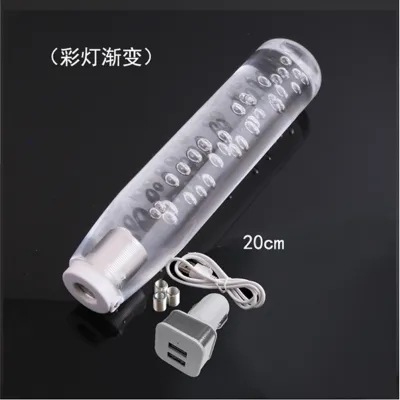
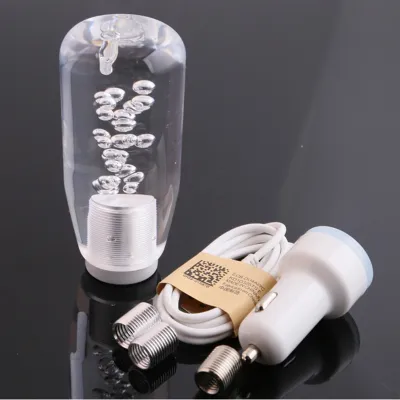
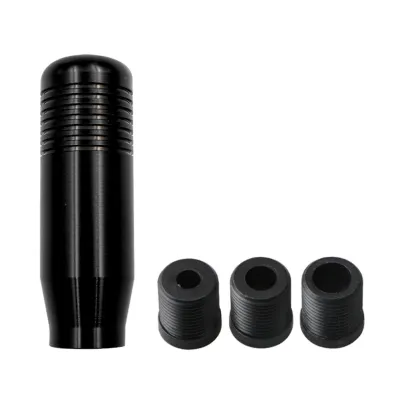
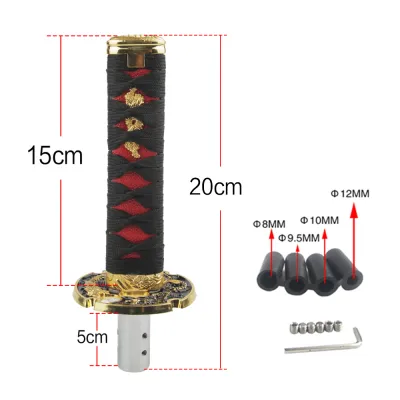
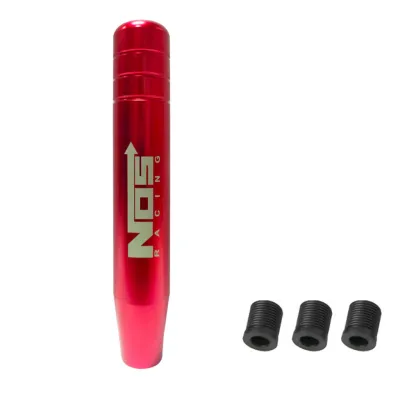
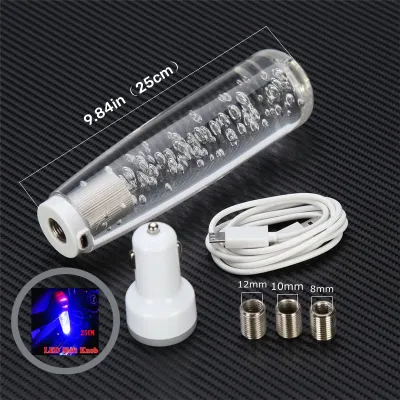

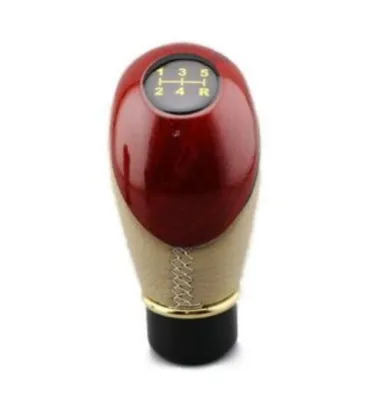
Prices are valid at publication and may change. Please refer to the product page for the latest price.
Weighted knobs, typically weighing between 300 and 500 grams, use physical momentum to assist the driver. The underlying physics relies on kinetic energy; once you initiate a gear change, the added mass of the heavier knob helps pull the shifter linkage through the gate. This momentum overcomes the resistance of the synchronizers with minimal physical effort from your arm, smoothing out notchiness and making gear engagement feel effortless.
Conversely, lightweight knobs, often weighing under 100 grams and constructed from materials like Delrin, carbon fiber, or thin-walled aluminum, prioritize raw feedback. Because they lack the mass to carry momentum, they do not mask any mechanical resistance. The driver feels every click, notch, and vibration as the gear teeth align. This high-fidelity feedback is highly valued by performance drivers who want to confirm precise engagement by feel alone.
Height and shape variations also dictate your hand placement and wrist angle during operation. A taller knob increases leverage, which reduces the physical effort required to move the lever but increases the overall travel distance (throw) between gears. A shorter knob reduces throw distance for quicker shifts but demands more physical force due to reduced leverage.
- Spherical Knobs: The classic ball shape accommodates multiple grip styles, allowing you to rest your palm on top or grip the sides comfortably.
- Teardrop and Cylindrical Knobs: These shapes encourage a side-entry "pistol" grip, keeping your wrist in a more neutral vertical alignment during rapid forward and backward movements.
- Ergonomic and Anatomical Knobs: Contoured with finger grooves, these designs distribute pressure evenly across your hand, reducing localized strain during high-frequency shifting.
Matching Shift Knob Styles to Your Daily Driving Scenarios
Your daily driving route is the most practical guide for choosing a knob configuration. The demands of navigating dense urban centers differ vastly from the requirements of open-road cruising or weekend performance driving.

Heavy Traffic and Stop-and-Go Commutes
Navigating congested thoroughfares like EDSA, C5, or Commonwealth Avenue requires constant shifting between first, second, and neutral gears. This high-frequency repetition can quickly lead to wrist fatigue and physical strain if your gear selector setup is poorly optimized.
For these stop-and-go environments, ergonomic shapes and lightweight or moderately weighted insulated materials are highly recommended. A contoured grip that mirrors the natural shape of your hand reduces the need to squeeze the knob tightly, allowing you to guide the lever with minimal muscle tension. Avoiding excessively heavy options prevents fatigue over hours of slow-moving traffic, while choosing materials that do not retain extreme heat ensures comfort during daytime commutes.
Weekend Drives and Enthusiast Routing
If you prioritize spirited driving on open roads, mountain passes, or winding provincial routes like the Marilaque Highway or the roads around Tagaytay, your priorities shift toward speed and precision.
In these scenarios, a heavily weighted shifting knob combined with a shorter height is highly advantageous. The added weight helps build shifting momentum, allowing you to snap quickly from gear to gear as you manage elevation changes and tight corners. While this setup requires slightly more physical effort to initiate shifts when cold, it rewards you with positive, mechanical engagement that enhances the connection between driver and vehicle.
Long Highway Cruises and Mixed Daily Use
For drivers who split their time between city commuting and long-distance provincial travel via NLEX, SLEX, or TPLEX, a balanced, versatile setup is the most practical choice.
A medium-weight (approximately 150 to 250 grams), standard-height knob with a neutral shape—such as a classic sphere or a subtle teardrop—provides excellent cross-scenario compatibility. This balanced configuration offers enough momentum to ease the chore of urban shifting without completely masking the mechanical feedback you want during high-speed highway merges or downshifts. It remains comfortable over multi-hour journeys while retaining enough tactile response for engaging drives.
Verifying Thread Pitch and Vehicle Compatibility
Before purchasing any aftermarket accessory, verifying mechanical compatibility with your specific vehicle model and model year is critical. Never assume that a generic product labeled “universal” will fit securely or operate safely on your shifter shaft.
Most manual transmissions use a threaded shifter shaft, and the thread pitch must match the knob exactly. Common thread specifications vary significantly by manufacturer:
- M10 x 1.5: Standard for most Honda and Acura manual transmissions.
- M10 x 1.25: Commonly found on Mitsubishi, Mazda, and Nissan vehicles.
- M12 x 1.25: Standard for Toyota, Subaru, and Lexus manual gearboxes.
When comparing direct-fit replacements to universal options, direct-fit designs are vastly superior for safety and longevity. Direct-fit knobs thread directly onto the metal shaft, ensuring maximum thread engagement and a solid mechanical connection. In contrast, universal options often rely on plastic adapters, rubber sleeves, or small hex set screws to clamp onto the shaft. Over time, the physical stress of shifting can strip these plastic threads or loosen the set screws, causing the knob to spin, wobble, or detach entirely during a sudden maneuver—posing a severe safety risk.
Always consult your vehicle’s owner manual, measure the thread diameter and pitch of your existing shifter shaft, or verify the specifications with the manufacturer before finalizing purchasing. Additionally, pay close attention to clearance requirements. Ensure that the new knob does not interfere with the shift boot attachment, center console trim, or any specialized mechanisms such as a lift-up reverse lockout collar common on modern six-speed gearboxes.
Selecting Grip Materials for a Tropical Climate
The tropical climate of the Philippines, characterized by high ambient temperatures and intense humidity, plays a decisive role in material selection. A material that performs well in cooler climates can become impractical or uncomfortable under local conditions.
- Metal (Aluminum, Steel, Brass): While highly durable and aesthetically pleasing, metal has high thermal conductivity. If your vehicle is parked in an open lot under direct sunlight, a solid metal knob can absorb enough heat to become painfully hot to the touch, requiring you to wait for the cabin air conditioning to cool it down before driving.
- Leather: Leather provides a classic, premium feel and offers excellent temperature insulation. However, in high humidity, leather can become slippery if your hands sweat. It also requires regular conditioning with dedicated leather care products to prevent the material from drying, cracking, or developing mold under humid conditions.
- Alcantara and Suede: These materials offer exceptional dry grip and a sporty aesthetic, but they are highly absorbent. In a humid tropical climate, they quickly absorb hand oils, sweat, and moisture from the air, leading to matting, discoloration, and hygiene issues unless cleaned frequently with specialized suede cleaners.
- Resin, Wood, and Acetal (Delrin): These materials are exceptionally well-suited for tropical driving. High-quality acrylic resins and Delrin (polyoxymethylene) do not absorb moisture, resist UV degradation, and maintain a very stable surface temperature. They will not become scalding hot in the sun or freezing cold under the air conditioning vents, providing a reliable, comfortable grip year-round.
Always check the manufacturer’s care labels and material specifications to ensure the product is designed to withstand high-temperature environments without degrading.
Safe Installation Steps and Clearance Checks
Installing an aftermarket gear selector is generally a straightforward task, but it must be executed carefully to prevent damage to your vehicle’s shifter linkage or threads. Always consult your vehicle’s service manual or the product’s specific installation guide before starting.
To perform a safe, reversible installation, follow these steps:
- Secure the Vehicle: Park on a flat, level surface, engage the parking brake fully, and place the transmission in neutral. Turn off the engine.
- Remove the Original Knob: Carefully unscrew the factory knob counter-clockwise. If it is stubborn, wrap a thick microfiber cloth or a rubber strap wrench around it to gain leverage without scratching the finish. Never use metal pliers directly on the unprotected knob or shifter shaft.
- Clean and Inspect: Wipe down the shifter shaft threads with a clean, dry cloth to remove old debris, grease, or adhesive. Inspect the threads for any signs of wear or damage.
- Thread by Hand: Align the new knob carefully and begin threading it clockwise by hand. It should spin smoothly. If you encounter resistance within the first two rotations, stop immediately. Back the knob out and re-align it to avoid cross-threading, which can permanently ruin the shaft threads.
- Tighten to Snugness: Tighten the knob until it is snug and aligned correctly. Do not over-torque or force it past its natural stopping point, as this can strip the internal threads or damage the shifter linkage below.
- Verify Clearance and Operation: Before starting the vehicle, depress the clutch pedal completely and cycle through every gear, including reverse. Verify that the shift boot does not bind, that the reverse lockout collar (if equipped) engages and disages smoothly, and that the knob does not strike any surrounding interior panels.
If your vehicle utilizes a press-fit knob without threads, a complex electronic sensor integrated into the shifter, or a specialized boot retainer that requires disassembly of the center console, stop and consult a qualified automotive professional to ensure a safe installation.
Frequently Asked Questions (FAQ)
Can I use a universal shift knob on any manual car?
While universal options are marketed as highly compatible, they generally rely on plastic adapters or small set screws that do not provide a permanent, secure fit. These adapters are prone to wearing down or stripping over time, which can cause the knob to loosen or spin during gear changes. For safety, optimal control, and long-term durability, choosing a direct-fit knob designed specifically for your vehicle’s thread pitch is highly recommended.
Will a weighted shift knob damage my transmission synchronizers?
A properly installed, moderately weighted knob (under 500 grams) will not damage your transmission synchronizers when used with correct shifting techniques. The momentum of the weighted knob simply assists the physical throw. However, resting your hand continuously on the shift knob while driving applies constant pressure to the shift forks, which can accelerate wear on the synchronizers. Always release the knob once your gear change is complete.
Community discussion
Share your experience or ask a question. Comments are reviewed before publication.