
The Mitsubishi L300 is an enduring icon on Philippine roads, serving as a dependable workhorse for family transport, school shuttle services, and high-frequency commercial logistics. Because drivers spend hours navigating congested urban centers and long provincial routes, the shift lever is one of the most frequently used touchpoints in the cabin. Replacing a worn-out factory gear selector with a high-quality l300 shift knob can significantly improve driving comfort, tactile feedback, and interior aesthetics.
Selecting the ideal replacement requires balancing mechanical compatibility with the demands of the local environment. A driver operating an L300 FB body delivery van in Metro Manila traffic has very different ergonomic needs than an owner customizing a personal vehicle for weekend family trips. Additionally, the intense tropical heat and high humidity of the Philippines play a decisive role in determining which materials will remain comfortable to the touch and durable over years of service.
Key Factors for Choosing an L300 Shift Knob
Before purchasing any aftermarket interior accessory, verifying mechanical compatibility and environmental suitability is essential. A mismatched or poorly chosen gear selector can compromise your driving safety and lead to premature wear of both the accessory and your vehicle’s shift linkage.
Products mentioned in this guide
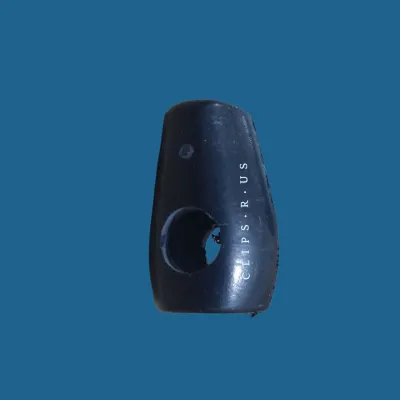
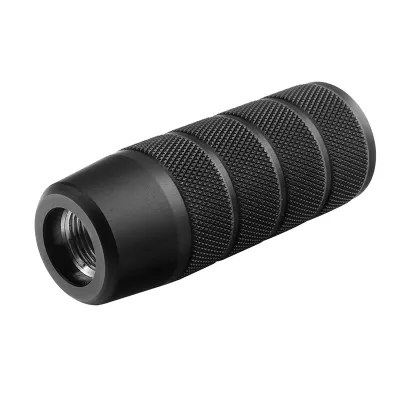
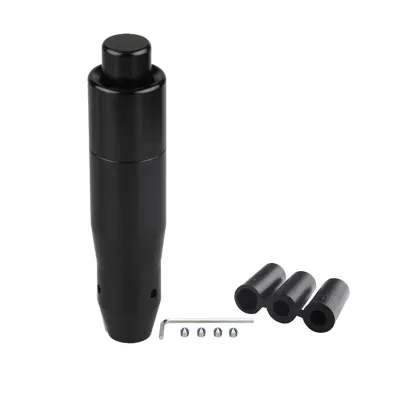

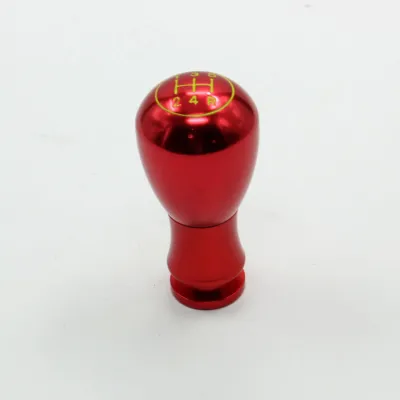
Prices are valid at publication and may change. Please refer to the product page for the latest price.
Thread Size and Pitch Verification
The manual transmission shift lever of the Mitsubishi L300 features a threaded metal shaft designed to hold the gear knob securely in place. For the vast majority of L300 models produced over the decades, the standard factory thread size and pitch is M10x1.25. This means the shaft has a 10mm outer diameter with a 1.25mm distance between each thread crest.
However, because the L300 has undergone various production updates, regional assembly variations, and aftermarket modifications by previous owners, you must never assume a “universal” fitment will work out of the box. Before ordering a replacement, physically inspect your vehicle’s shift shaft. The most reliable method is to remove your existing knob and measure the shaft diameter with a caliper, or test the thread pitch using a thread gauge at a local hardware store. Referring to the official Mitsubishi service manual or parts catalog for your specific chassis number will also confirm the exact factory specifications.
Weight and Shifting Feel
The weight of a gear knob directly influences the physical effort and momentum required to change gears. Aftermarket options generally fall into two categories: weighted and lightweight.
- Weighted Shift Knobs (200g to 400g+): These are typically made of dense metals or weighted resin cores. A heavier knob acts as a counterweight, using kinetic energy to smooth out the mechanical resistance of the shift linkage. This results in a more positive, solid, and effortless gear engagement, which many drivers find satisfying during long highway drives.
- Lightweight Shift Knobs (under 100g): These match the weight of the factory-installed plastic or resin knobs. They preserve the original mechanical feedback of the L300's transmission, allowing you to feel the distinct engagement of each gear through your palm. This is often preferred by drivers who want to monitor the health of their transmission linkage through direct physical feedback.
Tropical Climate Considerations
The Philippine climate is characterized by high ambient temperatures, intense sunlight, and elevated humidity levels. These environmental factors can cause rapid degradation of low-quality materials inside a parked vehicle, where cabin temperatures can easily exceed 50°C.
Solid metal knobs, such as polished aluminum or steel, are highly efficient thermal conductors. When exposed to direct sunlight through the windshield, they absorb heat rapidly and can become painfully hot to touch, posing a safety risk when you need to drive immediately. Conversely, materials like high-density resin, wood, and genuine leather have low thermal conductivity, meaning they remain at a tolerable touch temperature even after hours in the sun. Furthermore, high humidity can cause poor-quality synthetic leathers to peel and cheap adhesives to dissolve, making material selection a critical factor for long-term durability.
Top Shift Knob Picks for Mitsubishi L300 Owners
To help you find the right match for your driving habits, we have categorized the most popular shift knob options available on local e-commerce platforms and at automotive supply shops into three distinct driving profiles.

Best for Heavy-Duty Commercial Use
Commercial L300 operations—such as daily cargo deliveries, public utility routes, and fleet services—demand interior components that can withstand relentless, repetitive physical stress. For these applications, durability, ease of maintenance, and reliable grip are the primary considerations.
- Material Choice: High-density resin, heavy-duty polyurethane, or hard-wearing weighted polymer knobs are the top recommendations. These industrial-grade materials are impervious to hand sweat, friction, and UV radiation, ensuring they will not crack, peel, or become sticky over years of constant use.
- Surface Finish: A smooth, non-porous finish is highly advantageous for commercial fleet vehicles. Drivers often have hands soiled with grease, dust, or moisture. A non-porous surface prevents dirt and grime from embedding into the material, allowing the cabin to be quickly sanitized with a simple wipe-down using a damp cloth at the end of a shift.
- Ergonomics: A classic, simple rounded sphere or teardrop shape is ideal for stop-and-go city driving. This profile allows the driver to comfortably grip the knob from multiple angles—whether pushing forward into first gear or pulling back into second—reducing wrist strain during long hours on congested streets.
- Sourcing: When browsing local e-commerce platforms or online automotive parts retailers, search for heavy-duty replacement profiles that explicitly mention compatibility with commercial utility vehicles or heavy manual transmissions.
Best for Daily Family and Commuter Driving
If your L300 is used primarily as a family vehicle, a personal commuter, or a passenger shuttle, comfort and ergonomics take precedence over industrial-grade durability. Long hours spent in urban traffic require tactile surfaces that reduce hand fatigue.
- Material Choice: Genuine leather or high-quality synthetic leather (polyurethane-based) wrapped shift knobs are excellent choices. The padded layer beneath the leather wrap cushions the palm, absorbing minor vibrations transmitted from the gearbox through the shift lever.
- Grip and Breathability: In humid tropical conditions, perspiration can make plastic or polished metal surfaces slippery. Stitched leather provides a high-friction, secure grip that prevents accidental hand slips during gear changes, enhancing overall driving confidence.
- Construction Quality: Before purchasing a leather-wrapped knob, closely inspect the quality of the stitching and the adhesive bonding the wrap to the core. Poorly constructed wraps will quickly unravel or peel at the seams due to the heat and friction of daily driving. Look for double-stitched seams and reinforced base collars.
- Maintenance Note: While highly comfortable, leather requires occasional maintenance to survive the local climate. The dry air from the vehicle's air conditioning combined with intense cabin heat can dry out the material over time. Applying a small amount of non-greasy leather conditioner every few months will preserve its flexibility, soft texture, and rich color.
Best for Custom or Sporty Styling
For owners who take pride in personalizing their L300’s cabin, upgrading to a custom or sporty shift knob is an easy and effective way to modernize the vehicle’s utilitarian dashboard.
- Material Choice: Real carbon fiber finishes, polished billet aluminum, and sleek "pistol grip" or cylindrical short-throw styles can instantly elevate the interior aesthetics of your vehicle.
- Thermal Safety Warning: If you choose a solid metal or polished aluminum knob for its sleek, high-tech look, you must account for its heat retention. In the Philippines, parking in open, unshaded areas turns the cabin into an oven. Touching a hot metal knob can burn your skin or cause you to instinctively let go, creating a hazardous driving situation. If you select a metal knob, consider keeping a small cloth cover or "sock" over it when the vehicle is parked under direct sunlight.
- UV Resistance: For carbon fiber or clear-coated resin options, verify that the manufacturer has applied a high-quality, UV-resistant clear coat. Without UV protection, the intense tropical sunlight will cause the clear coat to turn yellow, cloud over, or bubble and peel within a few months, ruining the premium look.
- Mechanical Integrity: Always prioritize mechanical compatibility over aesthetics. Ensure that any custom or sporty knob you select matches the precise thread specifications of your L300's shift shaft. Avoid oversized or excessively long knobs that could alter the leverage of the shift linkage and put undue stress on the manual transmission's internal components.
Quick Comparison of Shift Knob Materials for Tropical Climates
To help you make an informed decision, the table below summarizes how different shift knob materials perform under the unique environmental and operational conditions of the Philippines. Use this guide to balance comfort, maintenance, and durability.
| Material Type | Best Use Case | Heat Retention in Direct Sunlight | Maintenance Level |
|---|---|---|---|
| Leather / Synthetic Wrap | Daily family driving, passenger commuting | Low (remains comfortable to touch) | Moderate (requires periodic conditioning) |
| High-Density Resin | Heavy-duty commercial use, fleet delivery | Low to Moderate (warms up but safe) | Low (easy wipe-clean with damp cloth) |
| Billet Aluminum / Metal | Custom styling, heavy shifting feel | High (can become dangerously hot) | Low (requires occasional dusting) |
| Carbon Fiber / Clear-Coated | Sporty aesthetics, custom builds | Moderate (can get warm under direct sun) | Low (requires non-abrasive cleaning) |
Safe Installation and Fitment Checks for Your L300 Shift Knob
Installing a new l300 shift knob is a straightforward DIY task, but it requires precision to avoid damaging your vehicle’s shift mechanism. Always refer to your vehicle’s original owner’s manual before beginning any interior disassembly.
Removal of the Old Knob
Most factory L300 shift knobs are removed by turning them counterclockwise. If the original knob is stuck due to age or factory adhesive, wrap a thick, soft microfiber cloth around the base of the knob to protect the surface before applying a wrench or pliers. Grip the shift shaft firmly with one hand while loosening the knob with the other to prevent the metal linkage from bending or twisting under rotational force.
Threading the New Knob
Align the new knob perfectly perpendicular to the shift shaft. Always thread the new knob entirely by hand for the first three to four full rotations. If you feel any resistance or grit, back the knob out immediately and check for cross-threading. Forcing a mismatched or misaligned thread will permanently strip the soft metal threads of the shift shaft, resulting in a loose knob and requiring an expensive professional linkage replacement.
Fitment Verification
Once fully threaded, the knob should sit flush against the base of the shaft or the provided lock nut. There should be zero play, wobble, or rotation when you apply shifting pressure. If the knob requires excessive force to tighten or leaves a large, unstable gap at the bottom, stop immediately and verify if a correct spacer or adapter is needed.
Safety Boundary
Under no circumstances should you use electrical tape, Teflon tape, superglue, or improvised plastic shims to force a poorly fitting shift knob onto the shaft. Over time, the heat and humidity of the cabin will degrade adhesives and soft shims, causing the knob to suddenly slip or detach during a critical gear change. If the thread pitch does not match perfectly, return the item and consult a qualified automotive technician or mechanic to ensure a safe, road-legal installation.
Frequently Asked Questions (FAQ)
What is the standard thread size for a Mitsubishi L300 shift knob?
While the vast majority of manual Mitsubishi L300 models produced over the years utilize an M10x1.25 metric thread pitch, this is not a universal guarantee for every single model year or regional variant. To verify your exact thread size safely, remove your original knob and take it to a local hardware store to test it against a thread pitch gauge, or consult an authorized Mitsubishi parts catalog using your vehicle’s specific chassis number.
Can I use a universal shift knob on my L300?
Yes, you can use a universal shift knob, but only if it includes a high-quality threaded metric adapter insert that matches the M10x1.25 thread of the L300’s shaft. Avoid cheap universal knobs that rely on rubber sleeves and small metal set-screws that tighten directly onto the shaft’s threads. These set-screws often slip under heavy shifting pressure and can permanently flatten or damage the original threads of your shift lever.
How do I clean and maintain a leather or carbon fiber shift knob?
To clean a leather shift knob, wipe it down with a slightly damp microfiber cloth to remove sweat and dirt, then apply a small amount of non-greasy, automotive-grade leather conditioner every few months to prevent cracking caused by high cabin temperatures. For carbon fiber or clear-coated resin knobs, use a mild, pH-neutral interior cleaner and a soft cloth. Never use harsh alcohol-based hand sanitizers, abrasive polishes, or household glass cleaners, as these chemicals can dissolve or cloud the protective clear coat over time.
Community discussion
Share your experience or ask a question. Comments are reviewed before publication.