
Driving in the Philippines presents unique challenges for your car’s interior. Between the intense tropical heat that can exceed 38°C during the dry season and the high relative humidity that leads to sweaty hands, maintaining a comfortable and secure grip on your gear shifter is essential for safe driving. Over time, the constant exposure to sweat, UV rays, and friction can cause original leather or plastic shift knobs to crack, peel, or become uncomfortably sticky. Choosing a high-quality gear shift cover silicon accessory is an affordable, practical solution to protect your vehicle’s interior while improving your overall driving ergonomics.
These protective accessories are widely available on local online marketplaces, offering a variety of textures, colors, and sizes. However, finding the best option requires looking beyond generic universal fit claims. To make an informed purchase, you must verify your vehicle’s specific shifter dimensions, transmission type, and any integrated safety features like shift lock buttons or reverse lockouts. This guide will help you navigate the top styles available in the Philippines, understand how to measure your shifter accurately, and maintain your cover for long-lasting performance.
Why Choose a Gear Shift Cover Silicon Accessory?
Silicone is an exceptionally resilient elastomer that excels in demanding automotive environments. In the tropical climate of the Philippines, where cabin temperatures can soar when parked under direct sunlight, traditional materials like leather and low-grade plastics deteriorate rapidly. Leather can dry out and crack, while cheap plastic knobs can become sticky or hot to the touch. A silicone cover acts as a durable thermal and physical barrier, shielding the underlying components from intense ultraviolet radiation and daily wear.
Products mentioned in this guide

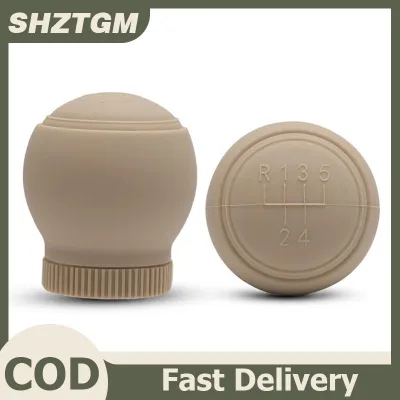
![[COD] Car Silicone Automatic Gear Shift Knob Cover Antislip Shifter Knob Univeral Fit Shifter Handle Automatic Gear Handle Sleeve](https://img.lazcdn.com/g/p/30c08bbaf1ace3ea17158c783b275bac.jpg_400x400q80.jpg_.webp)
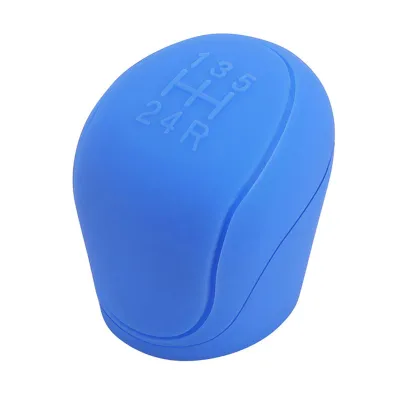
![[COD] SHGMYD 1PC Manual 6-speed Car Interior Accessories Car Silicone Gear Shift Knob Cover Gear Shift Non-Slip Grip Handle Protective Covers](https://img.lazcdn.com/g/p/78955c82f81a1dfcade1502be5f5e127.jpg_400x400q80.jpg_.webp)
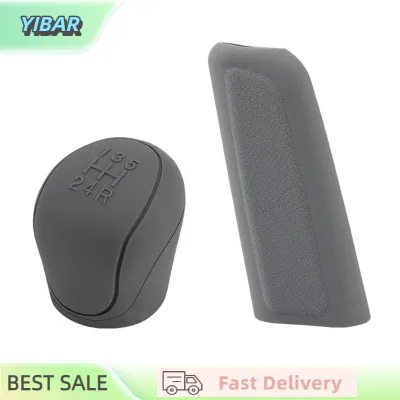
Prices are valid at publication and may change. Please refer to the product page for the latest price.
One of the most immediate benefits of installing a silicone cover is the enhancement of grip and tactile feedback. During long commutes in heavy city traffic, your hands naturally sweat. A bare, smooth shift knob can become slippery, which increases the risk of a missed gear change or an awkward hand slip. Silicone provides a naturally high-friction surface that remains tactile and secure even when exposed to moisture.
Furthermore, silicone is highly resistant to daily physical hazards. If you wear rings, carry keys, or frequently place items near the center console, the original shift knob is highly susceptible to scratches and scuffs. A flexible silicone sleeve absorbs these minor impacts, preserving the resale value of your vehicle.
From a hygiene standpoint, silicone is significantly easier to sanitize than fabric or leather alternatives. Fabric covers tend to absorb sweat, oils, and dirt over time, leading to unpleasant odors and bacterial growth. Leather requires specialized, expensive conditioners to prevent drying. Silicone, on the other hand, is non-porous and can be easily wiped clean or washed with mild soap and water.
While silicone is highly durable, its specific temperature limits, chemical resistance, and material grade can vary. Always check the manufacturer’s specifications to ensure the product uses high-grade, non-toxic, and heat-stabilized silicone that will not degrade or release odors under extreme cabin heat.
Key Factors to Consider Before Buying
Selecting the perfect cover involves evaluating several functional dimensions to ensure safe and comfortable operation. Because gear shifters vary wildly across different car makes and models, a hasty purchase can result in a loose cover that slips during gear changes or a tight cover that restricts vital mechanical functions.

Transmission Type and Shifter Shape The physical profile of your shift knob is primarily determined by your vehicle’s transmission. Manual transmission knobs are typically spherical or teardrop-shaped, designed to be gripped from the top or sides as you actively cycle through gears. Automatic transmission shifters, conversely, are often contoured, T-shaped, or feature integrated electronic buttons, such as shift lock releases or overdrive switches. You must choose a cover designed specifically for your transmission layout, as a manual cover will not accommodate the complex geometry or button cutouts of an automatic shifter.
Exact Physical Dimensions Many online sellers advertise products as universal fit, but in the automotive world, true universal compatibility rarely exists. Before purchasing, you must measure the height, width, and maximum circumference of your bare shift knob. Compare these measurements directly with the seller’s product dimensions. Relying solely on compatibility lists can lead to frustration, as trim levels and model years of the same vehicle model can feature different shifter designs.
Material Thickness and Clearance Silicone covers are available in various thicknesses, typically ranging from 1.5mm to over 3mm. Thicker covers offer superior cushioning and a more robust feel, which some drivers prefer. However, added thickness increases the overall outer diameter of the knob. If your vehicle has a tight shift boot or limited clearance near the center console trim, an overly bulky cover can rub against the surrounding interior panels or restrict the full range of shifter movement.
Design and Ergonomics Consider your daily driving habits and comfort preferences. If you spend hours navigating congested highways, a contoured cover with ergonomic finger grooves can reduce hand fatigue. Smooth finishes offer a sleek, factory-like appearance but may provide slightly less grip than textured alternatives. Evaluate how the cover feels during extended use, ensuring it does not create pressure points on your palm.
Popular Styles of Silicone Shift Covers Available Online
The local e-commerce landscape in the Philippines offers an extensive array of silicone shift covers catering to different aesthetic tastes and functional requirements. Prices are generally highly affordable, typically ranging from ₱50 for basic models to ₱300 or more for specialized designs. Understanding these common styles allows you to narrow down your choices effectively.
Minimalist and Solid Colors For drivers who prefer a clean, original equipment manufacturer look, minimalist solid-color covers are the ideal choice. Typically available in matte black, slate gray, or deep navy, these covers blend seamlessly with the existing dashboard and console plastics. They provide all the protective benefits of silicone without drawing unnecessary attention to the accessory, maintaining a professional and uncluttered cabin aesthetic.
Textured and Anti-Slip Patterns If maximizing grip is your primary goal, textured patterns are highly recommended. These designs often feature molded geometric grooves, raised honeycombs, or simulated carbon-fiber weaves. The physical texture significantly increases surface area and friction, ensuring an unyielding grip even in the most humid tropical weather. These styles also add a sporty, high-performance visual element to your car’s interior.
Novelty and Character Designs For those looking to inject personality into their vehicle, novelty covers are widely popular. These include whimsical shapes such as animal paws, cartoon characters, or miniature hoodies. While these designs are excellent for personalization and self-expression, they often come with ergonomic trade-offs. The irregular shapes can make quick gear shifts less intuitive and may cause hand discomfort during long drives. If you choose a novelty design, ensure it does not compromise your ability to safely and quickly operate the shifter.
Functional Add-ons Some silicone covers incorporate specialized materials or features, such as glow-in-the-dark pigments or integrated keychain loops. Glow-in-the-dark covers can make the shifter easier to locate in dark cabins, which is convenient if your vehicle lacks ambient console lighting. However, before purchasing these specialized options, verify the safety, non-toxicity, and durability of the chemical additives used to achieve these effects, as low-quality luminous compounds can degrade rapidly under UV exposure.
How to Measure and Verify Fitment for Your Vehicle
To avoid the hassle of returning an ill-fitting product, take the time to measure your shift knob and verify compatibility before placing an order. This step is critical for maintaining driving safety, as a slipping cover can lead to dangerous distractions on the road.
Step-by-Step Measuring Guide
- Clean the Knob: Ensure the shift knob is clean and free of debris that could skew your measurements.
- Measure Height: Use a flexible sewing measuring tape or a pair of vernier calipers to measure the vertical height of the knob from the top surface down to the collar where it meets the shift boot.
- Measure Diameter: Measure the widest horizontal point of the knob. For spherical knobs, this is the center diameter; for contoured knobs, measure both the widest and narrowest widths.
- Measure Circumference: Wrap the flexible tape around the thickest part of the knob to find the total circumference.
Cross-referencing Product Charts When browsing online marketplaces, locate the seller’s dimension chart. Silicone is naturally elastic, meaning a cover can stretch slightly to fit a slightly larger knob. However, exceeding the recommended stretch limit (typically 5% to 10% of the cover’s relaxed dimensions) can cause the silicone to tear during installation or thin out excessively, reducing its protective capabilities. Ensure your measurements fall within the manufacturer’s specified fitment range.
Checking Shift Boot and Console Clearance Once you have the dimensions of the cover, visualize how it will sit on your shifter. Shift the vehicle through all gear positions (with the engine off and parking brake engaged) to check the clearance between the shifter and the surrounding console trim. Ensure that the added bulk of the silicone sleeve will not pinch, rub, or tear the leather, vinyl, or fabric shift boot during operation.
Safety Stop Condition If your vehicle features a reverse lockout mechanism (commonly a pull-up ring on manual transmissions), electronic shift-by-wire controls, or complex integrated buttons, do not attempt to install a generic, fully enclosed silicone cover. Check your vehicle’s owner manual or consult an automotive accessory specialist. Standard covers can obstruct these vital mechanisms, preventing you from engaging reverse or park safely.
Installation Tips and Daily Maintenance
Proper installation and regular maintenance ensure that your silicone cover remains secure, hygienic, and safe to use without causing damage to your vehicle’s original interior components.
Preparation Before installing the cover, thoroughly clean the original shift knob. First, check your vehicle manufacturer’s care instructions for the shift knob material. Use a mild, non-abrasive interior cleaner that is explicitly authorized on the cleaner’s label for your shift knob’s material (whether it is real leather, synthetic leather, or molded plastic). Ensure the surface is completely dry. In the humid climate of the Philippines, trapping even a small amount of moisture beneath a non-porous silicone cover can create a breeding ground for mold, mildew, and unpleasant odors, which can permanently ruin the underlying material.
Installation Technique To install the cover, align it carefully with the top of the shift knob. Gently stretch the opening and slide it downward in a rolling motion. Avoid using excessive force, sharp tools, or screwdrivers to pry the cover on, as these can easily puncture the silicone or scratch the delicate leather or plastic of your original shifter. If the cover is extremely tight, warming it slightly in warm water can increase its elasticity, making the installation process smoother.
Routine Cleaning To maintain a hygienic driving environment, wipe down the silicone cover weekly with a clean, damp microfiber cloth. For deeper cleaning, you can slide the cover off and wash it with mild dish soap and warm water. Always avoid using harsh chemical solvents, bleach, or alcohol-based cleaners on the silicone, as these substances can degrade the polymer structure over time, causing it to become sticky, brittle, or discolored.
Inspection Periodically remove the cover—ideally every few months—to inspect the condition of the original shift knob underneath. This allows you to check for any trapped dust, grit, or moisture that may have bypassed the edges. Clean both surfaces thoroughly and ensure they are dry before reassembling.
Frequently Asked Questions (FAQ)
Will a silicone cover interfere with my automatic shift lock button?
Yes, a poorly fitted or overly thick silicone cover can easily obstruct the travel of your automatic transmission’s shift lock release button. If the cover presses against the button or prevents it from depressing fully, you may find it difficult or impossible to shift out of Park. Immediately after installing any cover on an automatic shifter, test the button’s responsiveness and travel with the vehicle safely parked. If you detect any sticking, delayed return, or if excessive force is required to operate the button, remove the cover immediately to prevent dangerous operational delays while driving.
How do I remove a silicone shift cover that has become stuck?
Over time, heat and pressure can cause a tight silicone cover to adhere to the surface of the shift knob. To remove it safely without tearing the silicone or damaging the original knob, do not pull it straight up with force. Instead, gently roll the bottom edge upward, peeling it back like a sleeve. If the cover remains stubborn, prepare a mild solution of soapy water (using a few drops of dish soap) and carefully work a small amount under the rolled edge to act as a lubricant. Once removed, thoroughly clean and dry both the shift knob and the cover to eliminate any soapy residue.
Community discussion
Share your experience or ask a question. Comments are reviewed before publication.