
Quick Answer: Which Silicone Wiper Blade is Best for Heavy Rain?
Choosing the best silicone wiper blade for heavy rain depends on your vehicle’s windshield curvature, your budget, and whether you prioritize immediate hydrophobic water-beading or long-term structural durability. There is no single brand that fits every car perfectly, but matching the blade design to your specific driving habits is the key to maintaining clear vision during intense tropical downpours.
For drivers who frequently travel at high speeds on open expressways, a premium coated beam-style silicone wiper blade offers the most effective water-clearing action. The sleek, aerodynamic design utilizes high-speed wind downforce to keep the blade pressed flat against the glass, allowing the hydrophobic coating to shed water rapidly.
Conversely, if you primarily drive in stop-and-go urban traffic or own a vehicle with a highly curved windshield, a hybrid silicone wiper blade is often the more reliable choice. These models combine a sturdy, segmented frame with a flexible silicone wiping element, ensuring consistent contact pressure across uneven glass surfaces even at lower speeds.
Products mentioned in this guide
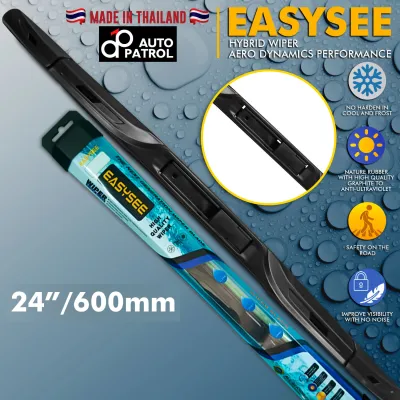
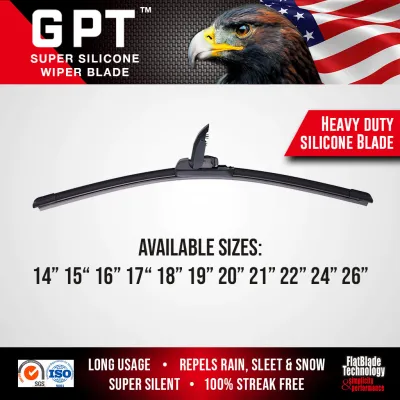
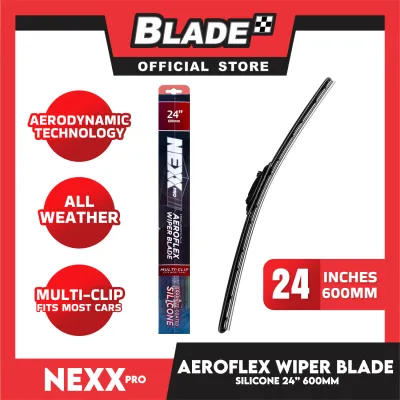
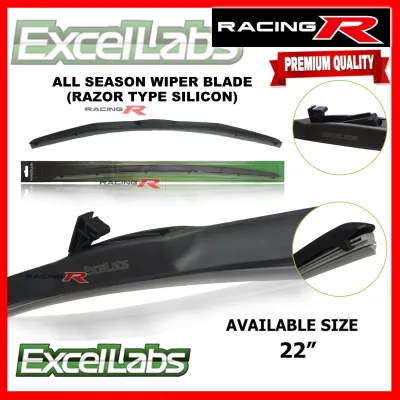
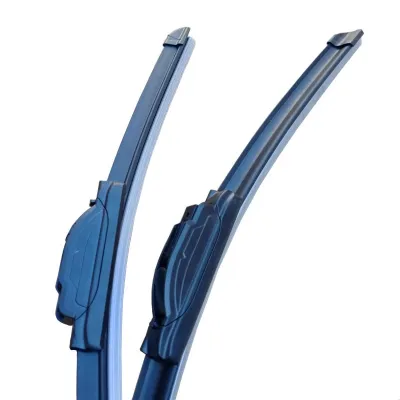
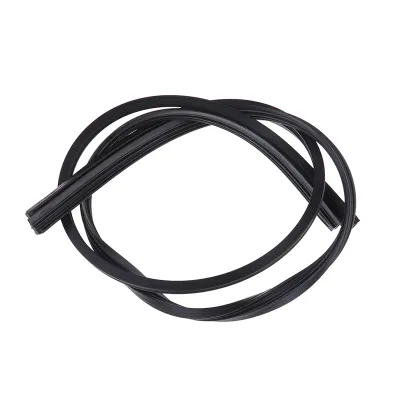
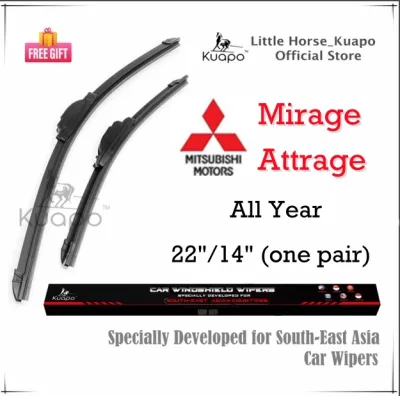
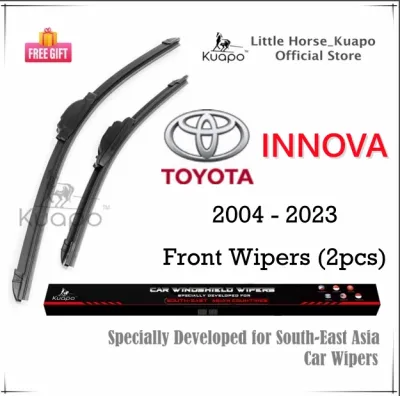
Prices are valid at publication and may change. Please refer to the product page for the latest price.
Achieving crystal-clear visibility during the monsoon season requires more than just buying a high-end brand. You must select the correct blade category for your vehicle, verify the mounting system, and perform proper windshield preparation to ensure the silicone material can function as intended.
Why Silicone Outperforms Rubber in Monsoon Downpours
Traditional natural rubber wiper blades deteriorate rapidly under the intense ultraviolet (UV) radiation and high ambient temperatures characteristic of a tropical climate. Rubber tends to dry out, crack, and lose its flexibility within a few months of continuous exposure to harsh sunlight, leading to poor wiping performance when the wet season arrives.

Silicone wiper blades utilize a synthetic polymer that remains highly flexible across a wide temperature range. This material resilience prevents the wiping edge from warping or hardening, even after your vehicle has been parked under direct midday heat for extended periods.
In addition to thermal stability, the inherent chemical structure of silicone is naturally hydrophobic. As the blade sweeps across the glass, it deposits an ultra-thin, water-repellent layer that causes rainwater to bead up into tight droplets. These beads are easily swept away by the wind or the next wipe, significantly reducing your reliance on the highest speed setting of your wiper motor.
While these material advantages are well-documented, actual real-world lifespans and performance levels vary. Drivers should always verify the specific manufacturer’s warranty terms and product specifications to understand the expected durability of a given silicone wiper blade under local driving conditions.
Key Comparison Dimensions for Heavy Rain Visibility
To choose the right silicone wiper blade, you must evaluate how different designs handle the extreme volumes of water encountered during severe tropical storms. Looking beyond brand names allows you to assess the mechanical and chemical features that directly impact road safety.
Water Repellency and Hydrophobic Coating
Premium silicone wiper blades do not just wipe water away; they actively modify the surface tension of your windshield. This is achieved through dry-friction transfer, where the silicone polymer deposits a microscopic hydrophobic layer directly onto the glass during initial use.
When evaluating different brands, check the product packaging to distinguish between “coated” silicone elements—which are pre-treated with additional water-repellent agents—and “uncoated” pure silicone elements that rely solely on the base material’s natural properties. Coated options generally deliver faster water-beading action but may require more precise initial setup.
To activate this hydrophobic layer effectively, you must follow the manufacturer’s precise conditioning instructions. This process typically involves running the new blades on a completely clean, dry windshield for several minutes immediately after installation to transfer the polymer coating to the glass.
Streak Resistance and Wipe Clarity
A high-quality wiper blade must maintain uniform contact pressure across the entire length of the wiping element. If the pressure is uneven, water films will remain on the glass, creating distracting streaks that distort oncoming headlights and streetlights at night.
The frame design plays a critical role in preventing these streaks. Beam-style blades use a single, curved steel spring inside the housing to distribute pressure evenly, whereas hybrid designs use a series of articulated sub-frames to hug complex glass curves.
Aerodynamic spoilers molded into the wiper frame are also essential for high-speed driving. These spoilers harness the oncoming wind to push the blade firmly against the windshield, preventing “wind lift” and the dangerous chattering or skipping that can occur during highway downpours.
Durability and Environmental Resistance
The combination of intense tropical heat, high humidity, and airborne road grime creates a highly corrosive environment for automotive consumables. Silicone’s resistance to ozone and thermal degradation gives it a significant edge over traditional rubber.
When comparing brands, look for structural reinforcements such as corrosion-resistant steel frames, UV-stabilized plastic shrouds, and high-grade pivot joints that resist binding. These physical components often fail long before the silicone wiping element itself degrades.
Verify the availability of replacement silicone refills from your chosen brand. Some manufacturers allow you to slide out the worn silicone element and replace it while retaining the original metal frame, which reduces long-term maintenance costs and environmental waste.
Evaluating Leading Silicone Wiper Blade Categories
The market for silicone wiper blades is broadly divided into two major categories, each serving different driving conditions, vehicle types, and budgets. Understanding these categories helps you narrow down the best option for your daily commute.
Premium Coated Silicone Blades
Premium coated silicone blades represent the top tier of wet-weather visibility technology. These products feature specialized silicone compounds infused with friction-reducing agents and advanced hydrophobic coatings that deliver immediate, high-performance water-beading.
These blades are typically constructed as sleek, low-profile beam blades. The absence of external hinges prevents debris accumulation and ensures that the blade flexes uniformly, making them highly effective for modern vehicles with aerodynamic windshield designs. Broad price bands for these premium options usually range from ₱1,200 to over ₱2,500 per pair, depending on the vehicle size and brand.
This category is highly recommended for drivers who spend significant time on expressways, where vehicle speeds are high enough for the wind to sweep the beaded water off the glass without using the wipers. The reduced friction also minimizes squeaking on lightly damp glass.
Before purchasing premium blades from automotive retail stores or online marketplaces, always verify your vehicle’s specific connector type. Many premium brands package their blades with a variety of adapters, but some European or specialized vehicle models require dedicated, proprietary mounting clips that must be purchased separately.
Standard and Hybrid Silicone Blades
Standard and hybrid silicone blades offer a highly durable alternative by pairing a reliable silicone wiping element with a robust, articulated frame structure. The hybrid frame is enclosed in a protective plastic shell that guards the internal metal links against rust, road salt, and debris.
This design provides exceptional downward pressure, making it highly effective at clearing heavy road grime, insect splatters, and thick dust deposits. These blades are generally more budget-friendly, with typical prices ranging from ₱600 to ₱1,500 per pair.
Drivers of older vehicles, utility vehicles, or SUVs with upright, flatter windshields often find that hybrid frames provide superior wiping performance at lower speeds compared to standard beam blades. The mechanical joints help the blade adjust to sudden changes in glass curvature.
However, the bulkier profile of hybrid frames can make them slightly more susceptible to wind lift at high highway speeds. It is important to weigh this trade-off against your typical driving environment and average travel speeds before making a decision.
Decision Framework: Choosing the Right Blade for Your Vehicle
Selecting the ideal silicone wiper blade requires matching your vehicle’s mechanical specifications with your typical driving patterns. Use this structured framework to guide your next purchase:
- Choose Premium Coated Beam Silicone if:
- Your vehicle has a modern, aerodynamic windshield with a relatively flat profile.
- You frequently drive at highway speeds where the hydrophobic water-beading effect can be fully utilized.
- You are willing to invest the time required to thoroughly clean and prep the glass surface before installation.
- Choose Hybrid Silicone if:
- Your vehicle has a highly curved windshield that requires multi-point pressure distribution to prevent missed spots.
- You regularly drive in dusty, urban, or coastal environments where road grime and salt spray accumulate quickly.
- You prefer the classic, substantial look of a shrouded frame that matches your vehicle's original equipment style.
- Verify first if:
- Your vehicle's wiper arms use a standard J-hook connector or a specialized interface (such as side-pin, pinch-tab, or push-button mounts). Always refer to your vehicle's owner's manual to confirm the correct blade lengths for both the driver and passenger sides, as these are rarely identical.
- Your windshield has an existing buildup of oil, road film, or old wax. Installing a premium silicone blade on contaminated glass can lead to severe smearing, chattering, and poor visibility, regardless of the brand's quality.
Installation and Maintenance for Maximum Monsoon Performance
Even the highest-quality silicone wiper blade will fail to deliver clear visibility if it is installed incorrectly or maintained poorly. Proper preparation and care are essential to maximize the lifespan and effectiveness of your investment.
Windshield Preparation
Before removing your old wiper blades, you must thoroughly clean the windshield glass. Use a dedicated automotive glass stripper or a mild clay bar to remove road oils, tree sap, water spots, and wax residues.
Ensure that you do not allow any cleaning chemicals to contact your vehicle’s paint, plastic trim, or rubber seals, as some heavy-duty glass polishers can cause staining or degradation. Always check the cleaner’s label for authorized uses and safety precautions.
Once the glass is completely stripped of contaminants, rinse it thoroughly with clean water and dry it using a lint-free microfiber towel. The surface should feel completely smooth to the touch.
The Conditioning Process
After mounting the new silicone wiper blades according to the manufacturer’s instructions, you must perform the initial dry-wipe conditioning process to activate the hydrophobic properties.
Ensure the windshield is completely dry, then turn on the wipers on a medium speed setting for approximately three to five minutes. This friction-based process transfers a micro-thin layer of silicone polymer onto the glass surface, activating the hydrophobic water-beading effect.
Failure to perform this step can result in uneven performance, premature streaking, or a noisy wiping action during the first heavy rainfall. If your specific brand’s instructions conflict with this general step, always prioritize the manufacturer’s written guidelines.
Routine Maintenance
To maintain optimal visibility throughout the wet season, clean your wiper blades at least once a month. Gently lift the wiper arms and wipe the silicone edge with a soft, damp microfiber cloth to remove accumulated road grime and dust.
Avoid using harsh chemical glass cleaners, ammonia-based products, or isopropyl alcohol on the silicone element, as these substances can degrade the specialized coatings and shorten the blade’s lifespan. A simple wipe with water is usually sufficient.
If you notice any signs of physical damage, such as a torn wiping edge, a bent frame, or loose mounting adapters, consult your vehicle’s documentation and replace the affected components immediately to ensure safe driving conditions.
Frequently Asked Questions (FAQ)
Do silicone wiper blades cause glare at night?
Silicone wiper blades themselves do not cause night glare, but improper installation or contaminated glass can lead to visibility issues. If the windshield is not thoroughly cleaned before installation, the silicone material can trap existing road oils and wax residues, creating a hazy film that scatters oncoming headlight beams.
Additionally, if the initial conditioning process was skipped, the hydrophobic layer may deposit unevenly, causing water to bead in irregular shapes that distort light. To resolve this, strip the windshield glass completely clean using an automotive glass polish and re-condition the blades according to the manufacturer’s guidelines.
How often should silicone wiper blades be replaced?
While silicone wiper blades generally offer a significantly longer service life than traditional natural rubber blades under tropical conditions, they are still wear items that require periodic replacement. Rather than following a strict calendar schedule, you should monitor the physical condition and performance of the blades.
Inspect your wipers regularly for signs of wear, such as persistent streaking, chattering noises, visible tearing of the silicone edge, or a noticeable decline in water-beading performance. If any of these symptoms persist after a thorough cleaning of the glass and the blades, it is time to replace them.
Community discussion
Share your experience or ask a question. Comments are reviewed before publication.