
Finding the right slider piece honda click 125i owners can trust is essential for maintaining the smooth, efficient performance of this highly popular scooter. As a staple of Philippine roads, the Honda Click 125i relies on a continuously variable transmission (CVT) to deliver seamless acceleration through congested city streets and steep provincial inclines. Over time, the internal components of this transmission wear down, leading to a sluggish throttle response, irritating vibrations, or a noticeable loss in fuel efficiency.
Understanding the different types of slider pieces available in the market, how to evaluate their quality, and when to seek professional mechanical assistance will help you keep your scooter running in peak condition. This guide breaks down the essential components of your CVT system, details your best replacement options, and outlines the safety boundaries you must observe during maintenance.
Identify the Right Slider Piece Honda Click 125i CVT Components
To make an informed purchase, you must first clarify what “slider piece” refers to within your scooter’s CVT system. In the Philippine motorcycle community, riders and local mechanics often use the term “slider” to refer to three distinct parts of the transmission. Misidentifying these parts can lead to buying incompatible components or failing to address the actual source of your transmission issues.
Products mentioned in this guide
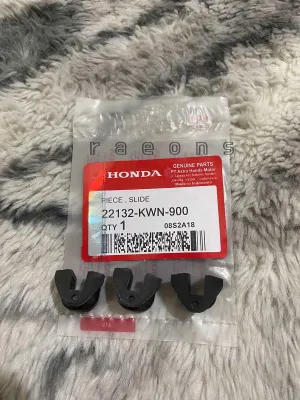
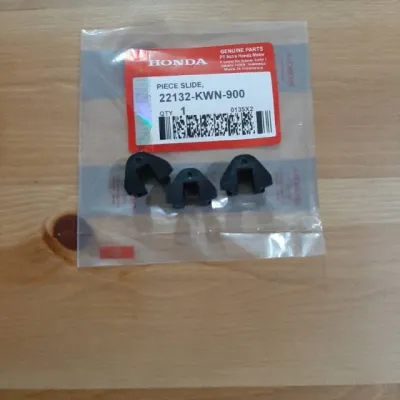
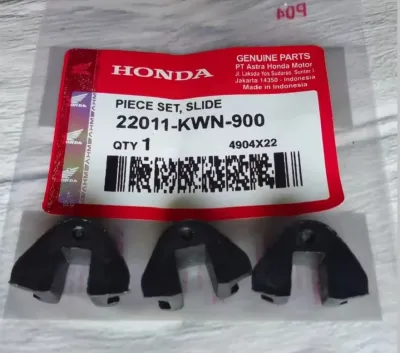
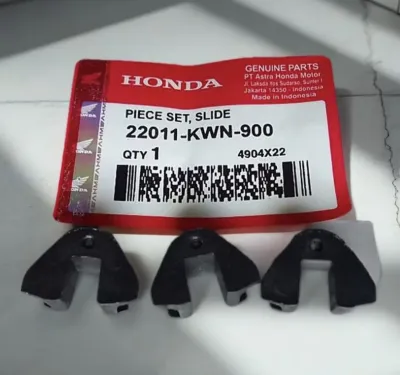
Prices are valid at publication and may change. Please refer to the product page for the latest price.
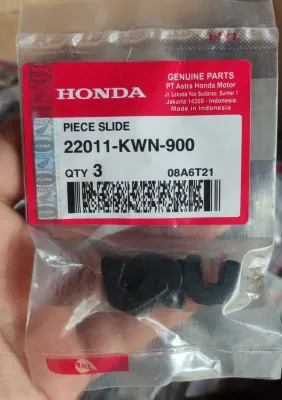
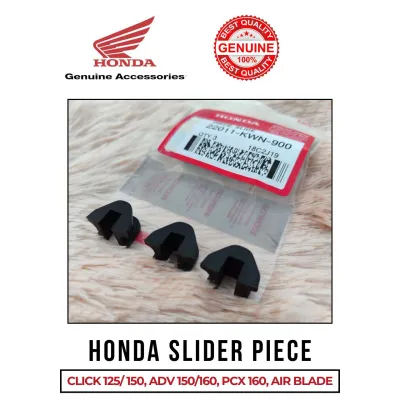
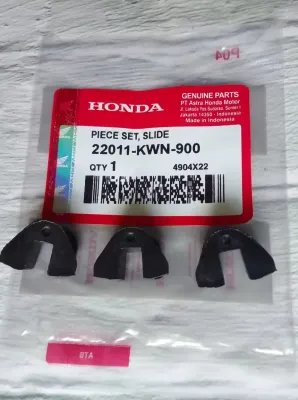
The first and most literal translation of the term refers to the variator slide pieces. These are three small, U-shaped polymer guides that snap onto the ramp plate inside the front variator assembly. Their primary role is to allow the ramp plate to slide smoothly along the variator housing as centrifugal force pushes the roller weights outward. By preventing metal-on-metal contact, these slide pieces ensure that the front pulley expands and contracts smoothly, which directly dictates how your scooter shifts gears.
The second component often grouped into this category is the torque drive slider, also known as the rear pulley guide pin or guide slider. Located in the rear pulley assembly, these small pins or rollers slide along angled grooves to control how the rear pulley opens and closes in response to torque demands. They play a vital role in maintaining the correct belt tension and ensuring smooth back-shifting when you decelerate and re-apply the throttle.
The third component sometimes loosely called a slider is the clutch shoe or clutch pad assembly. These friction pads are mounted on centrifugal clutch arms in the rear pulley. When engine RPM increases, centrifugal force swings these shoes outward to grip the inner surface of the clutch bell, transferring power from the engine to the rear wheel. While technically “shoes” rather than “sliders,” they are critical friction components that dictate how smoothly your scooter pulls away from a complete stop.
Recognizing the symptoms of worn transmission components is key to timely maintenance. If your variator slide pieces are worn or cracked, you will likely hear a distinct rattling or clacking noise from the front of the CVT casing at idle. Worn torque drive sliders typically cause jerky acceleration or a delayed response when you twist the throttle. Meanwhile, worn or glazed clutch shoes manifest as a severe shuddering or vibration (often called “panginginig” locally) when accelerating from a standstill, accompanied by engine slipping where RPMs rise but the scooter fails to gain speed.
The tropical climate and unique road conditions in the Philippines significantly accelerate the wear of these CVT components. High humidity, intense summer heat, and torrential rains during the monsoon season create a challenging environment for dry CVT systems. Floodwaters can introduce moisture and silt into the CVT housing, while dusty provincial roads and urban smog deposit fine particulates inside the casing. This dust acts as an abrasive, rapidly wearing down plastic slide pieces, scoring torque drive pins, and glazing clutch shoes, making regular inspection and cleaning highly necessary.
How to Evaluate Slider Piece Quality and Compatibility
When shopping for a replacement slider piece honda click 125i owners must balance performance, durability, and cost. Navigating the aftermarket can be daunting, but focusing on material quality, precise fitment, and reputable sourcing will ensure you select a component that keeps your scooter safe and reliable.

The first major decision is choosing between Honda Genuine Parts (OEM) and aftermarket alternatives. OEM parts are manufactured to Honda’s exact specifications, utilizing highly tested polymer compounds and friction materials designed specifically for the Click 125i. They offer unmatched reliability, predictable service life, and keep your vehicle warranty intact. On the other hand, reputable aftermarket brands often offer specialized materials designed to enhance performance, such as faster clutch engagement or reduced friction, though they sometimes come at the cost of faster wear on adjacent components.
Material composition is the single most important factor determining the lifespan of these parts. For variator slide pieces, look for high-temperature, self-lubricating polymers such as nylon, polyamide, or Teflon-infused composites. These materials can withstand the high friction and heat generated inside the front pulley without melting or deforming. For clutch shoes, look for high-quality organic or carbon-composite friction linings that offer a stable coefficient of friction under high heat, preventing premature glazing and clutch shudder.
Compatibility verification is non-negotiable when purchasing CVT parts. The Honda Click has gone through several generational updates in the Philippines, including the Click 125i Game Changer and the newer version 3 models. While many engine components are shared, slight dimensional differences exist across model years and engine displacements. Never assume that a slider piece designed for a Honda Click 150i or Click 160i will fit your 125i perfectly; even a millimeter of variance in clutch shoe width or variator slide piece thickness can cause severe transmission imbalance, belt misalignment, or catastrophic failure of the pulley assemblies.
To ensure compatibility, always cross-reference the manufacturer’s part numbers with your scooter’s specific engine code (typically found on the crankcase). When sourcing parts, prioritize authorized Honda 3S dealerships or highly rated, verified sellers on major online marketplaces. Be extremely cautious of counterfeit parts packaged in fake Honda red-and-white labeling. Counterfeit plastic sliders are often made of cheap, brittle plastics that can shatter inside your variator at high RPMs, leading to sudden belt breakage and rear-wheel lockup.
Top Slider Piece Categories for Every Riding Style
Your choice of replacement parts should align with how you use your scooter daily. Whether you are a daily office commuter, a commercial delivery rider, or a budget-conscious student, there is a specific category of slider pieces designed to meet your operational demands.
Honda Genuine Parts (OEM)
For the vast majority of riders, Honda Genuine Parts represent the safest and most logical choice. These components are engineered specifically for the Click 125i engine, ensuring that the hardness of the plastic slide pieces matches the steel of the variator ramp plate perfectly. This prevents premature wear on more expensive metal transmission parts.
Using OEM parts preserves the smooth, quiet, and predictable power delivery that the Click 125i is known for from the factory. They are highly recommended for daily commuters who prioritize long-term durability and hassle-free maintenance over aggressive performance. To guarantee you are getting authentic OEM components, purchase them directly from authorized Honda service centers or official flagship digital storefronts.
Premium Aftermarket Performance Options
Premium aftermarket options are designed for riders who demand more from their scooters. This includes delivery riders carrying heavy cargo, those who frequently ride with a pillion passenger, or riders living in hilly regions like Antipolo or Rizal, where the transmission is constantly under heavy load.
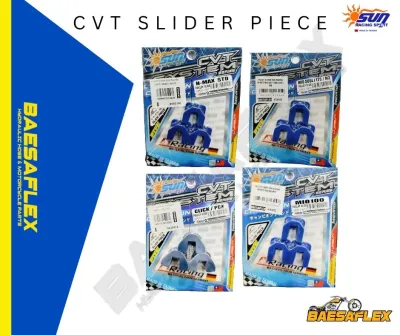
These performance parts often utilize advanced materials, such as sintered metal or carbon-fiber-reinforced clutch shoes, which provide a much firmer grip on the clutch bell and resist fading under extreme temperatures. Premium variator slide pieces may feature self-lubricating compounds that allow the ramp plate to slide with minimal resistance, resulting in quicker throttle response. However, be aware that installing high-grip aftermarket clutch shoes may require upgrading to a hardened clutch bell to prevent the aggressive friction material from wearing out your stock bell prematurely.
Standard Budget Replacements
If you are on a tight budget and need to restore basic commuting functionality, standard aftermarket budget replacements are widely available. These parts are typically produced by third-party manufacturers to replicate OEM dimensions at a fraction of the cost, making them highly accessible for quick repairs.
While budget replacements can successfully resolve immediate slipping or rattling issues, you must exercise caution when purchasing them. Avoid unbranded, generic parts sold at suspiciously low prices on online marketplaces, as these often suffer from poor quality control, uneven friction lining bonding, or brittle plastics. If you choose to install budget-friendly components, commit to more frequent CVT inspections—ideally every 5,000 kilometers—to catch any signs of premature wear before they lead to on-road failures.
CVT Installation Steps and Professional Safety Boundaries
Performing maintenance on a scooter’s CVT requires careful preparation, specialized tools, and a strict adherence to safety protocols. Attempting to disassemble these high-tension, rotating assemblies without the proper equipment can result in severe personal injury or permanent damage to your scooter’s engine and drivetrain.
Before starting, ensure you have the correct tools for the job. You will need an 8mm socket to remove the CVT cover bolts, a specialized clutch holding tool (or Y-spanner) to secure the pulleys, a 19mm socket for the variator nut, and a 22mm socket for the clutch bell nut. A clutch spring compressor is highly recommended if you plan to replace the clutch shoes, as the large center spring is under significant tension. Finally, a calibrated torque wrench is absolutely essential for reassembly.
To replace the variator slide pieces, begin by removing the CVT cover and securing the front variator pulley with your holding tool. Carefully remove the shaft nut and slide off the outer drive face, followed by the variator assembly. Gently pull the ramp plate out of the back of the variator housing; the three plastic slide pieces will be resting on the wings of the ramp plate. Slide the old pieces off, clean the ramp plate of any belt dust using a dedicated brake cleaner, snap the new slide pieces into place, and slide the assembly back together.
To replace the clutch shoes or torque drive sliders, you must remove the rear pulley assembly. Once the clutch bell is off, use a clutch holding tool and a spring compressor to safely unscrew the large clutch center nut. Slowly release the compressor tension to prevent the clutch assembly from launching outward. Swap the worn clutch shoes or clean and lubricate the torque drive pins with specialized high-temperature CVT grease, ensuring no grease contaminates the friction surfaces of the clutch shoes or belt.
Observe strict safety boundaries when performing this work. Always refer to your Honda Click 125i owner’s manual or official service documentation for exact torque specifications. If you encounter seized pulley nuts, stripped threads on the crankshaft, or if you do not own a calibrated torque wrench, stop immediately and consult a qualified professional mechanic at a registered motorcycle shop. Tightening the variator or clutch nuts without a torque wrench can lead to them backing off while riding, which can destroy your crankshaft threads and cause a sudden, dangerous transmission lockup at high speeds.
Once reassembly is complete, perform a thorough post-installation check. Start the engine with the CVT cover off (ensuring your hands and loose clothing are far away from the rotating assembly) to verify that the belt tracks smoothly and there are no abnormal vibrations. After replacing the cover, take the scooter for a gentle test ride. Avoid sudden full-throttle starts for the first 100 to 200 kilometers to allow new clutch shoes to bed in properly against the clutch bell, ensuring maximum grip and longevity.
Frequently Asked Questions (FAQ)
How often should I replace the slider pieces on my Honda Click 125i?
Replacement intervals for CVT slider pieces are primarily condition-based rather than strictly mileage-based, as riding habits and environmental factors vary greatly. Under normal commuting conditions in the Philippines, you should inspect your variator slide pieces and clutch shoes every 8,000 to 10,000 kilometers during routine CVT cleaning. Slide pieces must be replaced immediately if they show visible cracks, deep grooves, or if they fit loosely on the ramp plate. Clutch shoes should be replaced if the friction lining thickness falls below 2.0mm or if the material has become severely glazed and cannot be restored by light sanding.
Can I use Honda Click 150i or 160i slider pieces on my 125i?
No, you should avoid using slider pieces, clutch shoes, or torque sliders designed for the Click 150i or Click 160i on your Click 125i unless the manufacturer explicitly certifies cross-compatibility for that specific part number. The Click 150i and 160i utilize different engine designs with distinct pulley dimensions, ramp plate angles, and clutch shoe weights to handle their higher torque output. Installing mismatched parts can cause severe belt misalignment, uneven variator wear, clutch slipping, or physical damage to the transmission shafts. Always purchase parts labeled specifically for the 125i variant.
Why is my Click 125i still slipping after changing the clutch shoes?
If your scooter continues to slip or shudder after installing new clutch shoes, the issue is likely caused by an overlooked component in the rear pulley assembly. A common culprit is a glazed, warped, or out-of-round clutch bell, which prevents the new shoes from making full, even contact. Additionally, weak or sagging clutch damper springs can cause the shoes to engage prematurely at low RPMs, leading to slipping. Finally, check for any grease or oil contamination on the clutch linings or the inside of the bell, which can occur during installation; always clean these surfaces thoroughly with a residue-free brake cleaner before final assembly.
Community discussion
Share your experience or ask a question. Comments are reviewed before publication.