
Quick Answer: Which Spark Plug is Best for Your TMX 155?
Choosing the right honda tmx 155 spark plug is not about finding a single, universally superior option. Instead, the ideal choice depends on your daily riding conditions, your maintenance habits, and your upfront budget. For riders in the Philippines who use their motorcycle for heavy-duty business, daily commuting, or tricycle operations, each electrode material offers a distinct balance of performance, longevity, and cost.
Standard copper spark plugs provide excellent electrical conductivity and the lowest initial purchase price, but their nickel-alloy electrodes wear down quickly, requiring frequent inspection and replacement. Platinum spark plugs serve as a durable, mid-tier upgrade that significantly extends service intervals without a high upfront cost. Iridium spark plugs represent the premium tier, offering the longest operational lifespan, superior resistance to high temperatures, and a highly concentrated spark that improves ignition reliability in demanding conditions.
Regardless of the material you select, the new spark plug must strictly match the original equipment manufacturer (OEM) specifications for heat range, thread size, and reach. Installing a plug with incorrect physical dimensions or thermal properties can result in severe, irreversible engine damage, regardless of how expensive or advanced the electrode material is.
Products mentioned in this guide
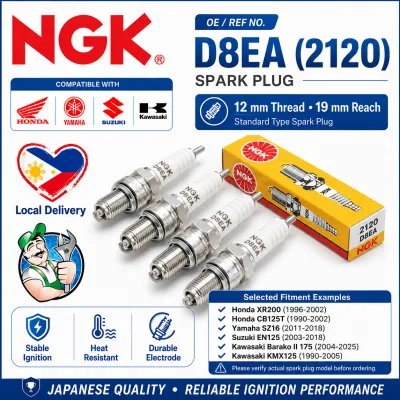
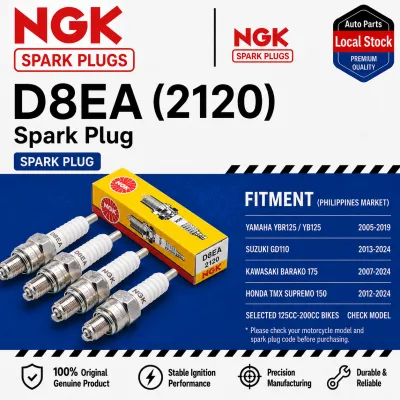
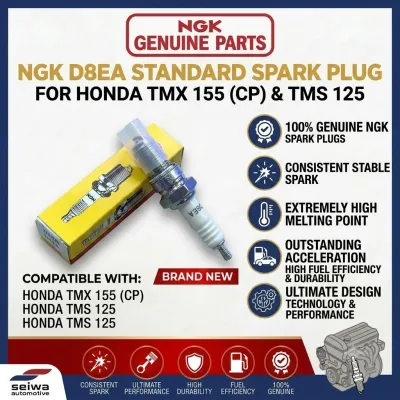
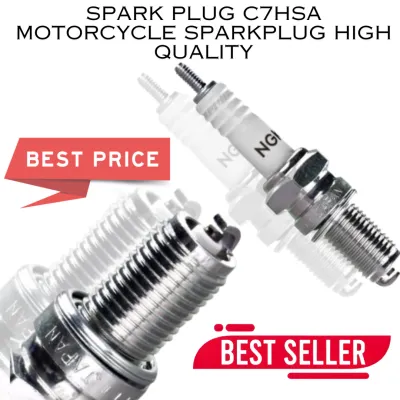
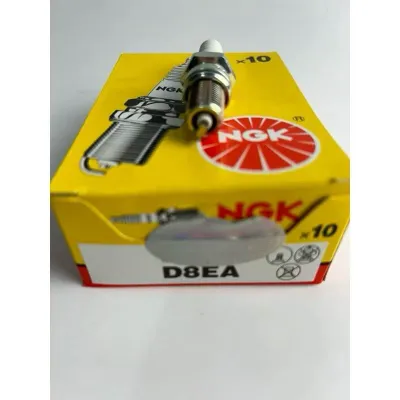
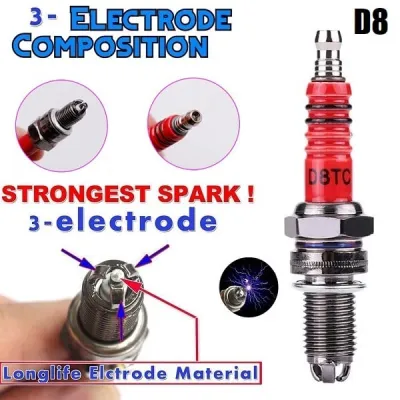
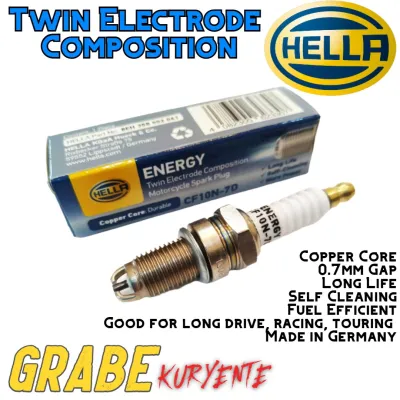
Prices are valid at publication and may change. Please refer to the product page for the latest price.
Verify First: OEM Specifications and Engine Requirements
Before purchasing any replacement spark plug, you must verify the exact technical baseline of your motorcycle. The Honda TMX 155 relies on a highly durable, air-cooled, single-cylinder engine. Because air-cooled engines experience wider temperature fluctuations than liquid-cooled systems, selecting the correct spark plug specifications is critical to maintaining engine health and preventing pre-ignition or fouling.

To identify the correct specifications, consult your official Honda owner’s manual or examine the alphanumeric code stamped on the currently installed, factory-approved spark plug. You must match several critical dimensions exactly:
- Thread Diameter and Pitch: The threaded portion must fit perfectly into the cylinder head without forcing or binding.
- Reach (Thread Length): A plug with a thread length that is too long will protrude into the combustion chamber, where it can strike the piston. A plug that is too short will shroud the spark, leading to incomplete combustion and thread fouling in the cylinder head.
- Hex Size: This determines the correct socket size required for safe installation and removal.
- Heat Range: This numerical rating indicates the plug's ability to dissipate heat from the combustion chamber.
Upgrading to a premium material like platinum or iridium does not alter these physical and thermal requirements. For example, if your TMX 155 requires a specific heat range (such as an NGK “8” heat range, commonly found in standard plugs like the DP8EA-9), your upgraded platinum or iridium plug must feature that exact same heat rating. Installing a plug that runs too hot can cause pre-ignition, where the air-fuel mixture ignites prematurely, leading to melted pistons. Conversely, a plug that runs too cold will fail to reach its self-cleaning temperature, resulting in rapid carbon buildup, misfires, and hard starts.
Copper vs. Platinum vs. Iridium: Material Breakdown
To make an informed decision, you must understand how different electrode materials behave under the intense heat and pressure of the TMX 155 combustion chamber. The choice of material directly affects electrical resistance, thermal threshold, and resistance to spark erosion.
Standard Copper Spark Plugs
Standard copper spark plugs feature a solid copper core encased in a nickel-alloy outer shell. Copper is an exceptional conductor of electricity and heat, allowing the plug to transfer electrical energy efficiently and maintain stable operating temperatures. This high conductivity makes copper the traditional baseline standard for many small-displacement engines.
However, the primary limitation lies in the nickel-alloy electrode tip. Nickel has a relatively low melting point and lower hardness compared to precious metals. As electrical current jumps the gap thousands of times per minute, the nickel electrode gradually erodes, causing the spark gap to widen over time. A wider gap requires higher voltage from the ignition system to produce a spark, which can eventually strain the ignition coil and lead to misfires.
For TMX 155 owners, copper plugs are highly affordable, typically costing between ₱100 and ₱180. They are ideal for riders who do not mind performing regular maintenance, as these plugs require inspection, cleaning, and gapping every few thousand kilometers, with complete replacement recommended at shorter intervals.
Platinum Spark Plugs
Platinum spark plugs represent a significant technological step up from standard copper. In these plugs, a small platinum disc is welded to the tip of the center electrode. Because platinum is substantially harder and has a higher melting point than nickel alloy, it is highly resistant to spark erosion and chemical corrosion.
This material durability means the electrode gap remains stable over a much longer period. The plug maintains its factory-set gap, ensuring consistent ignition timing and reducing strain on the motorcycle’s electrical system. While platinum has slightly lower electrical conductivity than pure copper, the difference is virtually imperceptible in daily riding conditions.
In the Philippine market, platinum spark plugs generally cost between ₱250 and ₱400. They serve as an excellent, cost-effective upgrade for daily commuters who want to reduce the frequency of spark plug replacements without paying the premium price associated with iridium.
Iridium Spark Plugs
Iridium spark plugs are the highest-performing option available for the TMX 155. Iridium is an extremely dense, exceptionally hard precious metal with a melting point exceeding 2,400°C. This extreme durability allows manufacturers to design the center electrode with a very fine wire tip, often measuring just 0.4mm to 0.6mm in diameter.
A fine-wire electrode concentrates the electrical spark into a smaller, more intense area. This concentration lowers the voltage threshold required to initiate a spark, resulting in faster, more reliable ignition. This is particularly beneficial during cold starts in humid tropical weather or when idling for extended periods in heavy traffic.
Iridium plugs represent the most expensive option upfront, typically ranging from ₱500 to ₱900. However, they offer the longest operational lifespan and the most consistent performance under high thermal stress, making them highly popular among long-distance riders and commercial operators who prioritize reliability.
Lifespan, Performance, and Value Comparison
To help you evaluate these materials side by side, the table below outlines the key differences in lifespan, cost, and suitability for the Honda TMX 155:
| Feature / Dimension | Standard Copper | Platinum | Iridium |
|---|---|---|---|
| Relative Lifespan | 3,000 to 5,000 km | 10,000 to 15,000 km | 30,000 to 50,000 km |
| Electrical Conductivity | Excellent | Good | Very Good |
| Upfront Cost (PHP) | Low (₱100 – ₱180) | Moderate (₱250 – ₱400) | High (₱500 – ₱900) |
| Electrode Wear Rate | High | Low | Extremely Low |
| Ideal Rider Profile | Budget-conscious, DIYers | Daily commuters | High-mileage, couriers |
When evaluating these options, consider the “cost-per-kilometer” value. While a copper plug is highly affordable initially, you may need to replace it up to ten times over the lifespan of a single iridium plug. For commercial riders, such as tricycle drivers or delivery couriers, the time and labor spent repeatedly purchasing and changing copper plugs can quickly surpass the higher upfront cost of an iridium plug.
It is also important to manage performance expectations. Upgrading to a premium platinum or iridium spark plug will not add raw horsepower to a stock, unmodified TMX 155 engine. Instead, the performance benefit of a premium plug lies in its ability to maintain optimal, consistent ignition efficiency over thousands of kilometers, preventing the gradual drop in fuel economy and throttle response that occurs as copper plugs wear down.
Decision Framework: Which Type Should You Buy?
To finalize your purchase, use this practical decision framework tailored to your specific riding scenario and budget:
- Choose Copper if: You operate on a strict daily budget, keep a spare plug in your tool kit, and enjoy performing your own routine motorcycle maintenance. Copper is also the best choice if you prefer sticking strictly to the traditional OEM setup and do not mind replacing the plug every few thousand kilometers.
- Choose Platinum if: You want a reliable, middle-ground option for daily commuting. Platinum is ideal if you want to double or triple your service intervals compared to copper but prefer a moderate upfront expense.
- Choose Iridium if: You use your TMX 155 for high-mileage commercial work, ride extensively in congested, stop-and-go urban traffic, or want the absolute maximum reliability during the wet monsoon season. Iridium is the best choice for riders who want a "set-and-forget" solution that preserves optimal combustion efficiency over the long term.
- Verify first if: Your engine is currently burning oil, showing blue exhaust smoke, or suffering from poor compression. If an engine has underlying mechanical issues, oil or carbon will foul a premium iridium plug just as quickly as a cheap copper plug, wasting your investment. Resolve any mechanical issues before upgrading to a premium plug.
Safe Installation and Maintenance Reminders
Installing a new spark plug requires precision to avoid damaging your engine. Before beginning, ensure the engine is completely cool to the touch. Working on a hot engine increases the risk of burning yourself and can lead to stripped threads in the aluminum cylinder head.
First, always check the electrode gap using a wire feeler gauge before installation, even if the box states the plug is “pre-gapped.” The gap must match the exact specification listed in your Honda owner’s manual. Adjust the gap carefully if necessary, taking care not to press against or damage the delicate center electrode, especially on platinum and iridium plugs.
Second, always use a torque wrench to tighten the spark plug to the manufacturer’s specified torque rating. The Honda TMX 155 cylinder head is made of cast aluminum, which can easily strip if over-tightened. Over-tightening can also distort the spark plug’s metal shell or crack the ceramic insulator, leading to electrical leakage. Conversely, under-tightening prevents the plug from sealing properly against the cylinder head, causing compression loss and poor heat dissipation.
Finally, pay close attention to thread preparation. Only apply a very sparse amount of anti-seize compound to the threads if explicitly recommended by the spark plug manufacturer. Many modern spark plugs feature a special metal plating designed to prevent corrosion and seizing without the use of lubricants. Applying anti-seize to these pre-plated plugs can artificially reduce friction, leading to accidental over-tightening and thread damage during installation. If you are unsure of the correct installation procedure or lack the proper tools, seek assistance from a qualified motorcycle mechanic.
Frequently Asked Questions (FAQ)
Can I use a different brand instead of the OEM supplier?
Yes, you can safely use reputable aftermarket spark plug brands, provided that the physical dimensions, thread pitch, reach, hex size, and heat range match the OEM specifications exactly. Most major spark plug manufacturers provide official cross-reference charts online or in retail catalogs. Always use these official resources to verify that the aftermarket part number is the exact equivalent of the factory-specified plug for your specific vehicle model and year.
Does an iridium spark plug increase the top speed of my TMX 155?
No, installing an iridium spark plug will not increase the top speed or maximum horsepower of a stock Honda TMX 155. An iridium plug improves ignition efficiency by providing a more consistent, concentrated spark, which can lead to smoother idling, crisper throttle response, and more reliable cold starts. However, it cannot generate more power than the engine’s original design and fuel delivery system are capable of producing.
Community discussion
Share your experience or ask a question. Comments are reviewed before publication.